

/https%3A%2F%2Fcdn-tor.buminteractif.com%2F2026%2F07%2F07185622%2Fharry-getty-546456hgfhf.jpg)
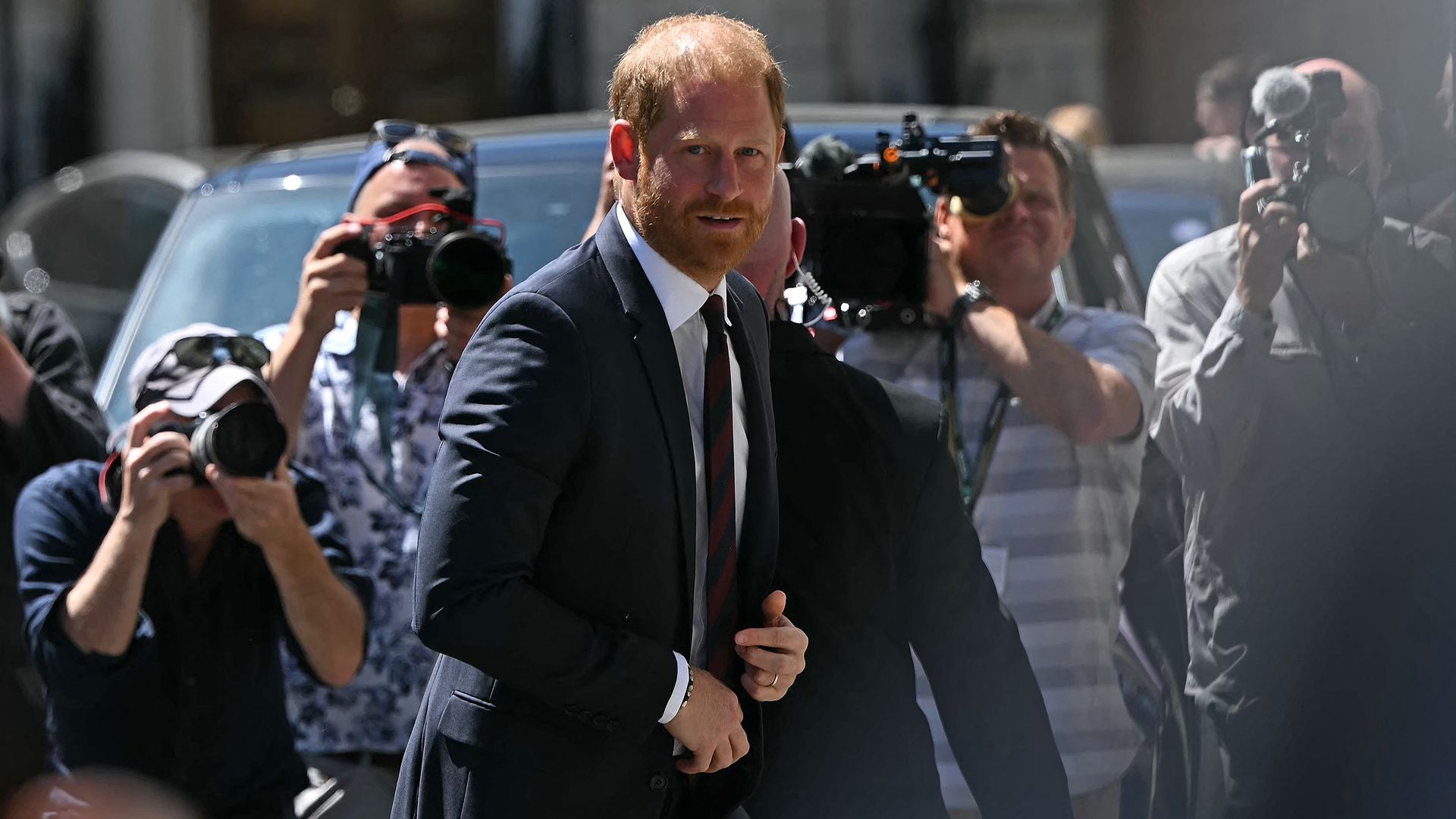
Prince Harry has suffered one of the most significant legal defeats of his long-running campaign against the British tabloid press after losing his major privacy lawsuit against Associated Newspapers Limited (ANL), the publisher of the Daily Mail and The Mail on Sunday. Joined by Sir Elton John, David Furnish and actress Elizabeth Hurley, the Duke of Sussex alleged that the newspaper group had engaged in widespread unlawful information gathering over nearly two decades. In a sweeping 436-page judgment, London High Court Judge Mr Justice Matthew Nicklin dismissed all 97 allegations in their entirety, concluding that the claimants had failed to establish that ANL had obtained their private information through illegal means. The ruling marks a major victory for the publisher while dealing a costly setback to one of Prince Harry's most high-profile legal battles against the British media.
The lawsuit centered on allegations that ANL relied on a range of unlawful methods to obtain confidential information between 1993 and 2011. The claimants accused the publisher of hiring private investigators to install listening devices in homes and vehicles, intercepting private telephone conversations, hacking voicemail messages, paying corrupt police officers for confidential information and using so-called “blagging” techniques to illegally obtain sensitive records, including medical and travel information. Throughout the proceedings, however, the court found that the accusations were not supported by sufficient evidence. Judge Nicklin concluded that while the claimants may have genuinely believed unlawful activity had occurred, suspicion alone could not satisfy the legal standard required to prove the allegations before the court.
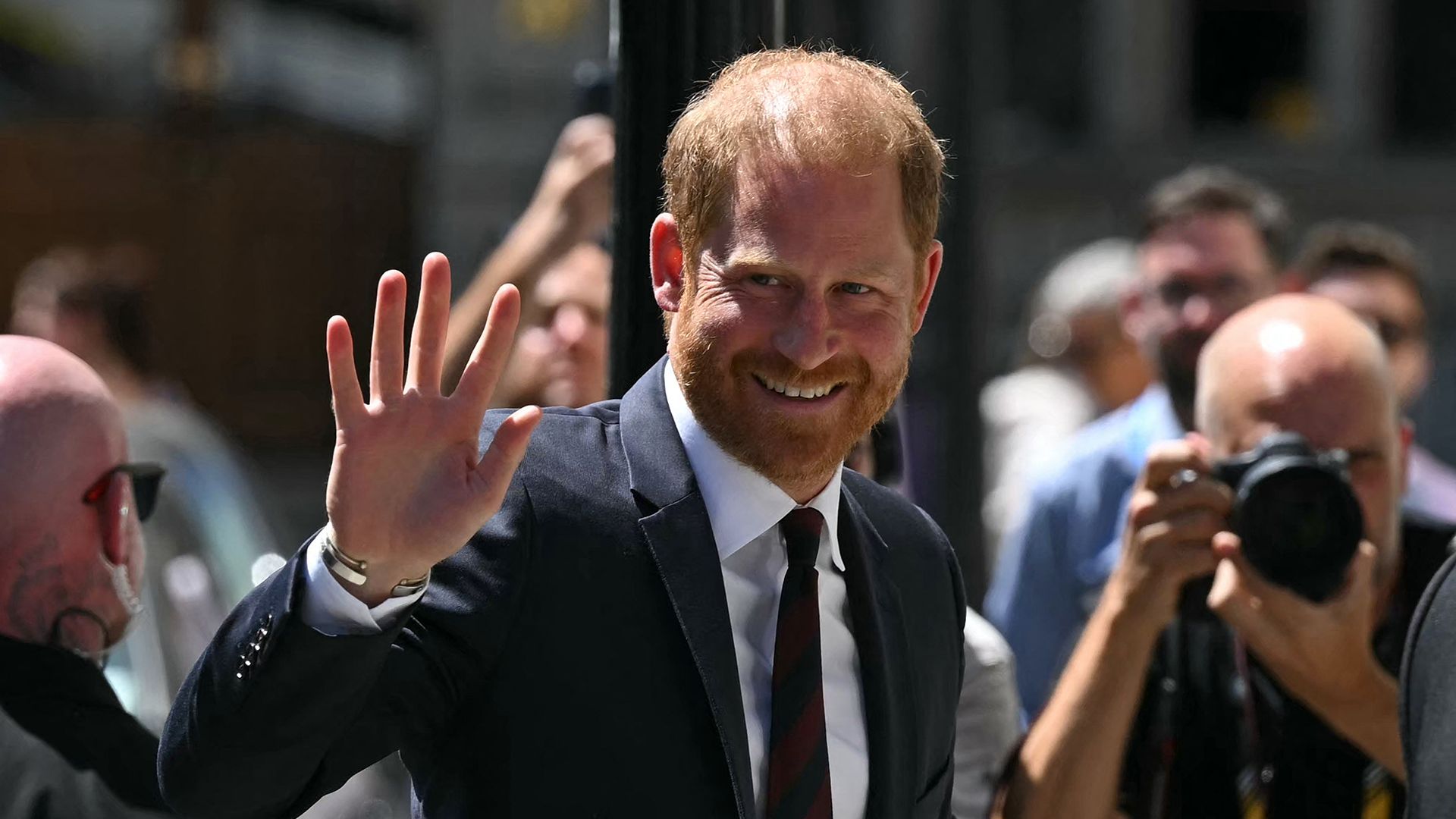
A central argument advanced by Prince Harry's legal team was also rejected by the court. His lawyers argued that because many of the published articles contained highly personal information—and because Associated Newspapers could no longer identify exactly how certain stories had been sourced decades later—it should be inferred that the information had been obtained unlawfully. Judge Nicklin dismissed that reasoning, ruling that it was «not a permissible approach.» Instead, the court accepted evidence from Daily Mail journalists who described lawful reporting methods, including information obtained from publicists, royal aides, friends and other legitimate sources familiar with the individuals involved. The judgment concluded that the existence of private information in published stories did not, by itself, prove criminal or unlawful newsgathering.
«We came to Court seeking justice and accountability. But we have received neither.»
-Prince Harry in a joint statement with fellow claimant Baroness Doreen Lawrence
The judgment also contained strong criticism of the evidence presented by the claimants. Judge Nicklin described significant portions of the research assembled by their legal team as «inconsistent,» «unconvincing,» and ultimately resembling a «fishing expedition» rather than a coherent body of proof capable of establishing widespread unlawful conduct. Those findings represented a decisive rejection of the plaintiffs' broader theory that systemic illegal information gathering had taken place across numerous stories published over nearly two decades. The decision stands in sharp contrast to other legal victories Prince Harry has secured against sections of the British press, including his successful claims against Mirror Group Newspapers and his substantial settlement with News Group Newspapers in separate cases involving different publishers and evidence.
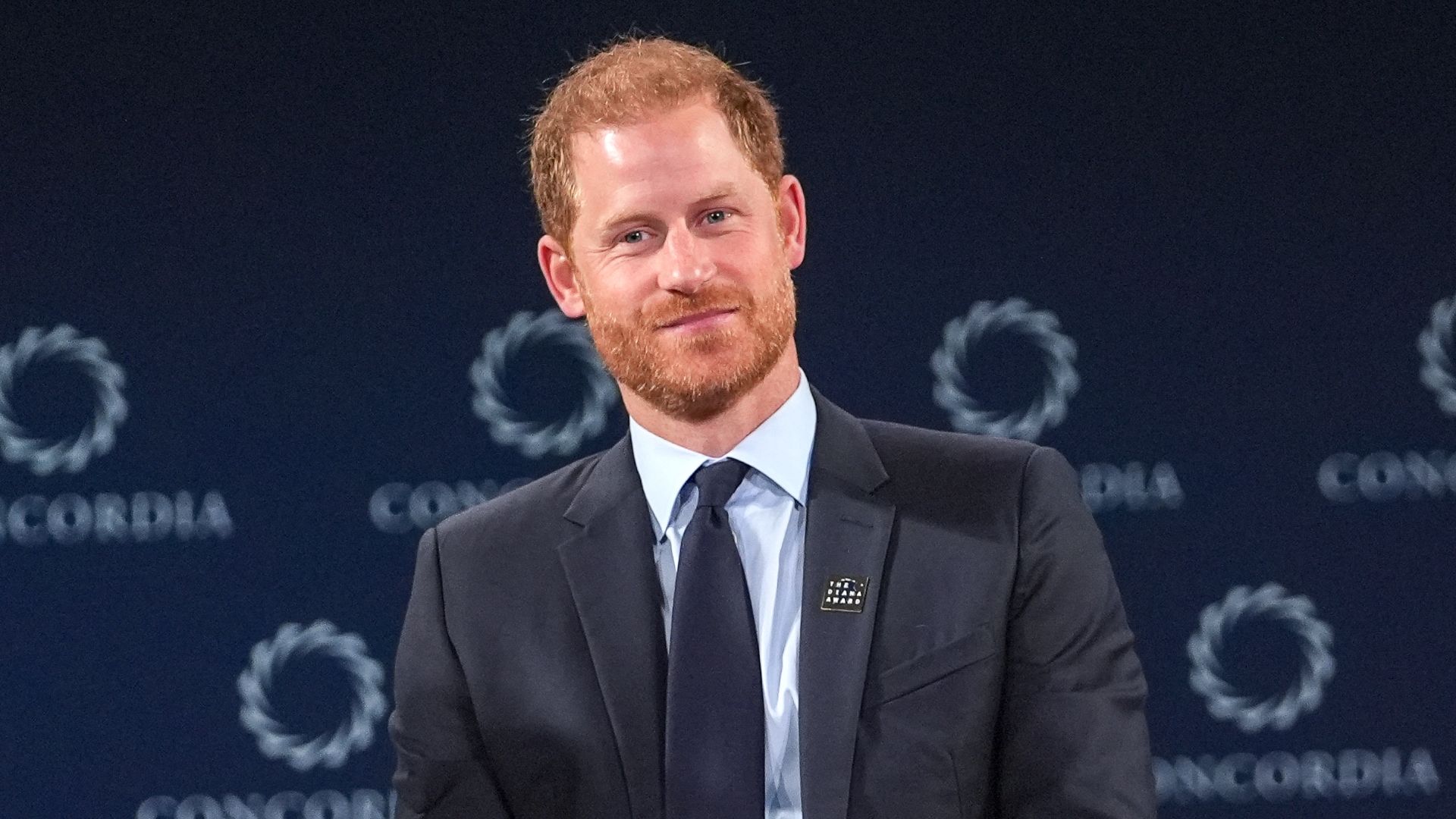
The financial consequences of the ruling could also prove substantial. Legal costs associated with the case are estimated to exceed £50 million, or roughly $66.8 million, and a further hearing scheduled for July 29 will determine how much of Associated Newspapers' legal expenses Prince Harry and the other claimants will ultimately be required to pay. ANL welcomed the decision as a «momentous victory for the free press,» arguing that the judgment confirmed its reporting practices had not been proven unlawful in this case. The outcome therefore not only represents a courtroom victory for the publisher but may also influence future privacy claims brought against British media organizations where allegations are not supported by direct evidence.
«When the Court says there is not sufficient evidence of wrongdoing, despite the documents showing otherwise, then one does wonder how justice was ever going to be achieved.»
-Prince Harry in a joint statement with fellow claimant Baroness Doreen Lawrence
Prince Harry sharply criticized the decision shortly after the judgment was delivered. In a joint statement with fellow claimant Baroness Doreen Lawrence, he declared, «We came to Court seeking justice and accountability. But we have received neither.» He went on to argue that the ruling conflicted with previous judicial findings involving other newspaper publishers, stating, «This judgment represents a complete reversal of the position which previous Judges have taken in relation to the hacking claims successfully brought against both News Group Newspapers and Mirror Group Newspapers (who were represented by, at the time, the Judge who made this decision). Generic findings about various private investigators that were held by the Courts in these parallel claims to have carried out unlawful activity at the very same time in relation to similar stories and well-known individuals have been wholly ignored. The fact that this Court has chosen to dismiss them represents an inconsistency which is hard to understand or reconcile with common sense, or the evidence heard in the courtroom itself.» He further added, «When the Court says there is not sufficient evidence of wrongdoing, despite the documents showing otherwise, then one does wonder how justice was ever going to be achieved.» Concluding his response, the Duke described the ruling as «It is a complete and obvious whitewash, but sadly not altogether unexpected.»
Created by humans, assisted by AI.
 After the wedding, are Taylor Swift and Travis Kelce already expanding their family?
 Singer Lauren Bennett dead at 37