

/https%3A%2F%2Fcdn-tor.buminteractif.com%2F2026%2F07%2F21163350%2Fbiden-getty-34534dfgdfgdfs.jpg)
A federal appeals court has rejected Joe Biden's attempt to stop the release of roughly 70 hours of audio recordings and transcripts from private interviews conducted with the ghostwriter of his memoirs. In a 2-1 decision issued on July 20, the U.S. Court of Appeals for the District of Columbia Circuit ruled that the public interest in the material outweighs Biden's privacy concerns. The majority concluded that the former president still has a legitimate expectation of privacy but said that concern can be addressed through careful redactions before the recordings are released. The decision marks another legal setback for Biden as the long-running dispute over the recordings moves closer to becoming public. Although the court authorized their eventual release, it temporarily paused enforcement of its ruling until Aug. 3, giving Biden's legal team additional time to seek review from either the full appeals court or the U.S. Supreme Court before the audio is turned over to Congress and the public.
The majority opinion was written by Judges Sri Srinivasan and Gregory Katsas, who concluded that the remaining privacy concerns did not justify keeping the recordings secret. The judges wrote that the remaining «incursion on personal privacy… does not outweigh the public interest in disclosure.» They determined that sensitive personal information could be protected by removing limited portions of the recordings rather than withholding the entire collection. Judge Florence Pan, who dissented, reached the opposite conclusion. She argued that Biden maintained a significant privacy interest because the conversations took place entirely inside his private home and were later obtained during a criminal investigation that ultimately resulted in no charges. Pan said the circumstances surrounding the interviews distinguished them from ordinary government records and deserved stronger privacy protection despite the public interest surrounding the investigation.
Promise Me, Dad
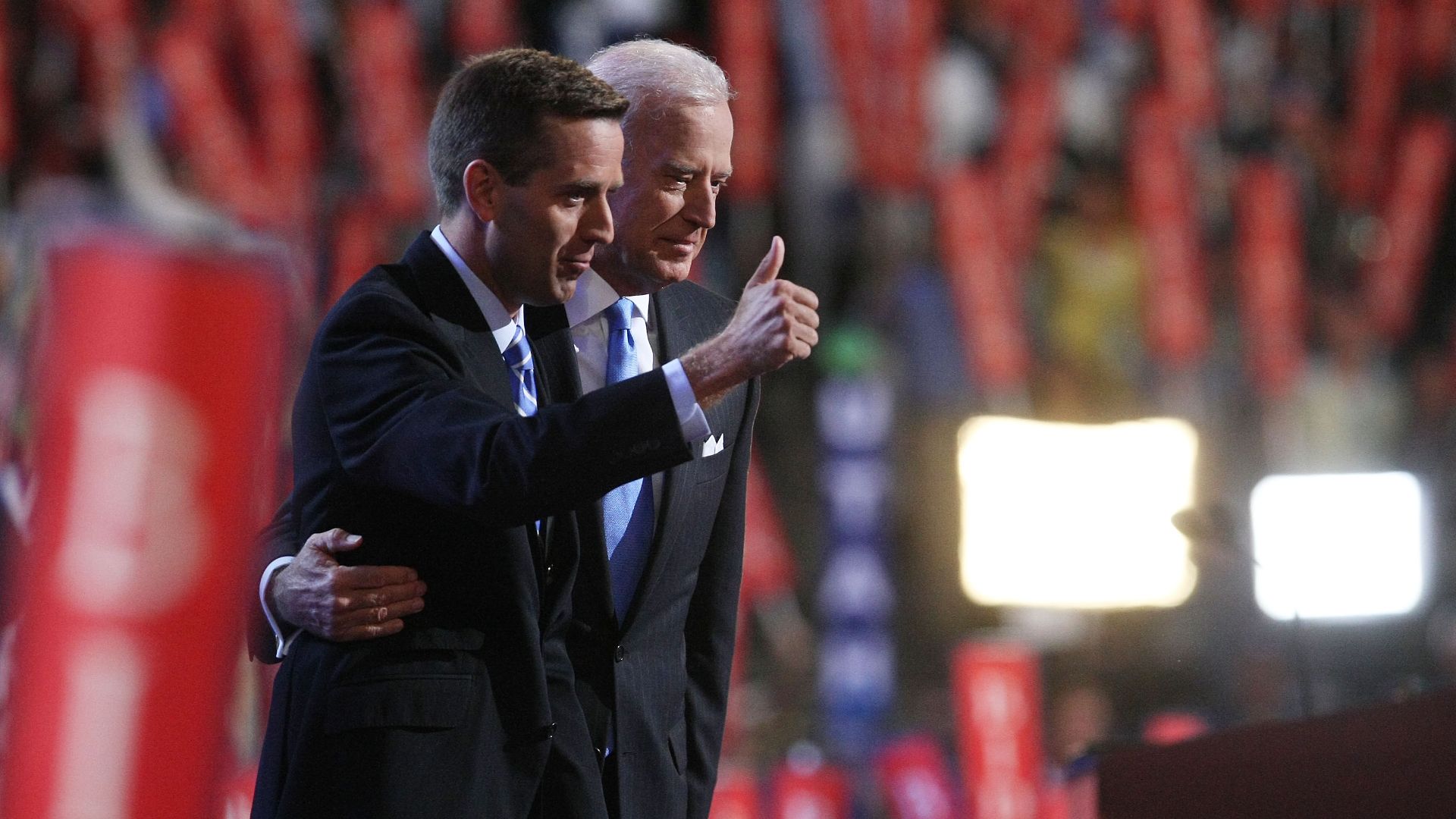
The recordings date back to 2016 and 2017, when author Mark Zwonitzer interviewed Biden while helping write his memoirs, including Promise Me, Dad, which focused on the illness and death of Biden's eldest son, Beau. The recordings remained private until Special Counsel Robert Hur obtained them during his investigation into Biden's handling of classified documents after leaving the vice presidency. Hur ultimately decided not to bring criminal charges, but his report generated intense political controversy after describing Biden as a «well-meaning, elderly man with a poor memory.» That assessment quickly became one of the most debated passages in the investigation and fueled calls from conservative groups and Republican lawmakers to obtain the underlying recordings through the Freedom of Information Act, arguing that the public should be able to evaluate for itself the evidence that shaped Hur's conclusions.
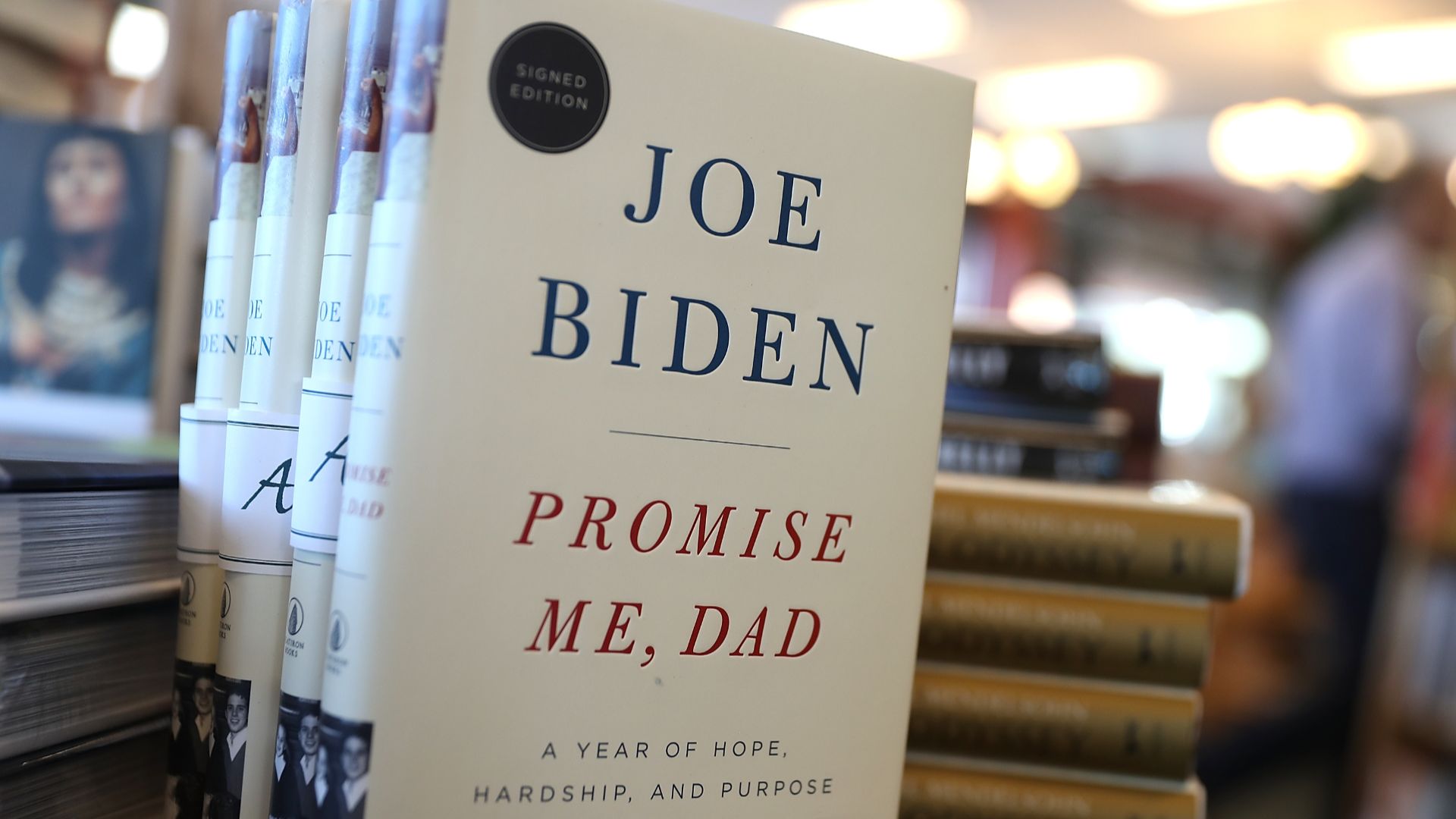
The legal battle intensified after U.S. District Judge Dabney Friedrich ruled in June that the recordings could be released under the Freedom of Information Act. Biden's lawyers immediately appealed the decision, arguing that the interviews were never intended for public distribution. They said the conversations were recorded inside Biden's home while he was speaking openly with the writer helping prepare his memoirs. According to the legal filings, the recordings are comparable to personal journals or private communications rather than official government records. Biden's legal team also stressed that he is now a private citizen and argued that releasing decades-old personal conversations would undermine the privacy protections normally available to individuals, especially when those discussions involve family matters that have no connection to public policy.
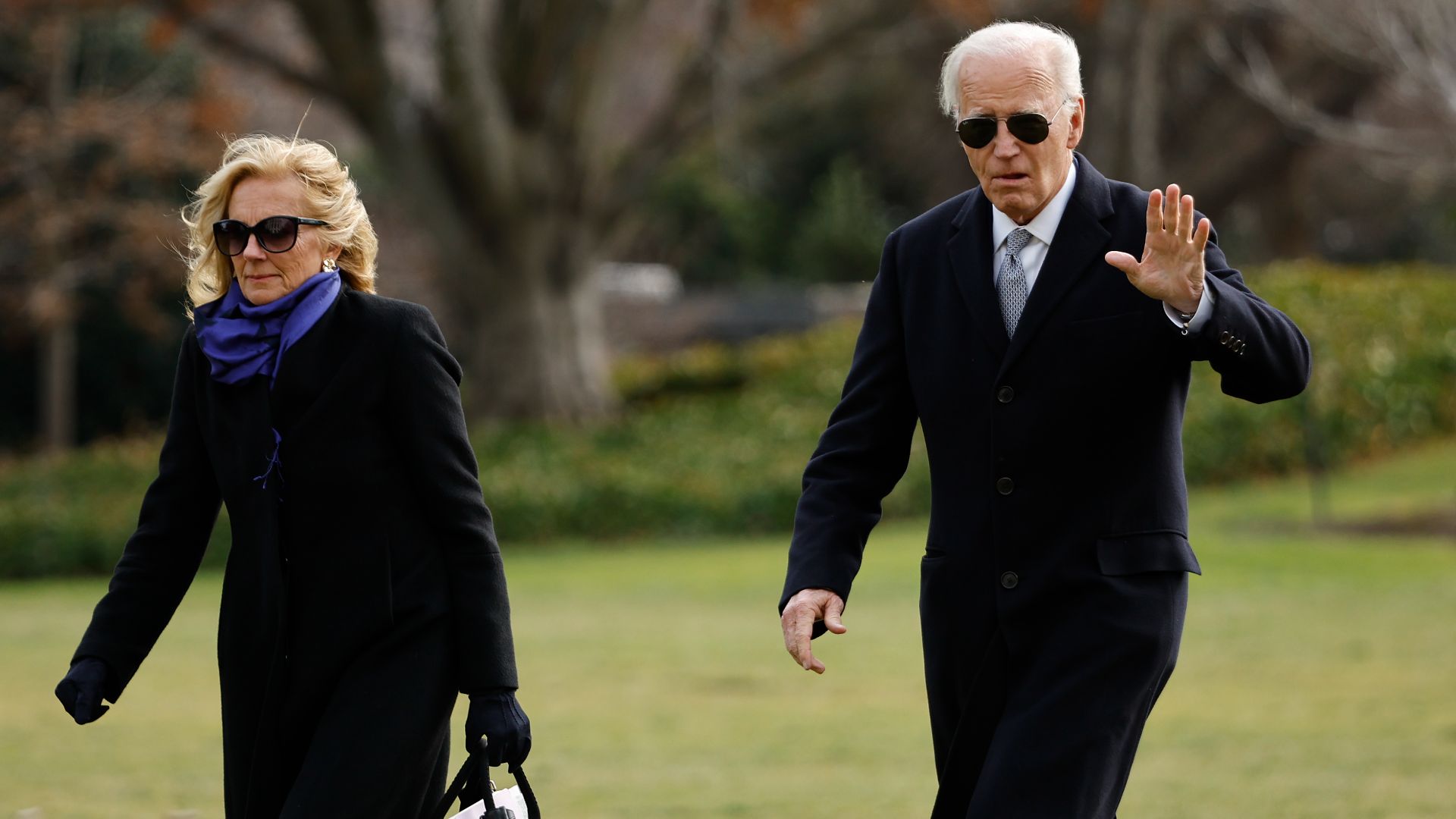
The Department of Justice took the opposite position throughout the case, arguing that the recordings have significant public value because they formed part of the evidence reviewed during Robert Hur's high-profile investigation. Government lawyers maintained that the public has a legitimate interest in hearing the material that helped shape Hur's decision not to seek criminal charges. Conservative organization The Heritage Foundation and several Republican lawmakers also sought access to the recordings through Freedom of Information Act requests, saying Americans should be able to independently evaluate the interviews that supported Hur's findings. The dispute has therefore expanded beyond a simple records request and evolved into a broader debate over government transparency, personal privacy and the public's right to examine evidence connected to one of the most closely watched federal investigations involving a former president.
Aug. 3
Although the appeals court ruled against Biden, the recordings will not be released immediately. The D.C. Circuit suspended enforcement of its decision until Aug. 3, giving Biden's attorneys a final opportunity to seek additional judicial review. His legal team can ask the full D.C. Circuit to reconsider the case or file an emergency application with the U.S. Supreme Court in an effort to prevent disclosure. If neither court intervenes before the deadline, the Department of Justice will proceed with releasing the redacted audio recordings and transcripts to Congress and the public. Biden has not personally commented on the ruling, leaving his legal arguments to be presented entirely through court filings that continue to emphasize the private and deeply personal nature of the conversations, many of which include discussions about his family and the death of his son, Beau Biden.
Created by humans, assisted by AI.
 Trump bought the stocks. Then promoted them. «There's nothing illegal.»
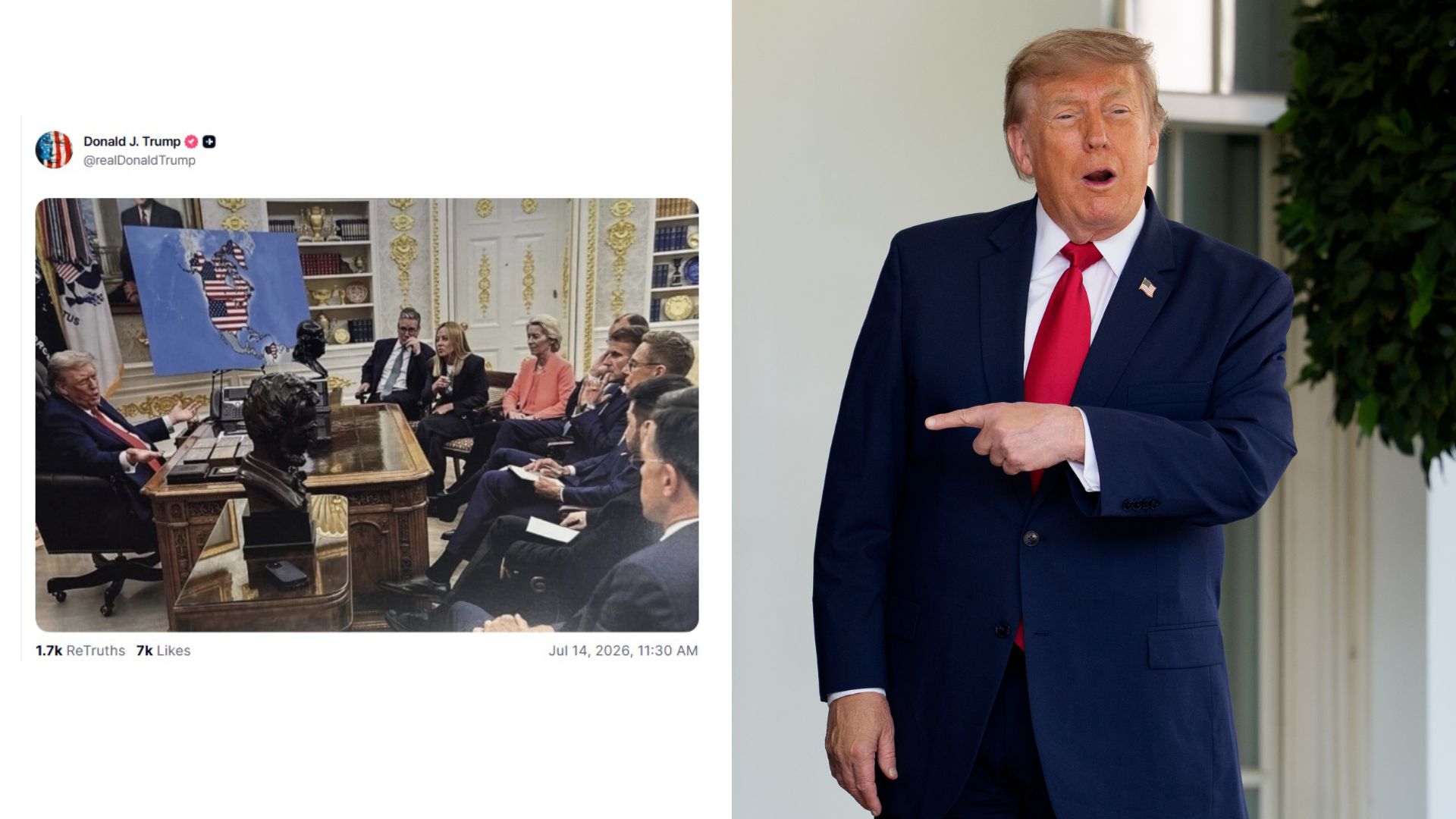 Trump sparks outrage with AI image showing Canada, Greenland, Cuba and Venezuela as US territory