Disney Sues FCC Over ABC Broadcasts, Seeks Restraining Order Against Alleged Retaliation From the Trump Administration


/https%3A%2F%2Fcdn-tor.buminteractif.com%2F2026%2F08%2F18185203%2Fdisney-trump-getty-345345dfgdfg34534sdfgdfg.jpg)
The Walt Disney Company and its subsidiary ABC filed a federal First Amendment lawsuit in Washington, D.C., on Tuesday against the Federal Communications Commission, accusing the agency of carrying out an illegal and politically motivated campaign to punish the network over programming and editorial decisions opposed by the Trump administration. The complaint alleges that the government, acting through the FCC, has increasingly used its regulatory authority against ABC because of what appears on the network. Disney is asking the court for a temporary restraining order and preliminary injunction to halt the FCC's accelerated review of broadcast licenses held by eight ABC-owned television stations. Those licenses ordinarily would not have entered the renewal process until 2028 at the earliest. In its complaint, Disney describes the government's actions as a «retaliatory campaign» that violates constitutional protections against government punishment based on speech.
At the center of the dispute is an unusual FCC order requiring Disney and ABC to seek early renewal of licenses for all eight of the company's television stations, years before their normal renewal dates. The FCC issued that order on April 28 and Disney submitted the applications a month later, on May 28. Broadcast television licenses generally run for eight-year terms, and the FCC itself acknowledged that none of the ABC licenses involved would ordinarily have been due for renewal before 2028. The agency maintains that its rules allow it to demand an early renewal when doing so is necessary for an investigation, pointing to an ongoing examination of whether Disney and ABC violated federal rules prohibiting unlawful discrimination. Disney, however, argues that the extraordinary timing and circumstances surrounding the order reveal a different purpose: placing the company's ability to operate its stations under immediate federal scrutiny while disputes over ABC's programming and editorial decisions remain unresolved.
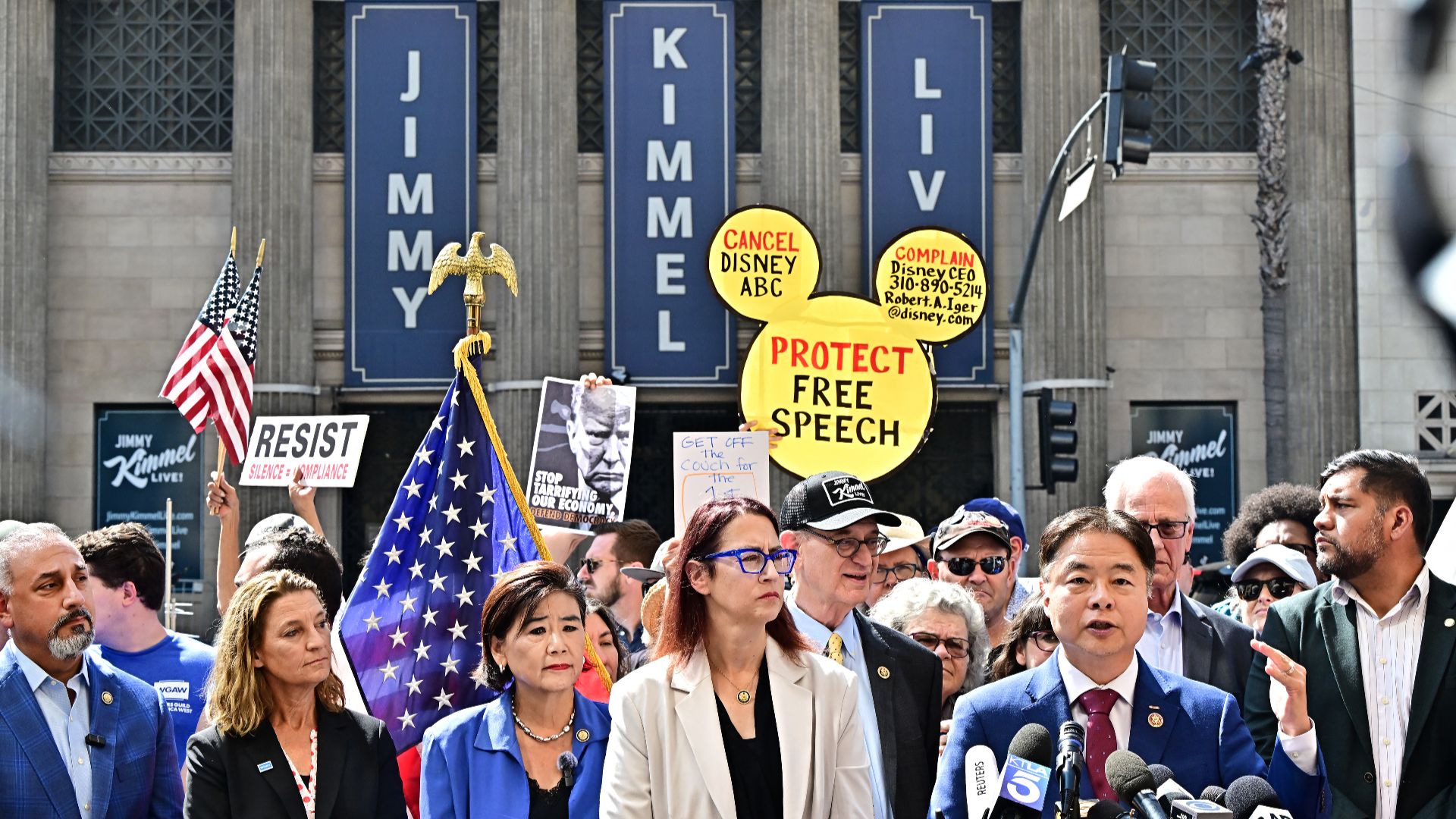
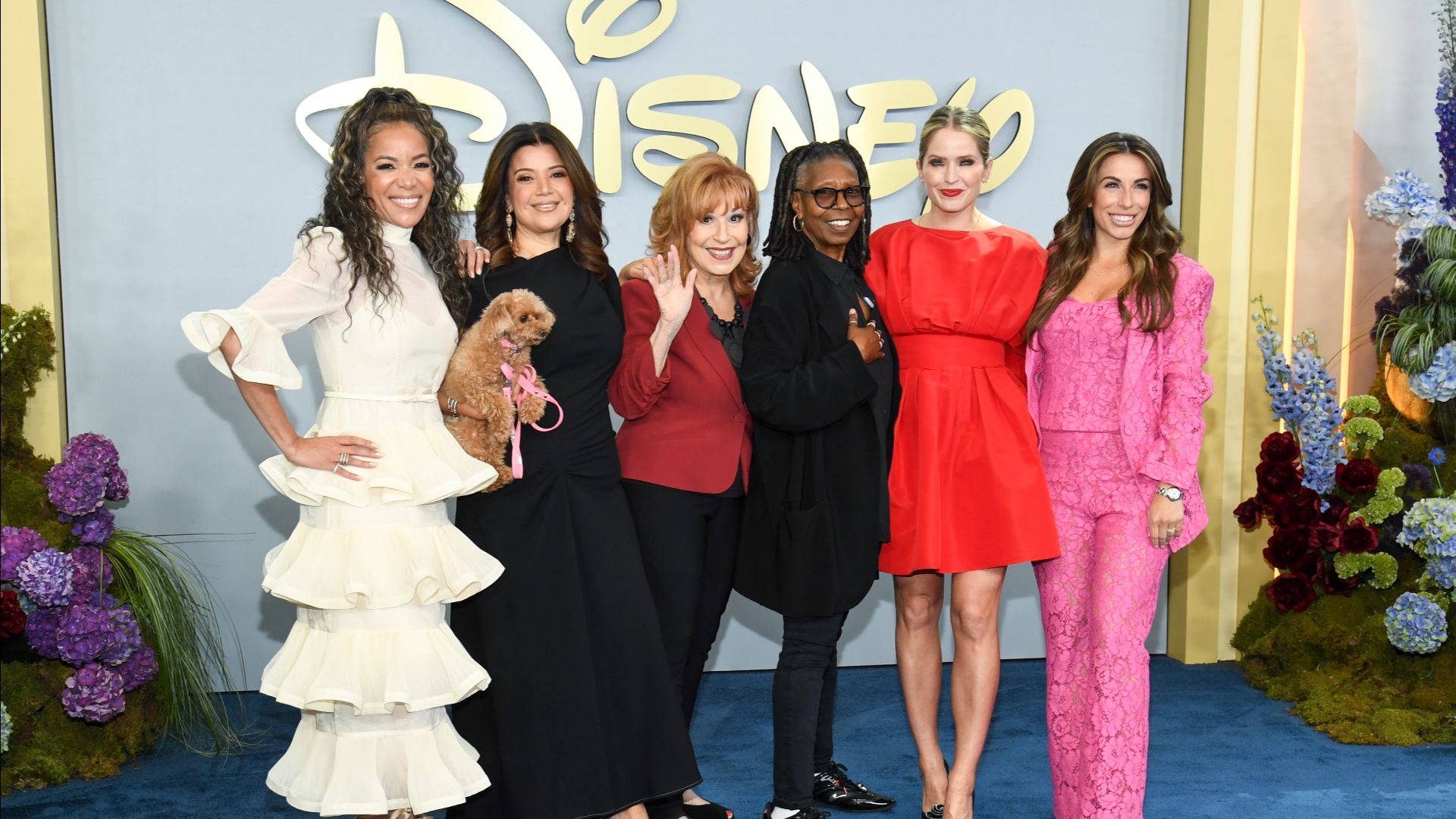
The confrontation developed through a series of regulatory actions that began well before Disney went to court. The FCC revived scrutiny involving ABC shortly after Brendan Carr became chairman in January 2025 and later opened an investigation into Disney's diversity, equity and inclusion practices, examining whether employment policies improperly considered characteristics such as race or gender. The commission also challenged ABC over The View and the application of federal equal-time requirements to appearances by political candidates, raising questions about the program's treatment as a bona fide news program. The conflict intensified sharply in April after Jimmy Kimmel delivered a monologue that angered Trump and prompted the president to publicly demand that Disney and ABC fire the late-night host. The following day, the FCC directed Disney to begin the early license-renewal process. Democratic lawmakers subsequently described that sequence as an extraordinary use of the commission's licensing authority, while Disney now argues that the broader pattern demonstrates regulatory retaliation against constitutionally protected speech.
«Jimmy Kimmel should be immediately fired by Disney and ABC. Thank you for your attention to this matter! President DONALD J. TRUMP»
-U.S. President, Donald Trump on Truth Social
Disney's complaint also presents the FCC's investigations as part of a broader pattern of pressure rather than isolated regulatory disputes. One area of scrutiny involves Disney's diversity, equity and inclusion policies, with the commission examining whether employment practices at the company complied with federal equal-employment requirements. Another dispute has centered on The View and whether the daytime program qualifies for the bona fide news exemption under federal equal-time rules governing appearances by political candidates. Disney argues that these proceedings have provided the FCC with regulatory avenues to intensify scrutiny of ABC while the administration has repeatedly criticized the network's programming. The company's lawsuit maintains that the government cannot use licensing authority or investigations to influence editorial decisions protected by the First Amendment, particularly when broadcasters face the possibility of losing licenses required to operate television stations over the public airwaves.
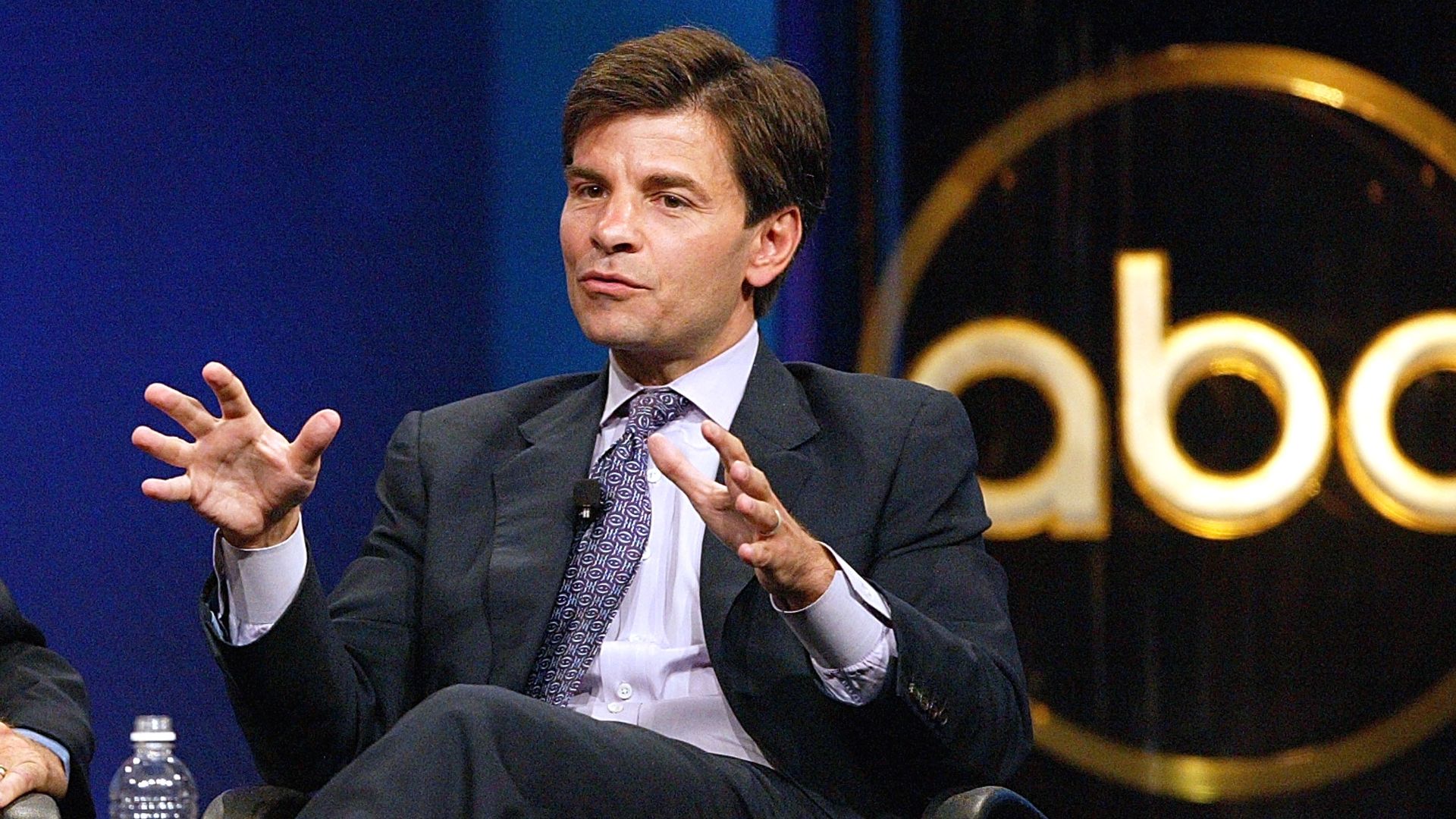
The lawsuit also connects the escalation directly to Trump's public attacks against Jimmy Kimmel and ABC. In April, after Kimmel aired a monologue involving Melania Trump, Trump responded on Truth Social with an extended denunciation of the late-night host and demanded that Disney and ABC remove him from television. «Jimmy Kimmel should be immediately fired by Disney and ABC. Thank you for your attention to this matter! President DONALD J. TRUMP», Trump wrote at the end of the post. Disney argues that the subsequent regulatory pressure cannot be separated from repeated criticism of ABC and its personalities by the administration. The confrontation also follows earlier tensions between Trump and the network, including ABC News' multimillion-dollar settlement of a separate defamation lawsuit brought by Trump over comments made by anchor George Stephanopoulos. Disney's case now asks a federal court to determine whether the government crossed the constitutional boundary between legitimate regulation and retaliation against protected expression.
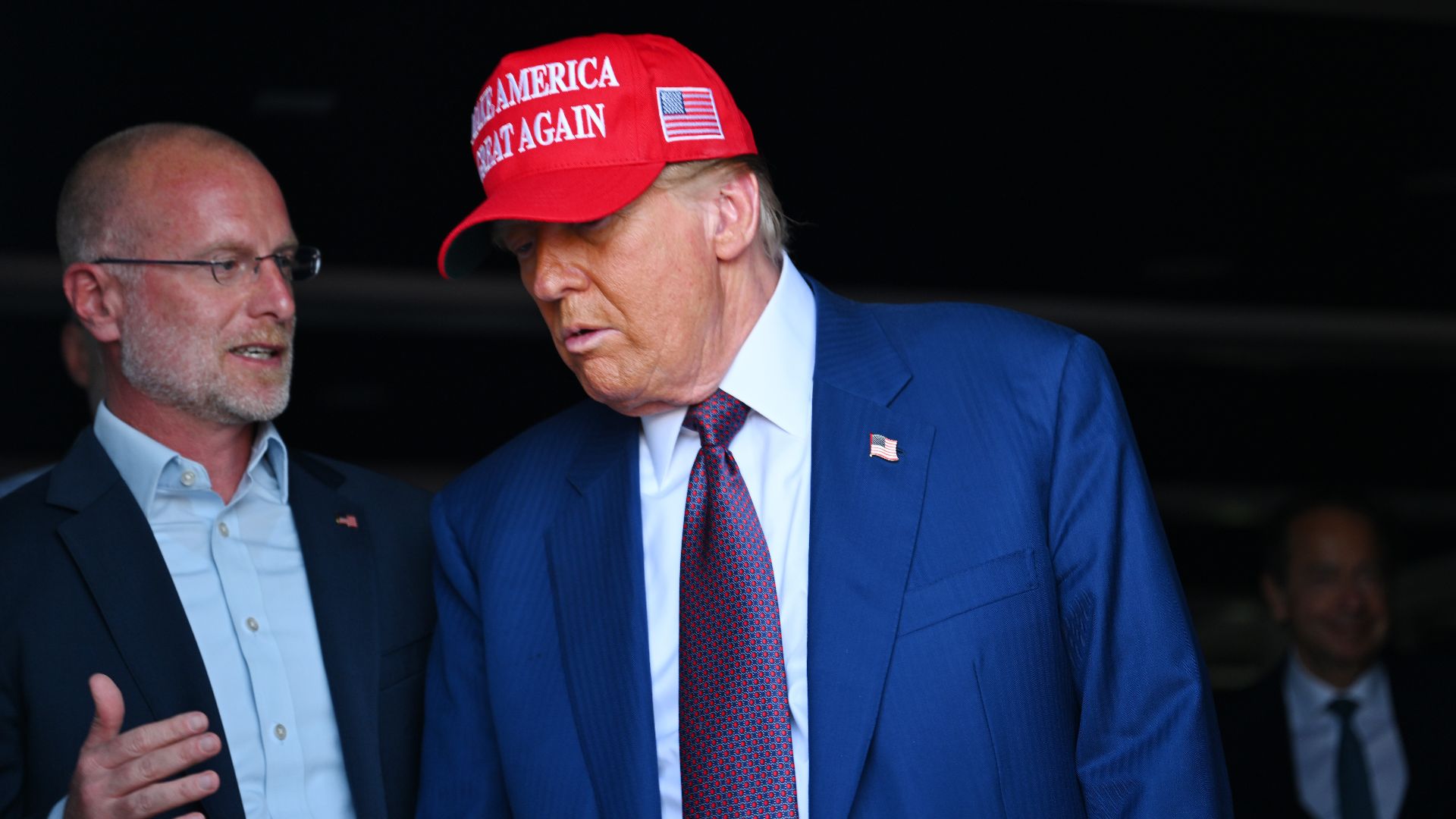
The dispute has also exposed a sharp division inside the FCC over the commission's treatment of broadcasters. Democratic Commissioner Anna Gomez has publicly criticized the agency's actions and supported Disney's decision to challenge them in federal court, describing the government's approach as a «sustained, coordinated campaign of censorship» and an «egregious assault on the First Amendment». Disney argues that the consequences extend beyond ABC because aggressive use of the licensing process could place pressure on other broadcasters to consider possible government retaliation when making editorial decisions. FCC Chairman Brendan Carr, however, has defended the commission's authority to scrutinize companies operating under federal broadcast licenses, while the agency has maintained that broadcasters remain obligated to comply with federal law and serve the public interest. The federal court battle will now determine whether the FCC's actions represent lawful regulatory oversight or unconstitutional retaliation based on ABC's protected speech.
Created by humans, assisted by AI.
 Trump DOJ launches new process to restore gun rights after criminal convictions
 Shoulder-fired missile threat sparks Air Force One security operation, evacuating Trump while top officials stay behind