

/https%3A%2F%2Fcdn-tor.buminteractif.com%2F2026%2F09%2F17171753%2FGettyImages-2295014432.jpg)
Canada is ambitiously pursuing becoming the European Union's first associate member, according to Mark Carney during an overseas trip aimed at deepening ties across the Atlantic. Rumours have been swirling for months that Canada and the EU are debating whether it is feasible for Canada to become the first country outside the European continent to achieve EU member status. Since Canada is geographically located in North America, the country would become an “associate member”, but would still enjoy the benefits allotted to EU member states. While addressing the European Parliament on September 17, in Strasbourg, France, Carney responded to an offer that was made by EU Commission President Ursula von der Leyen.
Yesterday, President von der Leyen spoke of moving beyond CETA to an Alliance for the Future – opening the door to Canada becoming the European Union's first associate member. We welcome this ambition – polling shows an overwhelming majority of Canadians support much closer ties.
Mark Carney
On September 16, 2026, EU Commission President Ursula von der Leyen officially extended an offer to Canada, inviting the North American country to become the EU's first ‘associate member'. The unprecedented offer came after Carney spent the last year travelling across Europe and Oceania, in hopes of forming ties with ‘middle powers' amid Donald Trump's trade war with Canada. Canada's loss of its largest trading partner and free trade agreement has resulted in the country looking elsewhere for meaningful trade ties, and it appears the work has not been in vain, as Canada could become the first non-European country to enter the EU.
According to von der Leyen, Canada and the EU see the world through the same eyes, meaning their values and geopolitical ideologies are in sync amidst global political turmoil. Von der Leyen claimed that Canada and the EU are closely aligned on many big issues, including AI, climate change, and Russia's invasion of Ukraine. While speaking alongside Mark Carney in Strasbourg, von der Leyen claimed that the EU wants to bring its relationship with Canada to the highest possible level, hinting at long-term trade agreements and official partnerships.
“We want to bring the relationship with Canada to the highest level possible. We must urgently reimagine our partnerships. So, I would like to work with [Canada] on opening the door for Canada to be the first associate member of the EU.”
Ursala von der Leyen
Donald Trump threatens EU
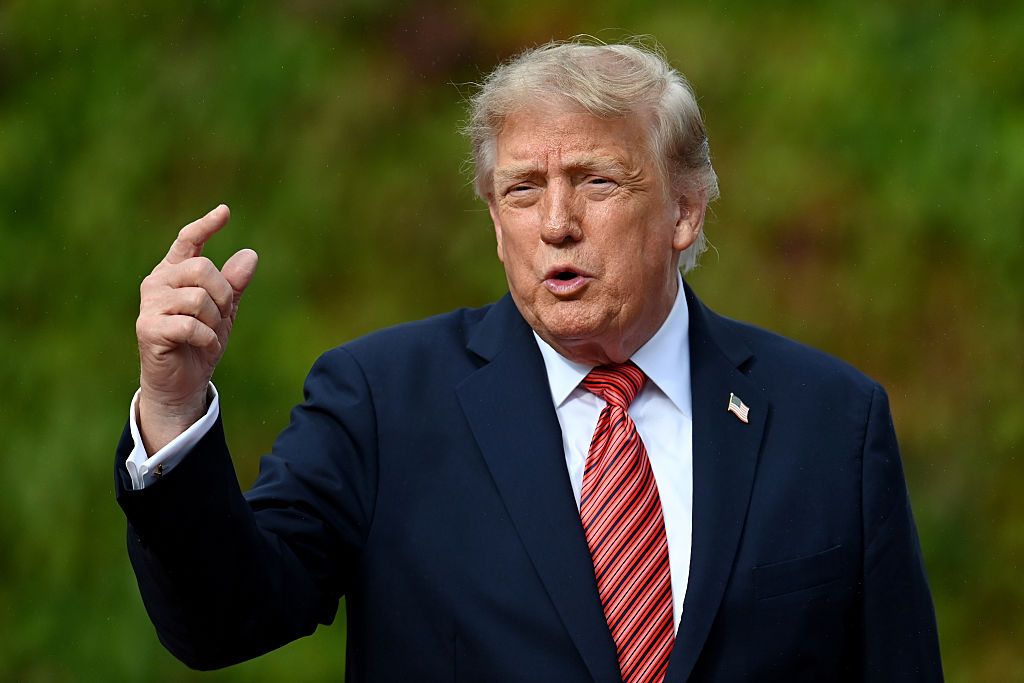
With Canada and Mark Carney openly searching for options to lessen the country's reliance on American trade, Donald Trump responded to the EU and Canada on September 17, threatening to levy tariffs on anything his team could round up. Trump called the idea of Canada joining the EU laughable, and threatened to cut trade ties with the EU. According to Trump, America could easily cut trading ties with the EU, or implement sweeping tariffs that Trump says would cripple the EU's economy. Trump used the opportunity to call Canada a terrible trading partner and to warn the EU against creating ties with the country. Trump said that if he believes that Canada joining the EU is a hostile act against the US, he would impose consequences for both Canada and the European Union.
As is typical of the American President, Trump made sure to backpedal just a little at the end of his speech. After his threatening tirade, Trump said that if he believes the deal between Canada and the EU is done in good faith, he would accept the deal. He bookended that statement by reaffirming that he is ready and willing to impose trade-related consequences on the EU and Canada.
If I think it's at all a hostile act, I will put very serious tariffs or stop trading with Europe on many things.
Donald Trump
Canada and EU countries balking?
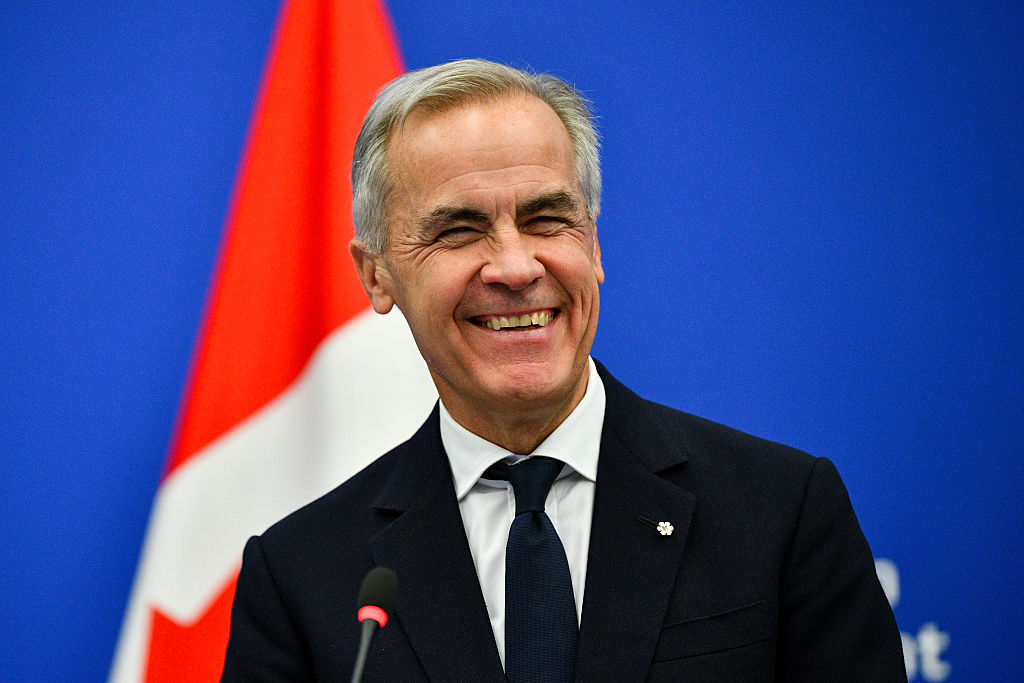
While both Mark Carney and Ursula von der Leyen made Canada's associate membership seem like something that was universally desired by both the EU and Canada, the announcement took both parties by surprise. According to reports from POLITICO, the European Commission president's offer to Canada is creating a diplomatic headache for EU countries. The idea was reportedly not run by European capitals in advance and has caused considerable confusion.
Canadian politicians are also slowly dispelling the fact that Canada will become a member of the EU. Canada's incoming ambassador to the EU, Jonathan Wilkinson, immediately cooled the temperature on the issue. Wilkinson claimed that ‘we aren't there yet' regarding Canada becoming an associate member of the European Union. There is another problem with von der Leyen's offer: nobody is actually sure what ‘associate member' means. The Commission president implied that Canada would essentially be a member, and the term is being used to circumvent EU legislation, but nobody has confirmed the details of what Canada in the EU would look like.
