Second Major Freezer Cyberattack Hits Europe After Similar Incidents at U.S. Military Bases Spark Pentagon Investigation


A second major wave of suspected cyberattacks has struck supermarket refrigeration systems across Europe, sending temperatures inside commercial freezers soaring to as high as 50°C (122°F) and forcing retailers to discard large quantities of spoiled food. The incidents, reported on November 2, 2026, affected stores in at least seven countries, including Belgium, Estonia, Finland, Ireland, Luxembourg, the Netherlands and Sweden. Several supermarket chains confirmed that their refrigeration equipment had been targeted by hackers, while investigations continued into other unexplained malfunctions. The latest disruptions follow a massive cyberattack against hundreds of French supermarkets in October, raising concerns about the vulnerability of food storage infrastructure across the continent. The incidents have also drawn attention to a separate investigation in the United States, where the Pentagon is examining suspicious freezer failures that occurred at military bases in August. Although American investigators are treating those malfunctions as a possible cyberattack, neither hacking nor any connection to the European incidents has been established. The similarities have nevertheless prompted cooperation between military investigators and French authorities.
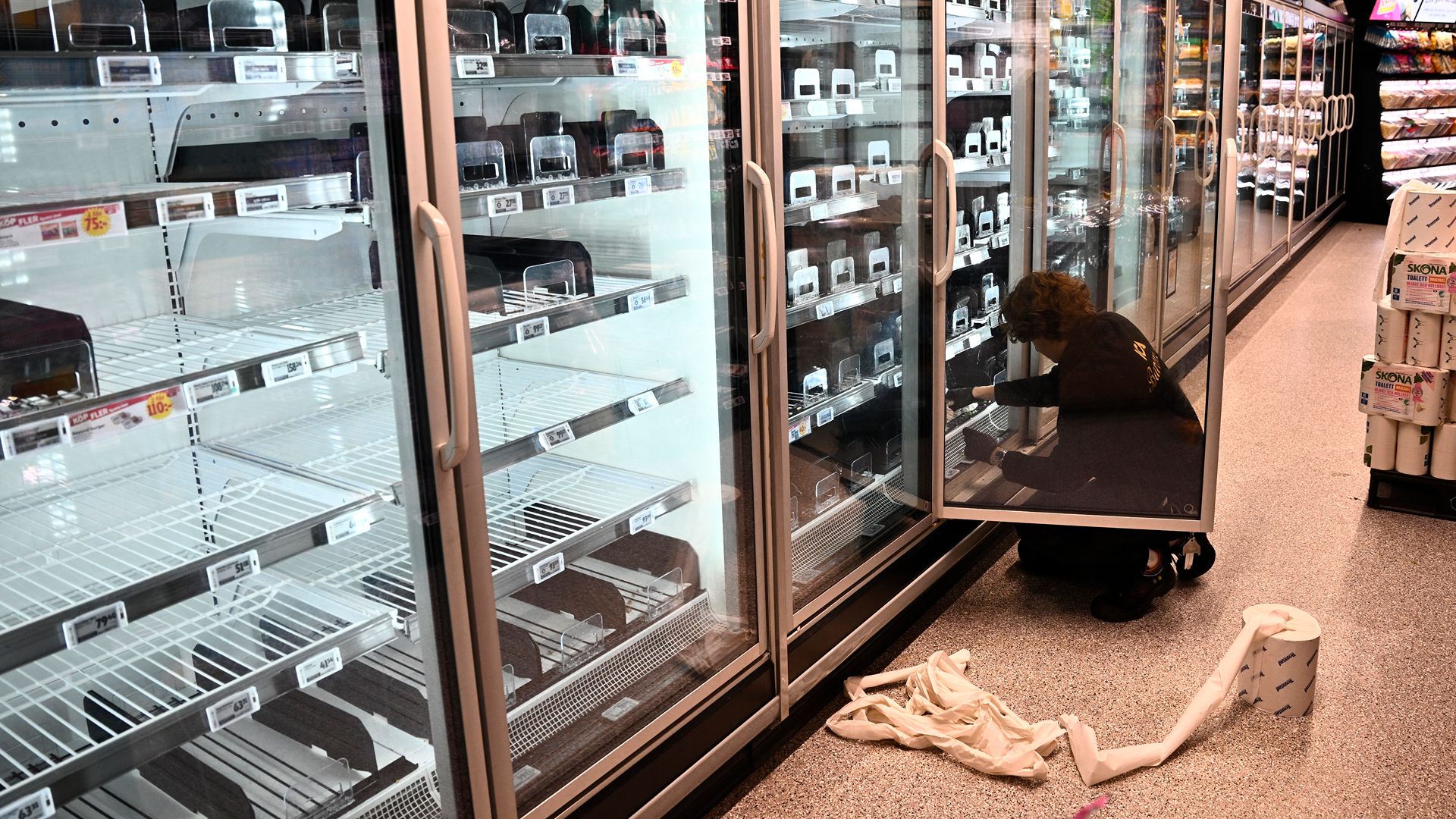
Across Europe, supermarket employees arrived at work on Monday to discover refrigeration units malfunctioning, freezers warming unexpectedly and significant quantities of food no longer safe for sale. In Sweden, retailers including ICA and Coop reported disruptions, with one ICA supermarket in Sjöbo announcing that hackers had raised freezer temperatures to 50°C. In Belgium, affected businesses included Carrefour, Delhaize, Spar and smaller convenience stores, while Ireland's SuperValu confirmed problems at 13 locations. Belgian refrigeration company Sabcobel, which maintains cooling equipment for Delhaize, mobilized emergency crews overnight to contain the damage. Its chief executive, Stephan Moelans, described the response: «We started mobilising technicians at 1am.» He added: «We spent all night and morning disconnecting the affected installations.» Some retailers reported empty refrigerated shelves and substantial food waste, although the extent of damage varied between stores. Ahold Delhaize said its distribution centers continued operating normally, indicating that the disruption primarily affected refrigeration equipment inside individual retail locations rather than the wider delivery network.
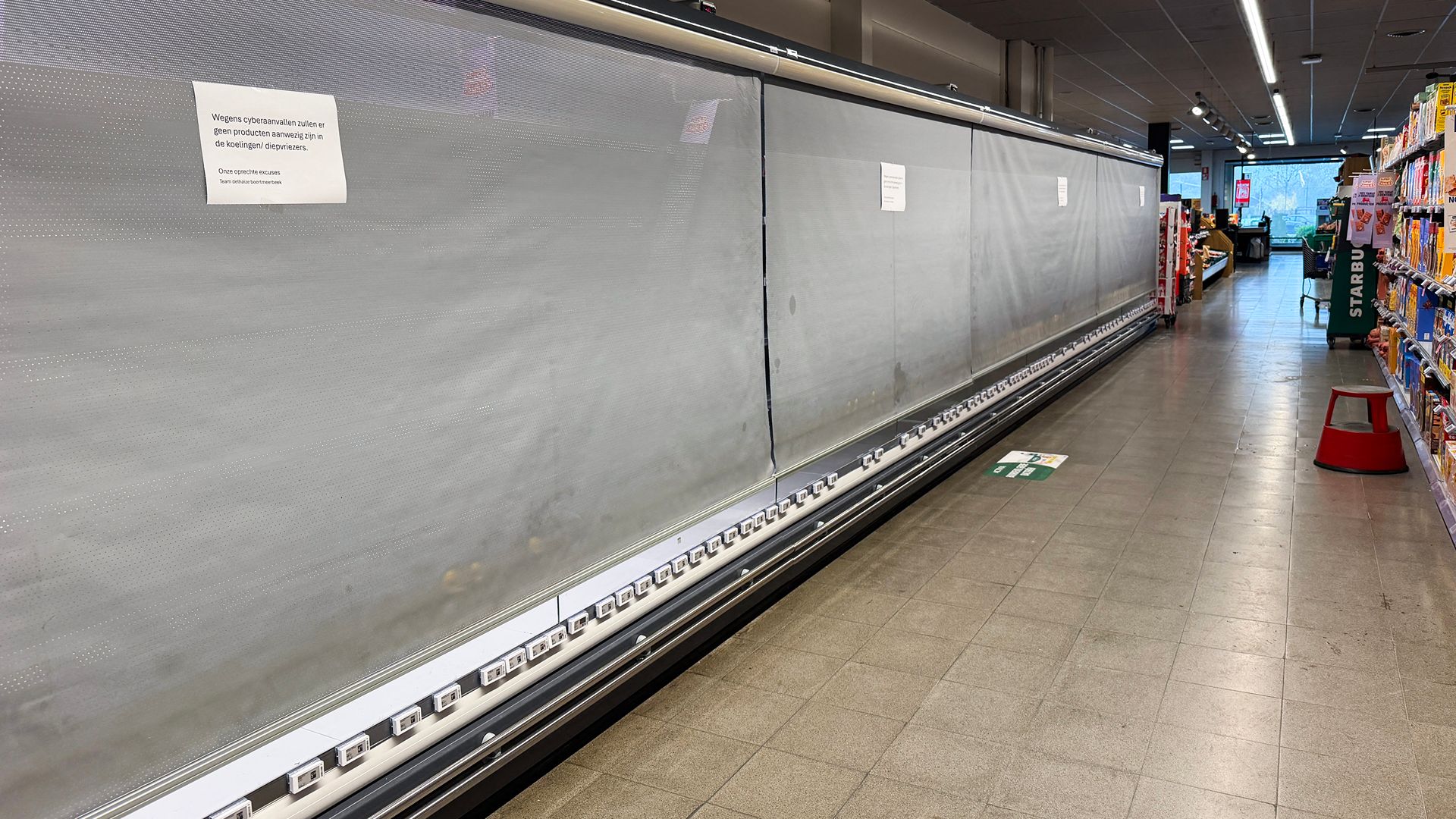
The latest incidents closely resemble an earlier cyberattack that struck as many as 700 supermarkets across France in October, when hackers remotely manipulated refrigeration controllers and caused extensive damage to food supplies. The attackers reportedly exploited internet-connected cooling equipment, changing temperature settings and extending defrost cycles until refrigerators and freezers became dangerously warm. Some systems were pushed from normal freezing temperatures to more than 50°C, while several affected units reportedly caught fire. Major French retailers, including Carrefour, Leclerc, Intermarché, Monoprix and Coopérative U, were among those affected, with food losses estimated in the tens of millions of euros nationwide. Investigations also drew attention to refrigeration controllers manufactured by Danish company Danfoss, some of which were outdated or operating with obsolete software that could leave them vulnerable to unauthorized access. The French incidents demonstrated how ordinary commercial equipment, increasingly connected to the internet for monitoring and maintenance, could become a target for destructive cyberoperations. The recurrence of similar disruptions across Europe has intensified questions about whether retailers have adequately secured the technology responsible for preserving their food supplies.
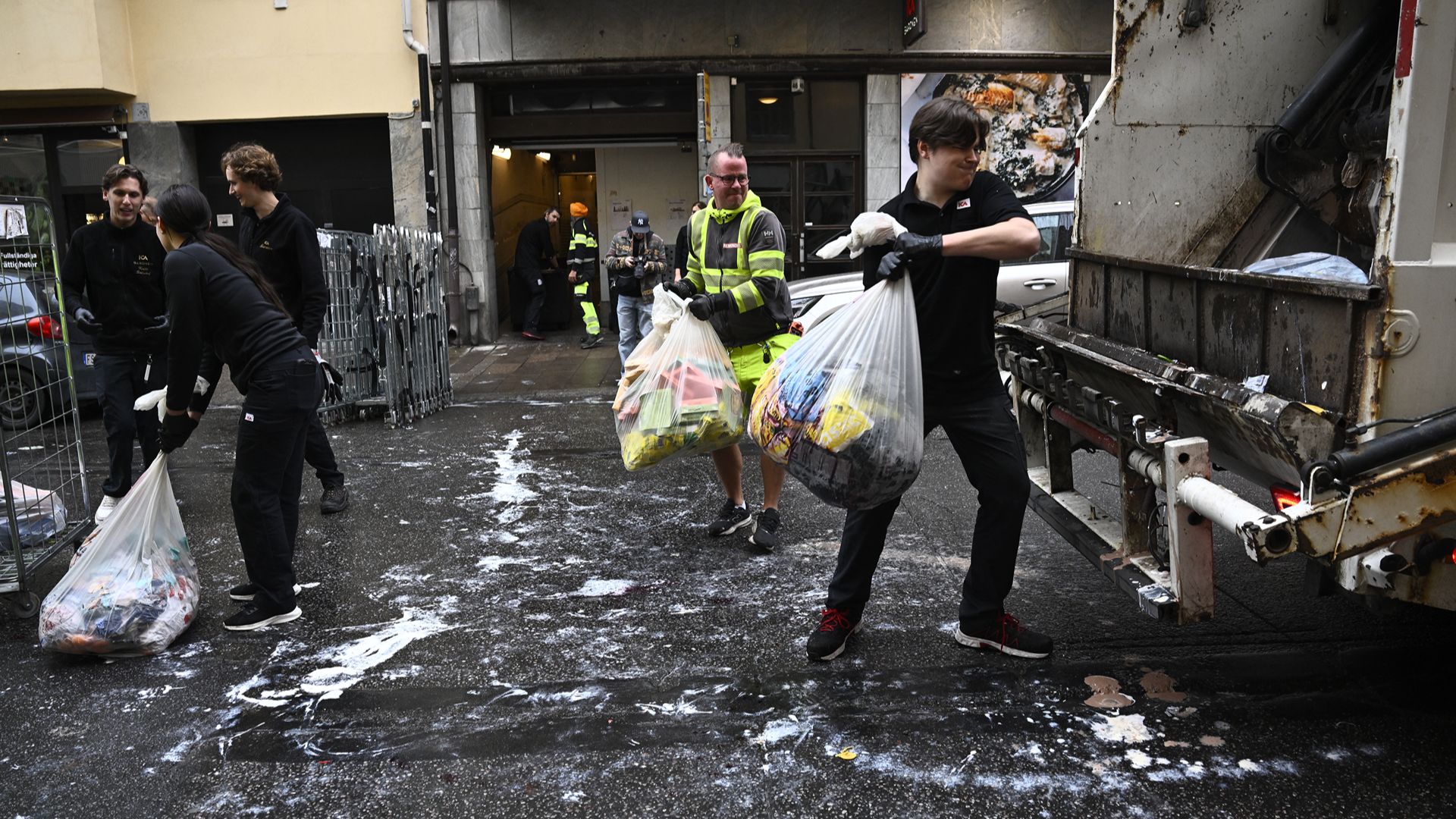
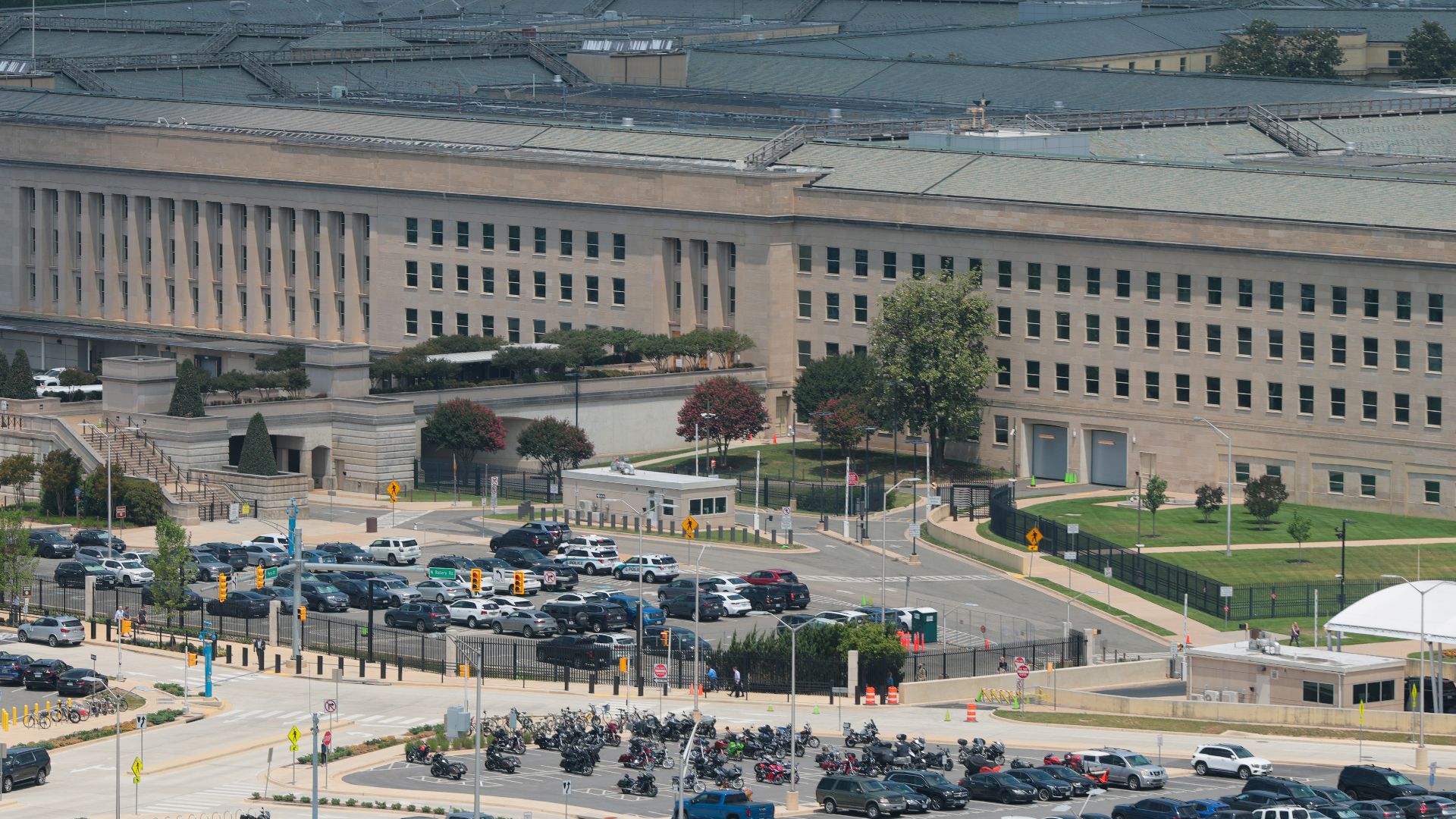
The similarities between the European cyberattacks and a series of unexplained refrigeration failures at American military installations have prompted a separate investigation by the Pentagon. According to an exclusive Reuters report published on October 29, at least six military commissaries across the United States experienced unusual freezer malfunctions in late August 2026, resulting in spoiled food and disrupted operations. At Fort Huachuca, Arizona, officials reported on August 26 that refrigeration equipment had unexpectedly entered defrost mode overnight, raising temperatures and destroying stored products. Unlike the European incidents, however, investigators have not confirmed that the American failures resulted from hacking. Four officials familiar with the investigation told Reuters that the Pentagon was treating the malfunctions as a suspected cyberattack, while military cybersecurity specialists were exchanging information with French authorities investigating the earlier supermarket breaches. Asked about the investigation, the Pentagon confirmed that a unit of U.S. Cyber Command was «working in close coordination with interagency and law enforcement partners.» The Army Criminal Investigation Division also acknowledged its involvement, but neither the cause of the American incidents nor any connection to the European attacks has been established.
European officials have expressed growing concern that repeated attacks against commercial refrigeration systems could threaten food distribution networks and undermine confidence in essential services. European Commissioner for Agriculture Christophe Hansen described the incidents as «a deliberate attempt to disrupt our food supply chain and undermine consumers' confidence in it», emphasizing the broader implications of targeting equipment responsible for preserving food. Cybersecurity specialists have also warned that remotely accessible industrial controllers can provide opportunities for attackers when security updates are neglected or devices remain exposed to the internet. Swedish authorities acknowledged that numerous operational technology systems across the country required improved protection, while investigators in France continued examining vulnerabilities affecting refrigeration equipment. Danish manufacturer Danfoss, whose controllers were among those compromised during the October attacks, previously acknowledged identifying security flaws and recommending updates to customers. Investigators have not publicly identified those responsible for the European incidents, and no evidence has established that a particular government directed the attacks. Nevertheless, the absence of reported ransom demands has led some cybersecurity experts to consider whether disruption and destruction, rather than financial extortion, could have been the attackers' principal objectives.
We spent all night and morning disconnecting the affected installations.
The repeated incidents highlight a growing vulnerability in critical infrastructure as equipment originally designed for local operation becomes increasingly connected to the internet. Supermarket refrigerators, industrial cooling systems and food storage facilities now frequently rely on remotely managed controllers, allowing businesses to monitor temperatures and maintain equipment more efficiently. Those same connections can create security risks when unauthorized users gain access to control systems capable of changing temperatures, activating defrost cycles or shutting down refrigeration entirely. The consequences extend beyond technical failures: spoiled food can result in substantial financial losses, force temporary store closures and interrupt the availability of essential products. Bill Moore, chief executive of industrial cybersecurity company Xona Systems, warned that compromising refrigeration equipment «can definitely disrupt the supply chain for food.» The Pentagon's ongoing investigation adds another dimension to those concerns because military commissaries also depend on reliable food storage, even though cyber sabotage has not been established in the American cases. With European investigators still searching for those responsible and U.S. authorities examining the unexplained failures, the incidents underscore the importance of protecting industrial systems whose vulnerabilities can produce immediate consequences in the physical world.
Created by humans, assisted by AI.
Share this post

Popular posts
-

Electro pioneer Juan Atkins dead at 64
-

The Woman Who Made The World Believe She Biked Around It
-

Man orders Captain Morgan and Coke at Las Vegas casino. Then the drinks girl charges him $10: ‘I’m not paying that’
-

Celebrities are constantly shown wearing wired headphones in public. There’s a chilling theory why