Trump Faces Shocking Never-Seen-Before Midterm Numbers as 82% Disapprove on Cost of Living


/https%3A%2F%2Fcdn-tor.buminteractif.com%2F2026%2F10%2F02153147%2Ftrump-midterms-getty-345234fsdf42342.jpg)
Donald Trump is experiencing a historic collapse in public approval as the November 3 midterm elections approach, with voter frustration over the cost of living and the continuing war with Iran pushing several measures of his presidency to extraordinary lows. The most striking number comes from a new AP-NORC poll showing that 82% of U.S. adults disapprove of Trump's handling of the cost of living, compared with only 17% who approve — a level of agreement against a president's performance on a major issue rarely seen in modern polling. Other surveys have simultaneously placed Trump's overall approval near the lowest point of either of his presidential terms. Trump, however, has rejected the increasingly negative numbers. When TIME confronted him about his polling, he responded: «They're fake numbers. I would beat anybody running today by 20 points. Your numbers that you have are fake. The pollsters are corrupt. They're almost as corrupt as the writers.»
The 82% figure comes from an AP-NORC survey conducted September 24 through September 28 among 2,140 U.S. adults, and the broader findings show that affordability has become an especially difficult issue for Trump. Sixty-five percent of respondents said higher-than-usual prices are the result of his policies, while 69% said his handling of the cost of living has been worse than they expected during his second term. That dissatisfaction has also reached Republicans: 52% of GOP respondents said Trump's performance on the issue has fallen short of what they expected, although Republicans were considerably more likely than the public overall to blame high prices on factors outside the President's control. Economic pessimism extends beyond a single question. AP-NORC found that 73% disapprove of Trump's handling of the economy, while 73% also believe the country is moving in the wrong direction. The same poll found 71% disapprove of his handling of Iran, with 69% saying the war has not been worth fighting.
«They're fake numbers. I would beat anybody running today by 20 points. Your numbers that you have are fake. The pollsters are corrupt. They're almost as corrupt as the writers.»
-U.S. President, Donald Trump
The AP-NORC findings are not appearing in isolation as Republicans prepare to defend their congressional majorities in November. A September CNN/SSRS poll put Trump's overall approval at 33% and disapproval at 67%, his lowest overall rating across either of his terms in CNN polling. The economic numbers were even weaker: only 27% approved of his handling of the economy, while his approval on inflation stood at just 20%. CNN's survey also found a significant intensity gap, with 51% of Americans saying they strongly disapproved of Trump's overall performance compared with 13% who strongly approved. On the generic congressional ballot, 49% of registered voters in that poll supported the Democratic candidate in their district while 41% backed the Republican candidate. Those figures do not determine how individual House and Senate races will unfold, but they illustrate the difficult national political environment confronting Republicans as voters prepare to decide control of Congress.
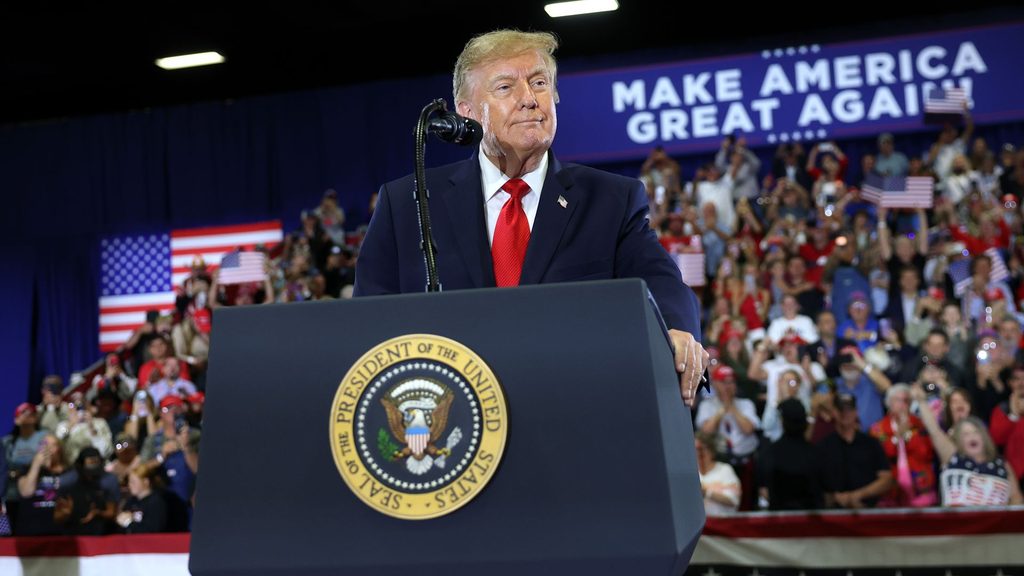
The depth of Trump's current difficulties becomes clearer when his standing is compared with presidents who entered previous midterm elections deeply unpopular. George W. Bush faced severe public dissatisfaction in 2006 amid the Iraq War, while Harry Truman entered the 1946 midterms with approval below 40% as Americans confronted postwar inflation and economic disruption. Both presidents subsequently saw their parties suffer major congressional losses, although historical comparisons cannot determine what voters will do in 2026. More recent polling analysis underscores how unusual Trump's position has become: CNN reported in late September that his approval was significantly lower than that of Bill Clinton in 1994, Bush in 2006, Barack Obama in 2010, Trump himself in 2018 and Joe Biden in 2022 at comparable points before their midterm elections. Another CNN analysis found that roughly half of Americans strongly disapproved of Trump, exceeding the comparable pre-midterm levels recorded for other recent presidents.
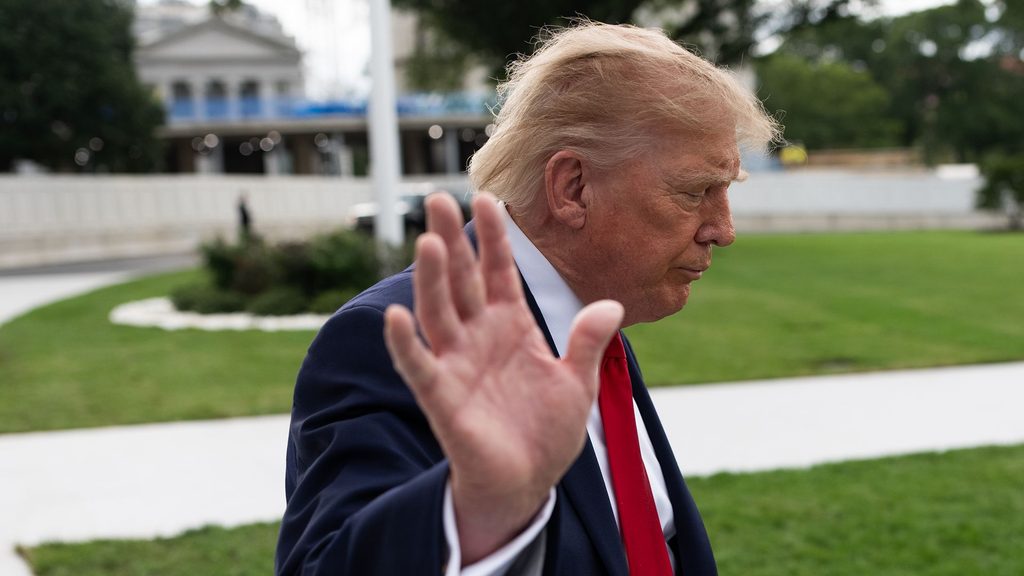
Much of that dissatisfaction is being driven by issues voters encounter directly in their daily lives. The AP-NORC survey found that 65% of Americans blame Trump's policies for higher-than-usual prices, while 69% say his handling of the cost of living has been worse than they expected. The discontent also reaches into his own party: 52% of Republicans said his performance on affordability had fallen short of their expectations, even though Republican voters were considerably more likely to attribute elevated prices to circumstances outside Trump's control. At the same time, the seven-month war with Iran has created another source of dissatisfaction. Seventy-one percent disapprove of Trump's handling of Iran and 69% say the war has not been worth fighting. Those pressures converge on an issue particularly important before the midterms: whether Americans believe their economic circumstances have improved since Trump returned to office. More than half told AP-NORC that both the national economy and their local economy are worse than when Trump was reelected.
«I'm doing very well. I think I am.»
-U.S. President, Donald Trump
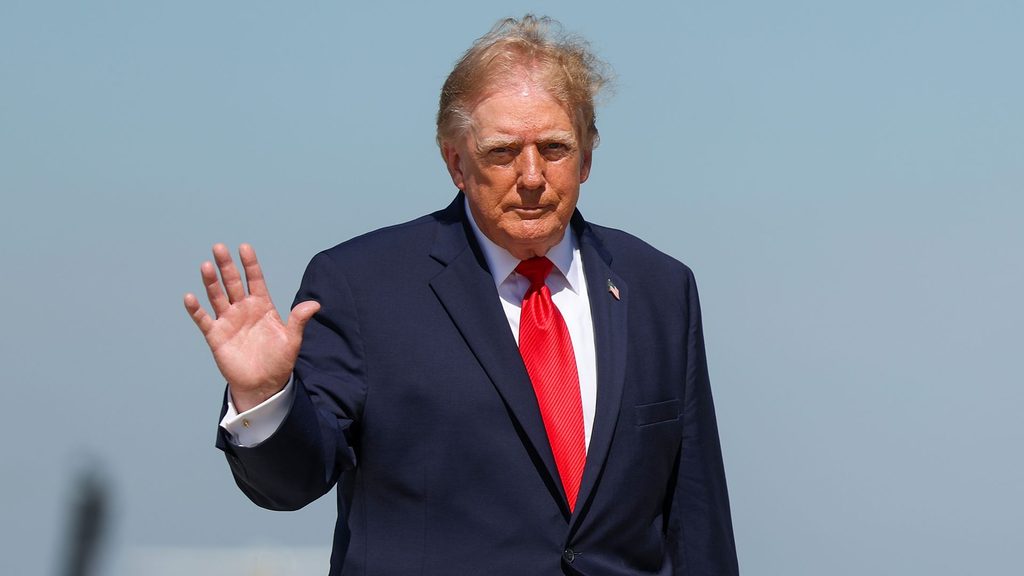
Trump has responded to the deteriorating political numbers by rejecting the picture presented by national surveys and insisting that his economic record is considerably stronger than they suggest. After TIME asked whether his own pollsters were giving him similarly negative results, Trump instead pointed to longtime pollster John McLaughlin and defended his performance: «My own? No. I'll tell you what. I heard John McLaughlin told me they are much higher than the numbers. I don't ask him. I'm not running, but they said John McLaughlin is a good pollster. See, I'm doing very well. I think I am. Look, we have the strongest economy. We have the strongest industrial economy. Everybody said you'd never have jobs, and you'd never have you know manufacturing jobs. We got more manufacturing jobs coming online than at any time in the history of our country.» Trump went on to credit tariffs with encouraging companies to build domestically, creating a sharp contrast between his assessment of the economy and surveys showing widespread dissatisfaction with affordability just weeks before the midterms.
Created by humans, assisted by AI.
 Renee Good's family sues Trump administration over controversial ICE killing that sparked nationwide outrage
 Trump plans 17,500 refugee admissions for 2027 — with most spots going to white South Africans