Trump Ally Flávio Bolsonaro Wins First Round of Brazil’s Presidential Election, Will Face Lula in Runoff


/https%3A%2F%2Fcdn-tor.buminteractif.com%2F2026%2F10%2F05165712%2Fbrazil-getty3453453hfghfgh.jpg)
In Brazil's October 4 first-round presidential election, right-wing Senator Flávio Bolsonaro delivered a stronger-than-expected performance, securing 47.03% of valid votes and finishing ahead of leftist incumbent Luiz Inácio Lula da Silva, who received 45.16%. Bolsonaro collected more than 56.1 million votes, compared with approximately 53.9 million for Lula, giving the challenger a first-round advantage of roughly 2.2 million votes. The result was particularly significant because Bolsonaro entered election day behind Lula in several final polls, only to emerge in first place as the ballots were counted. Still, his first-round victory was not enough to secure the presidency. Under Brazil's electoral system, a presidential candidate must receive more than half of the valid votes to win outright. With neither Bolsonaro nor Lula crossing that threshold, Brazil's Superior Electoral Court confirmed that the two candidates will face each other directly in a second-round election on October 25.
The runoff now gives Bolsonaro and Lula three weeks to reshape a race that has narrowed from a crowded presidential field to a direct choice between two sharply different political projects. Brazilians will return to the polls on Sunday, October 25, with voting again taking place nationwide, and the candidate who receives the greater number of valid votes in that head-to-head contest will become Brazil's next president. The winner is scheduled to take office on January 5, 2027. The immediate battle will therefore focus heavily on voters who supported candidates eliminated in the first round, whose combined support exceeds the relatively small gap separating Bolsonaro and Lula. Bolsonaro celebrated his unexpected lead as evidence of demand for political change. «I couldn't be more pleased to see that Brazil wants change,» he said after the results. Lula, meanwhile, acknowledged that the outcome had surprised him after expecting a stronger showing. «I confess to you that I was convinced I was going to win the election in the first round,» he told supporters before turning his attention toward the second-round campaign.
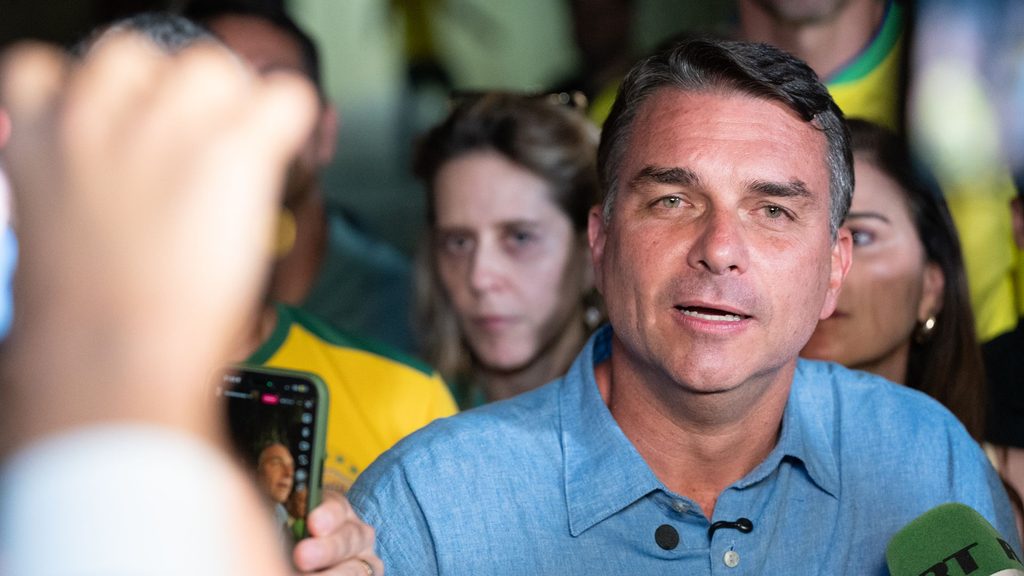
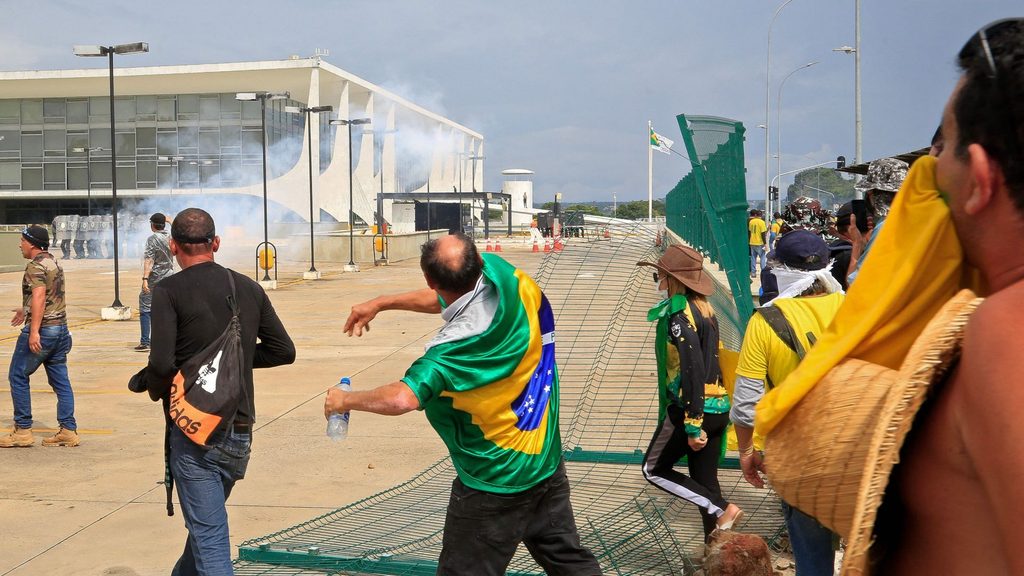
Behind Flávio Bolsonaro's candidacy stands the extraordinary political legacy of his father, Jair Bolsonaro, whose own confrontation with Lula after the 2022 election fundamentally reshaped Brazilian politics. The former president was defeated by Lula in that contest and was later convicted over a plot to remain in power and overturn the democratic transfer of authority, receiving a 27-year prison sentence. His son, now attempting to return the Bolsonaro movement to the presidency, has made his father's fate an important part of his campaign and has pledged to seek his release. Flávio has also cultivated ties with Donald Trump and positioned himself in closer alignment with Washington than Lula, adding an international dimension to the runoff. After finishing first on Sunday, however, Bolsonaro focused his public message primarily on domestic political change, declaring, «It is the end of the PT era,» in reference to Lula's Workers' Party. The October 25 vote will therefore determine not only whether Lula secures another term, but whether the Bolsonaro political movement returns to the presidency through a new generation of the family.
«I confess to you that I was convinced I was going to win the election in the first round.»
-Luiz Inácio Lula da Silva
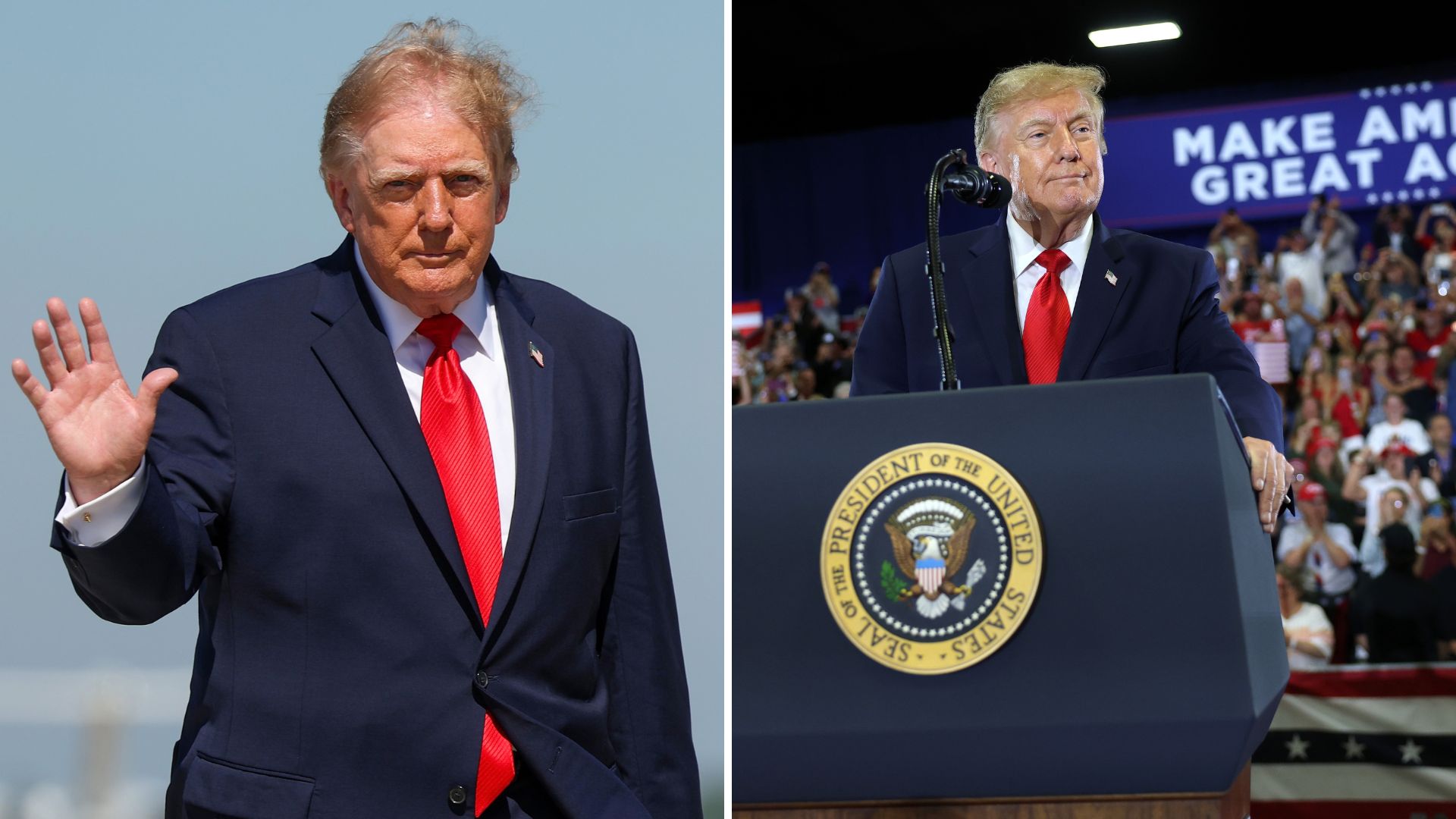
The Bolsonaro family's relationship with Trump will also remain a major issue during the three-week runoff campaign. Lula and his allies have repeatedly accused Washington of applying political pressure on Brazil in ways that benefited the Bolsonaro movement, an allegation that the Trump administration has rejected. Those tensions predate the current election: Trump previously imposed steep tariffs on Brazilian imports while openly criticizing the prosecution of Jair Bolsonaro, an intervention that connected U.S. trade policy to one of Brazil's most divisive domestic political disputes. Flávio Bolsonaro has meanwhile cultivated his own relationship with Trump and visited Washington as his presidential campaign took shape, reinforcing the perception that the two political movements are closely aligned. The international dimension became significant enough that analysts were already questioning before Sunday's vote whether perceived American pressure would strengthen Bolsonaro or instead produce a nationalist backlash benefiting Lula. Trump, however, stopped short of issuing a formal endorsement of Flávio before the first round.
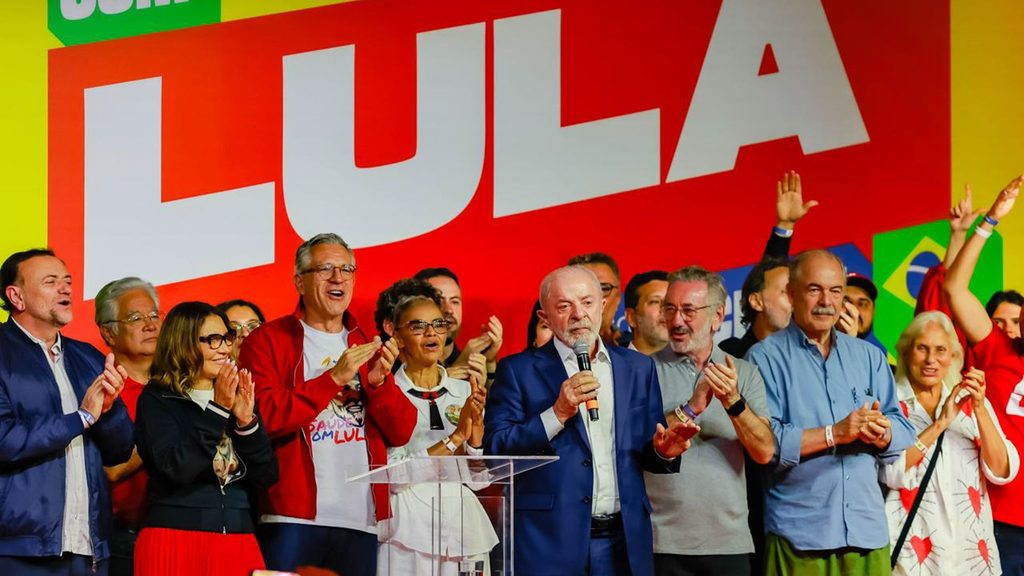
For Lula, the next three weeks offer an opportunity to reset a campaign that entered election day expecting a considerably stronger result. The 80-year-old president is seeking what would be a historic fourth term, but he must now overcome the roughly 2.2-million-vote advantage Bolsonaro established in the opening round. Lula has sought to frame the contest around democracy, sovereignty and the preservation of Brazil's institutions, while Bolsonaro has emphasized violent crime, public security and a harder-line approach to criminal organizations. Those competing messages will become even more important now that the smaller candidates have been eliminated and their voters are suddenly central to both campaigns. Lula attempted to project confidence despite acknowledging his surprise at Sunday's outcome, turning to a soccer metaphor as he prepared supporters for another three weeks of campaigning. «The game is about to start. We are in extra time. In extra time, we will win over the Brazilian people,» he said, signaling that his campaign intends to treat the runoff as an entirely new contest rather than an extension of the first round.
«I couldn't be more pleased to see that Brazil wants change.»
-Flávio Bolsonaro
The October 25 runoff will consequently become a direct confrontation between two political forces that have dominated Brazil's recent history. Lula defeated Jair Bolsonaro in 2022, while the former president was subsequently convicted for attempting to overturn that result; four years later, his son has now finished ahead of Lula in the first round and placed the Bolsonaro movement within one election of returning to the presidency. The contest also arrives amid deep concerns among Brazilian voters over crime, household finances and the country's political polarization. Analysts have described Flávio as having inherited much of his father's political base, while Lula continues to rely on the Workers' Party coalition that has repeatedly returned him to national power. With neither side able to claim the presidency on October 4, millions of Brazilians will now vote again on October 25. This time there will be only two choices on the presidential ballot — Lula or Flávio Bolsonaro — and whoever receives more valid votes will win the presidency.
Created by humans, assisted by AI.
 Trump faces shocking never-seen-before midterm numbers as 82% disapprove on cost of living
 Days after Trump welcomes Xi, months-long China-linked campaign targeting US AI and military tech exposed