Ukrainian Strikes on Russian Data Centers Spark Claims of Declining MAGA, AfD and Alberta Separatist Bot Activity


/https%3A%2F%2Fcdn-tor.buminteractif.com%2F2026%2F10%2F13144431%2Fzelensky-urkaine-getty-234523423dfgd.jpg)
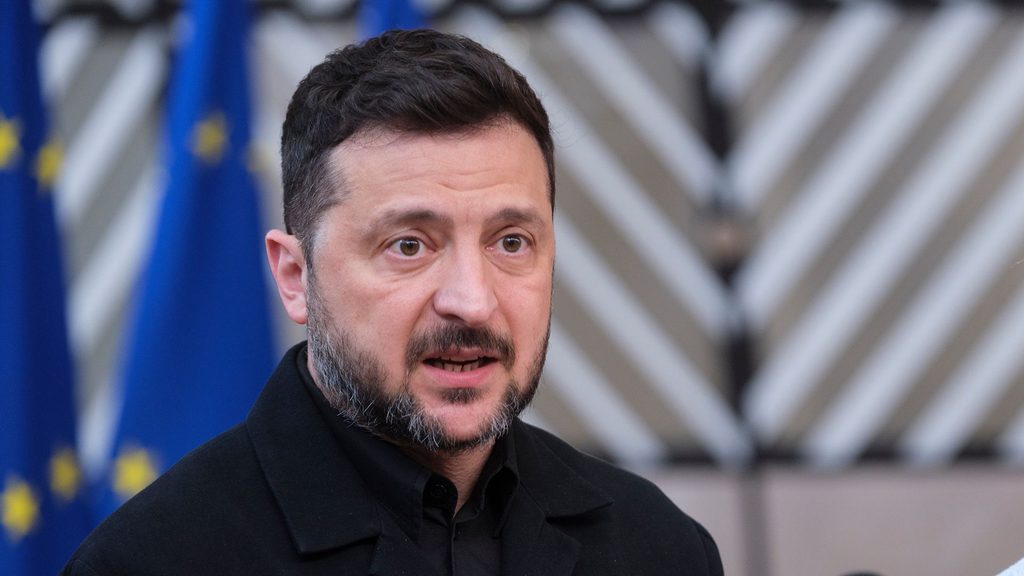
Ukrainian President Volodymyr Zelenskyy has sparked an international debate after suggesting that Ukrainian drone strikes against Russian technology giant Yandex may have significantly reduced the presence of Russian bots spreading hostility, division and political provocations across social media. Speaking remotely at the Warsaw Security Forum on Monday, October 12, 2026, Zelenskyy connected the apparent decline in suspicious online activity to recent Ukrainian attacks on Russian data centers, suggesting that the disruptions had exposed the possible origins of coordinated digital influence campaigns. «When we started responding to Russia's operation against our data centres and when our strikes reached Yandex data centres, it suddenly became a little easier to breathe on many social media platforms,» Zelenskyy said. «A lot of people, a lot of people noticed it, and there was less hate, less division and fewer provocations because there were fewer bots.» He continued, «And it's pretty clear where those bots were coming from,» before adding, «If they disappeared when Yandex went offline, this proves again and again that Europe is not the source of the problems.» His remarks followed a wave of online speculation concerning a purported decline in automated accounts associated with Donald Trump's MAGA movement, Germany's Alternative for Germany (AfD) party, Britain's Reform UK and Alberta's separatist movement in Canada. However, no independently verified evidence has established that these political accounts were disrupted by the strikes.
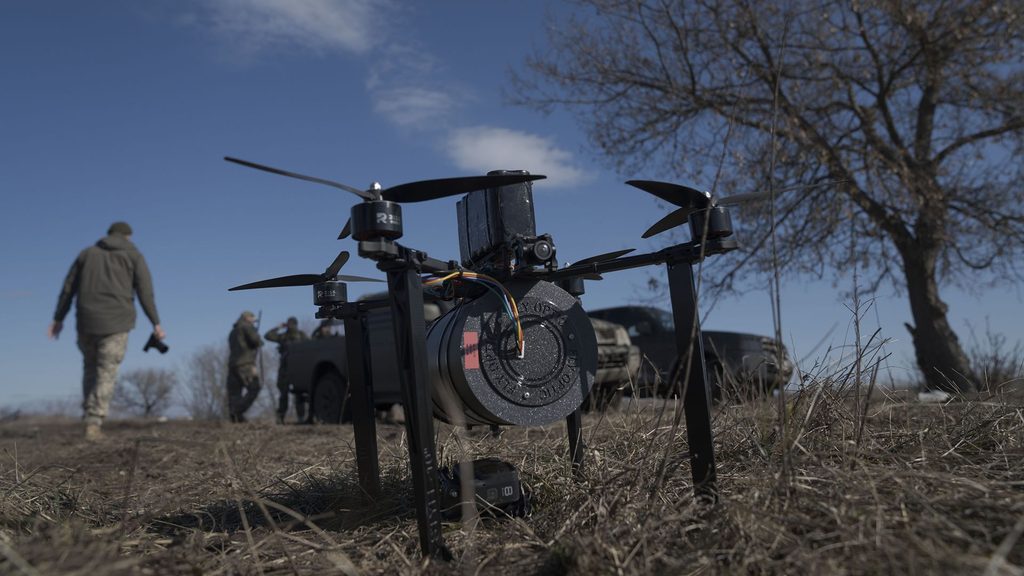
The controversy emerged after Ukrainian drones reportedly targeted three facilities operated by Yandex between October 8 and October 11, striking infrastructure in Sasovo, in Russia's Ryazan region, as well as sites in the Kaluga and Vladimir regions. Yandex, frequently described as Russia's equivalent of Google, operates an extensive digital ecosystem that includes search engines, cloud computing, artificial intelligence infrastructure and other internet-based services. The attacks reportedly caused substantial disruptions, with the company confirming that its Vladimir facility had been forced to halt operations. «Following a drone attack, the infrastructure of the Vladimir data centre was damaged,» Yandex acknowledged in a statement published on Telegram. «Operations at the data centre have been completely suspended. The remaining infrastructure resources are unstable and the platform is down.» Beyond the physical damage, an analysis of Cloudflare Radar data cited by Euronews indicated that automated traffic originating from Yandex's network had fallen approximately 94% on Sunday compared with average levels recorded during the second half of September. The dramatic figure rapidly attracted attention because of its timing, appearing shortly after the attacks and amid long-standing concerns about Russian information operations. However, the measurement includes legitimate automated internet activity, such as search engine crawlers, and does not independently demonstrate a corresponding decline in Russian political bots or establish that the military strikes directly caused the observed traffic changes.
«When we started responding to Russia's operation against our data centres and when our strikes reached Yandex data centres, it suddenly became a little easier to breathe on many social media platforms.»
-Ukrainian President, Volodymyr Zelenskyy
The potential political implications quickly drew attention in the United States, where social media users began reporting what they perceived as an unusual reduction in automated messages supporting Trump and the MAGA movement. Some users of Elon Musk's platform X claimed that political discussions appeared less saturated with repetitive pro-Trump responses, inflammatory comments and accounts exhibiting behavior they associated with coordinated online campaigns. The observations emerged just weeks before the November 3, 2026, congressional midterm elections, an especially sensitive period given previous investigations into Russian efforts to influence American political discourse through social media manipulation and misleading content. According to Euronews, the speculation attracted attention from prominent figures including conservative activist and Trump supporter Laura Loomer, former U.S. ambassador to Russia Michael McFaul and Russian opposition figure Garry Kasparov. Their involvement helped amplify questions about whether disruptions to Russian digital infrastructure might have consequences beyond the battlefield. Nevertheless, the reported changes remain anecdotal, with no independently verified figures demonstrating that MAGA-related bot activity declined because of the Yandex attacks. The claims also do not establish that accounts expressing support for Trump were operated from Russia. Similar allegations involving Germany's AfD, Britain's Reform UK and Canadian separatist discussions would soon broaden the controversy into an international debate over the relationship between Russian infrastructure and political activity online.
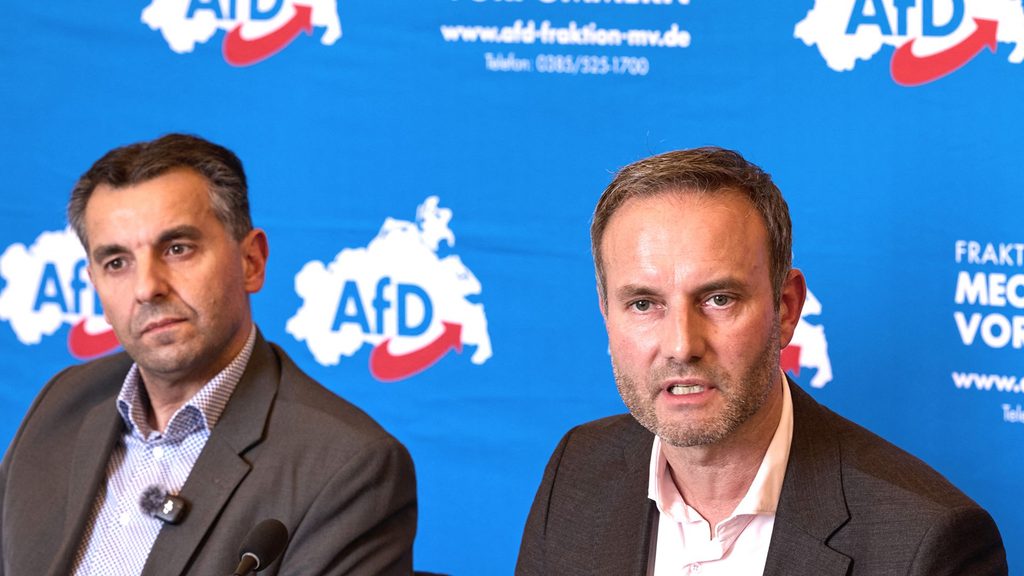
In Germany, the alleged disappearance of Russian-linked automated accounts quickly became a subject of political controversy after social media users circulated claims that online activity surrounding the far-right Alternative for Germany (AfD) party had fallen sharply following the attacks on Yandex. A widely shared graphic purported to show a decline of as much as 56% in activity associated with the party, prompting speculation about whether some of its online visibility might depend on infrastructure located in Russia. Czech member of the European Parliament Tomáš Zdechovský drew attention to the allegations in a post on X, writing, «If confirmed, this is telling: Russian data centres get hit, and online activity around AfD suddenly plummets.» Similar observations circulated in Britain, where users claimed that accounts promoting Nigel Farage's Reform UK party had become less active. The discussion subsequently expanded to other European political debates, including questions about the possible role of foreign influence operations in France, although no reliable evidence has established a comparable decline connected to French political movements or student demonstrations. The claims attracted attention against a broader backdrop of European concerns about Russian information operations, but neither the alleged German figures nor the British observations have been independently substantiated.
The controversy also reached Canada, where social media discussions began linking the apparent disruption of Russian automated traffic to a supposed reduction in online activity supporting Alberta's separatist movement. Posts circulating among Canadian users suggested that accounts promoting Alberta independence had become noticeably quieter after Ukrainian drones targeted Yandex's infrastructure, raising questions about whether some political messaging might have been artificially amplified by accounts operating outside the country. The allegations were examined by Alberta newspaper Sherwood Park News in an October 12 report by journalist Trent Wilkie, titled Viral Alberta Bot Claims Not Backed by Evidence. The publication described a collection of social media posts alleging that attacks on Russian data centers had disrupted accounts used to amplify political messages in Alberta, while emphasizing the limited evidence supporting that connection. The speculation drew particular attention because debates surrounding Alberta's relationship with the federal government and proposals for provincial independence have generated significant political discussion in Canada. However, there is no verified evidence establishing that accounts advocating Alberta separatism were operated through Yandex's affected facilities, that their activity declined following the strikes, or that legitimate supporters of Alberta independence were participating in Russian-directed campaigns. The Canadian allegations therefore remain unsubstantiated, even as they illustrate how quickly the controversy surrounding the Ukrainian attacks spread beyond Europe and the United States.
«A lot of people, a lot of people noticed it, and there was less hate, less division and fewer provocations because there were fewer bots.»
-Ukrainian President, Volodymyr Zelenskyy
Despite the extraordinary political implications suggested by the viral claims, subsequent examinations of the available evidence have challenged the assumption that Ukrainian strikes disabled Russian propaganda networks. Technology publication The Verge reported that the dramatic decline recorded by Cloudflare largely concerned automated web crawlers associated with Yandex, which perform ordinary internet functions such as indexing websites, rather than identifiable social media accounts spreading political propaganda. Researchers examining the data found no corresponding evidence of a widespread collapse in Russian influence operations, while the origins and accuracy of several viral political graphics also came under scrutiny. German fact-checking organization Mimikama examined the purported 56% decline involving the AfD and found that the available information did not substantiate the claim. Computer scientist Raphael Wimmer also identified chronological inconsistencies in a widely circulated graphic, including dates extending beyond the period for which observations could have been collected. Mimikama additionally noted that an unverified comparison of German political discussions suggested decreases across several parties, rather than a phenomenon exclusive to the AfD. Establishing a direct connection would require researchers to identify the accounts involved, examine their activity before and after the attacks, and demonstrate that they depended on the damaged Russian infrastructure. Meanwhile, the disruptions to Yandex's legitimate services remain a documented consequence of the attacks, illustrating the expanding role of digital infrastructure in the war between Russia and Ukraine. Although Zelenskyy's comments helped bring international attention to the issue, the evidence currently available does not establish that Ukrainian strikes caused the alleged declines in MAGA, AfD, Reform UK or Alberta separatist bot activity.
Created by humans, assisted by AI.
 OpenAI's teen chatbot branded 'unacceptable risk' after 4,000+ test prompts
 Russia denies second infection in plague-lab mystery as Trump says “Russia's not saying much”