«We Don’t Report to the United States»: Canada Pushes Back as Carney Defends Military Commitments


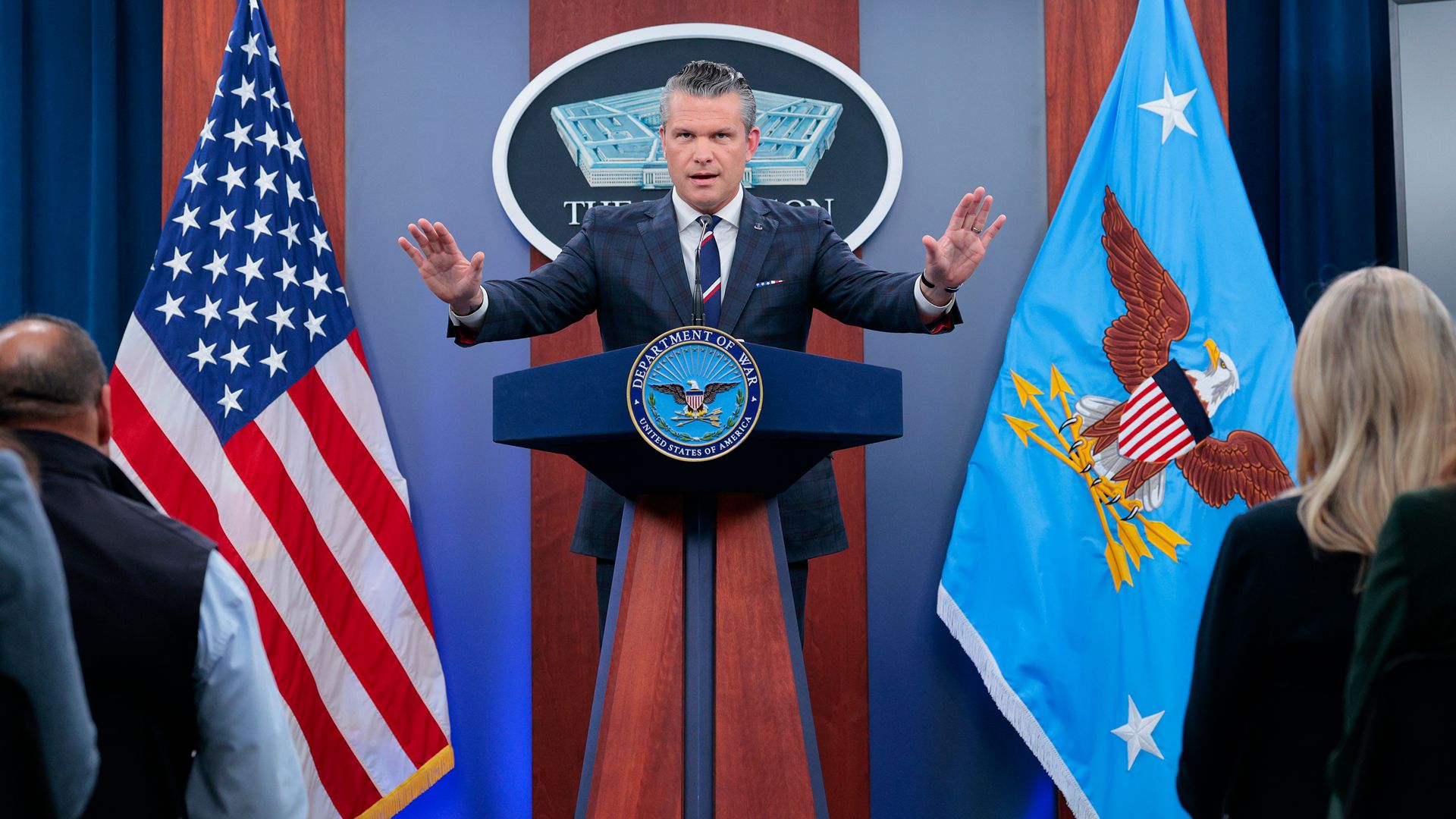
The Canadian government is pushing back against accusations from the Pentagon questioning Canada's credibility as a North American defense partner, with Defence Minister David McGuinty asserting the country's sovereignty and Prime Minister Mark Carney defending Ottawa's military commitments. The dispute erupted after the Pentagon released a document on November 23 criticizing the state of the Canadian Armed Forces, questioning Canada's defense spending strategy and expressing concerns over its military procurement decisions. Responding to the accusations the following day, McGuinty made clear that Canada's defense policies were not dictated by Washington. «Canada is a sovereign nation. I'll be very direct. We don't report to the United States.» Carney subsequently defended Canada's military contributions on November 25, emphasizing the country's investments in national defense and its participation in international security operations. The public disagreement marks another strain in relations between Ottawa and Washington, whose longstanding military partnership is facing renewed political tensions alongside an ongoing trade dispute and disagreements over Canada's future defense procurement strategy.
The Pentagon's criticism centres on what American defense officials describe as decades of insufficient Canadian military investment, which they argue has weakened the country's ability to contribute effectively to continental security. «Underinvestment in defense has atrophied the Canadian Armed Forces and limited Canada's ability to contribute to the defense of North America». The document also accuses Canada of relying excessively on American taxpayers to support its defense needs. According to figures presented by the Pentagon for 2025–26, military readiness stood at 41.9% for the Royal Canadian Air Force, 53.9% for the Royal Canadian Navy and 48% for the Canadian Army. American officials further questioned Ottawa's financial strategy for meeting NATO's new defense spending commitments, alleging that the largest spending increases would occur after Canada's next scheduled federal election in 2029. While those assessments have not been independently corroborated against Canadian military records, the Pentagon's decision to publicly question the capabilities of one of Washington's closest military allies represents a notable escalation in the bilateral dispute.
Canada is a sovereign nation. I'll be very direct. We don't report to the United States.
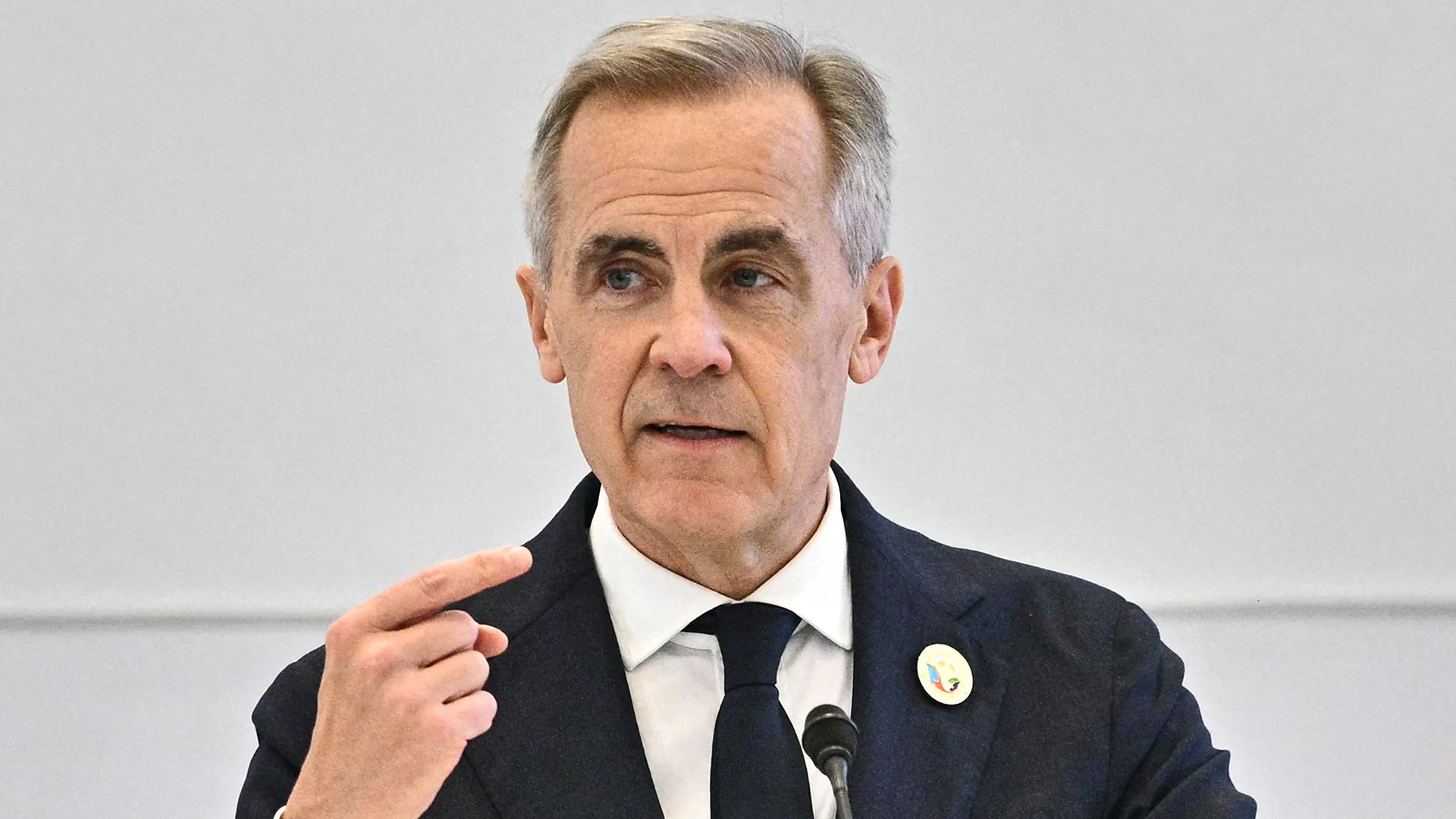
Carney responded to the criticism by highlighting Canada's contributions to collective security, including its military deployment in Latvia, cooperation with European and American allies in the Arctic, and increased investments in military equipment, infrastructure and personnel. «We're at the front lines of NATO's defense.» The prime minister also emphasized that Canada had already achieved NATO's previous military spending target of 2% of gross domestic product. More significantly, Carney drew a distinction between the Pentagon's public accusations and his own discussions with Trump, pointing out that the president is the commander in chief of the American military. «I can assure you that in my discussions with the president the United States, we're focused on conflict resolution around the world and he has not raised issues such as has been reported recently.» Carney's remarks suggest that the specific concerns expressed by the Pentagon have not featured in his direct conversations with Trump, despite the president's previous public criticism of Canadian defense spending. The prime minister maintained that Canada was taking greater responsibility for its national security while continuing to contribute to the defense of its allies.
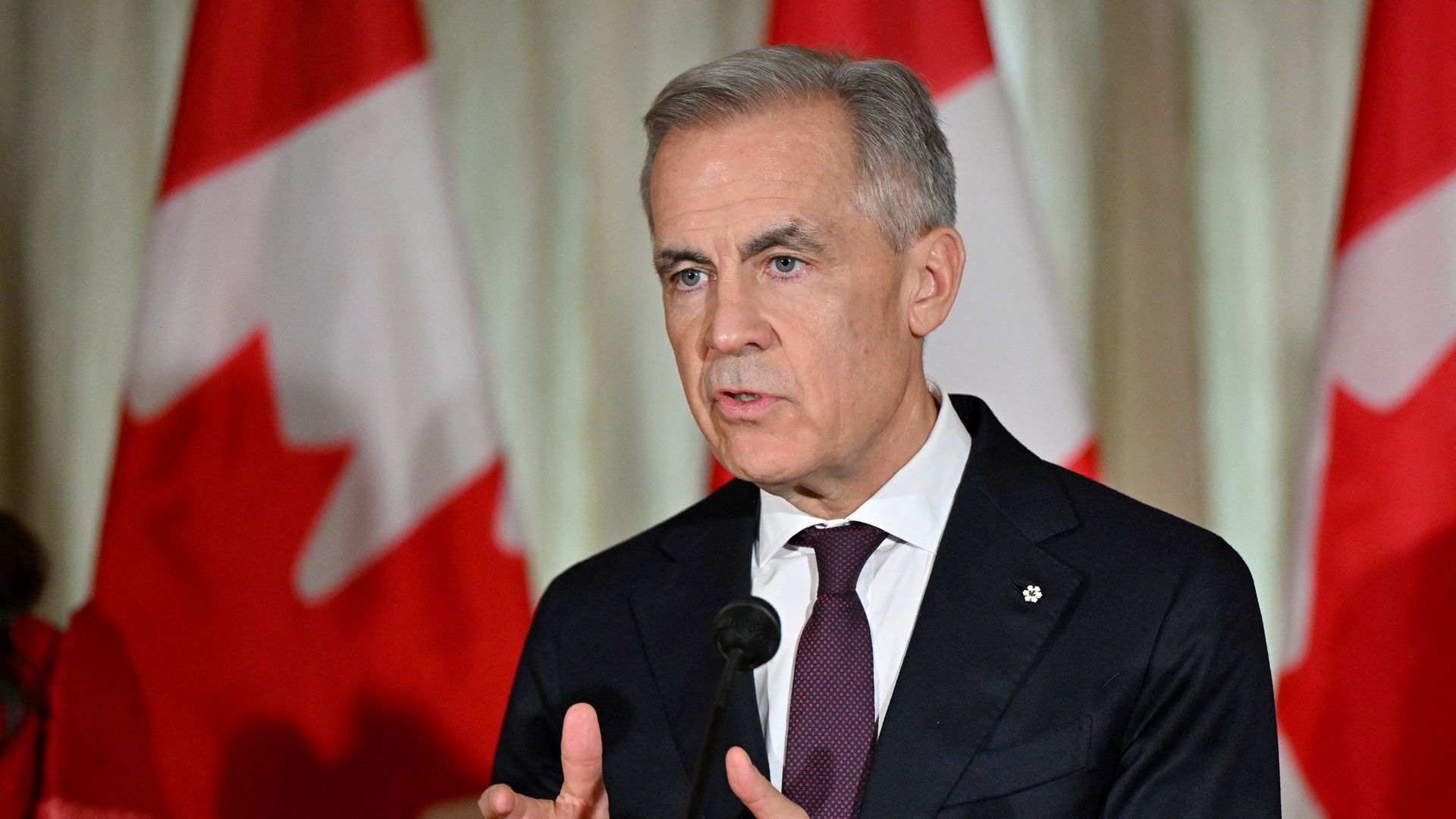
Canada's military spending plans nevertheless face questions concerning the country's ability to fulfill its longer-term commitments to NATO. Having achieved the alliance's previous defense spending target of 2% of GDP, Ottawa has committed to the new spending framework requiring members to allocate 3.5% of GDP to core military expenditures and an additional 1.5% to broader defense and security investments by 2035. The federal government's latest budget projects that Canada's core military spending will reach 2.6% of GDP by 2027–28, with combined defense and security expenditures reaching 4.1%. However, Canada's Parliamentary Budget Officer has identified uncertainty surrounding the government's ability to finance the remaining increases, noting that «The spending path beyond 2030-31 to reach 5 per cent of GDP by 2035 remains unclear.» While these projections demonstrate a substantial increase in Canada's defense investments, the independent assessment highlights outstanding questions about how Ottawa intends to fulfill its financial commitments beyond the period covered by its current budgetary projections.
Another major source of disagreement concerns Canada's review of its planned acquisition of 88 American-made F-35 fighter jets, which Carney ordered in March 2025 amid escalating trade tensions and Trump's repeated suggestions that Canada should become the 51st American state. Ottawa has been considering alternative procurement options, including Swedish-made Gripen fighter jets, whose manufacturer has proposed establishing production facilities in Canada. The Pentagon maintains that operating a mixed fleet could aggravate existing personnel shortages, increase operational complexity and complicate continental defense cooperation through the North American Aerospace Defense Command (NORAD). American officials have also questioned whether Canada's emphasis on domestic economic benefits could come at the expense of military effectiveness. Ottawa's procurement review, however, forms part of a broader effort to diversify its defense partnerships, reduce dependence on American suppliers and strengthen Canada's domestic military industry. The disagreement highlights competing priorities between Washington's emphasis on military interoperability and Canada's determination to retain control over its defense procurement decisions.
Underinvestment in defense has atrophied the Canadian Armed Forces and limited Canada's ability to contribute to the defense of North America.
The latest confrontation also follows reported restrictions on certain bilateral military engagements under a classified memorandum issued by Defense Secretary Pete Hegseth, as well as Washington's suspension in May of American participation in the Permanent Joint Board on Defence, a bilateral institution established in 1940. Despite these developments, officials from both countries maintain that their principal military and intelligence arrangements remain intact. Pentagon spokesperson Sean Parnell stated that «This guidance does not impact defense intelligence cooperation, our binational NORAD command, or our cooperation through NATO». McGuinty similarly emphasized the continuity of military cooperation, declaring that «The amount of co-operation that we are pursuing together under Norad has not changed. What we are doing together at NATO has not changed». Nevertheless, the Pentagon's public accusations come amid an unresolved tariff war and Ottawa's efforts to strengthen economic and military partnerships with European allies. The dispute reflects the growing challenge facing Canada as it seeks to preserve its sovereignty and diversify its international partnerships while maintaining a continental defense relationship that has been fundamental to the security of both countries for decades.
Created by humans, assisted by AI.
Share this post

Popular posts
-

Man flies to Michigan to buy Cadillac at Chevrolet dealership. Then he realizes the dealership ‘scammed’ him by hiding a major issue
-

‘Go to O’Reilly’: Man needs a new battery. Then he asks the AutoZone worker to install it
-

Detroit woman dines at Texas Roadhouse. Then she says the server ID’d her for plastic silverware
-

New York woman goes to Baskin-Robbins with a coupon for a free birthday scoop. Then a worker claims they don’t have any ice cream: ‘Gaslight Robbins’