

/https%3A%2F%2Fcdn-tor.buminteractif.com%2F2026%2F03%2F30190813%2Fair-canada-ceo-new-york-crash-getty345345fgd.jpg)
Air Canada announced that its chief executive officer, Michael Rousseau, will step down at the end of the year, framing the move as a planned retirement after years at the helm of the airline. The announcement comes at a moment of heightened scrutiny, as the CEO faces mounting criticism over his handling of communications following a deadly incident in New York.
While the company presented the departure as part of a normal leadership transition, the timing has drawn attention due to the ongoing controversy surrounding his response to the tragedy and the broader questions it has raised within Canada.
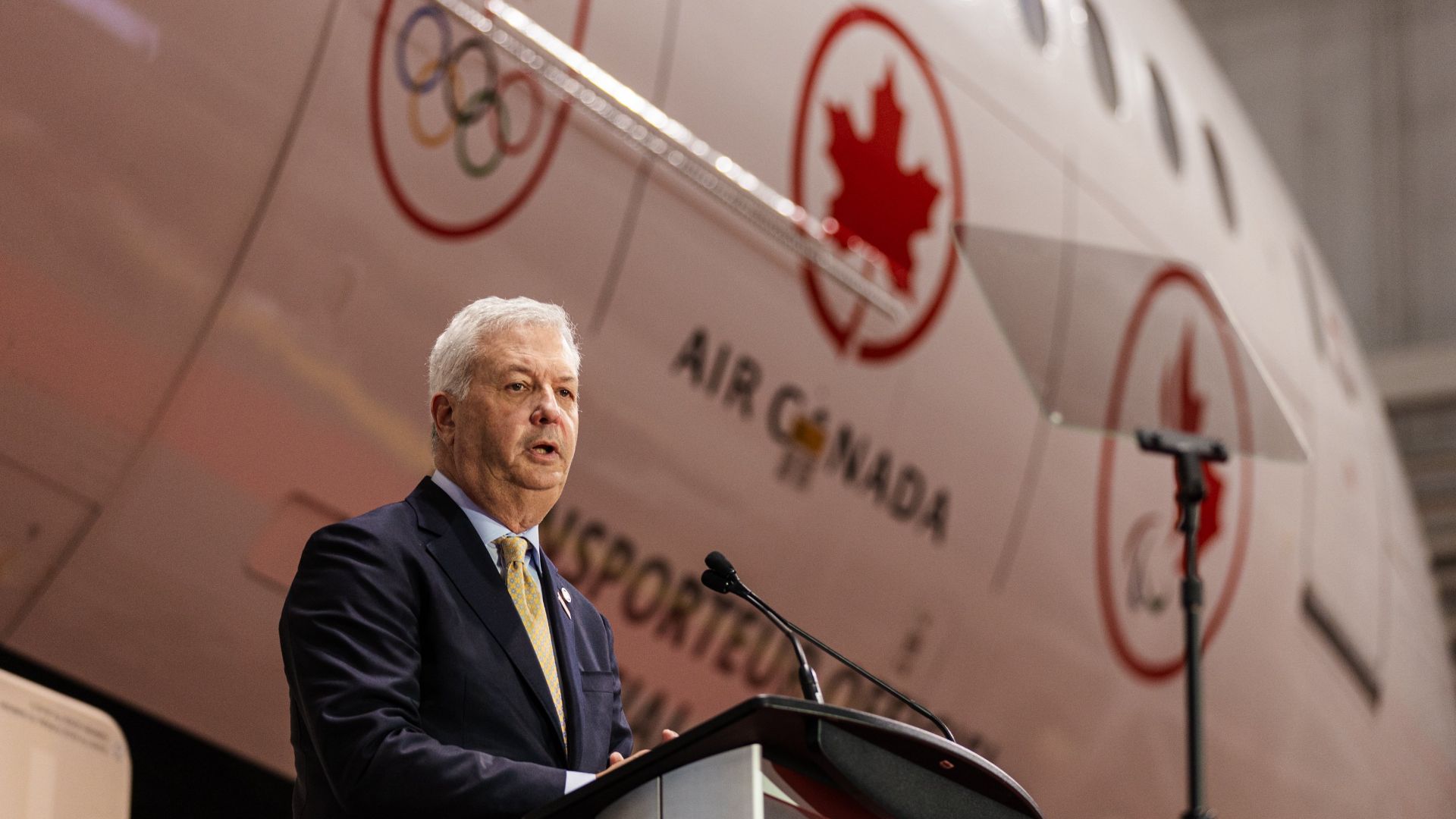
According to an airline spokesperson, the decision was not linked to recent events but rather part of a long-anticipated succession process:
«Mr. Rousseau has reached a natural retirement age», CBC news reports.
«His decision is consistent with the Board's longstanding focus on CEO executive succession planning,» the spokesperson said. The statement sought to position the transition as routine, emphasizing continuity in leadership planning despite the intense public reaction that has followed the incident and the CEO's communication choices in its aftermath.
«His ability to speak French does not allow him to convey such a sensitive message as effectively as he would have liked in that language. We have therefore used subtitles to ensure everyone can receive his message directly.»
-A statement from Air Canada
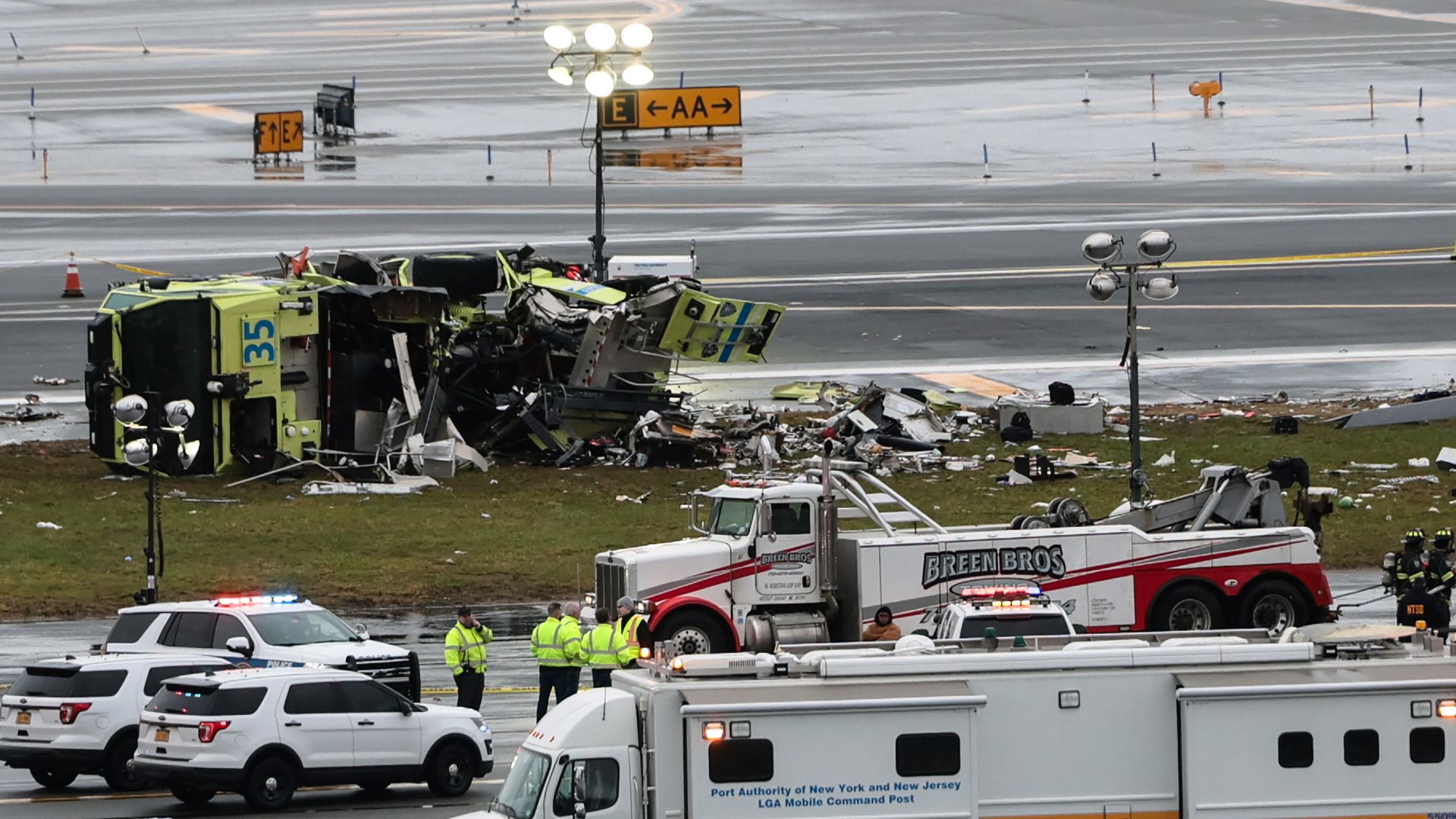
The controversy stems from the events of March 22, when Air Canada Flight 8646, departing from Montreal, collided with a fire truck upon landing at LaGuardia Airport in New York. The crash resulted in the deaths of two pilots, first officer Mackenzie Gunther and Captain Antoine Forest, while dozens of passengers and crew members were injured.
The incident immediately drew international attention, both for the circumstances of the collision and for the human toll, prompting an outpouring of reactions from officials, the airline industry and the public.
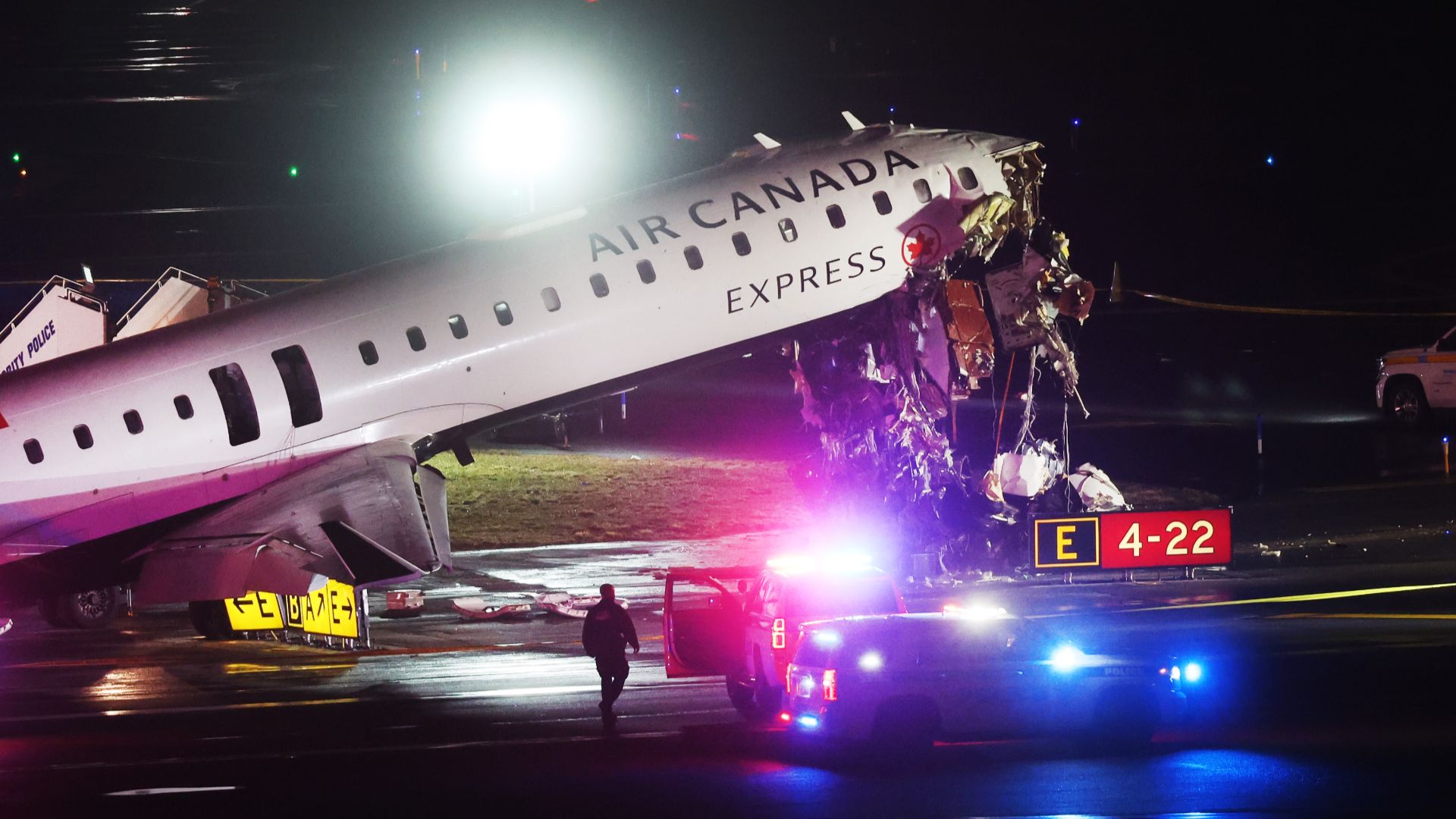
Rousseau addressed the tragedy in a video message the following day, offering condolences to the victims' families and acknowledging the gravity of the situation. However, the message was delivered exclusively in English, a choice that quickly sparked backlash in Canada, particularly in Quebec, given that one of the deceased pilots, Antoine Forest, was francophone. Critics argued that the absence of French in such a sensitive context reflected a broader disconnect, especially for a national carrier expected to operate in both official languages.
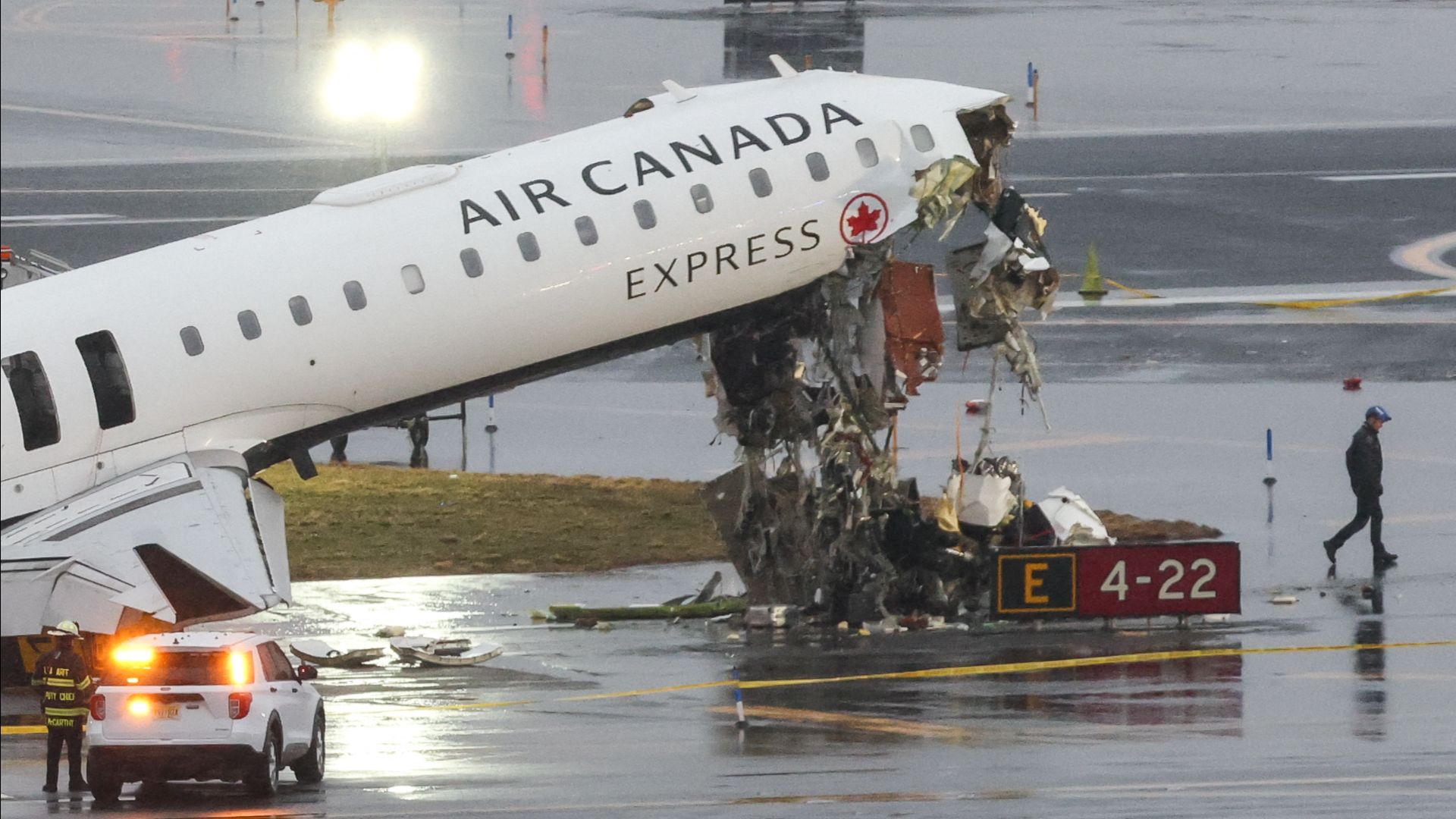
As criticism intensified, Air Canada released a follow-up statement attempting to explain the decision not to deliver the message in French. «His ability to speak French does not allow him to convey such a sensitive message as effectively as he would have liked in that language. We have therefore used subtitles to ensure everyone can receive his message directly.» The explanation did little to quell the reaction, with many observers and public figures questioning why a bilingual address was not prioritized in a moment involving loss and national attention.
«Mr. Rousseau has reached a natural retirement age.»
-Air Canada spokesperson
The situation has since evolved into a broader debate about leadership, communication and cultural expectations within major Canadian institutions. While the company maintains that the CEO's departure is unrelated to the controversy, the overlap between the two developments has fueled speculation about internal pressures and reputational concerns. As Air Canada prepares for a leadership transition, the incident and its aftermath are likely to remain central to discussions about accountability and the role of language in moments of national significance.
Created by humans, assisted by AI.
