

/https%3A%2F%2Fcdn-tor.buminteractif.com%2F2026%2F04%2F14174850%2Famazon-leo-getty-345345sdf34523g.jpg)
Amazon announced a major expansion of its space ambitions with a $11.6 billion deal to acquire Globalstar, a move designed to strengthen its low Earth orbit satellite network and directly compete with SpaceX. The agreement, confirmed in an official company release, positions Amazon Leo as a more aggressive player in the rapidly evolving satellite connectivity market. The acquisition will allow Amazon to integrate Globalstar's infrastructure, spectrum, and operational expertise into its existing system, marking a significant step in its long-term strategy to expand global connectivity and challenge established leaders in the sector.
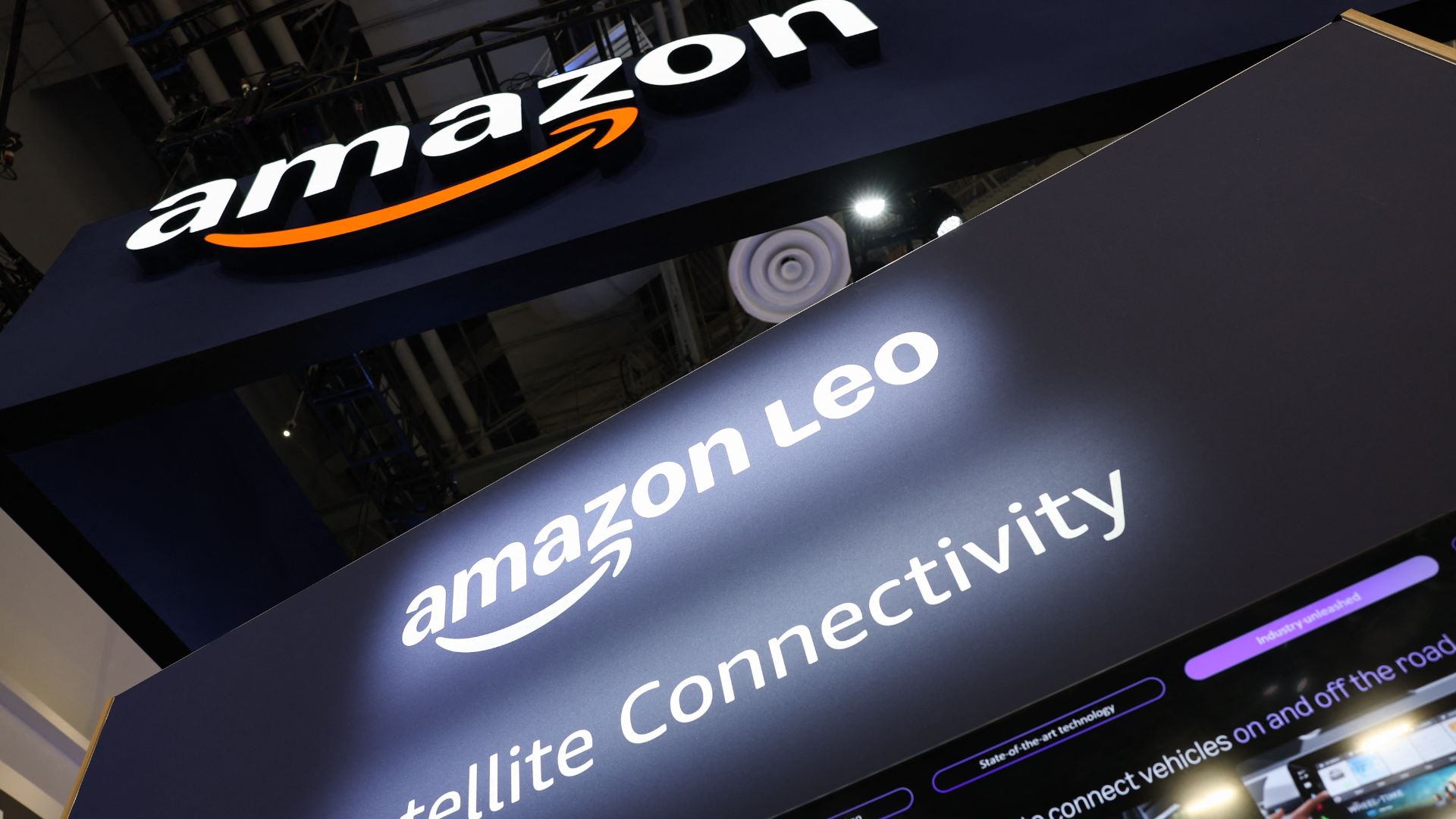
The company emphasized that the deal is aimed at expanding coverage and unlocking new capabilities, particularly through direct-to-device services. In its announcement, Amazon stated that the acquisition will enable it to «add direct-to-device (D2D) services to its low Earth orbit satellite network and extend cellular coverage to customers beyond the reach of terrestrial networks». The move reflects growing demand for connectivity in remote and underserved regions, where traditional infrastructure remains limited. By combining satellite and cellular capabilities, Amazon is positioning itself to deliver continuous communication services across a wide range of environments.
«We have long believed low Earth orbit satellite constellations offer the most effective path to truly connect users and devices anywhere and anytime.»
-Globalstar CEO, Paul Jacobs
Amazon executives highlighted the scale of the opportunity and the broader vision behind the acquisition. Panos Panay, Senior Vice President of Devices & Services at Amazon, said: «There are billions of customers out there living, traveling, and operating in places beyond the reach of existing networks, and we started Amazon Leo to help bridge that divide». He added: «By combining Globalstar's proven expertise and strong foundation with Amazon's customer-obsession and innovation, customers can expect faster, more reliable service in more places—keeping them connected to the people and things that matter most». The comments underscore Amazon's ambition to become a global leader in satellite-based connectivity.
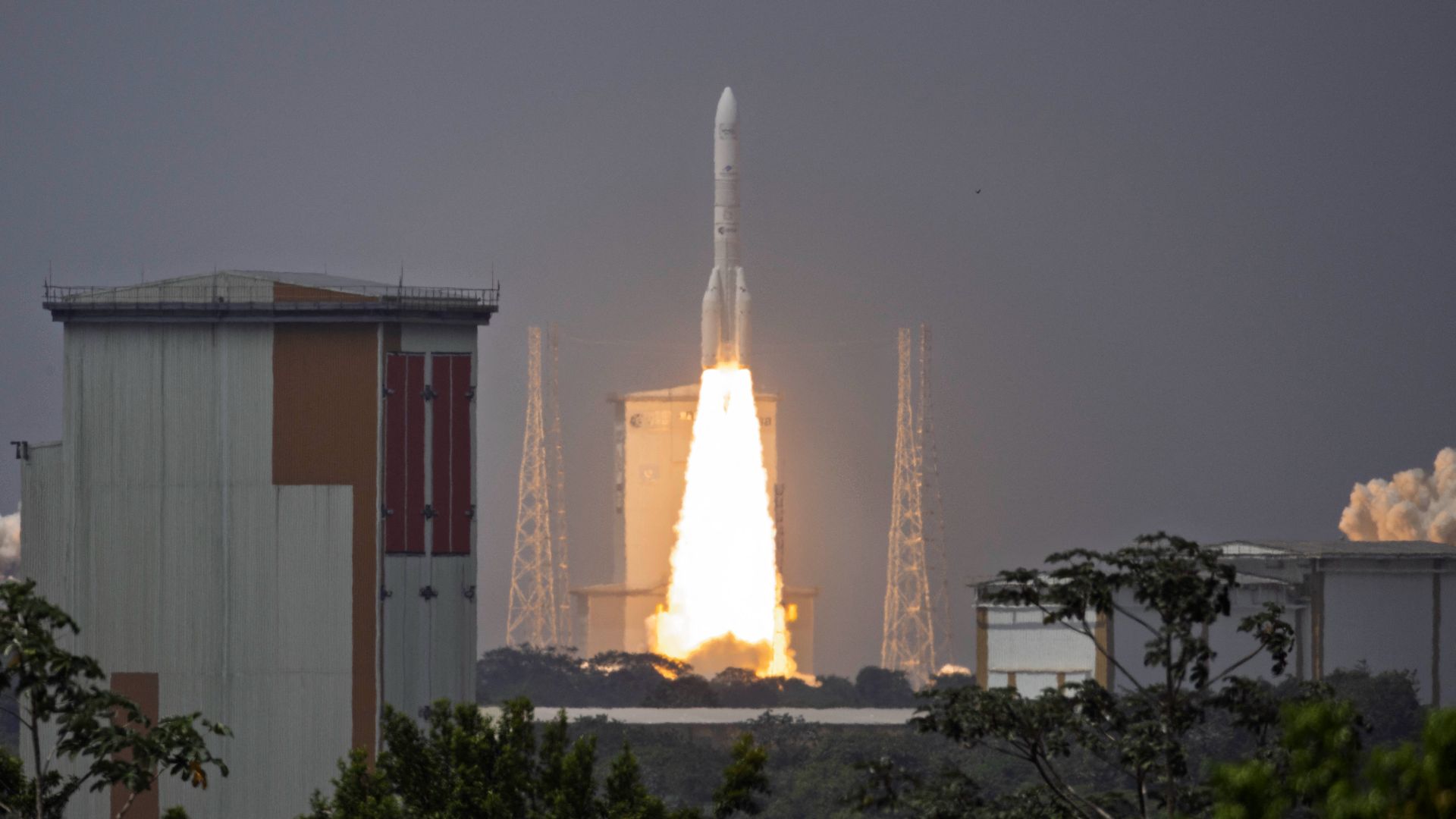
Globalstar executives also framed the deal as a natural progression of their long-term strategy. CEO Paul Jacobs said: «We have long believed low Earth orbit satellite constellations offer the most effective path to truly connect users and devices anywhere and anytime». He added that «the combination with Amazon Leo will advance innovations in digital connectivity that will benefit our customers and advance us toward a more intelligent, continuously connected world». The partnership is expected to accelerate development and deployment of next-generation satellite technologies, leveraging both companies' capabilities.
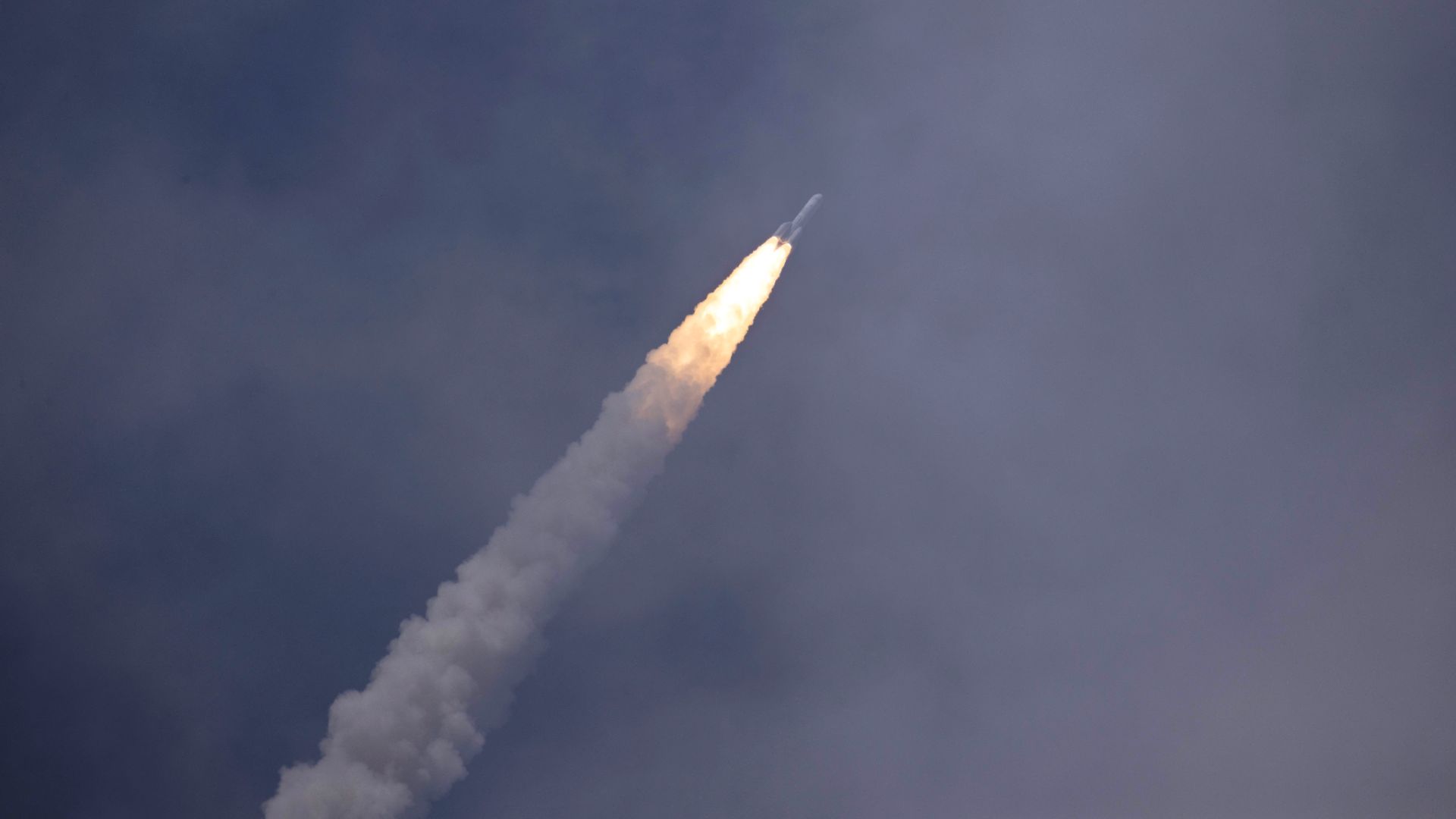
The agreement also includes a strategic partnership with Apple, further expanding the potential reach of Amazon's satellite network. Amazon confirmed that its system will support satellite connectivity for iPhone and Apple Watch models, enabling features such as emergency messaging and location sharing. Greg Joswiak, Apple's Senior Vice President of Worldwide Product Marketing, said: «This ensures our users will continue to have access to the vital satellite features they have come to rely on, including Emergency SOS, Messages, Find My, and Roadside Assistance via satellite, so they can stay safe and connected while off the grid». The collaboration highlights the growing integration between satellite services and consumer technology.
«There are billions of customers out there living, traveling, and operating in places beyond the reach of existing networks, and we started Amazon Leo to help bridge that divide.»
-Senior Vice President of Devices & Services at Amazon, Panos Panay
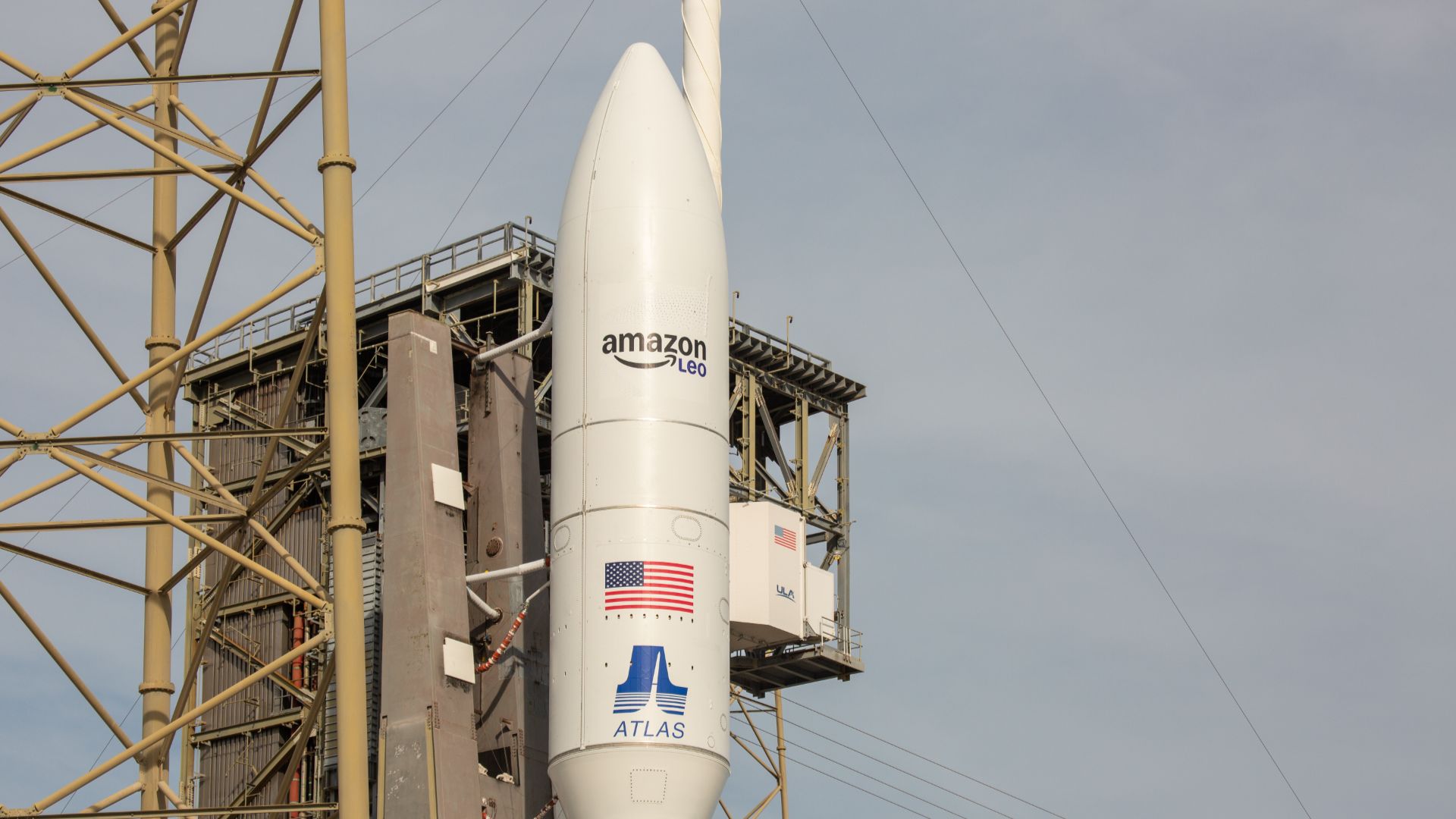
Looking ahead, Amazon plans to deploy a next-generation direct-to-device satellite system beginning in 2028, significantly expanding its capabilities. The company stated that the system will offer «substantially higher spectrum use and efficiency than legacy direct-to-cell systems, which translates into faster speeds and better performance for customers». With thousands of satellites planned in low Earth orbit, Amazon aims to support hundreds of millions of devices worldwide. The acquisition of Globalstar represents a critical step in that strategy, positioning Amazon as a major competitor in the global race for satellite connectivity and digital infrastructure.
Created by humans, assisted by AI.
