

/https%3A%2F%2Fcdn-tor.buminteractif.com%2F2026%2F07%2F13153941%2Faltman-apple-getty-345dfgdfgertg435345345.jpg)
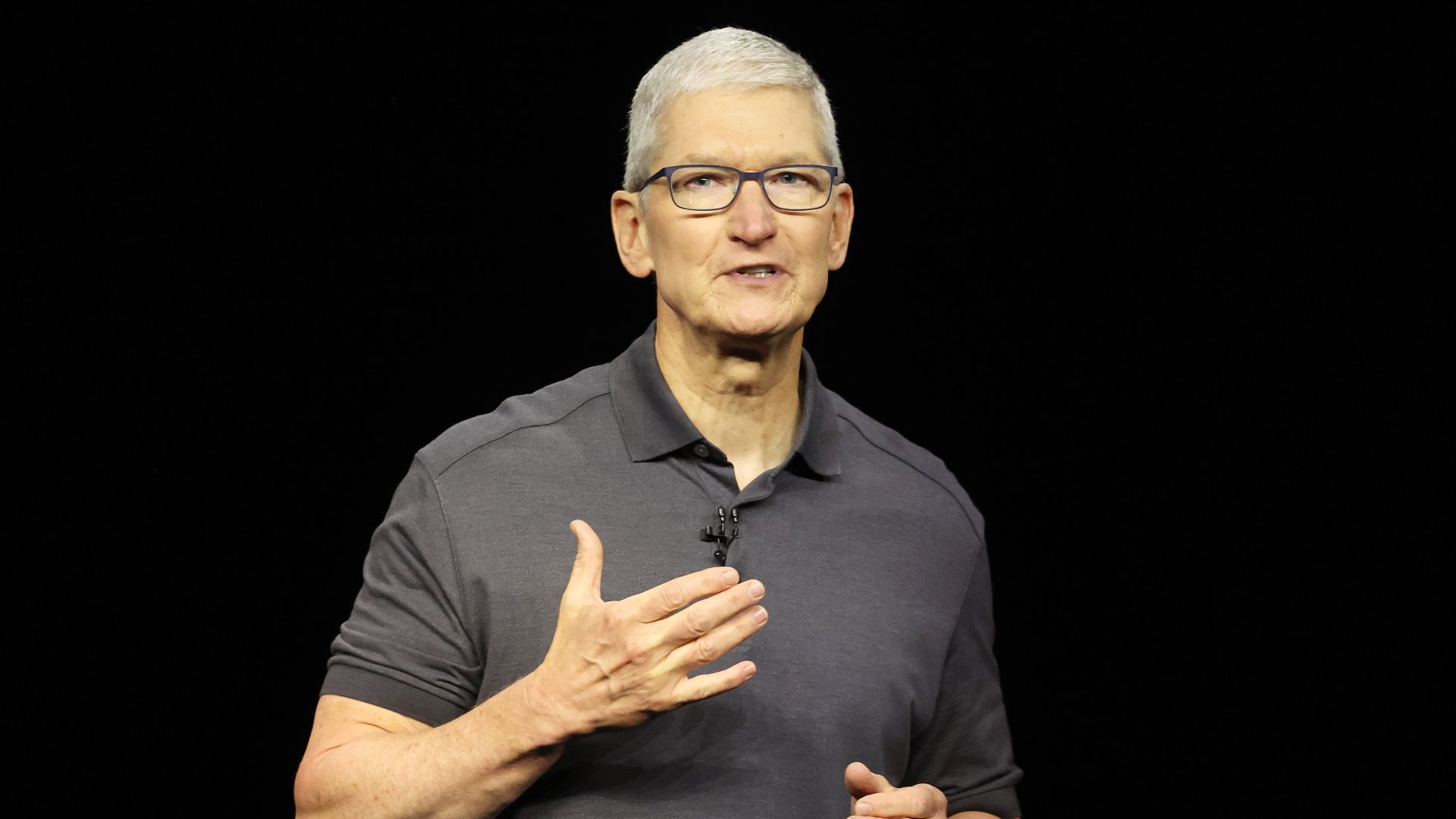
Apple has filed a sweeping federal lawsuit accusing OpenAI of orchestrating what it describes as a years-long effort to obtain some of the company's most valuable trade secrets through former Apple employees and business relationships. Filed on July 10 in federal court, the 41-page complaint alleges that OpenAI and several affiliated entities engaged in a coordinated campaign to acquire confidential information related to Apple's hardware development, manufacturing processes, and unreleased products. The lawsuit marks a dramatic deterioration in what had recently become one of the technology industry's most closely watched partnerships, arriving only weeks before OpenAI's highly anticipated initial public offering. According to the federal complaint, Apple is seeking damages, injunctive relief, and the return of confidential materials it claims were improperly obtained, arguing that the alleged conduct threatened years of research, billions of dollars in investment, and the competitive advantage behind some of its most closely guarded hardware technologies.
According to the federal complaint, Apple's allegations center on what it describes as a deliberate effort to accelerate OpenAI's consumer hardware ambitions by acquiring proprietary knowledge instead of independently developing comparable technology. The lawsuit claims former Apple engineer Chang Liu discovered an internal authentication vulnerability after joining OpenAI that allegedly provided unauthorized access to Apple's cloud-based engineering files. Rather than reporting the issue, Apple alleges Liu downloaded numerous confidential documents, including a technical document exceeding 1,000 pages that detailed sensitive hardware architecture and engineering processes. The complaint further alleges that Tang Yew Tan, Apple's former Vice President of Product Design responsible for key iPhone and Apple Watch programs before joining OpenAI to oversee hardware development, instructed prospective Apple recruits interviewing with OpenAI to bring physical Apple hardware components into interviews as «show and tell» demonstrations. Apple also alleges Tan coached departing engineers through private messaging applications on how to transfer confidential files while avoiding internal security controls designed to detect unauthorized downloads before employees left the company.
«I am not afraid of apple, but I have tremendous respect for them. s-tier company.»
-Sam Altman on X
The lawsuit expands beyond allegations involving former employees, claiming OpenAI also sought to obtain confidential manufacturing knowledge through Apple's exclusive supply chain partners. According to the complaint, OpenAI misrepresented to one of Apple's long-standing manufacturing partners that it had received Apple's authorization to access a proprietary multi-step metal-finishing process developed for future hardware products. Apple alleges the technique represented years of engineering refinement and was protected under strict confidentiality agreements that limited access to only a handful of trusted suppliers. The complaint names OpenAI, OpenAI's nonprofit and commercial entities, the company's recently acquired hardware startup io Products, Tang Yew Tan, and Chang Liu as defendants, arguing that the alleged actions formed part of an institutional effort rather than isolated misconduct by individual employees. Apple contends the alleged scheme was intended to shorten OpenAI's hardware development timeline as the company prepared to compete more directly in consumer devices, including widely reported efforts to develop AI-powered hardware that could eventually challenge established smartphone ecosystems.
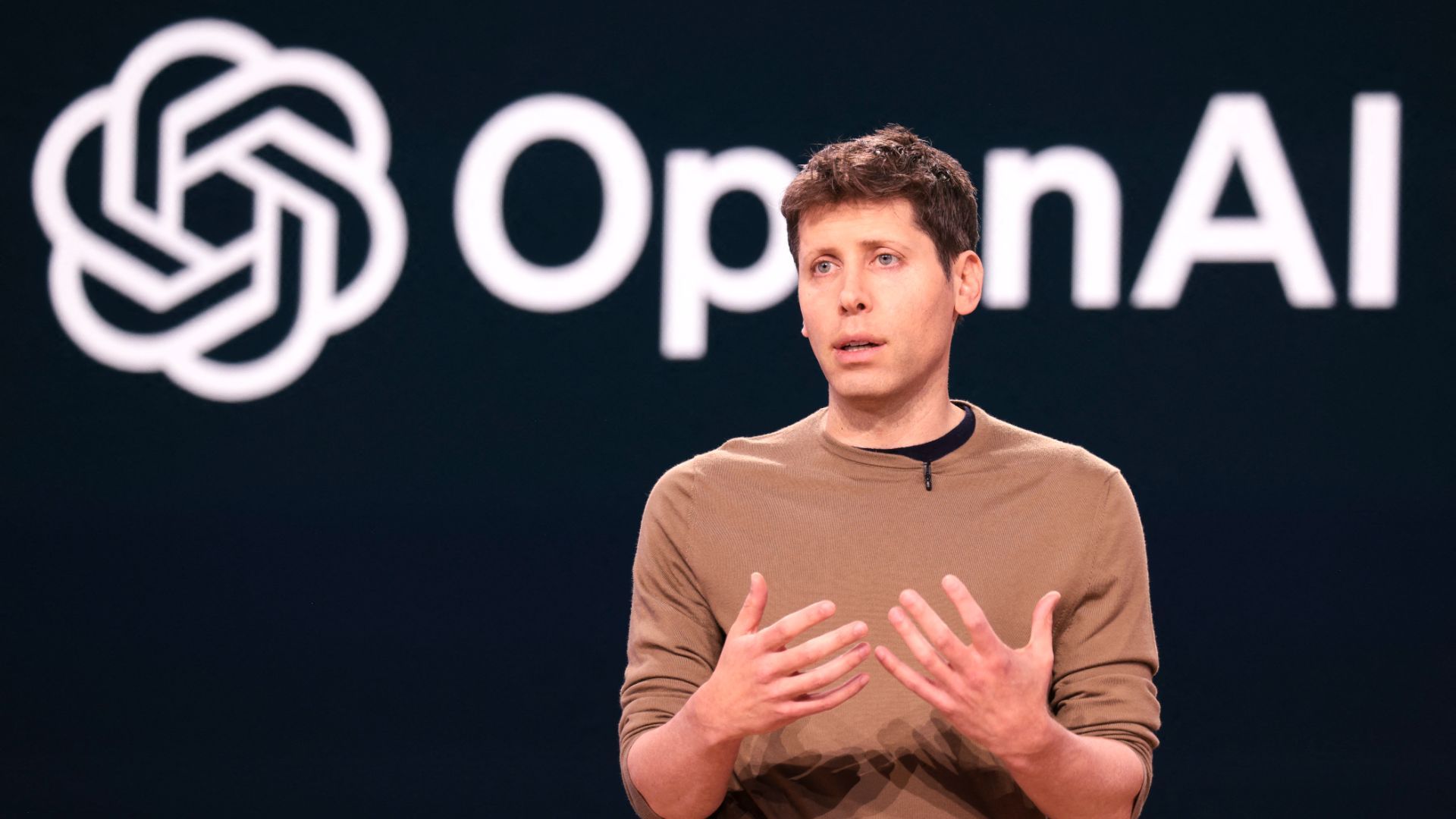
OpenAI has publicly rejected Apple's allegations and indicated it intends to vigorously defend itself in court, arguing that the lawsuit mischaracterizes its hiring practices and business operations. The company has stated that it respects the intellectual property rights of others and is reviewing the complaint in detail before filing its formal response. The legal battle nevertheless arrives at a pivotal moment for the artificial intelligence company, which has rapidly expanded beyond software into hardware ambitions following its acquisition of io Products, a startup co-founded by former Apple design chief Jony Ive. The move signaled OpenAI's intention to build consumer devices centered on artificial intelligence, placing it on a potential collision course with Apple in a market long dominated by the iPhone. Apple's complaint argues that the alleged acquisition of confidential engineering information was intended to accelerate that transition by reducing years of costly research and development. Whether the company can substantiate those claims will ultimately be determined through the judicial process, but the case has already become one of the most consequential intellectual property disputes facing the AI industry.
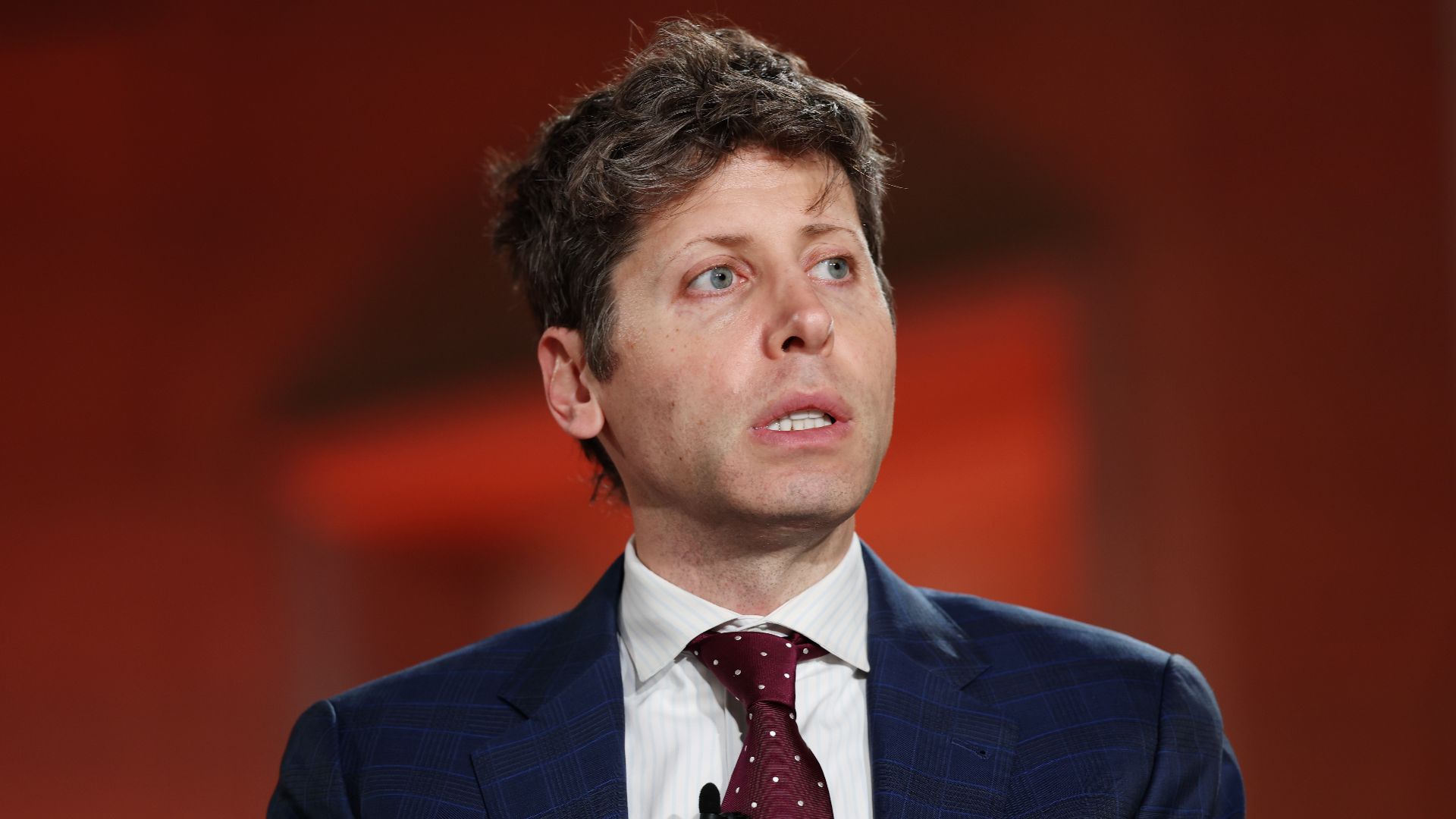
The lawsuit also ignited a public exchange among several of Silicon Valley's most recognizable figures. After one X user wrote, «Sam Altman wasn't afraid of Elon but he is terrified of Apple. You can tell by all his posting today», OpenAI CEO Sam Altman responded, «i am not afraid of apple, but i have tremendous respect for them. s-tier company.» Elon Musk later entered the discussion, writing, «After stealing an open source AI charity, you then stole all of Apple's phone technology! Wow,» before adding in another post, «He takes scamming to a whole new level.» Altman fired back, replying, «homeboy you're the one sellling public market investors on short-term space datacenters.» Musk answered once again, writing, «We start flying them next year. Maybe you can come see them if your parole officer approves. After stealing an open source AI charity, you then stole all of Apple's phone technology! Wow. What do you plan for an encore? That's tough to beat.» While the online exchange quickly drew widespread attention, Musk is not a party to Apple's lawsuit and his comments do not form part of the company's legal claims.
«After stealing an open source AI charity, you then stole all of Apple's phone technology! Wow.»
-Elon Musk on X
As the litigation moves forward, industry observers are expected to closely examine not only Apple's evidence but also the broader implications for competition in the rapidly evolving artificial intelligence sector. The dispute underscores how aggressively major technology companies are recruiting experienced engineers as they race to develop the next generation of AI-powered consumer devices, increasing the importance of protecting proprietary research, manufacturing techniques, and product roadmaps. Apple's complaint seeks financial damages along with court orders designed to prevent any further use or disclosure of the confidential information it alleges was improperly obtained. OpenAI, meanwhile, is preparing to answer the allegations while continuing to pursue its hardware strategy during one of the most significant periods in its history. With billions of dollars in corporate value, the future of OpenAI's hardware ambitions, and the protection of intellectual property all at stake, the case is poised to become one of the defining legal battles between two of the world's most influential technology companies.
Created by humans, assisted by AI.
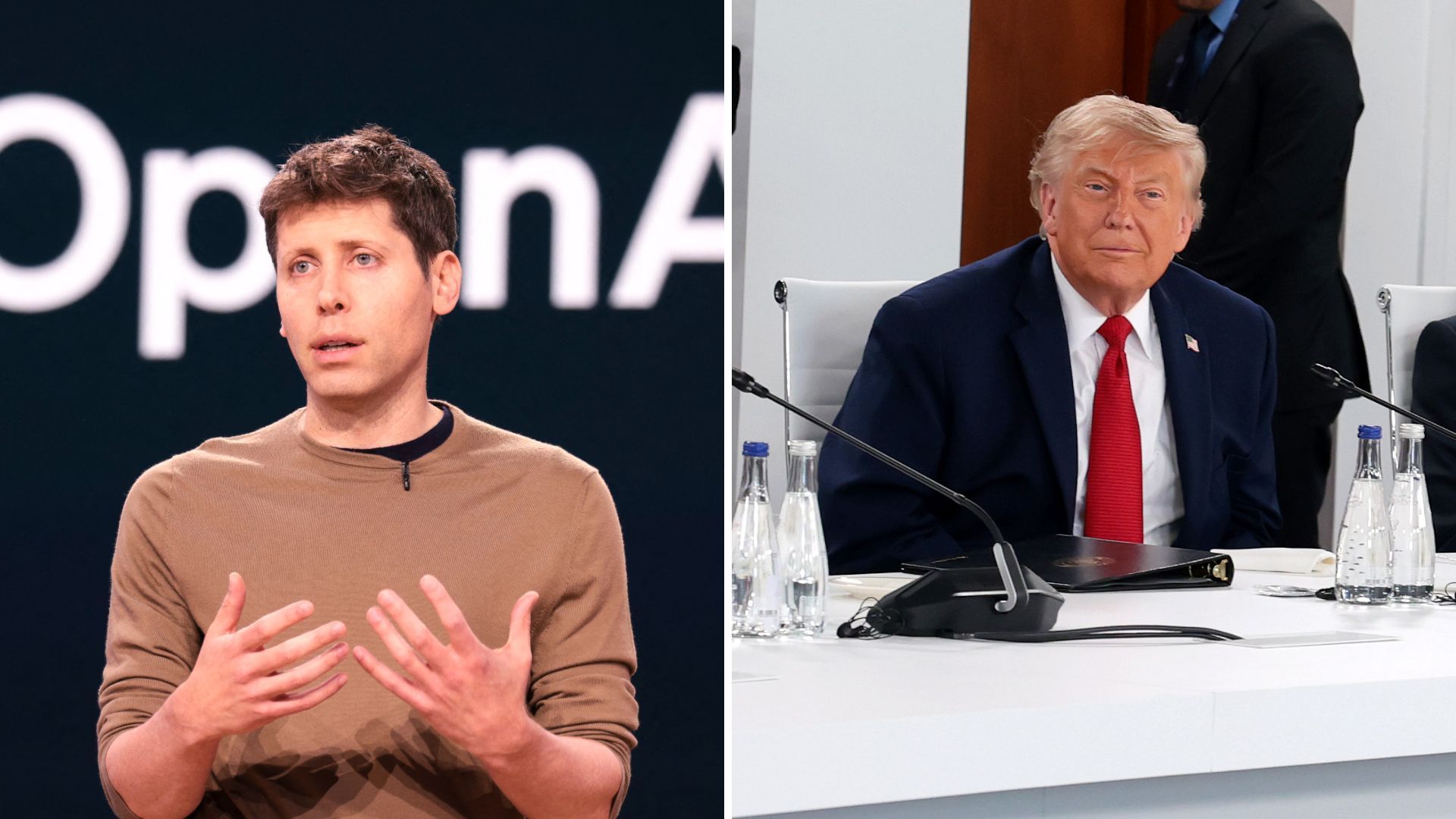 OpenAI reportedly discussing 5% stake for Trump administration
 Microsoft cuts 4,800 jobs, including 20% of Xbox workforce