
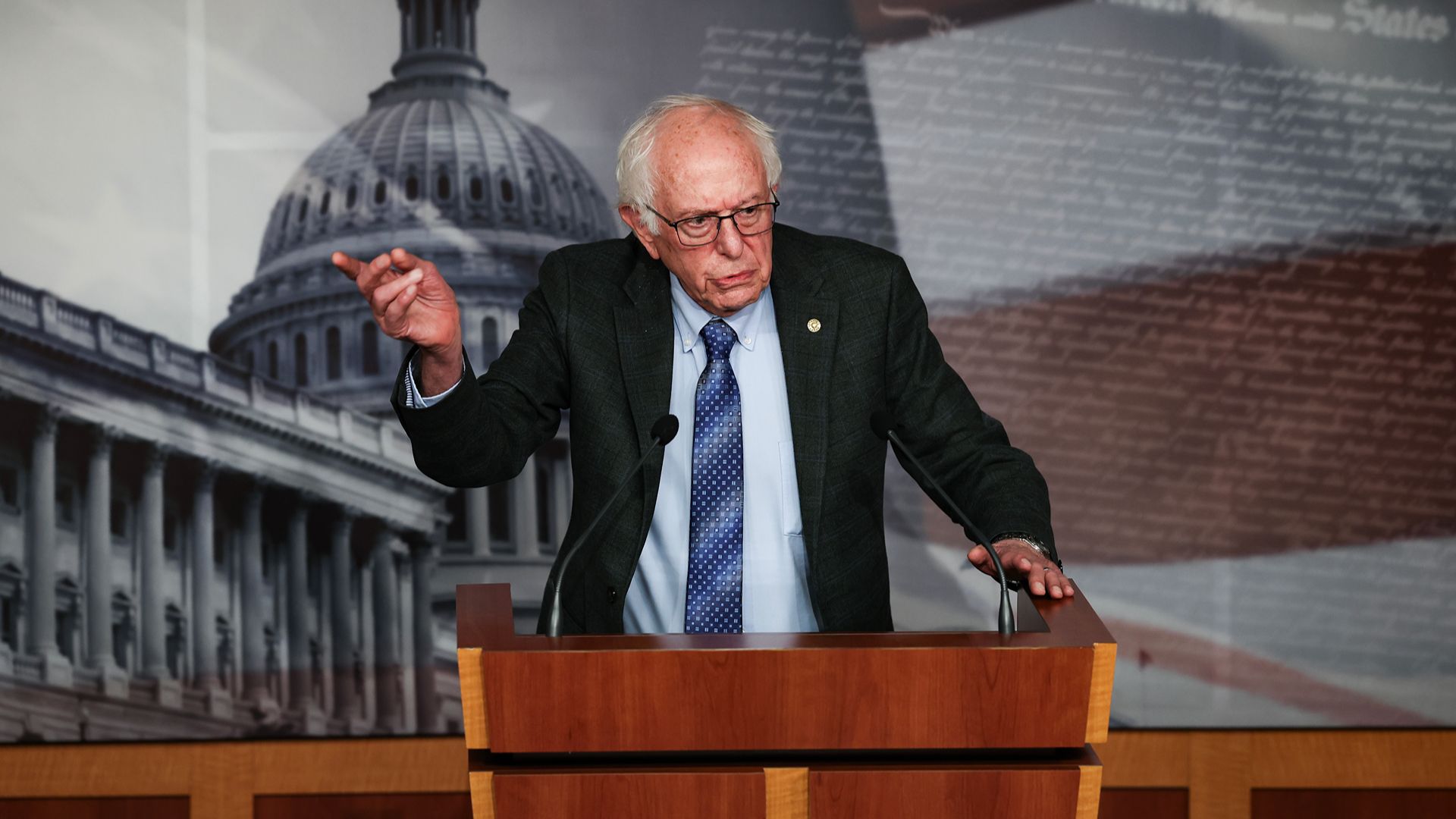
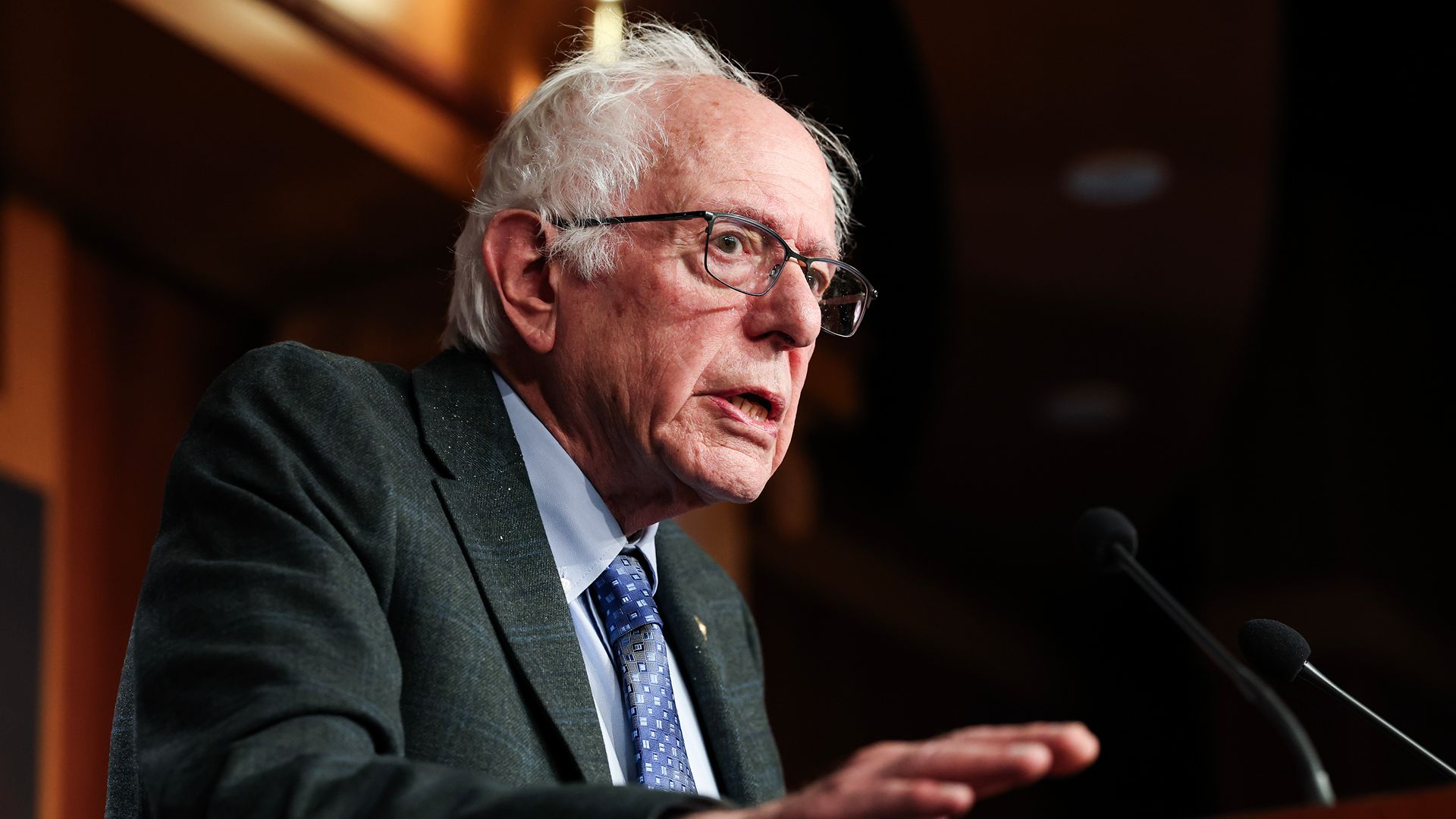
Bernie Sanders has publicly rejected Chuck Schumer's bid to remain Senate Democratic leader, joining a growing movement within the party demanding new leadership despite Democrats' sweeping victory in the November 3 midterm elections. Speaking at a Capitol Hill news conference on November 10 alongside Michigan Senator Elissa Slotkin, the Vermont independent argued that the election results represented a demand for fundamental political and economic change, rather than simply a rejection of Donald Trump's administration. Sanders, who has long caucused with Democrats and remains one of the country's most influential progressive figures, made clear that his opposition was political rather than personal. «So if this campaign was about anything, it was about change and the need for the Democratic Party, in my view, to move in a new and bold direction. I personally have known Chuck Schumer for over 30 years. And I like Chuck. Nobody works harder than Chuck Schumer. But, in my view, the time is now for change. And I will not be supporting Chuck to be re-elected as the Democratic leader.» His announcement marks a significant challenge to Schumer, who has led Senate Democrats since 2017 and is seeking to become majority leader when the new Congress takes office in January.
Sanders's intervention comes after Democrats secured control of both chambers of Congress in an election that delivered major victories across traditionally competitive states and Republican strongholds. The party won at least 54 Senate seats and a commanding House majority, overturning Republican control and positioning Democrats to challenge Trump's agenda during the final two years of his presidency. While the results reflected dissatisfaction with the administration, they also revealed growing support for progressive candidates campaigning on economic inequality, healthcare affordability, housing costs and political reform. In Michigan, Abdul El-Sayed won a Senate seat after defeating a candidate supported by Schumer in the Democratic primary, while Troy Jackson captured Maine's Senate race following another primary contest in which the party establishment's preferred candidate lost. Minnesota's Peggy Flanagan, who received Sanders's endorsement, also secured a Senate victory, joining a new generation of lawmakers advocating a more progressive direction. However, Democratic gains were not limited to the party's left wing, with candidates such as Sherrod Brown in Ohio and Roy Cooper in North Carolina contributing to the Senate majority. The combination of progressive breakthroughs and broader electoral success has intensified debate over whether the party's existing leadership reflects the priorities of its newly expanded coalition.
I'm confident I will be elected majority leader.
That debate has increasingly spilled into public opposition against Schumer and Hakeem Jeffries, the House Democratic leader preparing to seek the speakership when Democrats assume control in January. Progressive activists and organizations have been urging lawmakers to reconsider their leadership choices, arguing that electoral victories should produce more than a return to established political figures and familiar congressional strategies. Some critics accuse the current leadership of maintaining close relationships with corporate interests, moving too cautiously against Trump and failing to confront the economic pressures affecting working-class Americans. Congressional offices have reportedly received substantial numbers of calls demanding leadership changes, while activists have organized campaigns encouraging incoming lawmakers to withhold automatic support from Schumer and Jeffries. The growing pressure reflects demands from sections of the Democratic electorate for stronger congressional investigations, aggressive oversight of Trump's administration and legislation addressing healthcare, housing and economic inequality. However, the opposition is not universal, and prominent progressives continue to support Jeffries, underscoring differences between those seeking entirely new leaders and those demanding a more confrontational governing strategy. Sanders's announcement has given the movement a prominent voice in the Senate, where the question of who should lead Democrats is becoming inseparable from the debate over what voters expect them to accomplish.
The growing debate over Democratic leadership is also placing Hakeem Jeffries under pressure as he prepares to seek the House speakership in January. Although his party's electoral gains have strengthened his position, some progressive activists and incoming lawmakers are questioning whether the existing leadership will pursue the confrontational strategy they believe voters demanded. Their priorities include investigations into the Trump administration, increased oversight of federal agencies, scrutiny of immigration enforcement and stronger action on healthcare, housing affordability and corporate influence. For these critics, controlling Congress should mean using congressional committees, subpoena powers and budget negotiations to challenge the administration rather than relying primarily on public criticism. However, the movement is far from united over replacing Jeffries. Prominent progressive lawmakers, including Alexandria Ocasio-Cortez, Greg Casar and Pramila Jayapal, have continued to support his leadership, even as they advocate policies that would represent a substantial departure from the Republican agenda. The disagreement illustrates a broader distinction emerging within the party: some Democrats want different leaders, while others believe the existing leadership must adopt a more ambitious approach to governing and confronting Trump.

In the Senate, Sanders's position has intensified scrutiny of Schumer's reelection prospects, with other Democratic lawmakers demanding a clearer explanation of how their party intends to exercise its newly acquired majority. Michigan Senator Elissa Slotkin has insisted that candidates for leadership must present a detailed governing strategy before receiving her support. Asked about her position, Slotkin declared, «I'm a no until and unless I see that from anyone.» Maryland Senator Chris Van Hollen has also raised questions about the selection process and is consulting colleagues about a possible leadership challenge, arguing that Democrats should have a genuine debate rather than automatically returning Schumer to the position. The opposition has extended to several incoming senators, including Abdul El-Sayed, Annie Andrews and Adam Hamilton, who have expressed reservations about continuing under the current leadership. Progressive organizations and labor activists have likewise pressed lawmakers to consider alternatives, arguing that the party needs leaders prepared to address economic inequality and hold the administration accountable. Despite this mounting pressure, no formal challenger had emerged as of November 11, leaving the outcome dependent on negotiations within the Democratic caucus and the direction its members choose to pursue.
So if this campaign was about anything, it was about change and the need for the Democratic Party, in my view, to move in a new and bold direction. I personally have known Chuck Schumer for over 30 years. And I like Chuck. Nobody works harder than Chuck Schumer. But, in my view, the time is now for change. And I will not be supporting Chuck to be re-elected as the Democratic leader.
Schumer and Jeffries have responded to the growing criticism by defending their leadership and emphasizing the political mandate Democrats received in the midterms. Schumer has maintained that he expects to retain his position when the new Congress convenes, declaring, «I'm confident I will be elected majority leader.» He continues to receive support from influential Democratic colleagues, including New York Senator Kirsten Gillibrand, even as some lawmakers call for a more open leadership selection process. Jeffries has similarly expressed confidence in his ability to secure the speakership, while both leaders have argued that their party is prepared to address the economic and political concerns that shaped the election. In a joint statement issued after the midterms, they outlined priorities including reducing living costs, improving access to healthcare, addressing the Iran war and strengthening government accountability. The statement concluded, «A new day is coming on January 3rd. Democrats are united and ready to lead.» Yet the disagreement over leadership suggests that electoral success has not resolved fundamental questions about the party's identity and strategy. As Democrats prepare to confront Trump from a position of congressional power, their first major challenge may be determining whether the political change demanded by voters should begin within their own ranks.
Created by humans, assisted by AI.
Share this post


Popular posts
-
Erling Haaland lookalike gets UT Austin crowd pumped up for big game: ‘vikings never left’
-

Man says he can tell whether or not you grew up playing sports. It all has to do with the ‘Euro step’
-

Woman finds a service bulletin for her ‘common’ Ford issue, and asks why it is not a recall
-

‘They are an evil company’: Former Texas customer has altercation with flagship Austin coffee company. Then he takes matters into his own hands