Canada Refuses to Soften Trade Position After Democrats Sweep Midterm Elections in Major Blow to Trump


Canada is refusing to soften its position in the ongoing tariff war with the United States despite the sweeping Democratic victory in the November 3 midterm elections, which handed Trump's political opponents control of both chambers of Congress. Speaking in Ottawa on Wednesday, November 4, Canada-U.S. Trade Minister Dominic LeBlanc made clear that the dramatic shift in Washington would not alter the Canadian government's negotiating priorities or its efforts to protect domestic industries from American tariffs. «To a certain extent last night's results are interesting, but they will not have any significant impact in terms of our government's focus and work», LeBlanc told reporters, according to Reuters. The minister confirmed that he expected to speak with U.S. Commerce Secretary Howard Lutnick and Trade Representative Jamieson Greer within the coming days, signaling that Ottawa intends to continue negotiating directly with Trump's administration despite its electoral setback. The announcement came as Democrats celebrated victories in both the House and Senate, following a campaign in which rising consumer prices, the war with Iran, and Trump's tariffs on trading partners such as Canada contributed to political dissatisfaction among American voters.
Prime Minister Mark Carney's government has maintained a firm negotiating position throughout months of escalating trade tensions, refusing American proposals that Ottawa believes could undermine Canada's economic independence and industrial future. Formal negotiations collapsed in August after Canadian officials rejected demands they considered unacceptable, particularly regarding the highly integrated North American automotive sector and Canada's freedom to establish trade agreements with other countries. At the time, Carney accused Washington of seeking arrangements that would effectively transform major Canadian industries into subsidiaries of American companies or gradually force them out of business. «Of course, we're not going to accept those terms», he declared in September. The prime minister also criticized Trump's increasingly confrontational rhetoric and social-media attacks, insisting that meaningful negotiations required a more constructive approach. «And when the Americans stop doing memes, stop throwing shade, stop trying to be tough and start being serious about having those discussions, we can have those discussions», Carney said. His comments established a negotiating position centered on protecting Canadian sovereignty, jobs, and industrial capacity rather than accepting an agreement simply to end the confrontation, a stance Ottawa has maintained even after Trump's significant electoral losses.
Canada is very good, we're going to make a deal with Canada very soon. We're going to make a great deal.
The trade confrontation has imposed mounting economic pressure on both countries, with Washington introducing tariffs on Canadian steel, aluminum, automobiles, and other products while Ottawa responded with retaliatory duties designed to protect domestic producers. Some American tariffs have reached 50%, creating serious challenges for Canadian manufacturers whose supply chains depend heavily on cross-border trade. The automotive industry has been particularly vulnerable because components frequently cross the Canada-U.S. border multiple times before final assembly, making additional duties costly for producers on both sides. Canadian officials have defended their retaliatory measures as a response to those pressures, rather than an attempt to influence American elections. On November 4, LeBlanc rejected suggestions that Ottawa had deliberately targeted politically sensitive Republican states, explaining, «The reasons we put in counter-tariffs were to protect Canadian industries and not create an unfair playing field, where suddenly an export to the United States of a particular product was facing a huge, in some cases prohibitive, tariff and the same product would come in tariff-free to the Canadian market.» The controversy nevertheless became politically relevant in states such as Michigan and Maine, where Republican candidates criticized aspects of Trump's trade policies before losing their elections.
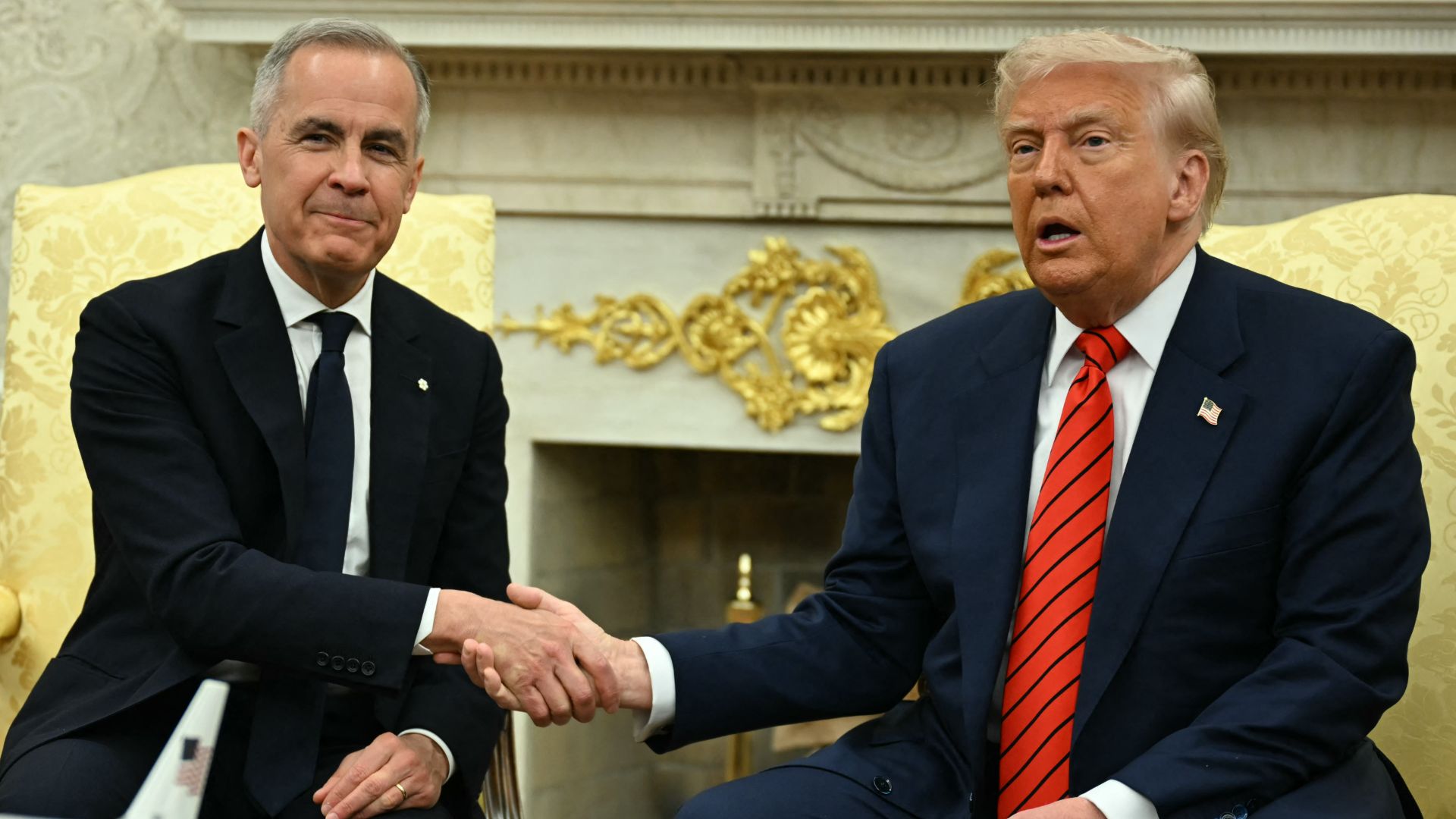
Meanwhile, Trump has offered a more optimistic assessment of the renewed negotiations, suggesting that an agreement between Washington and Ottawa could be reached soon despite months of confrontation over tariffs. During a November 3 interview with Fox News, the president declared, «Canada is very good, we're going to make a deal with Canada very soon. We're going to make a great deal.» Carney, however, provided a more cautious account of the discussions, acknowledging progress while emphasizing that important disagreements remained unresolved. «We've made progress, but we haven't finished. You know, if I were to paraphrase it, it's they're asking less and they're offering more, but we're not quite there», the prime minister explained during a news conference in Antigua and Barbuda. According to Carney, Washington had withdrawn some of its earlier demands, including a controversial proposal that would have given the United States final approval over Canada's future trade agreements with other countries. That development represented a potentially significant concession for Ottawa, which has repeatedly insisted that protecting its economic sovereignty is a fundamental condition of any agreement. Nevertheless, Canadian officials have avoided announcing a breakthrough, maintaining that negotiations must produce concrete benefits for domestic industries before a deal can be finalized.
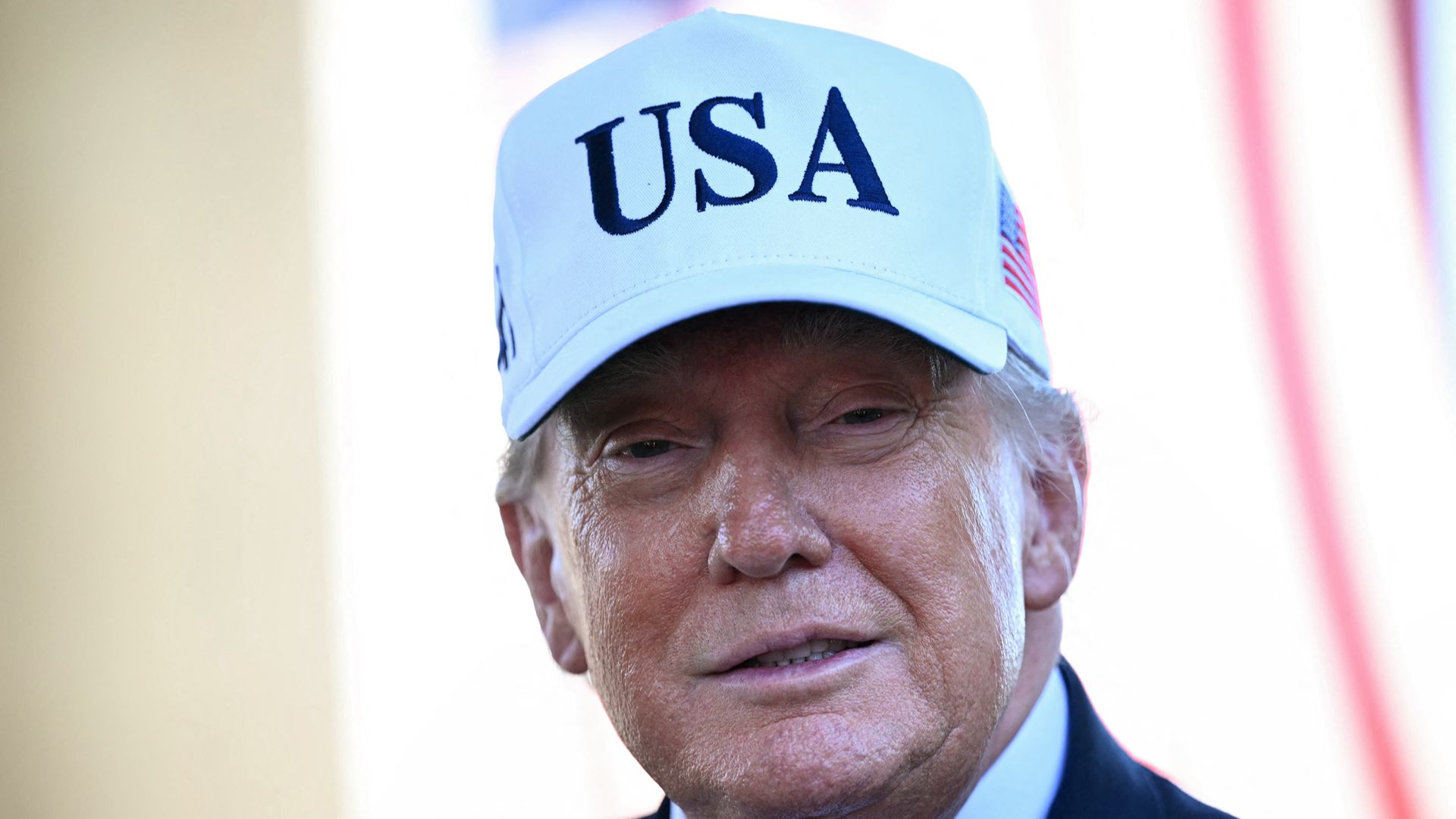
The Democratic takeover of Congress adds a new political dimension to the Canada-U.S. trade dispute, although Ottawa has made clear that it does not intend to adjust its strategy simply because Trump's party suffered major electoral losses. Democrats captured both the House of Representatives and the Senate after campaigning against the administration's economic policies, including tariffs that critics argue have increased costs for American consumers and businesses. The issue became particularly contentious in northern border states, where manufacturers depend on Canadian products, raw materials, and integrated supply chains. In Michigan, Republican Senate candidate Mike Rogers publicly urged Trump to end the trade confrontation, reflecting concerns about its consequences for the automotive industry. Democratic control of Congress could lead to increased scrutiny of the administration's trade policies and provide lawmakers with additional opportunities to challenge specific measures. However, Trump retains considerable executive authority over tariffs and international negotiations, meaning the election results do not automatically eliminate existing trade barriers or guarantee a more favorable agreement for Canada. For Carney's government, the political changes in Washington therefore represent a development to monitor rather than a reason to abandon the negotiating principles established during the dispute.
To a certain extent last night's results are interesting, but they will not have any significant impact in terms of our government's focus and work
Canada's determination to maintain its position also reflects a broader economic strategy aimed at reducing the country's vulnerability to American trade restrictions while protecting industries already experiencing significant financial pressure. Ottawa has committed to expanding commercial relationships beyond the United States, with Carney's government pursuing an objective of doubling Canadian exports to non-American markets over the next decade. The strategy has gained urgency as tariffs continue affecting steelmakers, automobile manufacturers, and other businesses whose operations depend on predictable access to the American market. Recent federal and provincial measures have included billions of dollars in proposed support for Ontario manufacturers, highlighting the domestic consequences of the prolonged confrontation. Yet geographic proximity and deeply integrated production networks mean that the United States will remain an essential trading partner, making continued negotiations unavoidable. LeBlanc's planned discussions with Howard Lutnick and Jamieson Greer demonstrate that Ottawa is prepared to pursue an agreement even as the American political landscape changes. The government's position remains that any settlement must protect Canadian jobs, preserve independent trade decision-making, and deliver meaningful economic benefits. Despite Trump's sweeping midterm defeat and the arrival of Democratic congressional majorities, Canada is maintaining its existing demands rather than treating the election as a substitute for a negotiated resolution.
Created by humans, assisted by AI.
