Christa Pike Wakes Up «Angry and Confused» With Severe Injuries as Judge Orders Botched Execution Evidence Preserved


/https%3A%2F%2Fcdn-tor.buminteractif.com%2F2026%2F10%2F08185908%2Fpikee54534dfsgfgsf.jpg)
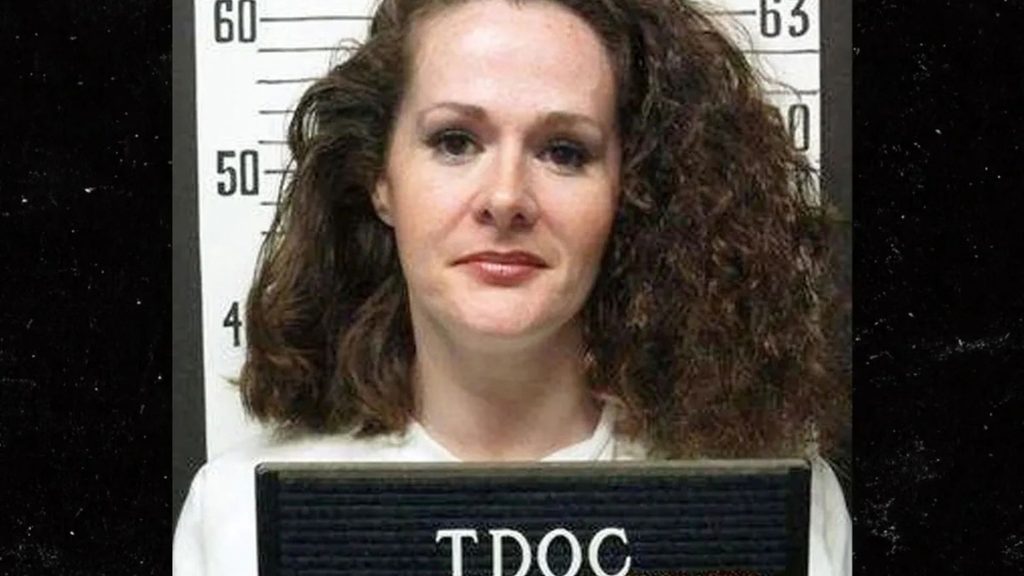
Since Christa Pike's astonishing return to consciousness after Tennessee's failed attempt to execute her, her attorneys have provided the clearest account yet of what their client is experiencing, describing a woman who survived the lethal injection procedure with serious physical injuries but is now able to walk, communicate and express both anger and confusion about what happened to her. Pike, 50, regained consciousness on October 6 after spending nearly a week unresponsive following the September 30 execution attempt, during which Tennessee administered two doses of pentobarbital but failed to kill her. Speaking after an October 7 court hearing in Nashville, attorney Randy Spivey said Pike understood that the state had tried to execute her but remained disoriented after awakening. Asked about her emotional state, Spivey described her as «angry and confused», while revealing that some of her first reported words after regaining consciousness were: «Where am I and who are you?» Her unexpected recovery came after her legal team had been preparing for the possibility that she would not survive.
Despite being awake and increasingly responsive, Pike has suffered significant medical complications that her attorneys say remain a major concern. Spivey said she developed pneumonia and a blood clot in one arm, has experienced difficulty swallowing and eating, and initially had severe swelling in both arms and hands following the execution attempt. Describing the extent of that swelling, he told reporters: «Her hands looked like if you were to blow up a surgical glove.» Her attorneys have also said she temporarily lost the ability to use her arms, although she has since made enough progress to get out of bed and walk. The extent of any lasting damage remains unclear, and her legal team has emphasized that regaining consciousness should not be confused with a full recovery. Pike was still being treated under guard at the hospital, where her lawyers raised concerns about restraints being used despite her injuries. Her condition has become central to the rapidly developing legal fight over the consequences of an execution that proceeded far enough for lethal drugs to be administered but did not result in her death.
«Where am I and who are you?»
-Christa Pike
Pike's attorneys have also offered new details about what she remembers and how she has responded emotionally since awakening. Spivey said she has asked about her legal team and about the family of Colleen Slemmer, the 19-year-old Pike was convicted of torturing and murdering in 1995, an indication that she is able to engage with people around her even as questions remain about her cognitive recovery. Her lawyers say Pike had cooperated with the September 30 execution team, even helping officials locate a vein before personnel repeatedly attempted to establish intravenous access. She eventually reported a burning sensation as pentobarbital was administered and then lost consciousness. Her attorneys suspect problems with the IV placement may have caused some of the drug to enter surrounding tissue rather than properly circulating through her bloodstream, although that explanation has not been established by the independent investigation. Determining precisely what happened inside the execution chamber is now at the heart of Pike's legal strategy — and on Wednesday, her attorneys secured a significant court order designed to ensure that the physical and documentary evidence needed to answer that question does not disappear.
That effort produced a major victory for Pike's legal team during the October 7 emergency hearing in Davidson County Chancery Court, where Judge I'Ashea Myles ordered Tennessee officials to preserve evidence connected to the failed execution. The order encompasses physical materials used during the procedure, including drugs, syringes, needles and intravenous equipment, along with relevant records, communications, photographs, recordings and other documentation that could help reconstruct what happened inside the execution chamber. «Anything in the actual room needs to be preserved and maintained», Myles said as the court considered the attorneys' concerns about potentially disappearing evidence. The state argued that a special preservation order was unnecessary because officials were already required to retain relevant materials, but Myles nevertheless imposed the requirement. The ruling does not determine that Tennessee acted unlawfully or establish why the execution failed. Instead, it protects evidence that could become central to future litigation over the procedure and Pike's treatment.
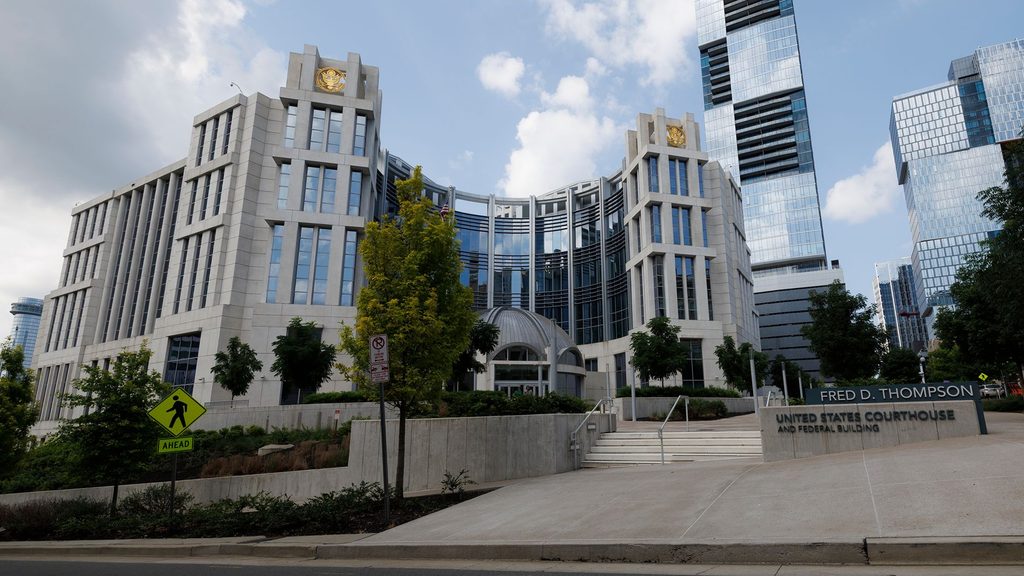
Pike's attorneys also secured improved access to their hospitalized client, another issue they had brought before the court as they prepared for possible constitutional litigation. Myles directed prison officials to respond within two hours to requests from the legal team for in-person visits, making it easier for attorneys to communicate with Pike as her condition evolves. However, the lawyers did not receive everything they requested. The judge did not immediately grant their request for Pike to use a tablet for attorney communications, and she also stopped short at that stage of ordering officials to remove a restraint from an injured arm, seeking additional information concerning her medical circumstances and hospital security before deciding those questions. Those unresolved issues underscore how Pike remains simultaneously a hospital patient and a prisoner under a death sentence. Her attorneys are now seeking clemency from Gov. Bill Lee, arguing that Tennessee should commute her sentence to life imprisonment without parole rather than subject her to the possibility of another execution after what she has already endured.
«Her hands looked like if you were to blow up a surgical glove.»
-Christa Pike attorney, Randy Spivey
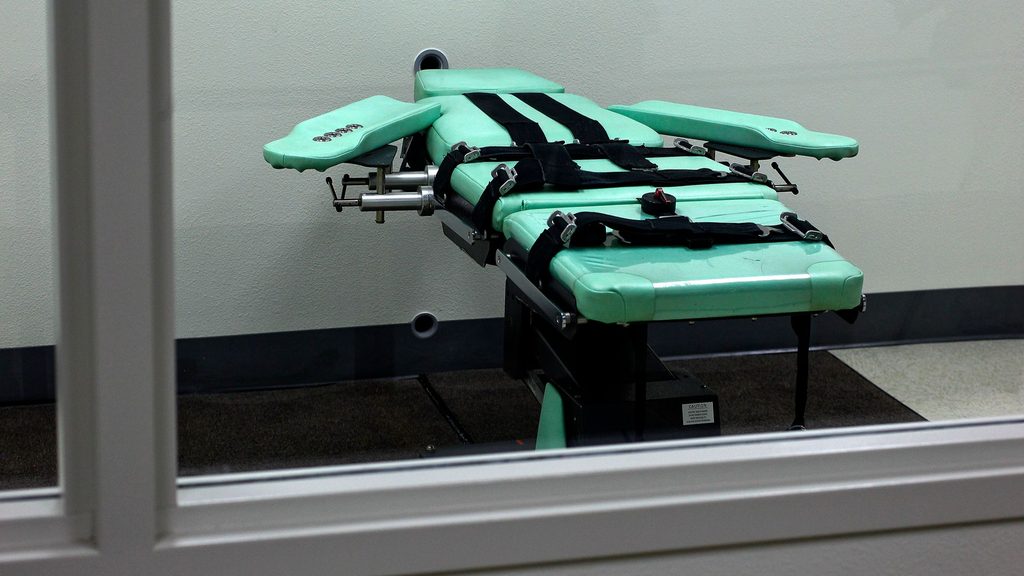
For now, there is no new execution order against Pike, and Tennessee has not announced that it will attempt to execute her again. Lee suspended the state's remaining executions for 2026 and ordered an independent investigation into the September 30 failure, leaving unanswered both the technical cause of the botched procedure and Pike's longer-term fate. Any effort to schedule another execution could open an unusually consequential constitutional fight because Pike's case differs from failed procedures that were abandoned before lethal drugs were fully administered: Tennessee administered pentobarbital during an execution intended to end her life, yet she survived. Her lawyers could argue that forcing her through the process again would violate the Eighth Amendment prohibition against cruel and unusual punishment, while the state could contest that interpretation. Those questions come nearly three decades after Pike was sentenced to death for the 1995 torture and murder of 19-year-old Colleen Slemmer. The immediate battle, however, is now over preserving the evidence, establishing exactly why the execution failed and determining whether Tennessee will ever be permitted to try again.
Created by humans, assisted by AI.
 Trump says Iran could “take out” Los Angeles and San Diego, prompting fierce backlash
 Trump calls for New York Times and other news organizations to be arrested over crowd size reporting