«Dark, Gothic Maga» Musk Declares «I’m Not Maga» and Regrets $500M Spent On Republicans


Elon Musk is distancing himself from Donald Trump's MAGA movement after spending nearly $500 million supporting Republican candidates in the 2026 midterm elections, which ended in sweeping Democratic victories. In a striking reversal from his previous embrace of Trump's political movement, the billionaire Tesla and SpaceX chief executive declared «I'm not Maga» during a November 18 interview with New York Times columnist Andrew Ross Sorkin at the DealBook Summit. Speaking remotely from China, where he accompanied Trump on his diplomatic trip to Asia, Musk questioned what the political label actually represented, explaining that he did not consider himself someone who automatically supported Republican policies. His remarks contrasted sharply with his appearance at Trump's October 2024 campaign rally at Madison Square Garden, where he enthusiastically proclaimed: «I'm not just Maga. I'm dark, gothic Maga.» The shift comes two years after Musk became one of Trump's most prominent political supporters, raising questions about his changing relationship with the movement he once publicly celebrated.
Musk's attempt to redefine his political identity was accompanied by an unusually candid assessment of the extraordinary sums he poured into Republican campaigns. The billionaire spent approximately $446 million during the 2026 election cycle, making him the largest individual political donor of the cycle, according to figures reported by The Washington Post. Yet those contributions failed to prevent Democrats from winning control of both chambers of Congress. Reflecting on the outcome, Musk acknowledged: «I feel pretty foolish about having spent so much money and not seeing much for it.» He nevertheless conceded that Republicans might have performed even worse without his financial intervention, while arguing that the results demonstrated the limitations of political spending. Rather than attributing the party's defeats exclusively to campaign strategy or individual candidates, Musk recognized that enormous financial resources do not necessarily translate into electoral success. His conclusion about his own spending was equally revealing: «If I could rewind the clock I would have spent less money.» The admission represents a significant reassessment from a billionaire who had committed unprecedented personal resources to influencing the direction of American politics.
If I could rewind the clock I would have spent less money.
The scale of Musk's political disappointment becomes particularly apparent in Texas, where he directed more than $150 million toward efforts supporting Republican Senate candidate Ken Paxton. Despite that financial advantage, Paxton lost to Democrat James Talarico, delivering the party its first statewide victory in Texas in more than three decades. Democrats also secured the governorship, with Gina Hinojosa defeating Republican incumbent Greg Abbott, underscoring the extent of the electoral shift in a state that hosts major Tesla and SpaceX operations. Nationally, Democrats captured nine Republican-held Senate seats and regained control of the House, ending unified Republican control of Congress just two years after Trump's return to the White House. The defeats were particularly consequential for Musk, whose financial support had been intended to help preserve Republican influence in Washington. However, the results do not establish that his contributions had no effect on individual races, only that they were insufficient to secure his preferred overall outcome. Musk also indicated that his original objective had been more limited than maintaining complete Republican control, saying he had wanted Republicans to retain a narrow Senate majority while allowing some balance between the two parties.
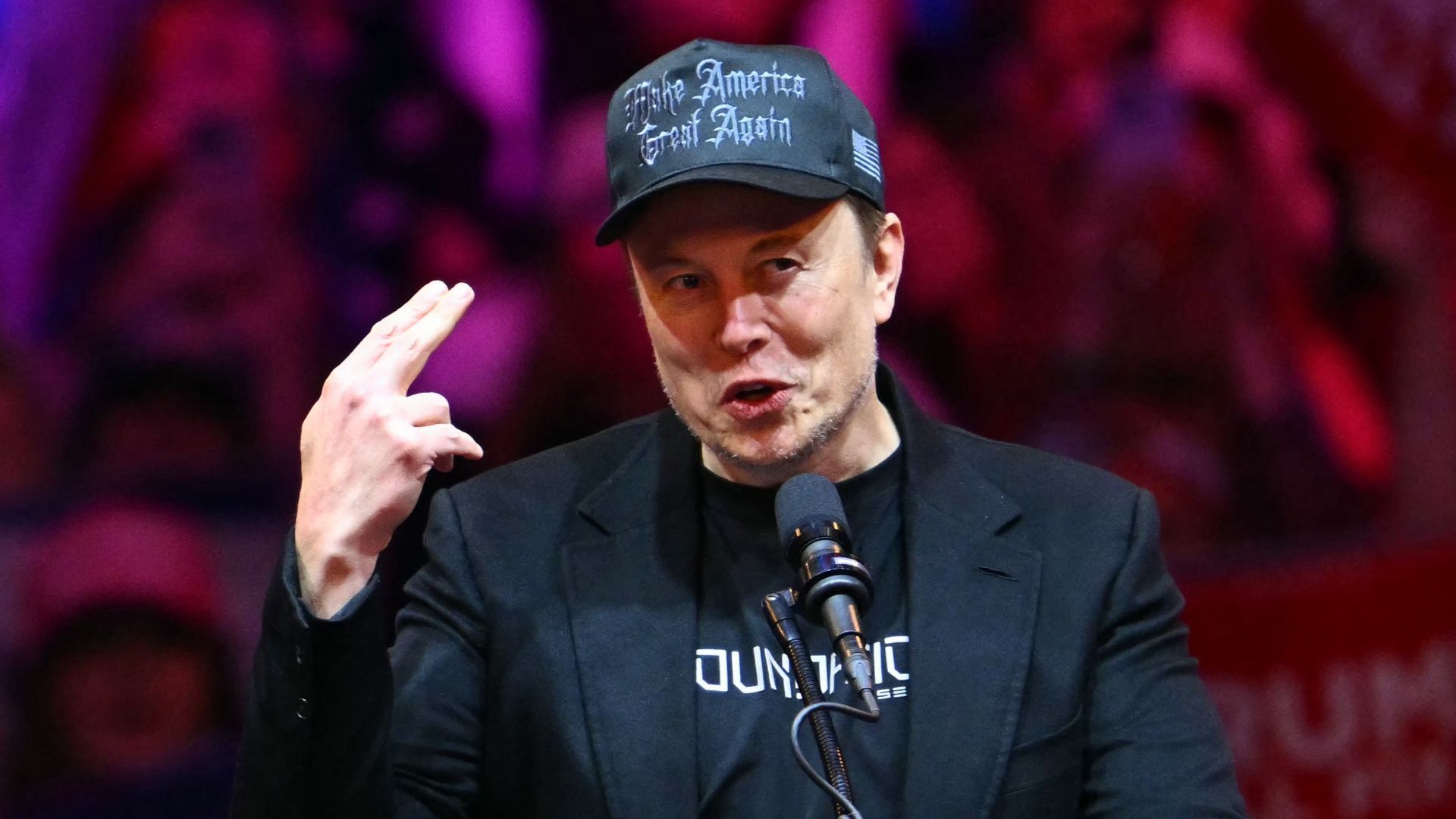
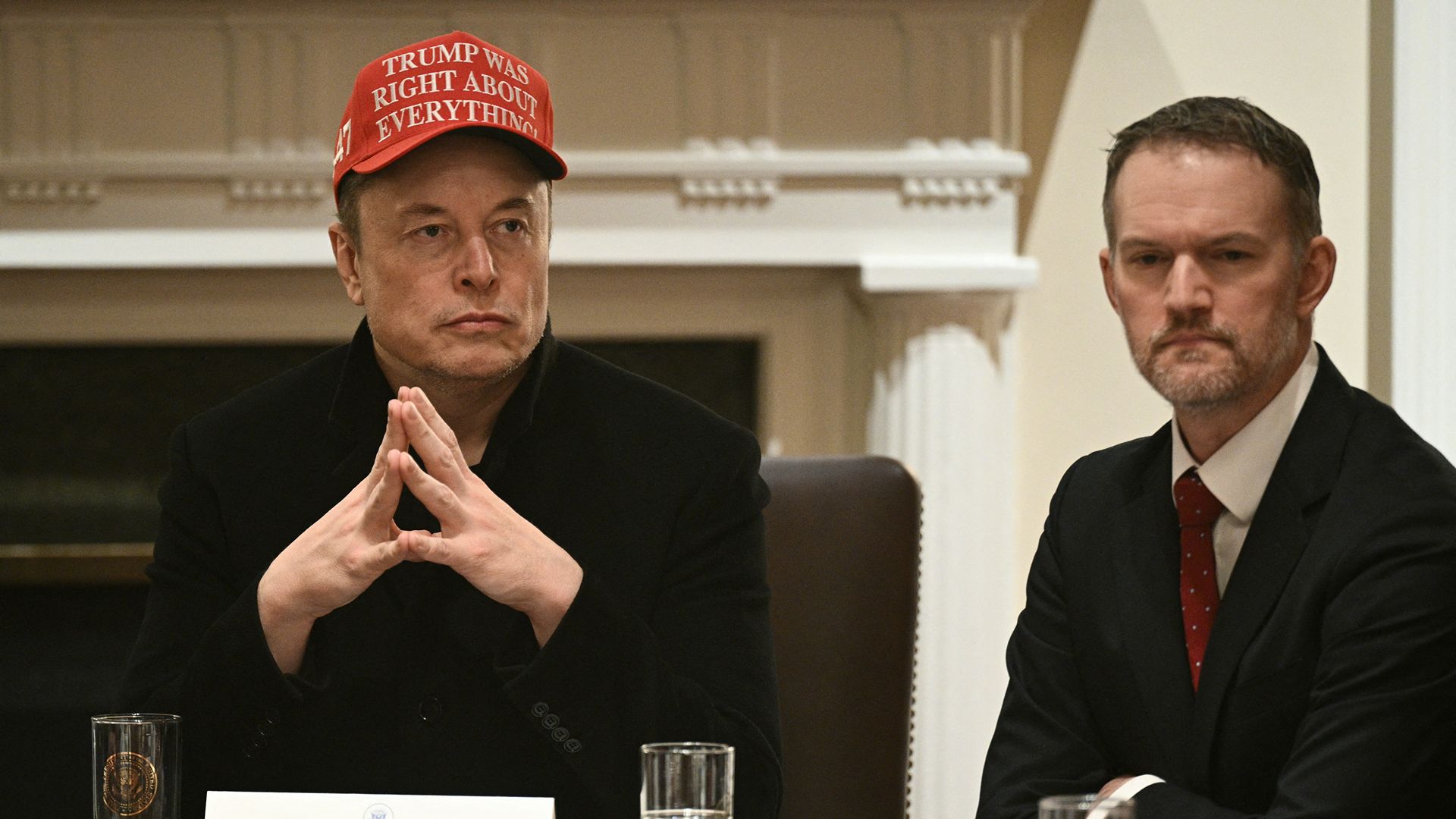
Musk's latest declarations stand in sharp contrast to the role he played in bringing Trump back to the White House in 2024, when he contributed at least $250 million to Republican political efforts and became one of the most recognizable figures in the president's campaign. Following Trump's victory, the billionaire was given a prominent position overseeing the Department of Government Efficiency (DOGE), an initiative intended to dramatically reduce federal spending and reshape the federal workforce. During his 180 days in the administration, Musk regularly attended cabinet meetings, appeared alongside Trump in the Oval Office, and publicly defended efforts to eliminate government programs and thousands of federal positions. He also frequently wore merchandise displaying slogans such as «Make America Great Again» and «Trump was right about everything», reinforcing his close identification with the movement. At Trump's inauguration in January 2025, Musk celebrated the Republican victory as a defining historical moment, declaring: «This was no ordinary victory. This was a fork in the road of human civilization.» His latest rejection of the MAGA label therefore marks a notable departure from the political identity he had spent years promoting.
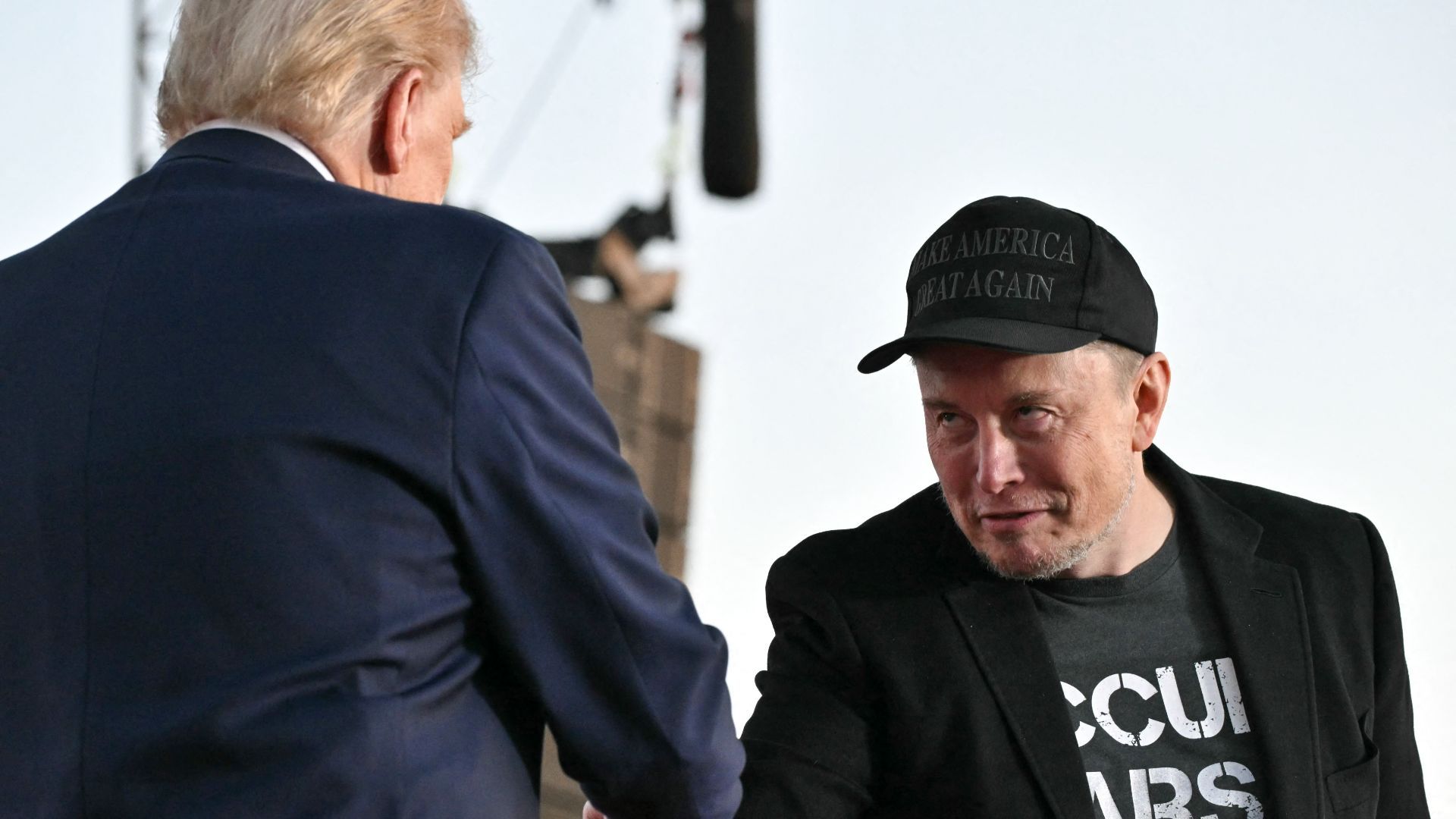
However, Musk's relationship with Trump had already experienced considerable turmoil before his latest remarks. Following his departure from DOGE in 2025, the billionaire publicly criticized the administration's sweeping tax and spending legislation, triggering a confrontation that quickly escalated into personal accusations between the two men. During the dispute, Musk made an explosive allegation on X concerning Trump's connection to documents related to convicted sex offender Jeffrey Epstein, writing: «Time to drop the really big bomb: @realDonaldTrump is in the Epstein files. That is the real reason they have not been made public.» The allegation was presented without supporting evidence and did not establish wrongdoing by Trump. Their disagreement subsequently eased, and the two eventually reconciled, with Musk returning to the president's political orbit. Their renewed association was evident during Trump's November 2026 visit to China, where Musk joined the American delegation and participated remotely in the DealBook interview. The reconciliation is an important distinction when interpreting Musk's latest comments: although he now rejects identifying himself as MAGA, he has not announced a complete political separation from Trump or ruled out supporting Republicans in future elections.
I'm not just Maga. I'm dark, gothic Maga.
Beyond his disappointment with election spending, Musk also attempted to present himself as a political moderate at a moment when Democrats are preparing to scrutinize his activities during Trump's administration. During the DealBook interview, he described his views as «ideologically quite moderate» and insisted: «I don't think I have like, you know, any any kind of extreme political views.» His comments extended to Texas, where Democrat Gina Hinojosa is preparing to replace Republican Governor Greg Abbott following her election victory. Rather than expressing alarm at the change in leadership, Musk offered a relatively reassuring assessment, stating: «I don't think she's sort of a far-left governor, and based on everything I've heard about her, I think things will be fine in Texas with Gina as governor.» Meanwhile, Democratic lawmakers have signaled interest in examining Musk's government activities, including his role at DOGE and questions surrounding his companies' federal relationships. When asked about potential legal exposure and Trump's suggestion that he could receive a presidential pardon if necessary, Musk responded: «I don't think I need a pardon by the way, because I haven't committed any crimes.» His remarks illustrate a changing public political position, although whether that shift translates into different financial commitments or a lasting change in his relationship with Trump remains to be seen.
Created by humans, assisted by AI.
Share this post

Popular posts
-

GTA VI: Job Time-Off Requests Surge 13% in U.S. and 6.6% in Canada
-
American Airlines cancels Chicago-New York flight. They rebook late-night with no notice. Then they deny refund after she no-shows: ‘Delta did same’
-

Man flies to Michigan to buy Cadillac at Chevrolet dealership. Then he realizes the dealership ‘scammed’ him by hiding a major issue
-

Detroit woman dines at Texas Roadhouse. Then she says the server ID’d her for plastic silverware