

/https%3A%2F%2Fcdn-tor.buminteractif.com%2F2026%2F06%2F02163057%2Fhegseth-pentagon-getty-3453dghd.jpg)
Defense Secretary Pete Hegseth has moved to further restrict journalists working inside the Pentagon, escalating a months-long conflict between the Department of Defense and major news organizations over transparency, access and First Amendment protections. The latest measure follows an earlier policy requiring reporters to be accompanied by official escorts while moving through the building, a change that prompted legal action from The New York Times. For decades, accredited Pentagon correspondents were granted access to press offices, hallways and designated workspaces while maintaining regular contact with Defense Department spokespeople and officials. Under Hegseth's leadership, however, those long-established arrangements have been steadily dismantled. The new decision bars journalists from entering the Pentagon Press Office itself, representing one of the most significant restrictions on media access at the military headquarters in recent history.
The Pentagon justified the decision by redesignating the press office as a Sensitive Compartmented Information Facility, or SCIF, an area reserved for the handling of highly classified information. Acting Pentagon Press Secretary Joel Valdez argued that the move was necessary because speechwriters supporting senior Pentagon leadership now occupy the space. In a public statement, Valdez said: «This is the most transparent war department in history. No amount of spin from the Fake News media will change that.» He further explained that «The Pentagon Press Office has been redesignated as a Sensitive Compartmented Information Facility due to speechwriters from the Office of the Secretary of War sharing the facility.» According to Valdez, journalists would no longer be permitted to enter because «These speechwriters routinely handle classified material.» The explanation was immediately challenged by press freedom advocates who viewed the measure as another effort to isolate reporters from officials.
«The ‘press' does not run the Pentagon, the people do. The press is no longer allowed to roam the halls of a secure facility. Wear a badge and follow the rules, or go home.»
-U.S. Press Secretary, Pete Hegseth
The decision is part of a broader transformation of media operations inside the Pentagon since Hegseth took office. Reporters historically worked from the Pentagon's Correspondents' Corridor, a dedicated area that allowed journalists from major news organizations to maintain permanent workspaces and develop relationships with military officials. Critics argue that the gradual elimination of these arrangements has severely limited the ability of reporters to gather information independently. Several major outlets, including The New York Times, CNN and NBC News, have previously lost dedicated office space inside the building as the Pentagon reshuffled workspace assignments. The changes sparked accusations that the department was favoring outlets perceived as friendly to the administration while reducing opportunities for more critical organizations to maintain a daily presence within the nation's military headquarters.
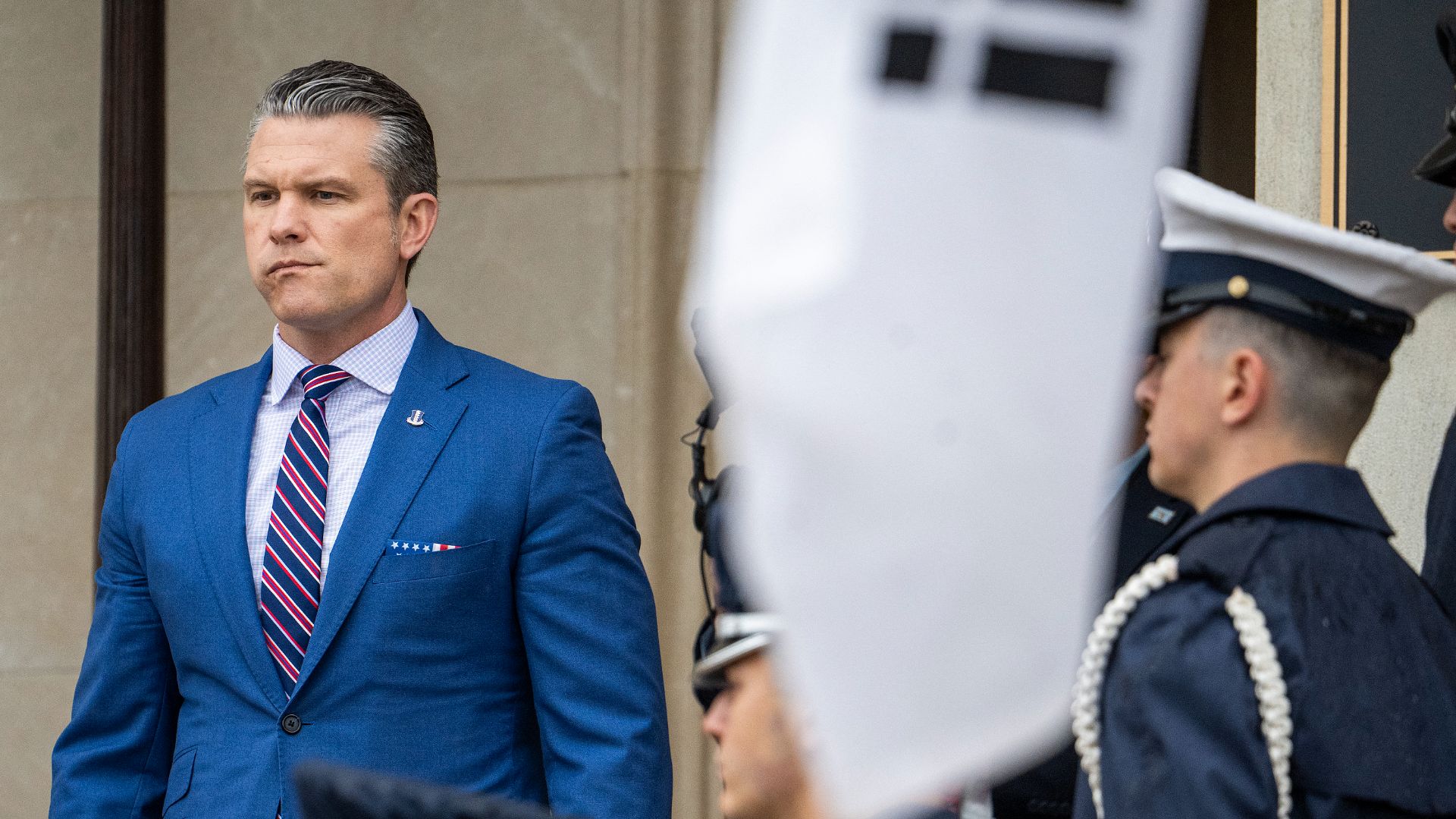
Earlier restrictions introduced by the Pentagon generated immediate legal challenges. In October, the department implemented a policy allowing officials to designate journalists as security risks and revoke their credentials. Hegseth defended the measure publicly, stating: «The ‘press' does not run the Pentagon, the people do. The press is no longer allowed to roam the halls of a secure facility. Wear a badge and follow the rules, or go home.» The New York Times responded with a federal lawsuit alleging violations of the First and Fifth Amendments. In March, a federal judge ruled against the Pentagon and restored access that had been removed under the policy. The decision was widely interpreted as a significant victory for press freedom advocates who argued that the government cannot arbitrarily restrict access based on viewpoint or coverage.
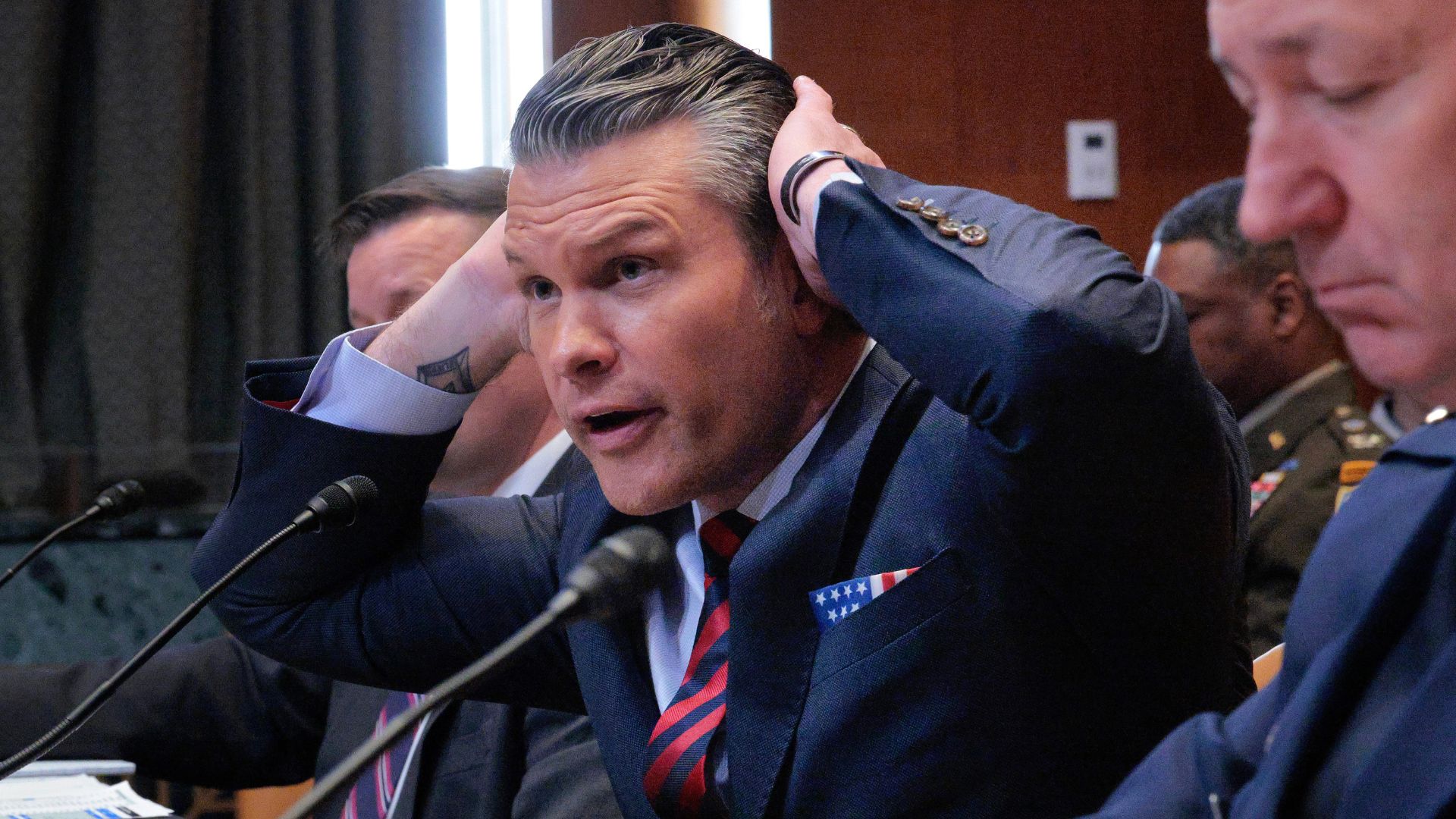
The court ruling, however, did not end the dispute. The Pentagon subsequently introduced new procedures that critics say achieved many of the same objectives through different means. Journalists were required to travel throughout the building with official escorts, preventing them from conducting spontaneous interviews or developing informal relationships with sources. Media organizations argued that such encounters are a fundamental part of reporting on national security and defense policy. The New York Times filed another lawsuit challenging the escort requirement, claiming that it effectively circumvented the earlier court ruling. Press advocates contend that while the Pentagon formally complied with the judge's order, it simultaneously erected new bureaucratic barriers that significantly reduced reporters' ability to gather information and hold government officials accountable.
«These speechwriters routinely handle classified material.»
-Acting Pentagon Press Secretary Joel Valdez
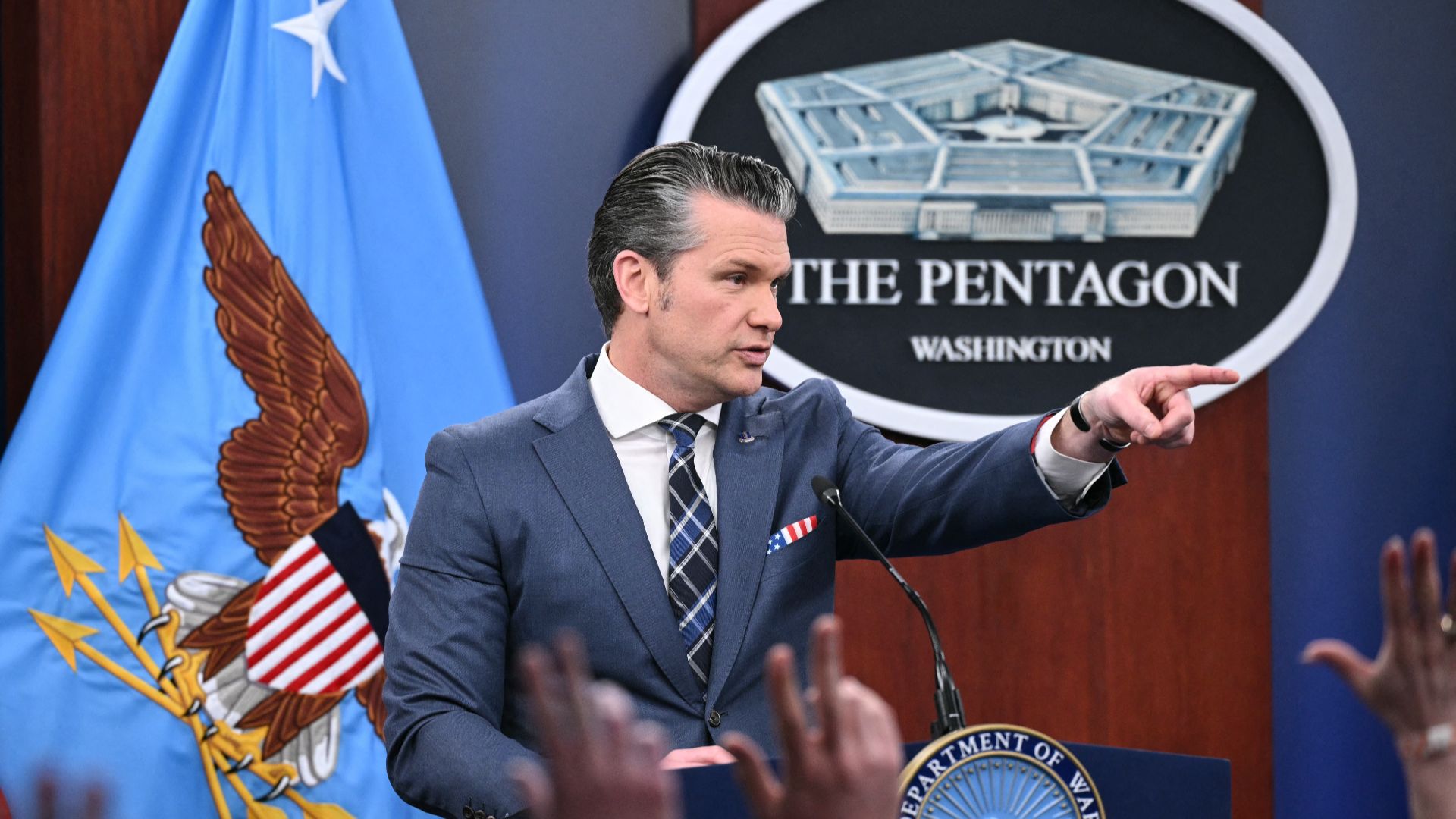
The latest closure of the Pentagon Press Office to journalists is expected to intensify the ongoing legal and political battle over transparency at the Department of Defense. Supporters of the administration maintain that stricter controls are necessary to protect classified information and maintain security within one of the world's most sensitive government facilities. Critics counter that the cumulative effect of the restrictions—including credential threats, escort requirements, workspace removals and now the loss of access to the press office itself—has fundamentally altered the relationship between the Pentagon and the press corps. With multiple legal challenges continuing and media organizations warning of unprecedented restrictions, the conflict between Hegseth's Pentagon and the journalists assigned to cover it remains far from resolved.
Created by humans, assisted by AI.
