Democrats Expand Investigation Into Donald Trump Jr.’s Investment Firm After Its Assets Soared From $150 Million to $3 Billion


House Democrats have expanded their investigation into Donald Trump Jr.'s investment firm, 1789 Capital, following an extraordinary increase in its assets under management from approximately $150 million to more than $3 billion since his father's return to power. On November 23, Maryland Congressman Jamie Raskin, the ranking Democrat on the House Judiciary Committee, sent letters to four companies backed by the investment firm, seeking records concerning their dealings with the Trump administration and potential access to privileged government information. The investigation, initially launched in August, seeks to determine whether political connections or advance knowledge of federal decisions contributed to the firm's remarkable financial performance. According to congressional investigators, its main investment fund had generated a return of approximately 200% by June 30, 2026, roughly ten times the average of comparable venture capital firms. «They say there is no such thing as a sure thing in investing, but this is about as close as you can get,» Raskin said when announcing the original investigation. Neither Trump Jr. nor his investment firm has been found to have engaged in wrongdoing.
Among the companies facing renewed congressional scrutiny is Hadrian Automation, a manufacturing technology firm specializing in aerospace and defense production. In July 2025, 1789 Capital invested in the company, which subsequently secured nearly $1 billion in contracts from the U.S. Navy and Army in March 2026. According to Raskin, Hadrian's valuation climbed from approximately $1.6 billion to nearly $8 billion. «Your investment in the Trump family has paid handsome dividends,» the congressman wrote in his letter to the company. The development follows earlier questions surrounding Vulcan Elements, a rare-earth magnet manufacturer backed by 1789 Capital that received a $620 million Defense Department loan and a $50 million Commerce Department grant. The company's valuation reportedly increased from $200 million to $2 billion, while White House trade adviser Peter Navarro reportedly played a role in initiating the loan request. Investigators are seeking to establish whether these federal funding decisions were made independently of the companies' financial relationships with the president's eldest son.
These are personal attacks untethered to actual evidence.
Another particularly lucrative investment under investigation involves Polymarket, the prediction-market platform that previously faced significant regulatory obstacles to operating in the United States. After 1789 Capital invested in the business, the Justice Department and the Commodity Futures Trading Commission closed their respective investigations into the platform in July 2025. Subsequent regulatory developments helped clear a path for Polymarket to return to the American market, substantially expanding its commercial opportunities. According to congressional investigators, the company's valuation climbed from approximately $300 million to $15 billion, while 1789 Capital reportedly generated a seventyfold return on its investment. Raskin is seeking communications and financial records that could establish whether the investment firm had prior knowledge of impending regulatory decisions or whether individuals associated with Trump Jr. communicated with federal officials about the company. Although the timing of the investment and the subsequent regulatory developments form a central part of the congressional inquiry, no evidence establishing that Trump Jr. obtained confidential government information has been publicly presented.
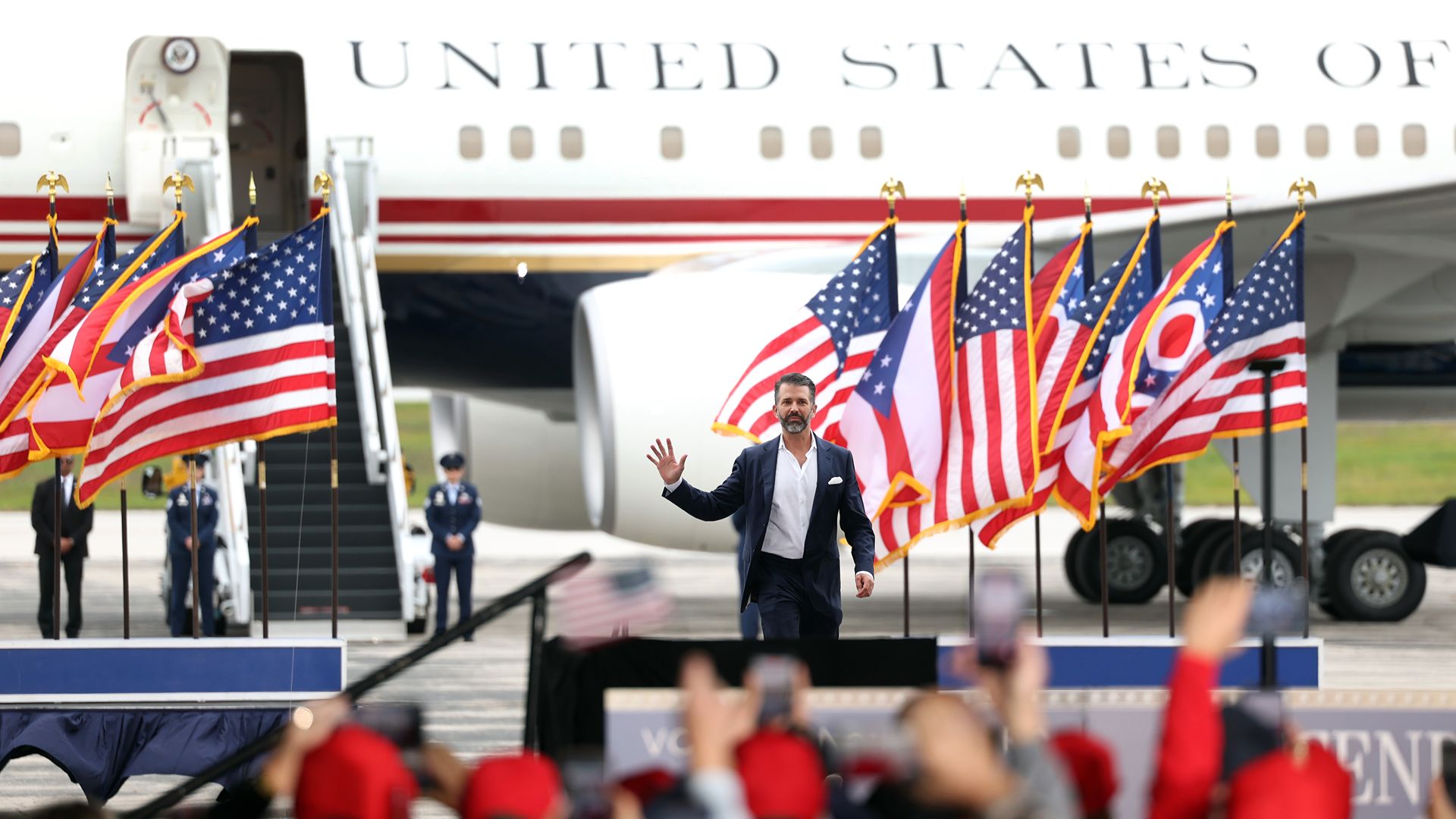
The expanded investigation also encompasses Juul Labs and GrabAGun, two companies whose business prospects improved following regulatory developments under the Trump administration. In March 2025, 1789 Capital reportedly acquired a $5 million stake in Juul, the electronic cigarette manufacturer that had faced years of regulatory challenges. Four months later, the Food and Drug Administration authorized the marketing of five Juul products in the United States. Meanwhile, Trump Jr. joined GrabAGun's board after helping the online firearms retailer become a publicly traded company. In May 2026, the Bureau of Alcohol, Tobacco, Firearms and Explosives proposed regulatory changes that could facilitate direct firearm deliveries to customers, potentially benefiting the retailer's business model. GrabAGun rejected suggestions that its relationship with the president's son influenced the proposed changes, stating that «GrabAGun's only input came through public comments on several of those proposals.» Juul, meanwhile, indicated that it was willing to cooperate with congressional investigators.
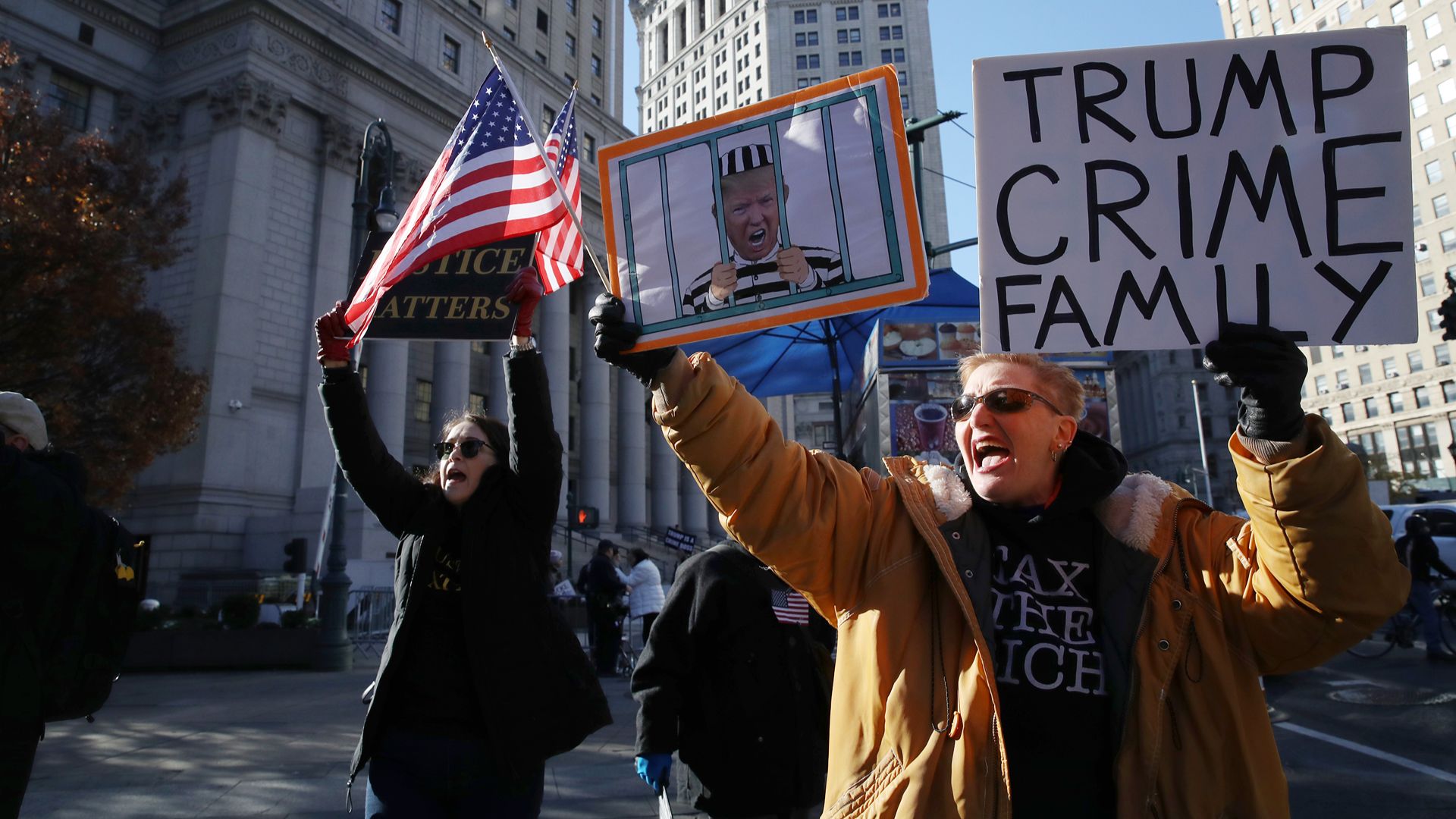
Donald Trump Jr. has dismissed suggestions that his investment activities constitute corruption, maintaining that his business decisions are independent of his father's administration. Speaking at the Axios BFD Summit on November 17, he was asked whether he understood why investments in companies subsequently receiving government contracts could raise suspicions of corruption. «I can see what they're saying. It doesn't make it so.» Trump Jr. explained that he had worked with 1789 Capital founder Omeed Malik for years before formally joining the firm and maintained that investment decisions were informed by research conducted by financial analysts. He also argued that his family's involvement in politics should not force him to abandon his business career. Bill Burck, an attorney representing 1789 Capital, similarly rejected Raskin's accusations, stating that «These are personal attacks untethered to actual evidence.» The firm's legal representatives maintain that congressional investigators have mischaracterized certain transactions, conflated separate business entities and relied on factual inaccuracies that the company previously addressed in September.
They say there is no such thing as a sure thing in investing, but this is about as close as you can get.
The investigation's expansion comes just days after Trump signed a controversial executive order on November 20 that could complicate congressional efforts to obtain information from federal contractors. The directive requires contractors and subcontractors to coordinate with the executive branch when responding to certain congressional requests and to protect communications deemed privileged by the administration. Companies failing to comply could face penalties ranging from contract termination to suspension or exclusion from future federal contracting opportunities. The White House maintains that the measures are intended to safeguard executive privilege and confidential government information, while Raskin has characterized the directive as «blatantly unlawful.» The order could directly affect Hadrian's ability to respond to congressional requests involving its military contracts, although it has not been established that the directive was specifically designed to impede the investigation into 1789 Capital. With Democrats preparing to assume control of Congress in January following their midterm election victory, the incoming majority's subpoena powers could intensify scrutiny of the Trump family's business dealings and trigger a broader confrontation with the administration over congressional oversight.
Created by humans, assisted by AI.
Share this post

Popular posts
-

New York woman goes to Baskin-Robbins with a coupon for a free birthday scoop. Then a worker claims they don’t have any ice cream: ‘Gaslight Robbins’
-
20 Lost Books We Only Know Through Other Writers
-

Man flies to Michigan to buy Cadillac at Chevrolet dealership. Then he realizes the dealership ‘scammed’ him by hiding a major issue
-

Woman orders bowl of chili at Texas Roadhouse. The portions seem off—so they ask for an empty cup. Workers admit they’re right: ‘The same’