Four Fatally Shot, Six Wounded After Cuba Opens Fire on Speedboat, Accuses U.S. of «infiltration for terrorist purposes»


/https%3A%2F%2Fcdn-tor.buminteractif.com%2F2026%2F02%2F26195334%2FCuba-us-speedboat-getty-3453445356.jpg)
Cuba says a confrontation off its northern coast left four people dead and six wounded after Cuban border forces opened fire on a Florida-registered speedboat that Havana alleges entered Cuban waters and initiated gunfire. According to Cuba's Interior Ministry, the incident occurred Wednesday morning near Cayo Falcones, roughly one nautical mile northeast of the El Pino canal, when Cuban Border Guard troops approached the vessel for identification. Authorities said those aboard the speedboat «opened fire», injuring the commander of the Cuban patrol craft, prompting Cuban forces to return fire.
The ministry stated that the wounded were transported for medical treatment while six survivors were detained. The unusually deadly maritime clash immediately heightened tensions in the Florida Straits and triggered diplomatic alarm.
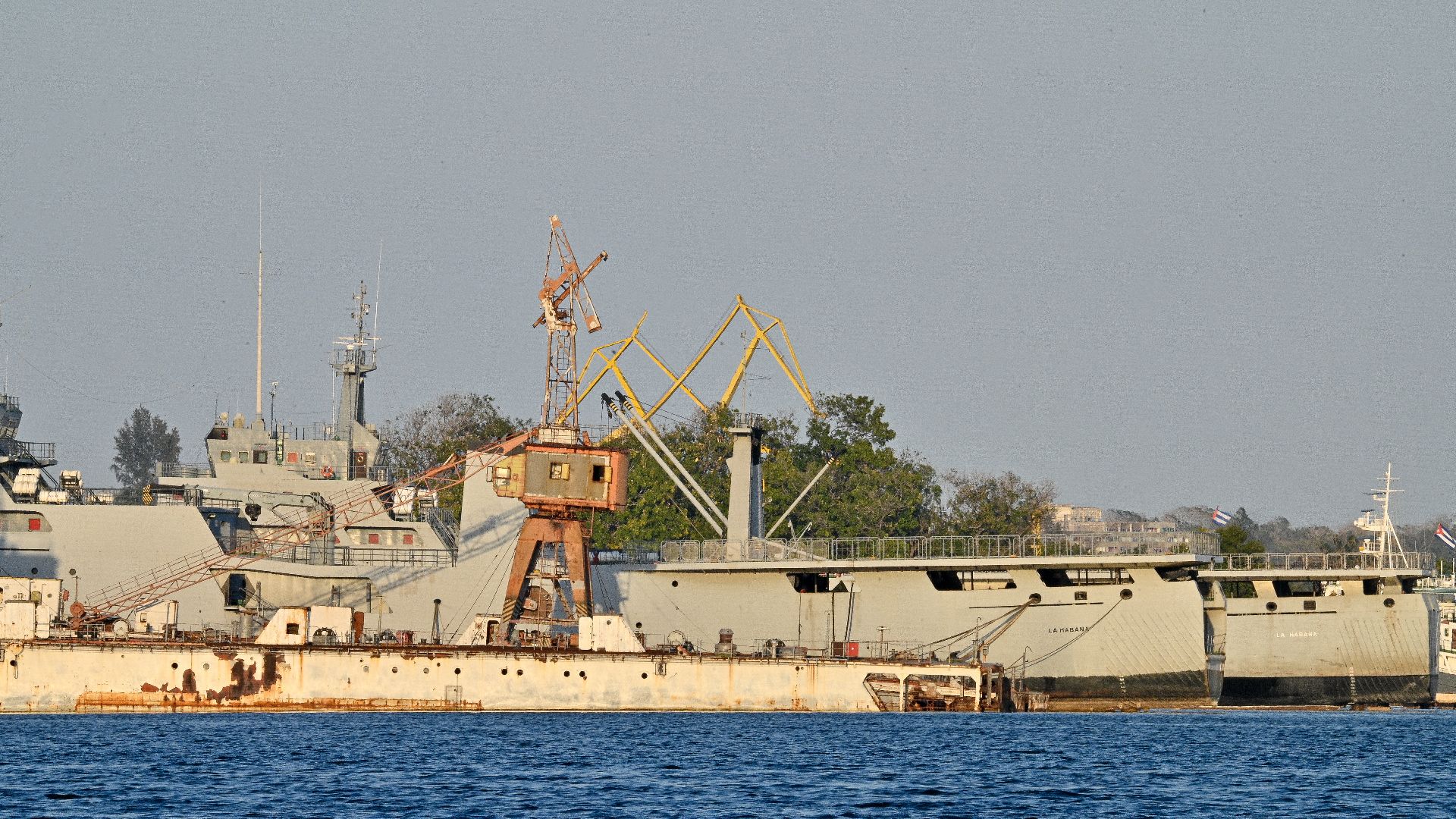
Cuban officials quickly framed the episode as more than a border confrontation, describing it as an organized armed incursion. In its official statement, the Interior Ministry said the 10 people aboard were «Cuban residents of the United States» who were armed and «intended to carry out an infiltration for terrorist purposes.»
Authorities reported seizing assault rifles, handguns, Molotov cocktails, bulletproof vests, telescopic sights and camouflage uniforms from the vessel. The government added that most of the individuals «have a known history of criminal and violent activity.» In the same communication, Havana declared:
«In the face of current challenges, Cuba reaffirms its determination to protect its territorial waters, based on the principle that national defense is a fundamental pillar of the Cuban State in safeguarding its sovereignty and ensuring stability in the region.»
«The 10 people aboard were Cuban residents of the United States who were armed and intended to carry out an infiltration for terrorist purposes.»
-Cuba Interior Ministry
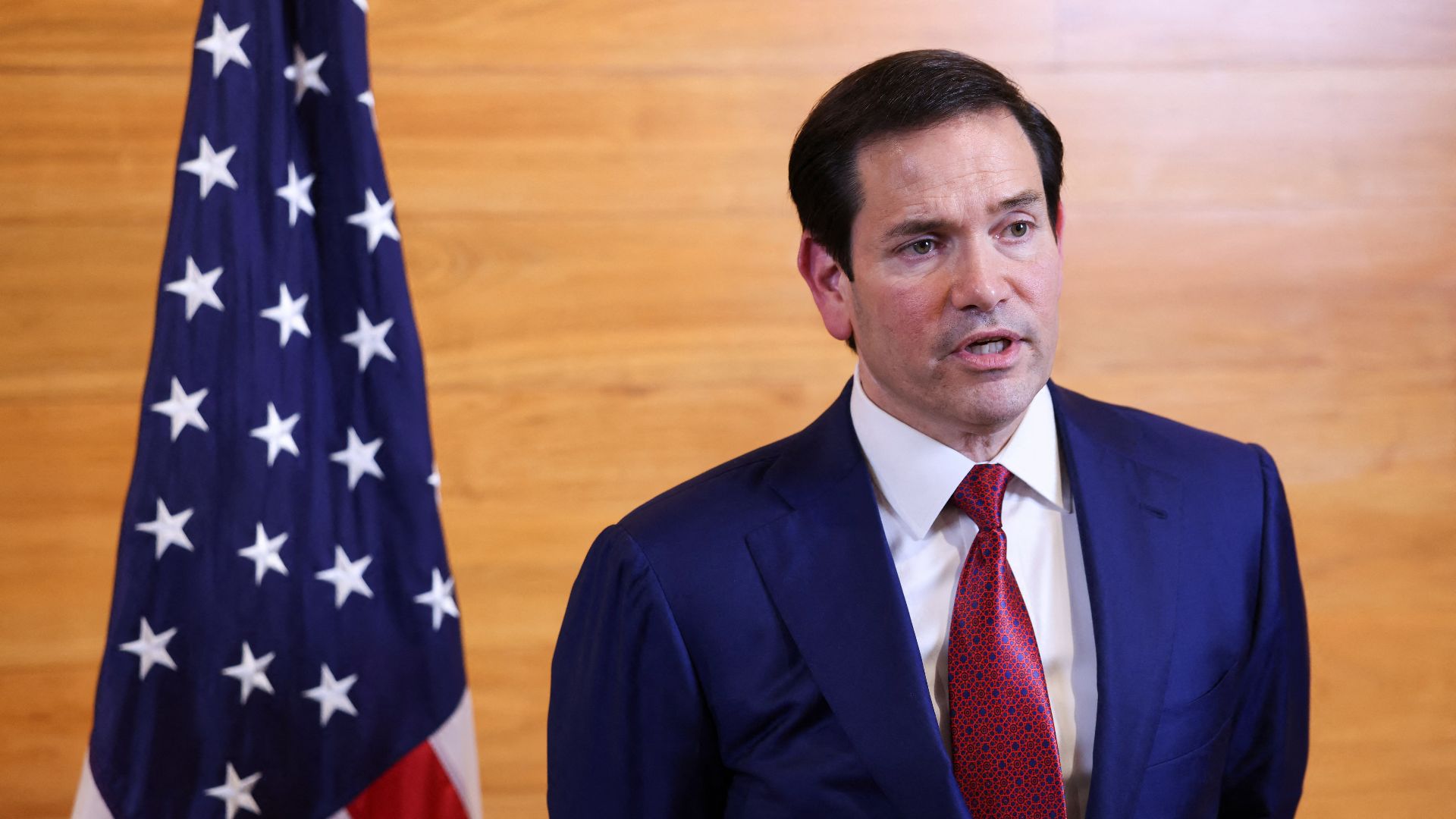
U.S. officials have rejected any suggestion that the incident was a U.S. government operation and said they are independently assessing the situation. Secretary of State Marco Rubio stated that no U.S. government personnel were involved and cautioned against accepting Havana's narrative without verification. «We're not going to base our conclusions on what they've told us, and I'm very, very confident that we will know the full story of what happened here,» Rubio said. He added:
«As we gather more information, then we'll be prepared to respond accordingly.» Emphasizing the rarity of such an event, Rubio remarked: «Suffice to say it is highly unusual to see shootouts in open sea like that.» Vice President JD Vance said the administration was closely monitoring developments.
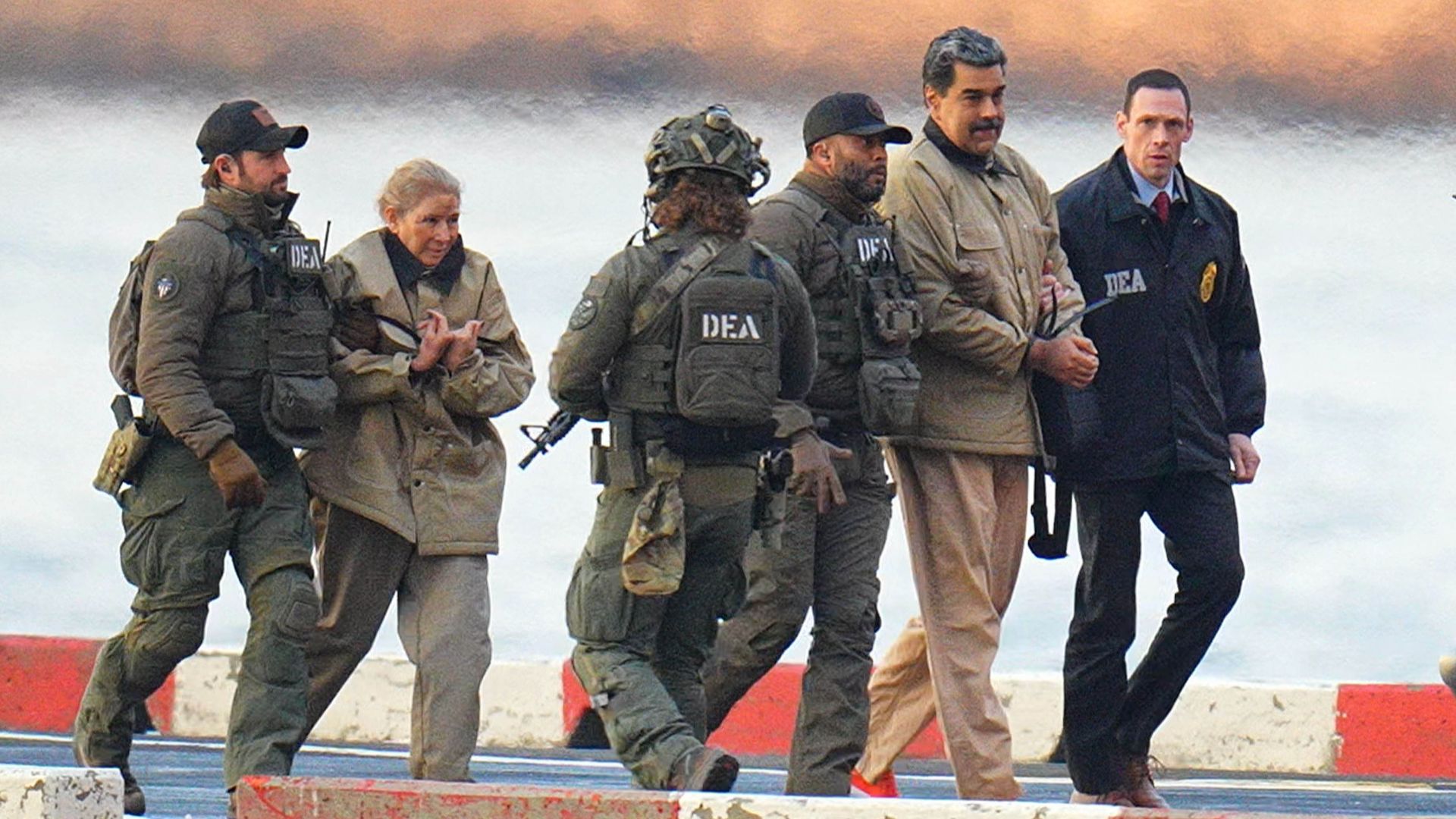
The speedboat shooting comes amid heightened regional tensions following the U.S. military operation that led to the capture of Venezuelan President Nicolás Maduro on January 3, 2026. U.S. forces detained Maduro in Caracas and transferred him to the United States to face federal charges related to narcoterrorism and drug trafficking. The operation followed months of expanded U.S. naval deployments and enforcement actions targeting Venezuelan oil exports. After Maduro's removal, Vice President Delcy Rodríguez assumed power on an interim basis, pledging institutional stability while facing internal and international pressure.
The Trump administration has framed the operation as a law enforcement and national security action, further escalating diplomatic strain across the Caribbean, including with Cuba, which has historically depended on Venezuelan oil shipments.
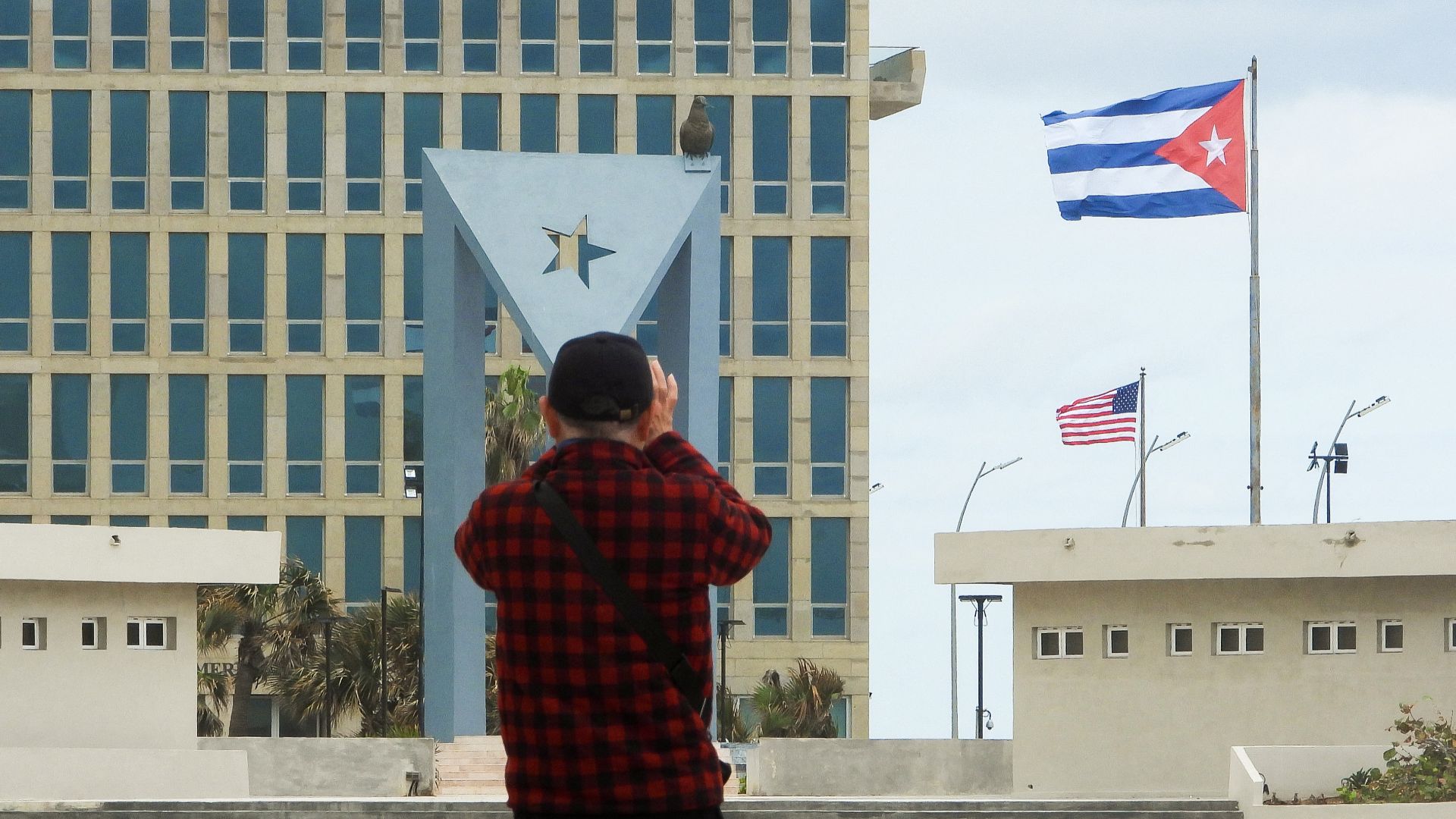
The diplomatic fallout has intensified political rhetoric on both sides. Florida Attorney General James Uthmeier criticized Havana's account, stating: «The Cuban government cannot be trusted, and we will do everything in our power to hold these communists accountable.» Cuban authorities, meanwhile, maintain that the confrontation began only after the vessel entered Cuban waters and fired upon Cuban forces. Officials in Havana have characterized the incident as a defensive response to an armed threat. The competing narratives hinge on details that have not yet been publicly released, including potential ballistic evidence, radar tracking data and testimony from the detained survivors.
«We're not going to base our conclusions on what they've told us, and I'm very, very confident that we will know the full story of what happened here.»
-U.S. Secretary of State Marco Rubio
As investigations continue, the episode threatens to deepen an already fragile relationship between Washington and Havana. Cuba's repeated use of the phrase «infiltration for terrorist purposes» underscores its attempt to frame the shooting as a national security response rather than an immigration or smuggling matter. The Trump administration, while disputing the Cuban account, has signaled it will respond once more facts are established. Rubio's remark that «it is highly unusual to see shootouts in open sea like that» reflects the seriousness with which U.S. officials are treating the incident. With sanctions enforcement intensifying across the region and maritime tensions rising, the deadly encounter risks becoming a significant diplomatic flashpoint.
Created by humans, assisted by AI.
