

/https%3A%2F%2Fcdn-tor.buminteractif.com%2F2026%2F03%2F26151552%2Ftrump-hegseth-iran-getty-345345546345.jpg)
GOP frustration is mounting following a classified Pentagon briefing led under Defense Secretary Pete Hegseth, with lawmakers expressing growing concern over what they describe as a lack of clarity regarding the U.S. strategy in Iran. According to CNN, several Republican members left the briefing dissatisfied, pointing to limited information on key operational details, particularly surrounding troop deployments in the Middle East. The briefing, intended to reassure lawmakers amid escalating tensions, instead appeared to deepen concerns within the party, as questions about the scope, objectives, and duration of U.S. involvement in the region remain largely unanswered.
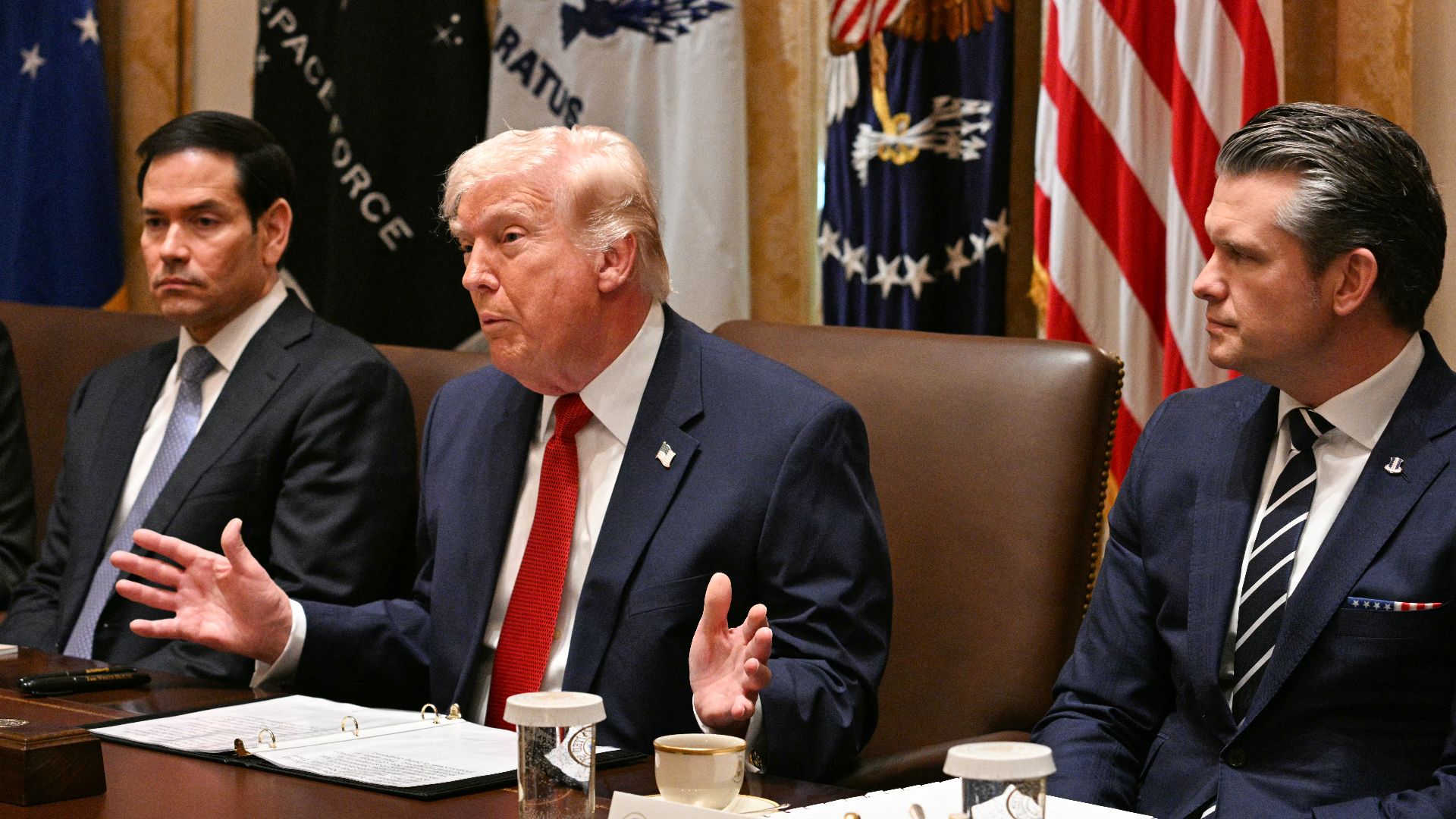
At the center of the frustration is the Pentagon's handling of troop movements, including the recent deployment of approximately 1,000 paratroopers from the 82nd Airborne Division to the Middle East. Lawmakers have indicated that while they were informed of the deployment, they were not provided with sufficient context regarding its purpose or potential next steps. Representative Mike Rogers, the Alabama Republican who chairs the House Armed Services Committee, voiced his concerns following the briefing, stating:
«They're moving troops into the CENTCOM and the combatant command, and we want to know more about what options they're considering. And we aren't given any details.»
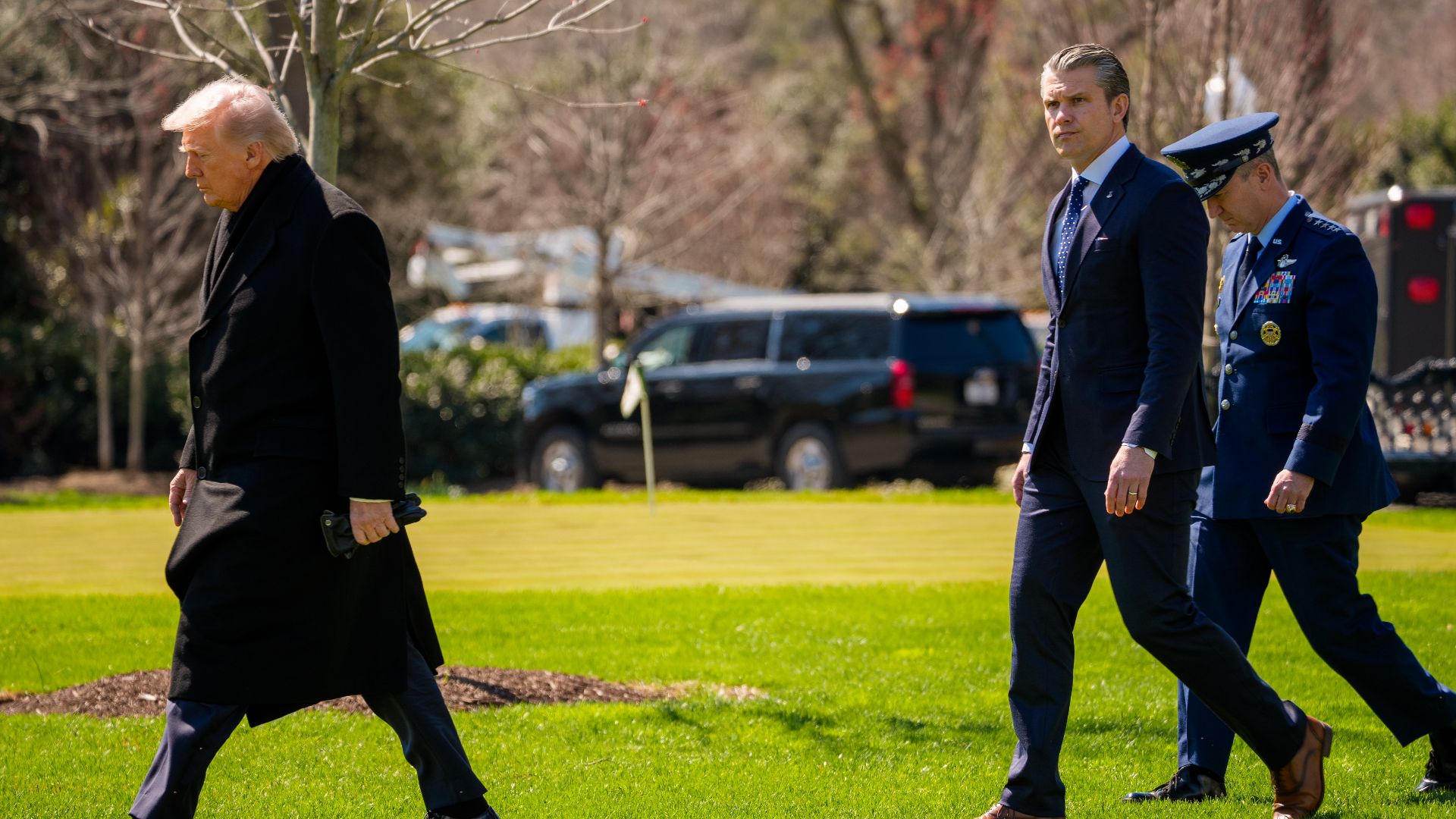
The lack of transparency has been particularly contentious given the scale of the proposed military spending tied to the conflict. Pete Hegseth and Donald Trump have reportedly pushed for a substantial $200 billion budget allocation related to operations involving Iran, a figure that has raised questions even among Republican lawmakers.
While party leaders have traditionally supported increased defense spending, the absence of detailed explanations regarding how the funds would be used has led to hesitation among some members, who are seeking clearer justification before committing to such a significant financial package.
«It takes money to kill bad guys.»
– U.S. Defense Secretary, Pete Hegseth
This uncertainty has translated into growing resistance within the party, with some Republicans openly signaling their reluctance to support the proposed funding without additional information.
Representative Nancy Mace is among those who have indicated they may oppose the measure unless further details are provided. According to reporting, she has emphasized the need for clarity regarding the timeline and extent of U.S. involvement in the Iran conflict before making a final decision. Her position reflects a broader sentiment among certain GOP members who are increasingly cautious about endorsing large-scale military commitments without a clearly defined strategy.
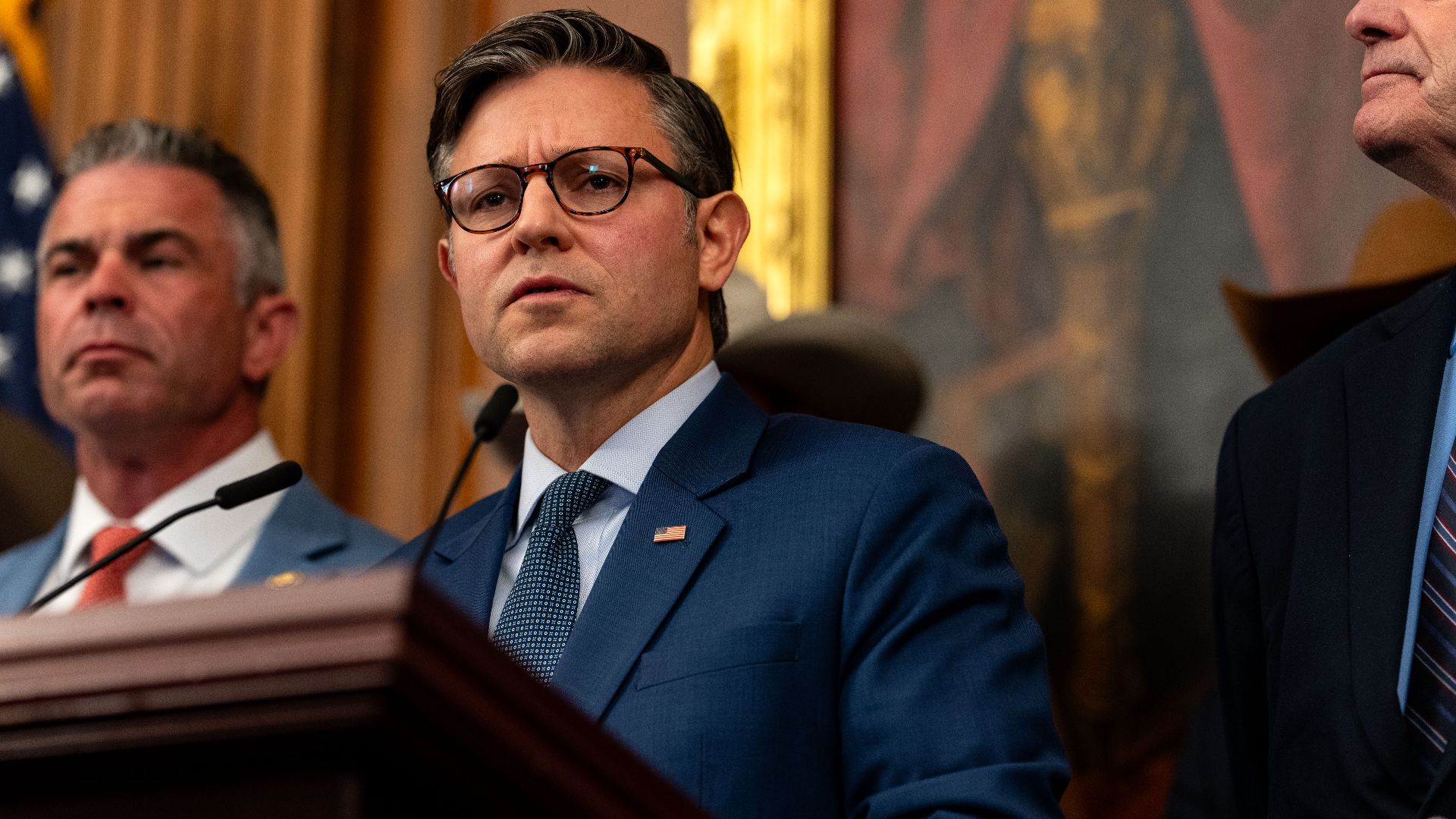
The internal divisions come at a time when tensions between the United States and Iran remain high, with both countries engaged in a series of escalatory moves and conflicting statements regarding potential negotiations. The deployment of additional troops, combined with heightened military readiness in the region, has intensified concerns about the possibility of a broader conflict.
Lawmakers from both parties have sought assurances that the administration has a coherent plan in place, but many Republicans argue that the briefing failed to provide the level of detail necessary to evaluate the situation fully.
«They're moving troops into the CENTCOM and the combatant command, and we want to know more about what options they're considering. And we aren't given any details.»
-Republican Representative of Alabama, Mike Rogers
As the debate continues, the Pentagon faces increasing pressure to provide more comprehensive information to Congress, particularly as discussions over funding and military authorization move forward. The growing frustration among Republicans highlights the challenges of maintaining party unity on national security issues when key details remain unclear.
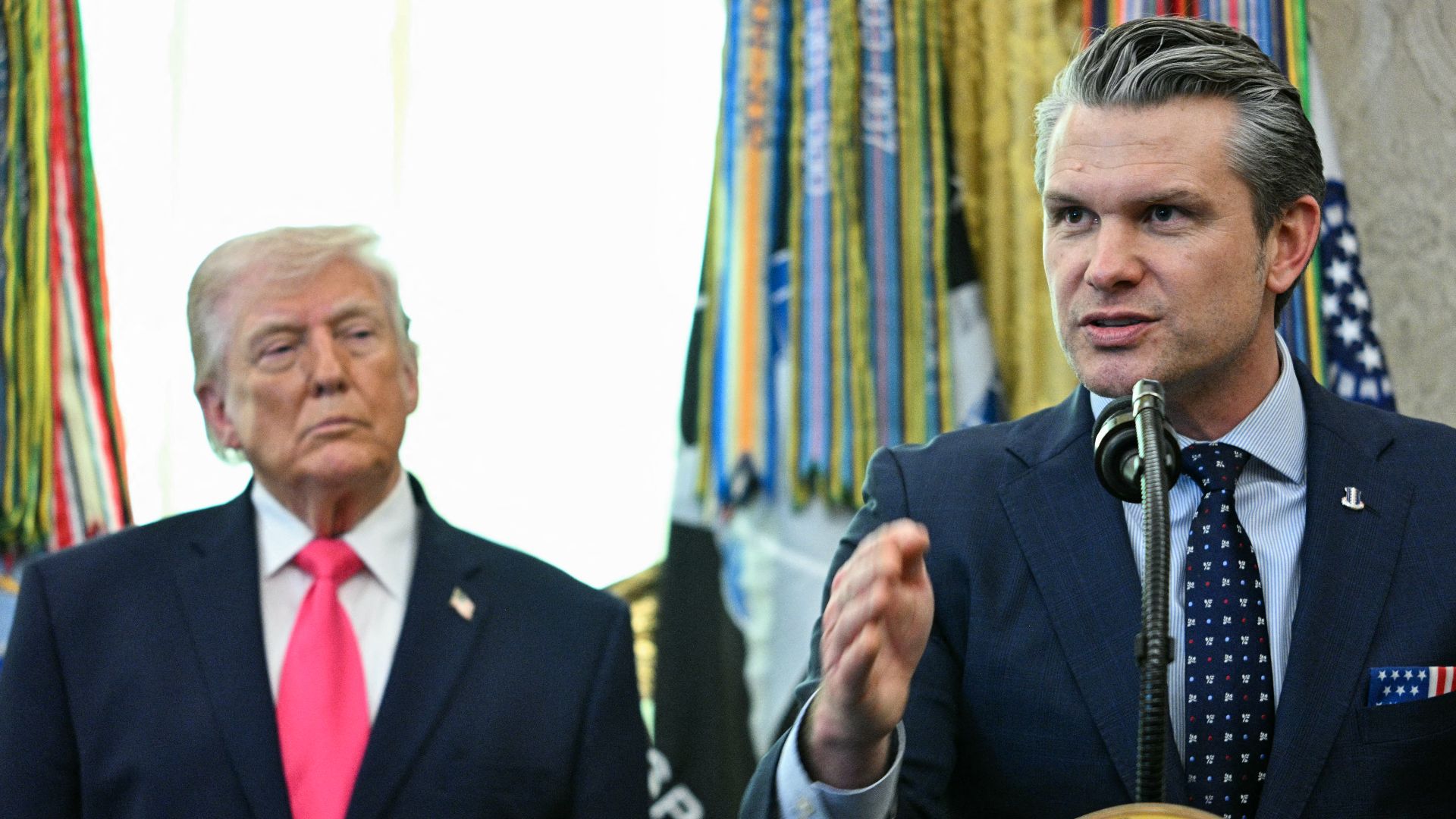
With significant decisions looming regarding both budget allocations and potential military engagement, the demand for transparency is likely to remain a central issue. Defending the broader military approach, Pete Hegseth has previously stated «It takes money to kill bad guys», reflecting the administration's justification for increased defense spending even as lawmakers continue to press for clearer answers on strategy and scope.
Created by humans, assisted by AI.
