In-Depth Analysis: The Awarding of the Medal of Honor—The Turning Point in Media Coverage


/https%3A%2F%2Fcdn-tor.buminteractif.com%2F2026%2F06%2F19171849%2Ftrump-getty-34534dfgd.jpg)
The June 18 Medal of Honor ceremony, held in the East Room of the White House, had all the makings of a moment of reflection and recognition: families in attendance, high-ranking military officials, and a spotlight on veterans' acts of bravery. However, a technical glitch—the difficulty in fastening the clasp on a medal—was enough to turn the moment into a viral sensation on social media and spark a debate that far exceeded the event's original scope.
Here's what happened: while presenting the Medal of Honor to retired Major Nicholas Dockery, the president struggled to fasten the traditional clasp. After several attempts, he tied the ribbon behind the recipient's neck, then remarked, “That's not going to come off.” ” This small, improvised gesture—which was filmed and photographed—was shared widely and sparked a flood of comments, both mocking and supportive.
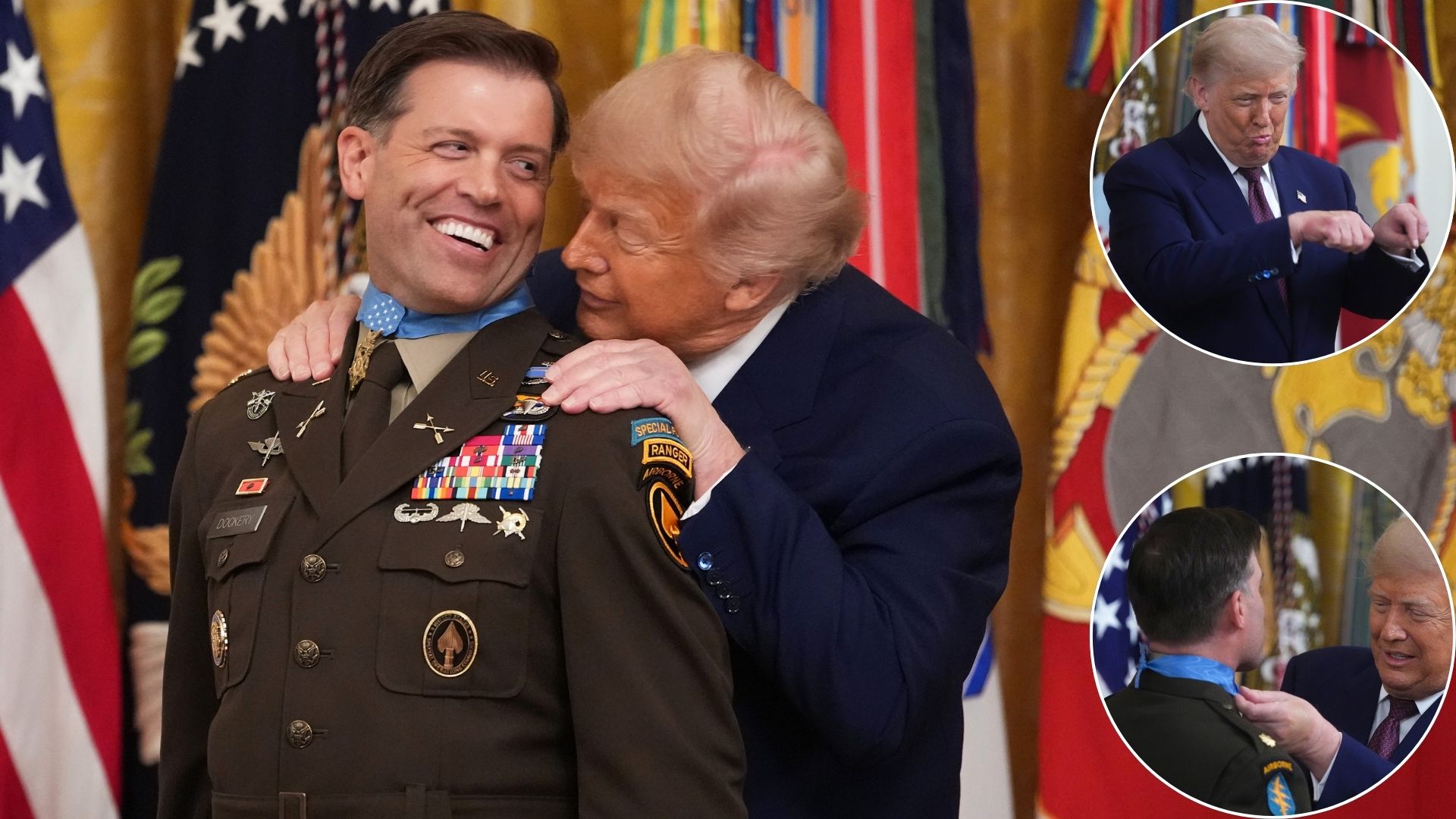
Why did this detail matter so much? Several reasons come into play. First, the symbolic significance of the gesture: official ceremonies follow a precise protocol, and any deviation draws attention. Second, the ubiquity of cameras and the speed of social media can turn something trivial into a viral sensation in a matter of minutes. Finally, the current political climate amplifies every image; depending on one's perspective, the same scene is interpreted either as a harmless blunder or as a cause for concern.
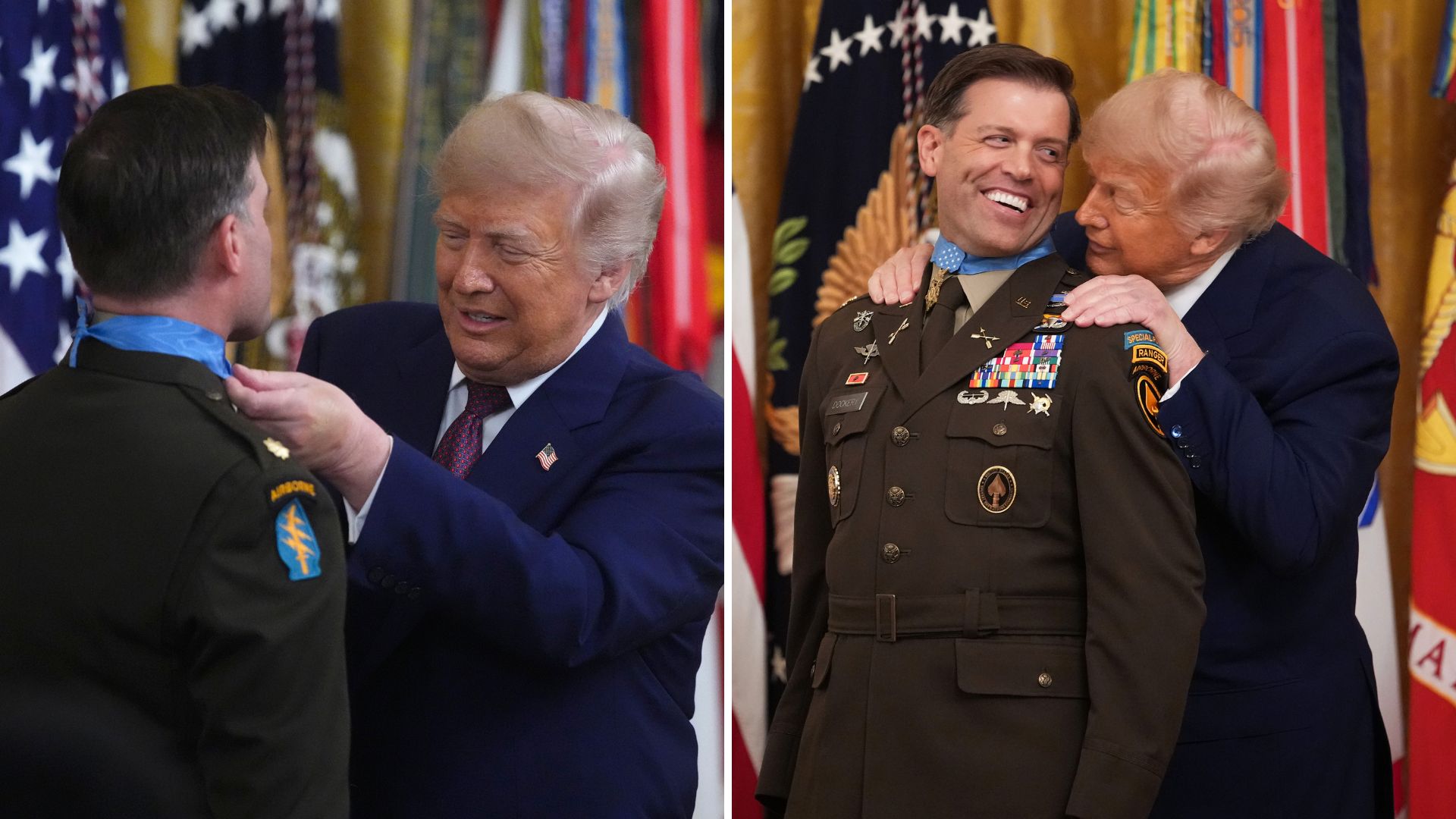
Online reactions were immediate and polarized. On one hand, critics mocked the appearance of the tied ribbon and speculated about the president's physical or cognitive abilities. On the other hand, supporters downplayed the incident, reminding others that the focus should remain on the recipients and their courage. Between these two positions, many comments also took the form of good-natured mockery, illustrating how an image can become a meme.
Beyond the reactions, it is important to view the event in the context of its primary purpose: the recognition of acts of heroism. Major Dockery received the Medal of Honor for his exceptional conduct in Afghanistan in 2012, where he put himself in harm's way to protect his comrades and coordinate the defense against an attack. The two other recipients honored that day also have remarkable backgrounds, marked by service and sacrifice.
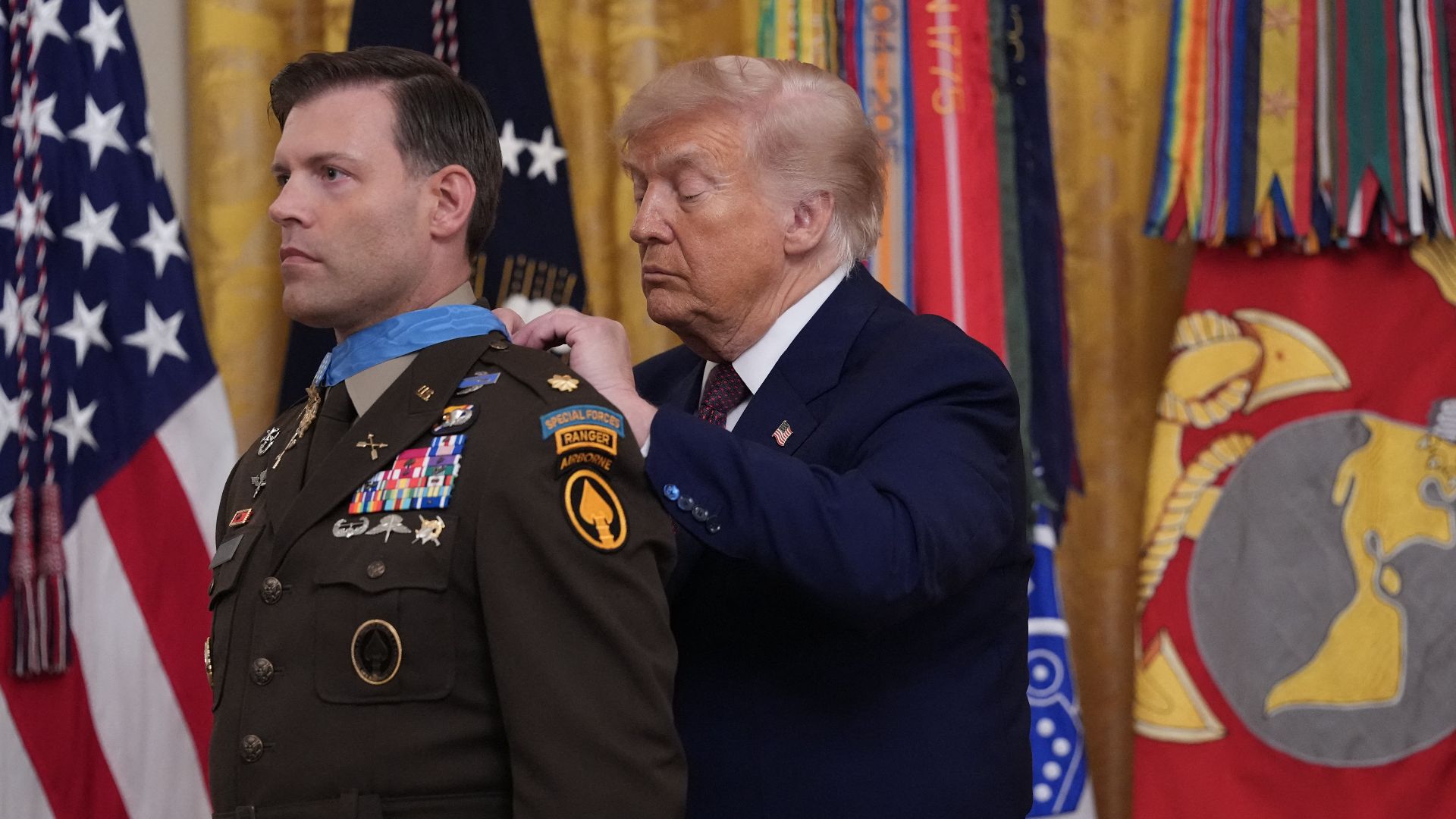
What this moment reveals about our relationship with information: we live in an era where a brief image often takes precedence over the narrative. A clip lasting just a few seconds can capture more attention than minutes of explanation about the facts. This raises the question of the role of the media and news consumers: how can we keep the focus on what matters most—in this case, honoring the service members—when immediacy tends to favor the anecdotal?
It is also worth observing how symbolism transforms the act into a political issue. A knot in a ribbon becomes a rhetorical tool, used by some to reinforce a critical narrative, and by others to put things into perspective and denounce a politicized “hunt for symbols.” In any case, the phenomenon underscores the importance of interpretive caution when commenting on an image outside its context.
Recommendation for readers: Before letting an anecdotal incident define your memory of a ceremony, take a moment to return to the deeper meaning of the event. The tribute paid to Dockery, Capers, and Ripley honors acts of bravery that have a lasting impact on their loved ones and on the nation's military memory. The legitimate emotion evoked by an image should not overshadow the stories of the lives being honored.
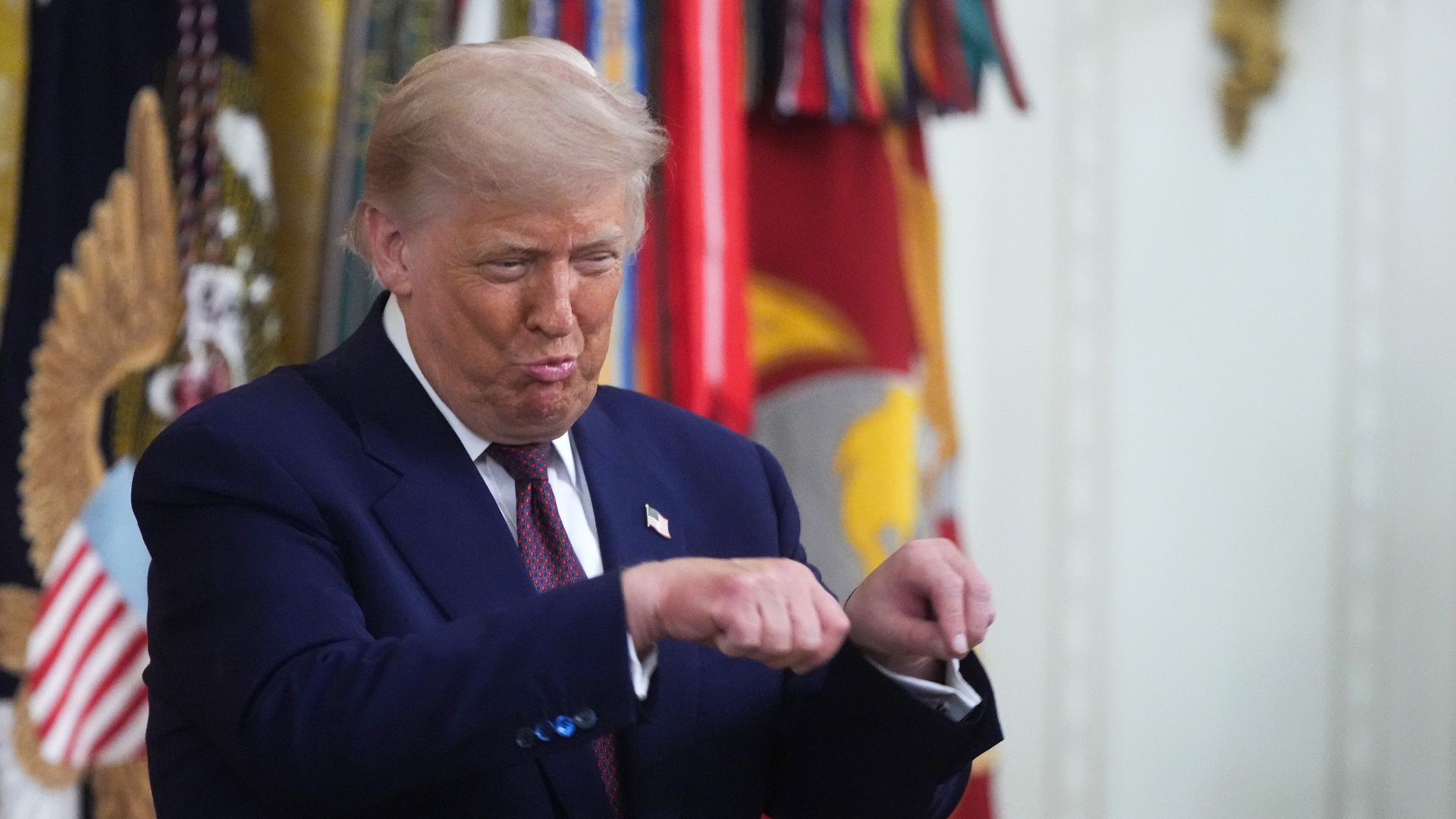
In short, this moment illustrates how visual news coverage can stray from the main purpose of an event. Understanding why and how this happens allows us to interpret images more effectively and reaffirm the hierarchy of priorities: first, the stories of those being honored; second, the anecdote. Let's keep in mind that the Medal of Honor commemorates exemplary acts of humanity—a message that deserves to be at the center of media coverage.
