In-Depth Analysis: The Commemorative Gold Coin Featuring Trump’s Portrait — Legal Framework, Issues, and Reactions


/https%3A%2F%2Fcdn-tor.buminteractif.com%2F2026%2F07%2F15175818%2Ftrump-gold-coin-g-etty-34534vd-fgsdfgs34534gdfg.jpg)
Abstract — The federal government's announcement of a one-dollar gold coin bearing the likeness of Donald Trump, intended to commemorate the 250th anniversary of the United States, has sparked a complex national debate that intertwines law, history, symbolism, and politics. This detailed analysis examines the origins of the initiative, the legal grounds put forward by the Treasury, the objections raised by citizens and legal experts, and the potential implications for future public commemorations.

The crux of the controversy is simple: the depiction of living people on U.S. currency is, in practice and by tradition, an exception rather than the norm. Historically, most portraits on coins have been reserved for figures who have passed into history and enjoy broad consensus. In this case, the United States Mint and the Secretary of the Treasury have cited the 2020 Circulating Collectible Coin Redesign Act and the “America 250” program to justify the creation of a special design. According to them, the legislation grants the department broad authority to issue commemorative coins to mark the nation's half-century milestone.
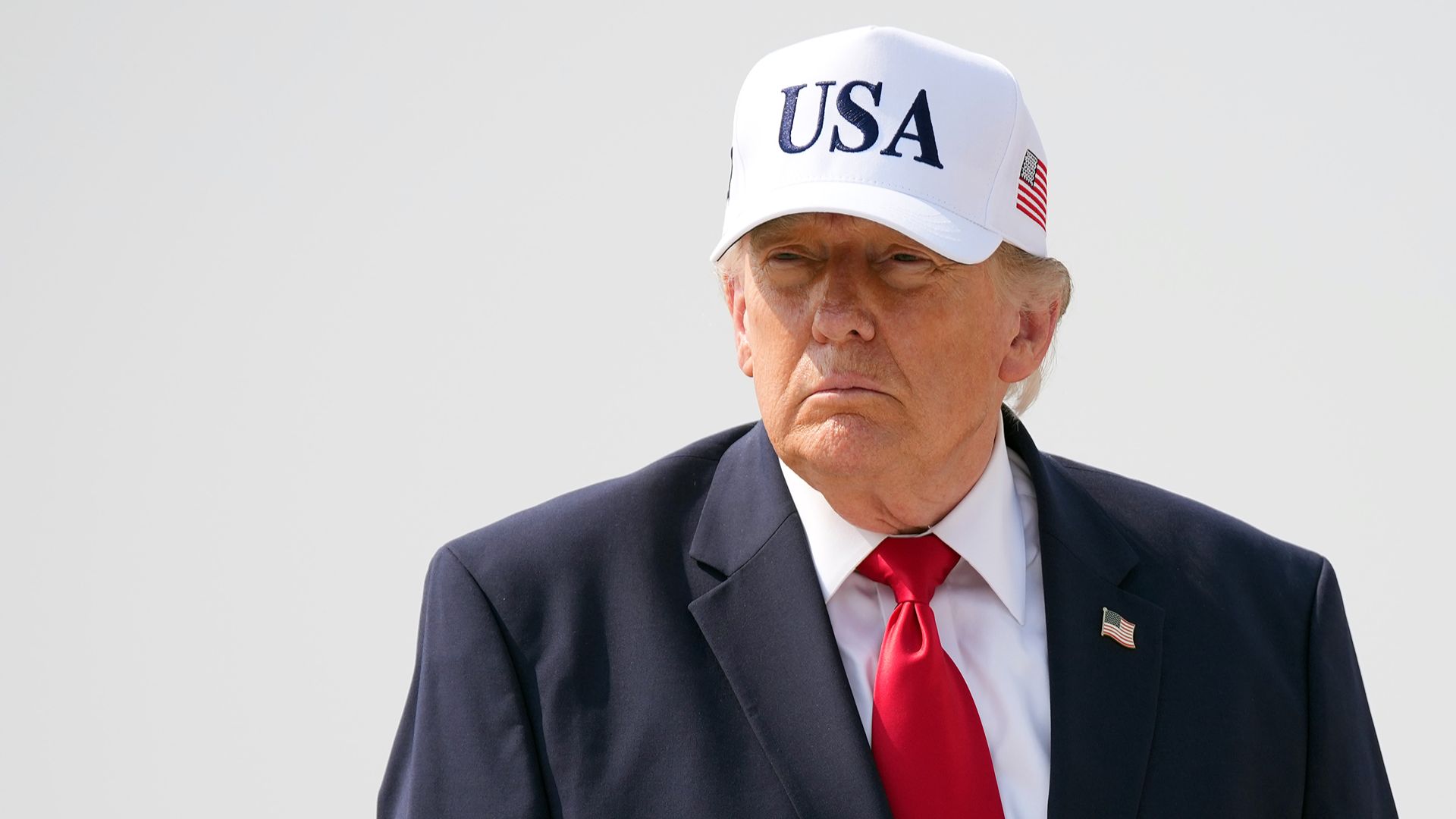
From a legal standpoint, two lines of challenge quickly emerged. The first is procedural: lawyers argued that producing a coin bearing the portrait of a living person would violate established principles and the spirit of the laws governing coins and banknotes. The second is political and institutional: the executive branch's decision to proceed without broader consultation with Congress or without an in-depth public debate was perceived as a potential partial co-optation of state symbols by the current government apparatus.

A lawsuit filed by a retired lawyer sought to block the minting, arguing that the measure violated the long-standing prohibition against depicting living persons on coins and banknotes. This lawsuit was dismissed at the trial court level, allowing production to continue. However, the court's dismissal does not end the debate: it may pave the way for further review, appeals, or legislative initiatives aimed at clarifying the scope of the Treasury Department's powers regarding currency design.
The practical implications extend beyond the gold coin alone. The administration has also unveiled other elements of the “America 250” program: proposals for redesigned banknotes, including a new $100 bill featuring the president's signature without replacing the historic portrait of Benjamin Franklin, and even the exploration of a $250 bill specifically tied to the national bicentennial. Added to this are official items (limited-edition passports, park access cards, updated portraits in federal buildings) that, together, form a coherent yet politically charged symbolic strategy.
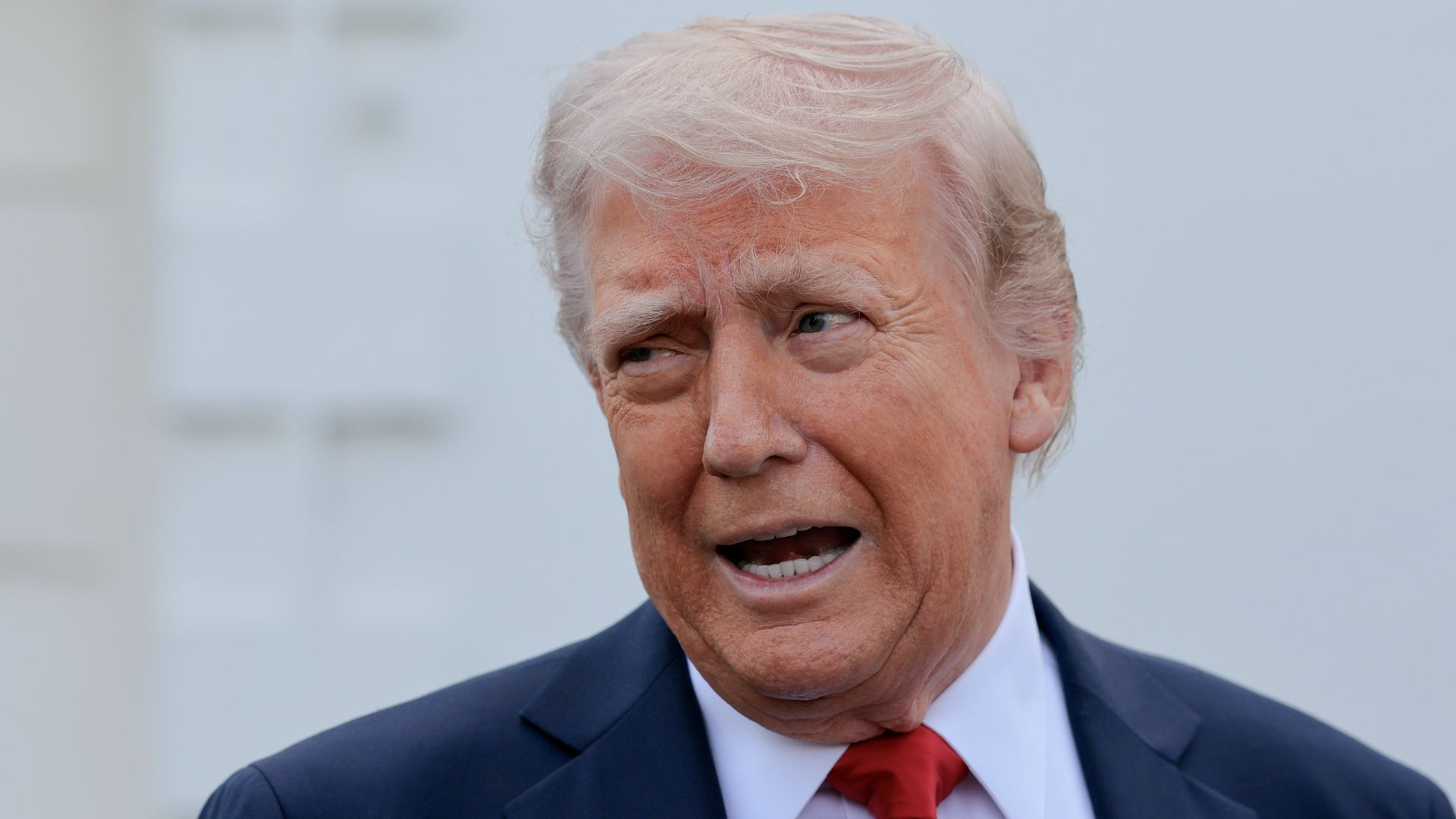
Reactions to these announcements have ranged from approval to rejection. Supporters see it as a legitimate celebration by an administration organizing the commemorations and a way to make current history tangible for citizens. Critics view it as a weakening of the usual safeguards surrounding national symbols and a dangerous trend toward personalizing the symbols of sovereignty. Legal circles are primarily concerned with the precedents this case could set: if a tradition is altered by a broad interpretation of a law, what other exceptions might follow?
Finally, from a cultural perspective, this case raises questions about how a nation chooses its heroes and the timing of public honor: should a contribution be honored retroactively, once historical consensus has been established, or is it legitimate to celebrate a living figure who may divide public opinion? The answer is not merely legal; it is first and foremost civic and cultural.
Conclusion — The gold coin bearing Donald Trump's likeness raises fundamental questions about the neutrality of state symbols, the scope of administrative powers, and the way collective memory is shaped. In the short term, minting continues; in the medium and long term, the challenge will be determining whether this step will remain an isolated case or whether it will mark the beginning of a lasting redefinition of the criteria for national tribute. In any case, this debate deserves close attention, as it touches on the very heart of how a democracy chooses to represent itself visually and symbolically.
