

/https%3A%2F%2Fcdn-tor.buminteractif.com%2F2026%2F03%2F23184207%2Firan-trump-no-talk-getty-2345234dgd.jpg)
Iran has publicly rejected Donald Trump's recent claim that Washington and Tehran had engaged in «very good and productive conversations» aimed at resolving tensions in the Middle East, directly contradicting the narrative presented by the U.S. president. In a statement carried by Iran's IRGC-affiliated Tasnim news agency, a senior security official said «No negotiations have taken place and none are underway,» pushing back against Trump's assertion that talks had occurred «regarding a complete and total resolution of our hostilities in the Middle East.» The denial highlights a widening gap between public messaging from both sides as the conflict continues.
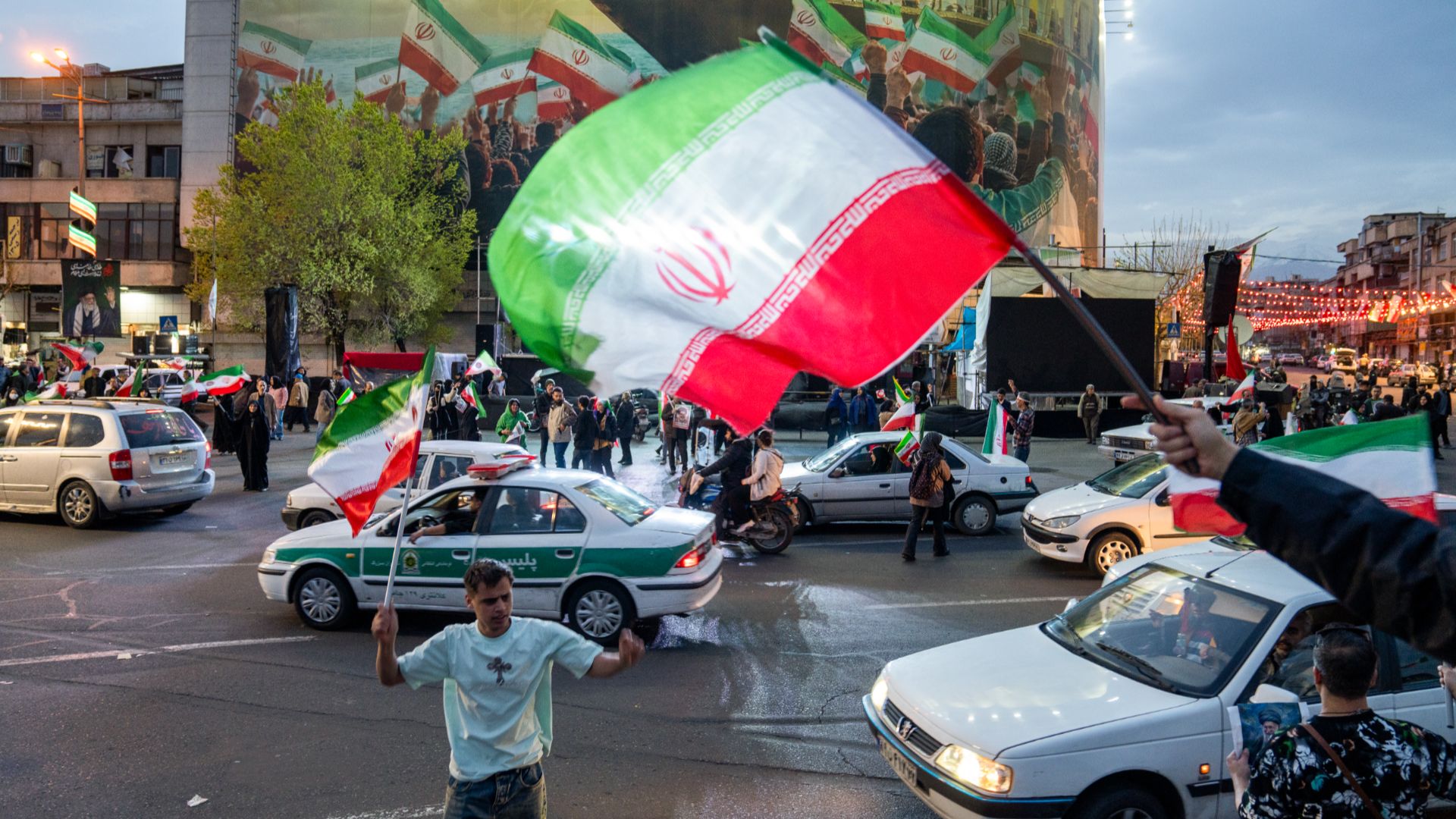
The Iranian official further emphasized that «no direct or indirect contact» had taken place between the two countries, directly challenging the credibility of Trump's announcement. According to Tasnim, Iranian authorities instead view the situation as a shift in U.S. posture rather than a diplomatic breakthrough. The report suggests that it was Trump who stepped back from recent threats following Iran's warnings of retaliation, framing the pause in military action as a response to pressure rather than the result of successful negotiations.
«No negotiations have taken place and none are underway.»
-Iran senior security official
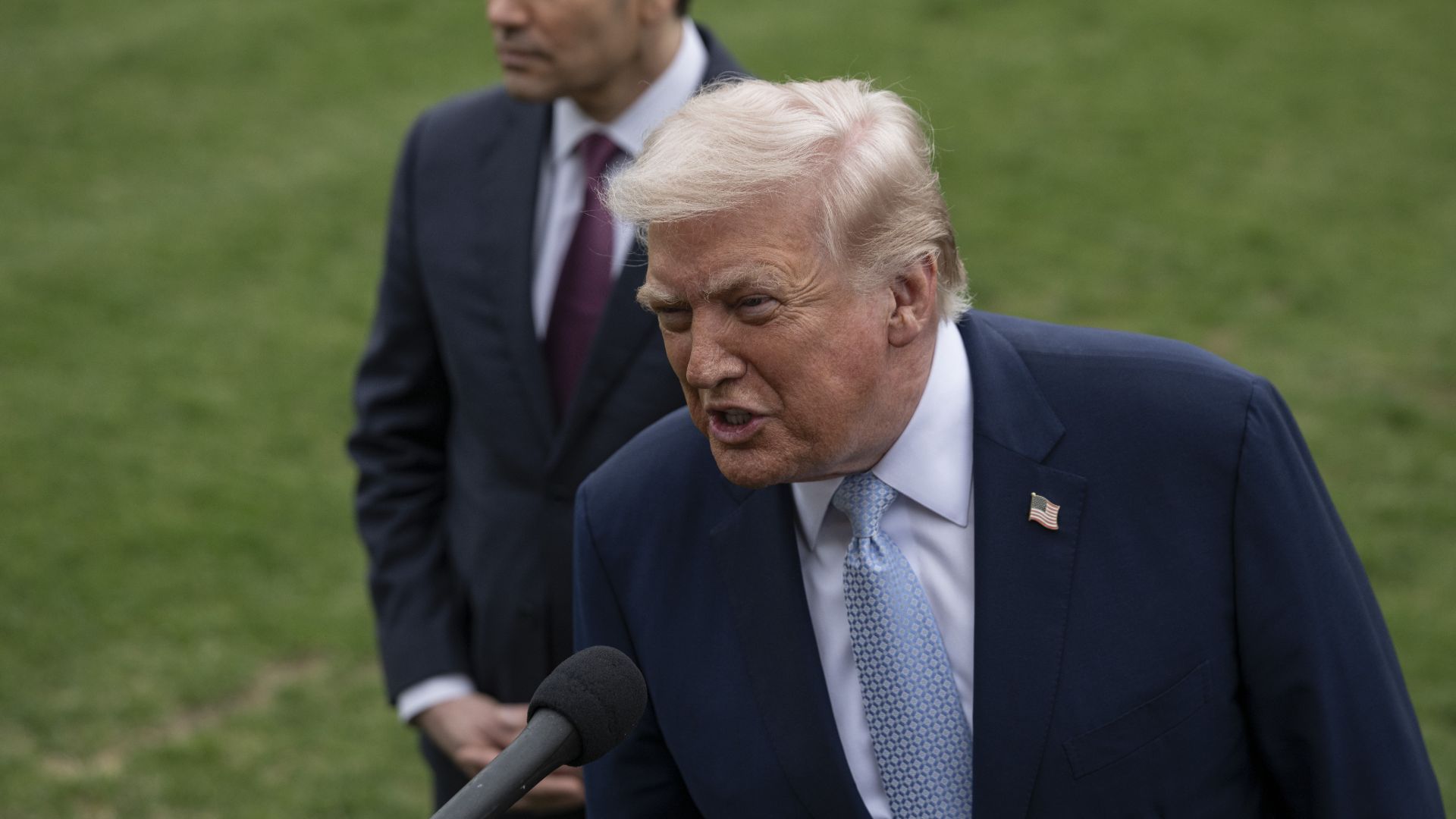
Trump had earlier presented a sharply different version of events, announcing what he described as meaningful progress in talks between the two countries. He stated «I AM PLEASED TO REPORT THAT THE UNITED STATES OF AMERICA, AND THE COUNTRY OF IRAN, HAVE HAD, OVER THE LAST TWO DAYS, VERY GOOD AND PRODUCTIVE CONVERSATIONS,» adding that the discussions were focused on «A COMPLETE AND TOTAL RESOLUTION OF OUR HOSTILITIES IN THE MIDDLE EAST.» He also indicated that planned military strikes would be delayed, saying «I HAVE INSTRUCTED THE DEPARTMENT OF WAR TO POSTPONE ANY AND ALL MILITARY STRIKES AGAINST IRANIAN POWER PLANTS AND ENERGY INFRASTRUCTURE FOR A FIVE DAY PERIOD.»
Iranian officials, however, have framed the situation in starkly different terms, portraying the U.S. decision as a retreat under pressure rather than a diplomatic opening. Tehran had previously warned that any attack on its infrastructure would trigger a wide-ranging response, stating that Iran would target «all power plants in West Asia» if U.S. strikes were carried out. The country has also reiterated its broader defensive posture, declaring that it will defend itself «until the necessary level of deterrence is achieved,» signaling that it does not view the current moment as a step toward de-escalation.
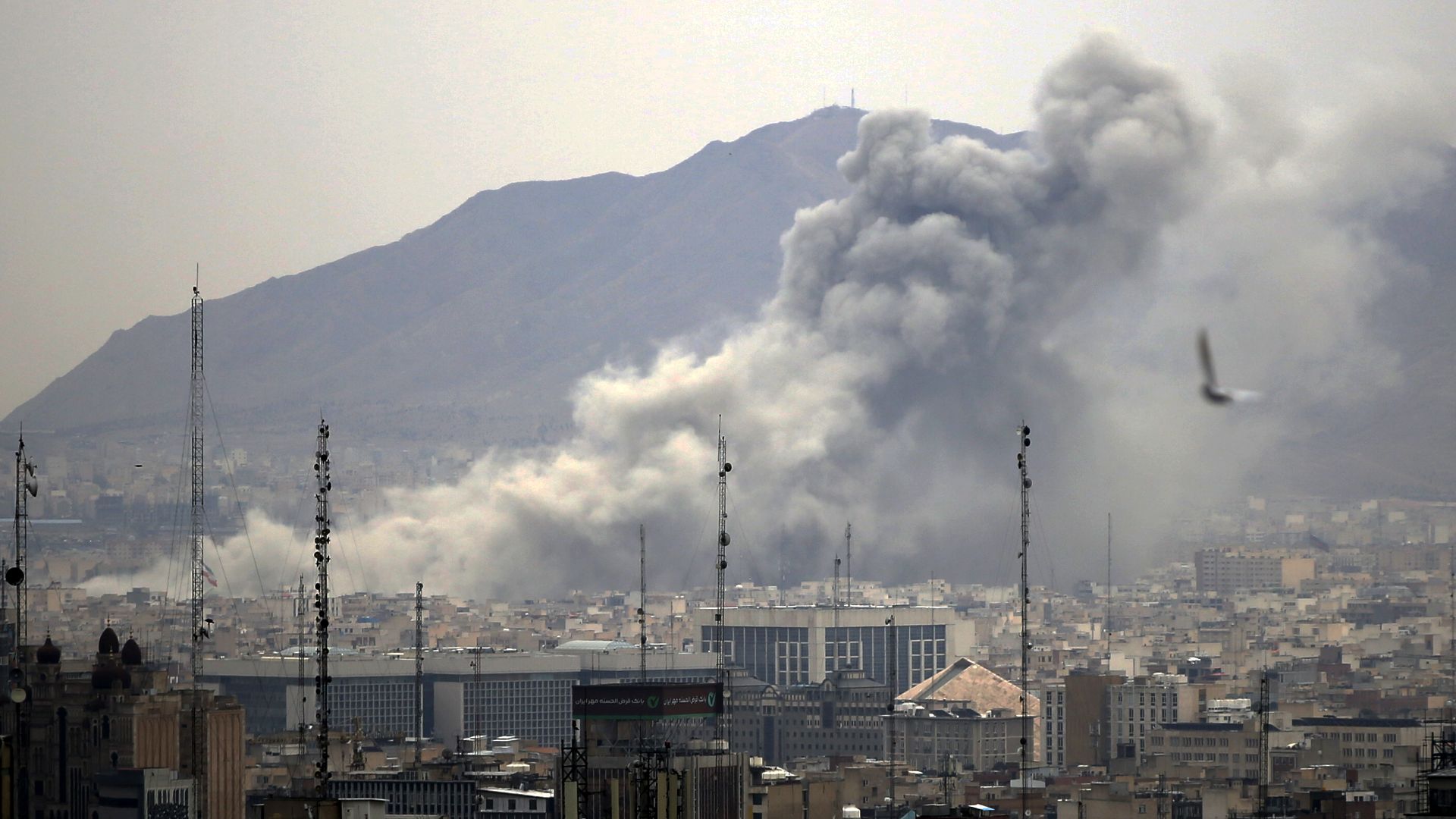
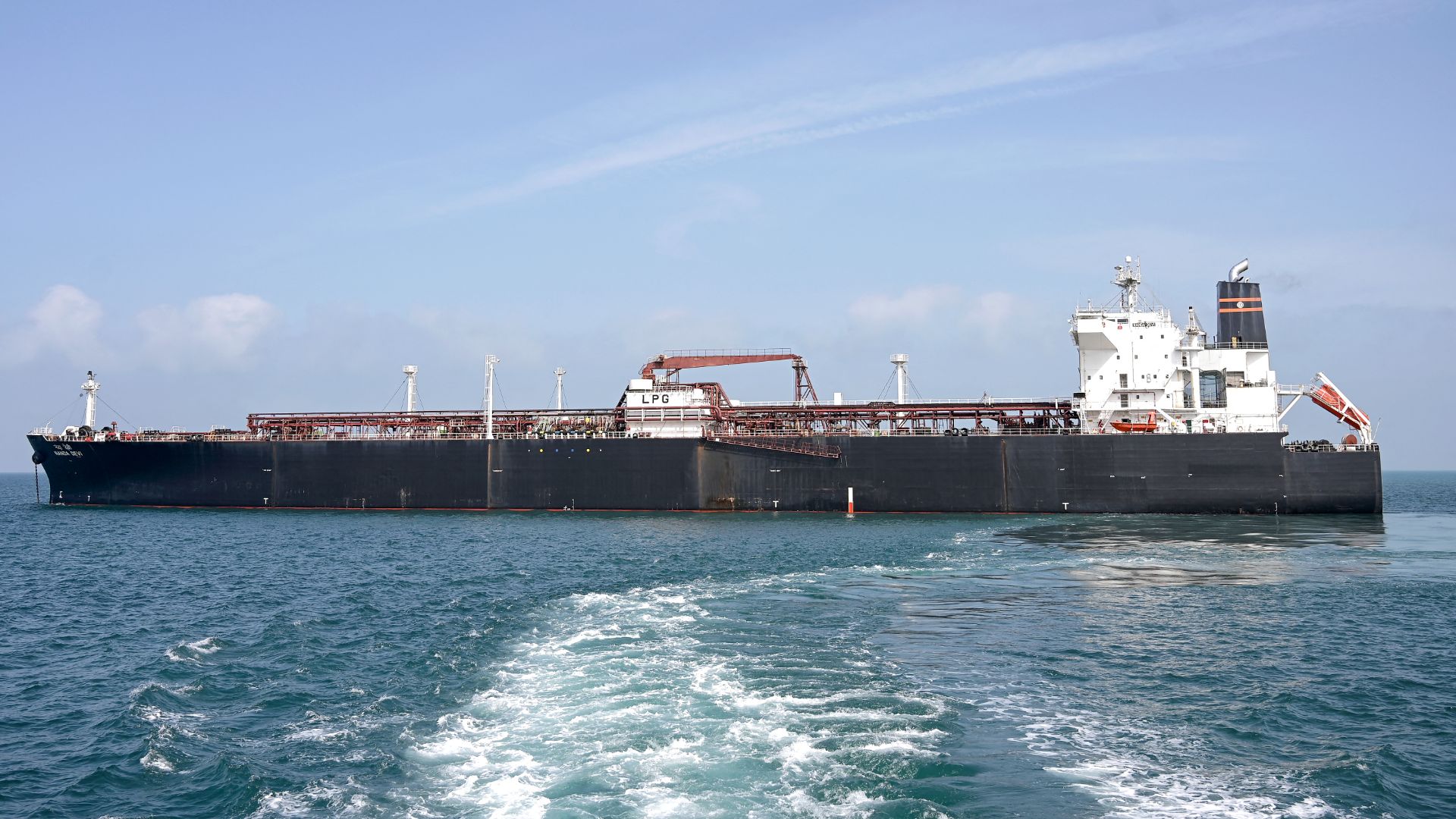
The conflict itself has escalated significantly since the beginning of the military operation, with U.S. and Israeli forces conducting repeated strikes on Iranian military positions and key infrastructure. In response, Iran has launched missile and drone attacks across the region and moved to restrict access to the Strait of Hormuz, a critical global shipping route for oil and gas. The move has been widely interpreted as a countermeasure designed to increase economic pressure, contributing to volatility in energy markets and raising concerns about the stability of global supply chains.
«I AM PLEASED TO REPORT THAT THE UNITED STATES OF AMERICA, AND THE COUNTRY OF IRAN, HAVE HAD, OVER THE LAST TWO DAYS, VERY GOOD AND PRODUCTIVE CONVERSATIONS.»
-U.S. President, Donald Trump on Truth Social
Taken together, the conflicting accounts underscore the fragile and uncertain state of the situation. While Trump has presented the pause in military action as the result of constructive dialogue, Iran's response suggests that no such diplomatic channel currently exists. Instead, both sides continue to exchange threats while maintaining military pressure, leaving little indication that the conflict, which began with coordinated U.S. and Israeli strikes, is nearing resolution.
Created by humans, assisted by AI.
