

/https%3A%2F%2Fcdn-tor.buminteractif.com%2F2026%2F06%2F17152933%2Ftrump-iran-getty-34534gdfgd546345634.jpg)
Over the weekend of June 13–14, the Trump administration and Iranian officials electronically signed a 14-point Memorandum of Understanding designed to halt active hostilities, reopen the Strait of Hormuz and launch a 60-day diplomatic process aimed at negotiating a permanent settlement. At the center of the agreement is a headline-grabbing figure: $300 billion. Contrary to widespread claims circulating online, administration officials insist the money is not a direct payment from Washington to Tehran. Instead, the proposed package is structured as a reconstruction and investment framework that would only become available if Iran complies with a series of strict security, nuclear and verification requirements during the next phase of negotiations.
The proposed fund has quickly become one of the most controversial aspects of the agreement. According to officials involved in the talks, the United States would not provide the money directly. Rather, Washington would help facilitate and coordinate financing from private investors and wealthy regional partners, particularly Gulf Arab states. Vice President JD Vance defended the framework by stressing that Iran would not automatically receive access to the funds and that any economic benefits remain entirely conditional on the country fundamentally changing its behavior. Reports indicate that the reconstruction vehicle would focus on long-term investment projects rather than government cash transfers, with financing expected to come from a coalition of international investors and partner nations.
«Also, the story that the U.S. is paying Iran 300 million Dollars is Fake News, put out by the Dumocrats!!!»
-U.S. President, Donald Trump on Truth Social
Under the framework currently being discussed, the investment capital would be directed toward rebuilding infrastructure damaged during the recent conflict and years of economic isolation. Officials familiar with the proposal have described plans involving energy facilities, refineries, transportation systems, airports and broader economic development projects. The administration has portrayed the initiative as a rehabilitation program designed to stabilize the Iranian economy while creating incentives for Tehran to remain engaged in diplomacy. The fund would not become operational immediately. Instead, negotiators and technical experts would spend the next 60 days identifying specific projects, oversight mechanisms and implementation requirements before any capital is deployed.
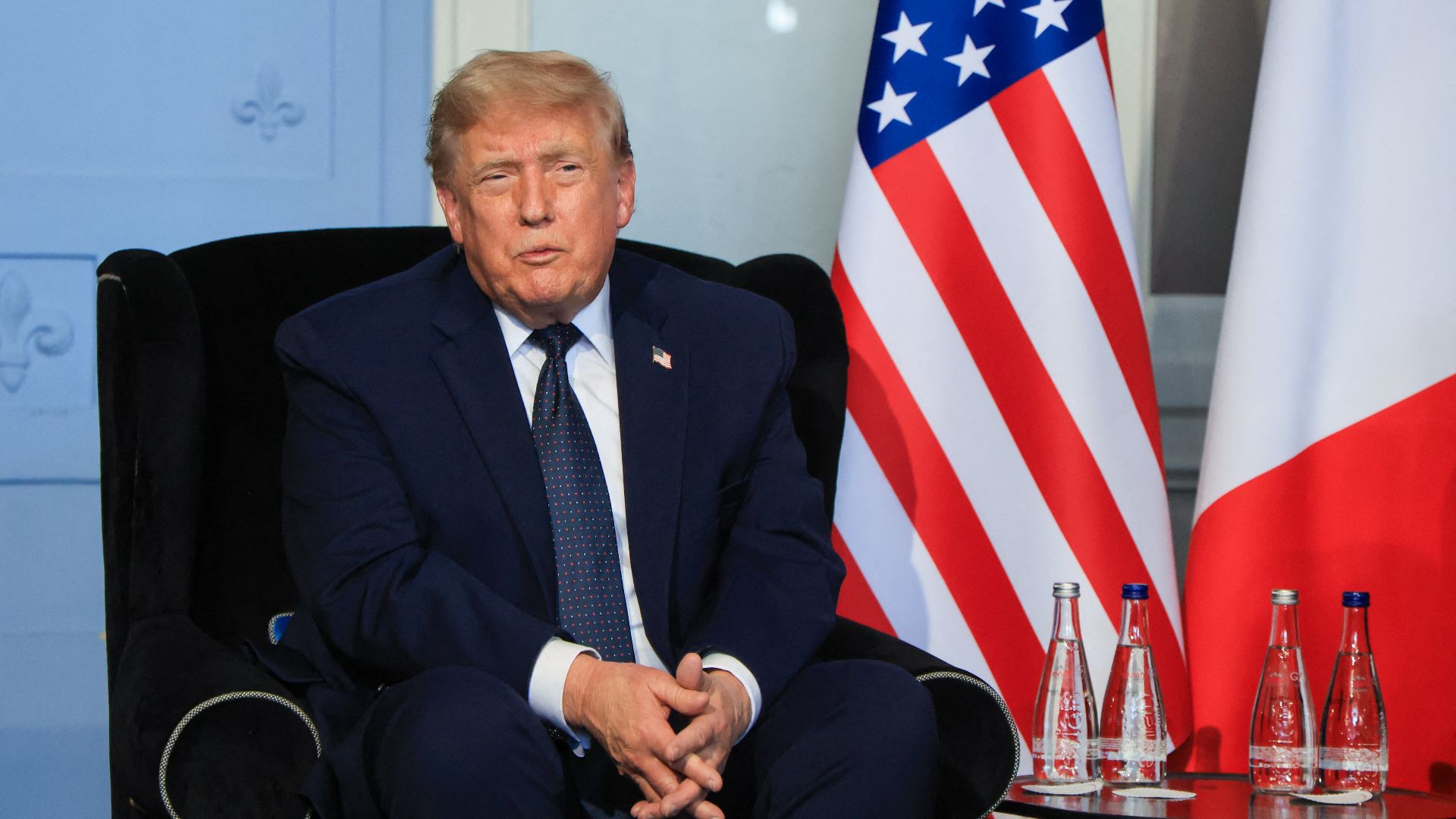
Access to the proposed investment package would be tied directly to Iran's compliance with a final agreement. Administration officials have repeatedly stated that Tehran must permanently abandon any effort to obtain a nuclear weapon, address concerns surrounding highly enriched uranium stockpiles and accept a rigorous international inspection regime. The agreement also includes provisions intended to reopen the Strait of Hormuz and reduce regional tensions while negotiations continue. President Donald Trump highlighted what he considers the central achievement of the framework when he posted on Truth Social: «Iran has agreed to never have a Nuclear Weapon!» That claim has become the administration's primary argument in defending the agreement against critics from both parties.
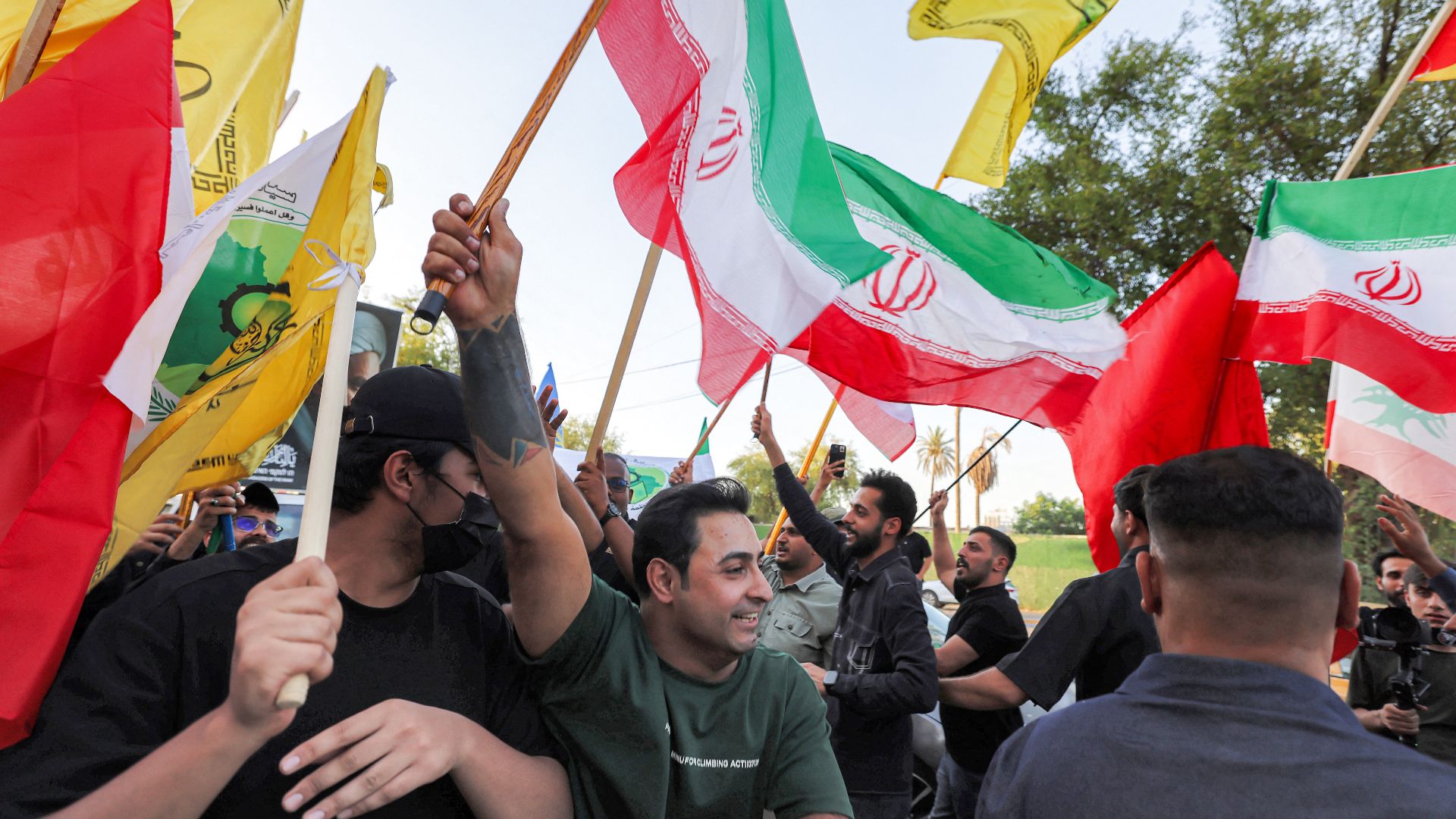
The political battle surrounding the deal has intensified because many lawmakers have not yet seen the full text of the memorandum. Several Republicans have expressed skepticism, arguing that Congress should review the details before endorsing the framework. Questions remain about enforcement mechanisms, sanctions relief and the exact conditions that would trigger access to reconstruction financing. Critics fear that Tehran could secure significant economic benefits without making permanent strategic concessions, while supporters argue that the performance-based structure ensures Iran only receives assistance if it fulfills its commitments. The absence of a publicly released final document has fueled speculation and competing interpretations across Washington and international capitals.
«Iran has agreed to never have a Nuclear Weapon!»
-U.S. President, Donald Trump on Truth Social
Trump has pushed back forcefully against claims that the United States is handing Iran hundreds of billions of dollars. In another Truth Social post, the president wrote: «Also, the story that the U.S. is paying Iran 300 million Dollars is Fake News, put out by the Dumocrats!!!» Administration officials have similarly emphasized that no American taxpayer money is earmarked for the reconstruction fund and that outside financing would only be unlocked if Iran meets every condition outlined in a final treaty. Whether the agreement ultimately succeeds will depend on the next two months of negotiations, verification measures and regional diplomacy. For now, the proposed $300 billion package stands as both the most ambitious incentive and the most controversial element of the emerging U.S.-Iran peace framework.
Created by humans, assisted by AI.
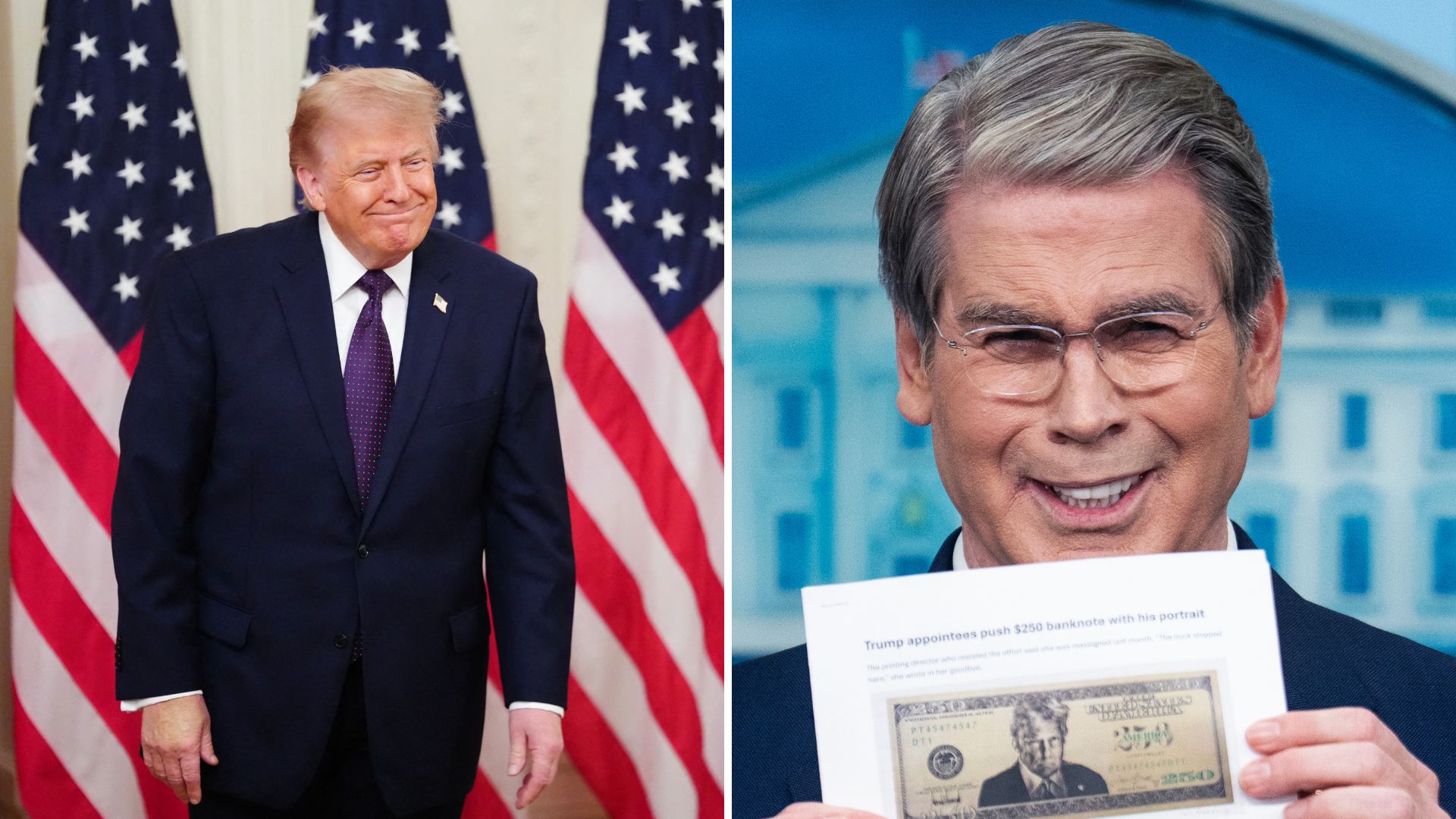 US inflation reaches 4.2%, highest since 2023, as Trump says «I love it»
 Trump says Iran took “too long” to negotiate after US “self-defense strikes” over helicopter downing