

/https%3A%2F%2Fcdn-tor.buminteractif.com%2F2026%2F03%2F25171535%2Firan-trump-15stepno-gertty56fgfgu.jpg)
Iran has reportedly rejected a 15-point proposal put forward by Donald Trump and his administration aimed at halting the ongoing conflict, according to Axios and other media outlets. The plan, which outlined a broad framework to de-escalate tensions, was dismissed by Tehran in firm terms.
A source cited by Al Jazeera described the proposal as «extremely maximalist and unreasonable», reflecting what Iranian officials see as unacceptable demands. The rejection marks a significant setback in diplomatic efforts, as tensions in the region remain high and prospects for a negotiated resolution appear increasingly uncertain.
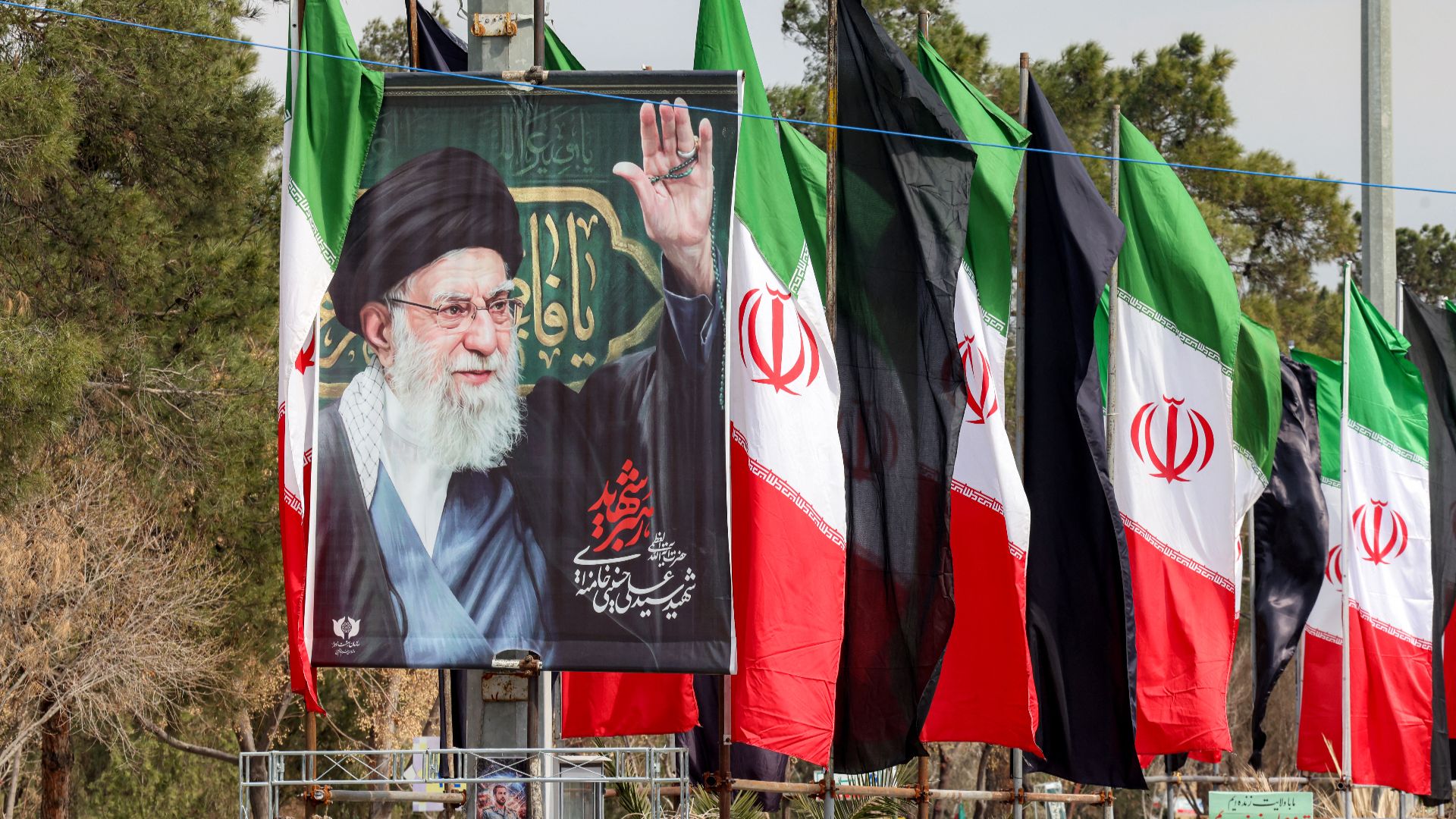
The refusal comes amid heightened rhetoric from Iranian officials, who have issued direct warnings to Washington regarding further escalation. Tehran warned the United States against becoming more deeply involved in a conflict it frames as driven by Israeli objectives tied to Prime Minister Benjamin Netanyahu, underscoring the broader geopolitical stakes surrounding the situation. Iranian leadership has consistently portrayed the crisis as influenced by external pressures, particularly from Israel, while emphasizing that any additional U.S. military involvement could risk triggering a wider confrontation across the region.
«I AM PLEASED TO REPORT THAT THE UNITED STATES OF AMERICA, AND THE COUNTRY OF IRAN, HAVE HAD, OVER THE LAST TWO DAYS, VERY GOOD AND PRODUCTIVE CONVERSATIONS REGARDING A COMPLETE AND TOTAL RESOLUTION OF OUR HOSTILITIES IN THE MIDDLE EAST.»
-U.S. President, Donald Trump on Truth Social
At the same time, the military posture in the Middle East has continued to evolve, with the United States deploying approximately 1,000 troops from the 82nd Airborne Division to the region. The movement, described by U.S. officials as precautionary, has been closely monitored by Iran, according to multiple reports. Iranian authorities are said to be tracking these deployments carefully, viewing them as a potential indicator of imminent escalation. The added military presence has further intensified an already volatile environment, with both sides signaling readiness while avoiding direct engagement for now.
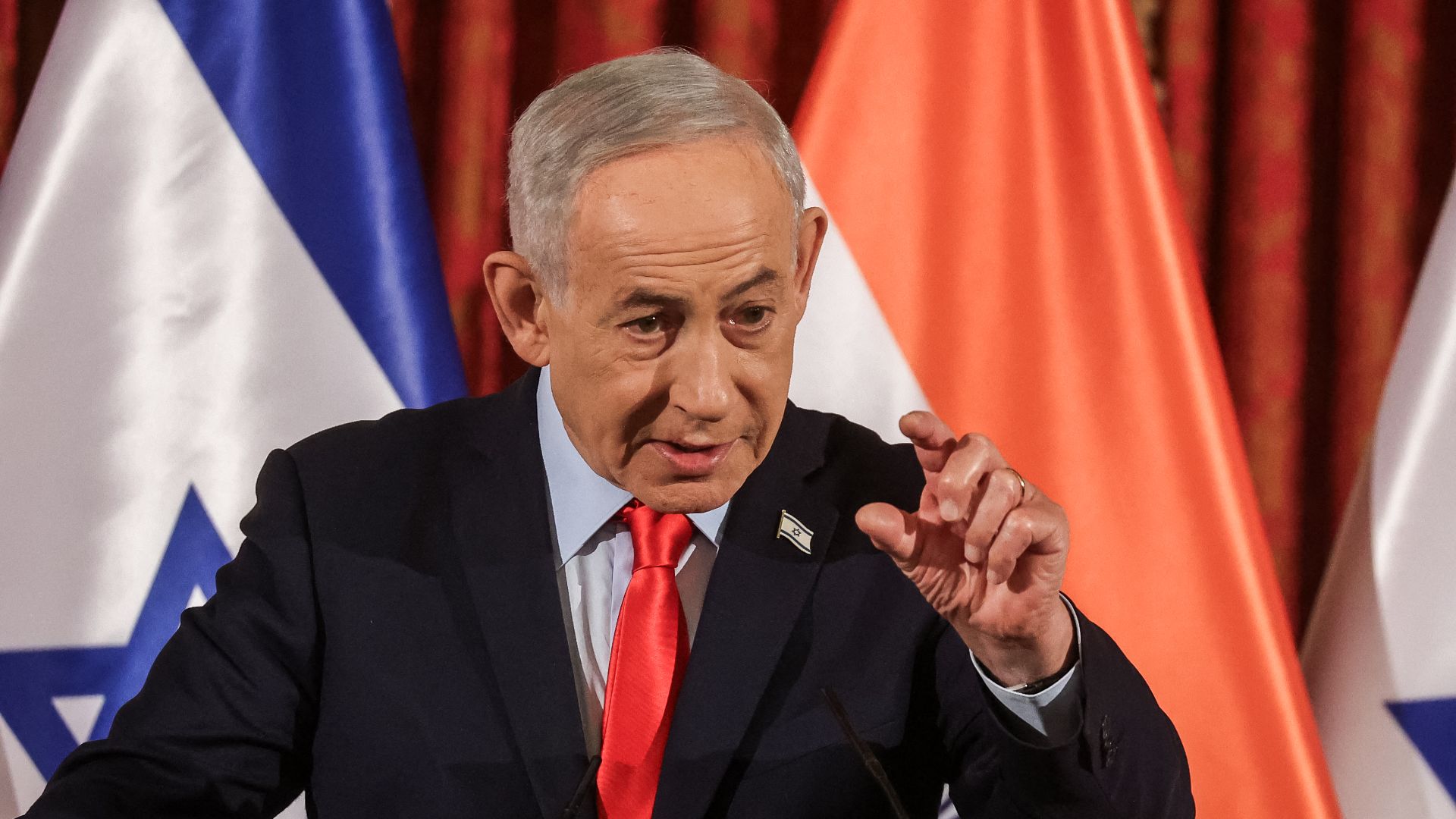
The rejection of the plan also follows conflicting narratives surrounding recent diplomatic exchanges between Washington and Tehran. Just days earlier, Donald Trump had claimed that progress was being made in talks, posting on Truth Social:
«I AM PLEASED TO REPORT THAT THE UNITED STATES OF AMERICA, AND THE COUNTRY OF IRAN, HAVE HAD, OVER THE LAST TWO DAYS, VERY GOOD AND PRODUCTIVE CONVERSATIONS REGARDING A COMPLETE AND TOTAL RESOLUTION OF OUR HOSTILITIES IN THE MIDDLE EAST. BASED ON THE TENOR AND TONE OF THESE IN DEPTH, DETAILED, AND CONSTRUCTIVE CONVERSATIONS, WHICH WILL CONTINUE THROUGHOUT THE WEEK, I HAVE INSTRUCTED THE DEPARTMENT OF WAR TO POSTPONE ANY AND ALL MILITARY STRIKES AGAINST IRANIAN POWER PLANTS AND ENERGY INFRASTRUCTURE FOR A FIVE DAY PERIOD, SUBJECT TO THE SUCCESS OF THE ONGOING MEETINGS AND DISCUSSIONS.»
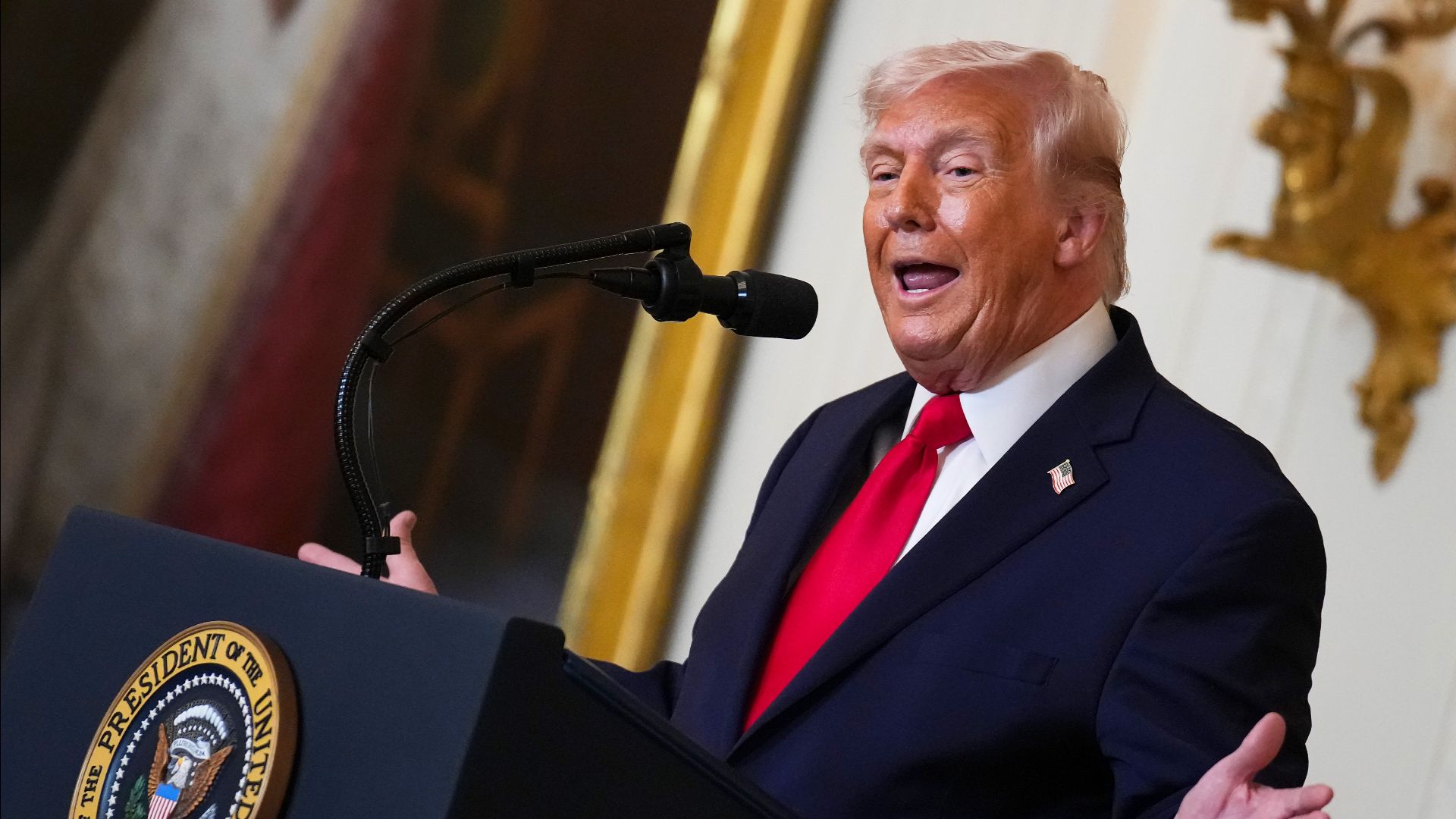
However, Iranian officials have denied that any such productive discussions took place, contradicting Trump's characterization of the situation. According to statements carried by state-affiliated media, Tehran maintained that no meaningful negotiations had occurred and that the United States' description of the talks was misleading. This divergence in narratives has further complicated diplomatic efforts, as both sides present sharply different accounts of the same sequence of events, raising doubts about the existence of a viable negotiation channel at this stage.
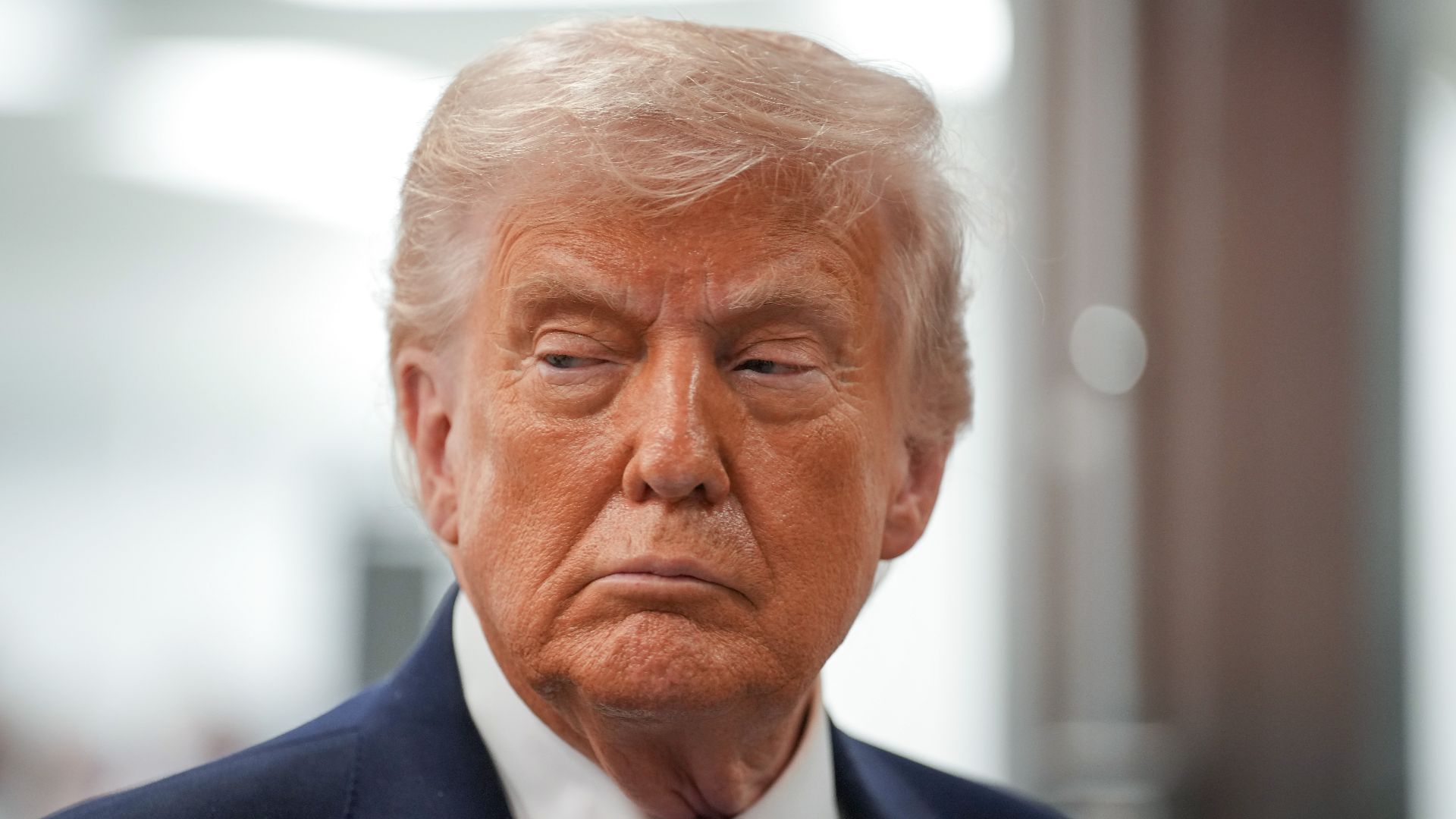
As the situation continues to develop, analysts warn that the combination of failed diplomacy, escalating rhetoric, and increased military presence could push the region closer to a broader conflict. With Iran rejecting the U.S. proposal and signaling its unwillingness to accept current terms, and Washington maintaining pressure through both political and military means, the risk of miscalculation remains high. The coming days are expected to be critical in determining whether tensions can be contained or whether the current standoff will evolve into a more direct confrontation.
Created by humans, assisted by AI.
