

/https%3A%2F%2Fcdn-tor.buminteractif.com%2F2026%2F03%2F09181309%2FGettyImages-1243265839.jpg)
Iran has chosen a successor to the slain Ayatollah Ali Khamenei: his son, Mojtaba Khamenei. Iranian state media reported the selection on March 9.
Mojtaba Khamenei has not yet held an official government office and has never given a public speech or televised interview. Only a handful of photographs exist publicly of Mojtaba Khamenei. That being said, a WikiLeaks release from the late 2000's claims Mojtaba has long been an influential figure in Iranian Parliament, calling him a forceful figure in the cabinet.
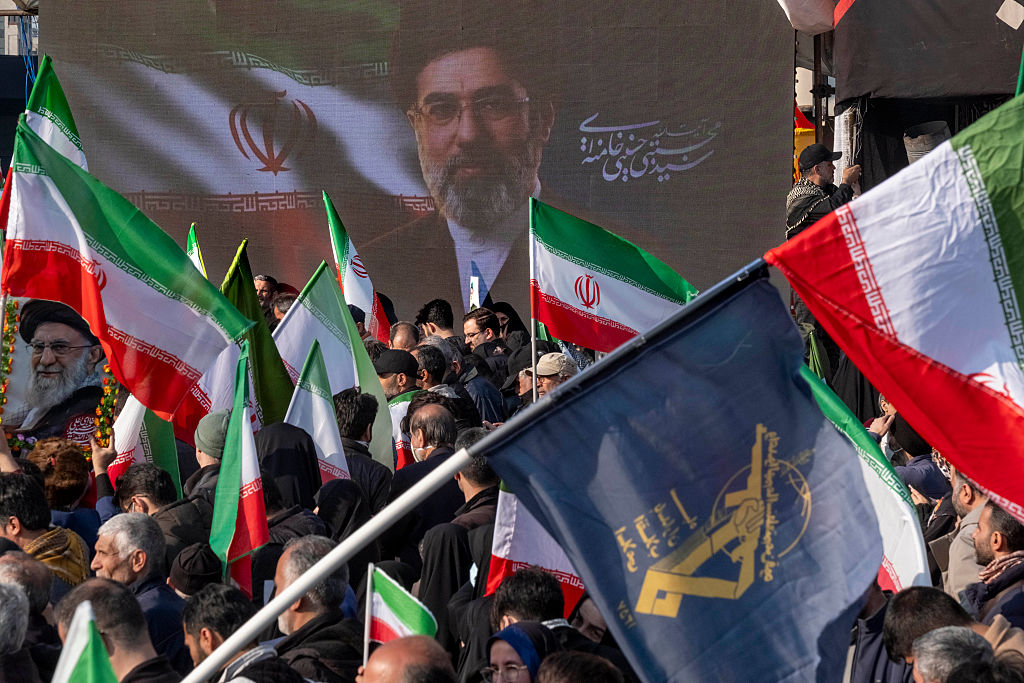
“The Ministry of Foreign Affairs and all diplomats of the Islamic Republic of Iran, declare their allegiance to the third Supreme Leader of the Islamic Revolution, renew their covenant with the Supreme Leader and the great nation of Iran.”
Problems with the selection
There are a handful of potential problems with the selection of Mojtaba Khamenei from a variety of parties. For Trump, it's unclear whether the selection completes his directives. Trump reportedly told FOX News that he's unhappy with the new selection, and Trump explicitly said We don't want another Khamenei'. Whether he meant that literally or not is ambiguous, but Iran has quite literally selected another Khamenei to lead the country. For most Iranians, the selection represents more of the same behaviour from the far-right government. What makes the selection interesting is that Iranian Principlists may also take issue with it. The Islamic Republic's ideology, when it was founded in 1979, promised selections based on religious meritocracy. Iranian Supreme Leaders are supposed to be elder, Islamic religious leaders. Instead, Iran has selected its next leader based on a system of hereditary succession.
Who is Mojtaba Khamenei?
Born on September 8, 1969, in the city of Mashhad, Mojtaba is the second-eldest of Ali Khamenei's six children. Mojtaba was educated in Tehran and joined the military after secondary school at 17. Mojtaba served multiple stints in the Iranian military during the Iran-Iraq War. The war lasted from 1980 to 1988. The United States and its Western allies supported Iraq during the war, which began with an Iraqi invasion of Iran. Mojtaba attended seminary school at age 30, but he remains only a mid-level cleric in the church, something that will also work against him in the eyes of Principlists.
Media outlets and Iranian officials began referring to Mojtaba as ‘Ayatollah' after the announcement. Ayatollah is a senior position in the clergy, but Mojtaba has not earned it. This exception was also made for his father, Ali Khamenei, when he rose to power in 1989.
Previous attempts in politics
While Mojtaba has largely kept a low profile, this is not the first time his name has been entrenched in Iranian politics. During Iran's 2005 presidential election, Mojtaba Khamenei's name came into circulation after the victory of Mahmoud Ahmadinejad, a populist hardliner. Mojtaba was accused of interfering in the election of reformist candidate Mehdi Karroubi. Mojtaba was accused of interfering in the vote using his influence in the Islamic Revolutionary Guard Corps (IRGC) and the Basij militia. According to Karroubi's letter to Mojtaba, he organized money to be circulated to religious groups in order to help Ahmadinejad win.
Four years later, Mojtaba faced the same accusation. Ahmadinejad was re-elected in 2009, and the election triggered mass protests across the country, known as the Green Movement. Some protesters chanted slogans opposing the idea that Mojtaba could succeed his father as Iran's supreme leader. Then-deputy interior minister Mostafa Tajzadeh was imprisoned for seven years following the riots. Tajzadeh claimed his imprisonment was at the wish of Mojtaba Khamenei.
War on Iran
On February 28, 2026, the US government and Israel undertook a joint operation in Iran, with the US subsequently declaring it was at war with the country. The attacks triggered retaliatory strikes from Iran, targeting US and Israeli military bases across the Middle East. According to Donald Trump, there is no timeline for this war, and the US will continue its operations in the country until it sees a significant regime change, as well as an end to Iran's supposed nuclear program.
US and Israeli strikes killed Iran's Supreme Leader, Ali Khamenei, on Day One of the war, completing Trump's supposed goal. Khamenei has been using deadly violence against civilian protesters in Tehran, and his killing has been the only positive piece of Donald Trump's illegal intervention. Donald Trump changed his reasoning for attacking Iran after Khamenei's death, instead claiming he attacked Iran because he had certain information that Iran was going to attack Israel and the United States. Israel calls the strategy ‘forward defence'.
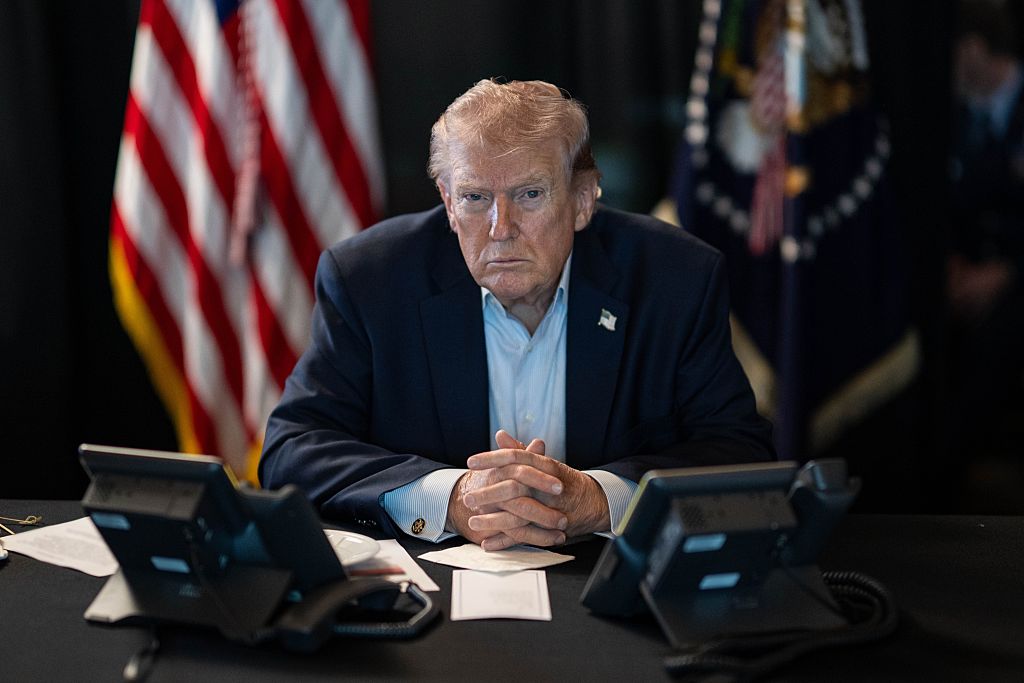
Now Lebanon and the rest of the Gulf countries have been sucked into the conflict. Iran has struck US infrastructure in nine different nations, and the Lebanese-based, Iranian-funded group Hezbollah has announced it's ready for open war with Israel. With experts expecting Mojtaba Khamenei to continue in his father's footsteps as a hardline, tyrannical leader, Donald Trump's war on Iran is far from over.
In fact, he even described the nomination as a «big mistake»…
