

/https%3A%2F%2Fcdn-tor.buminteractif.com%2F2025%2F12%2F08144534%2Fisrael-gaza-r4394gdf.jpg)
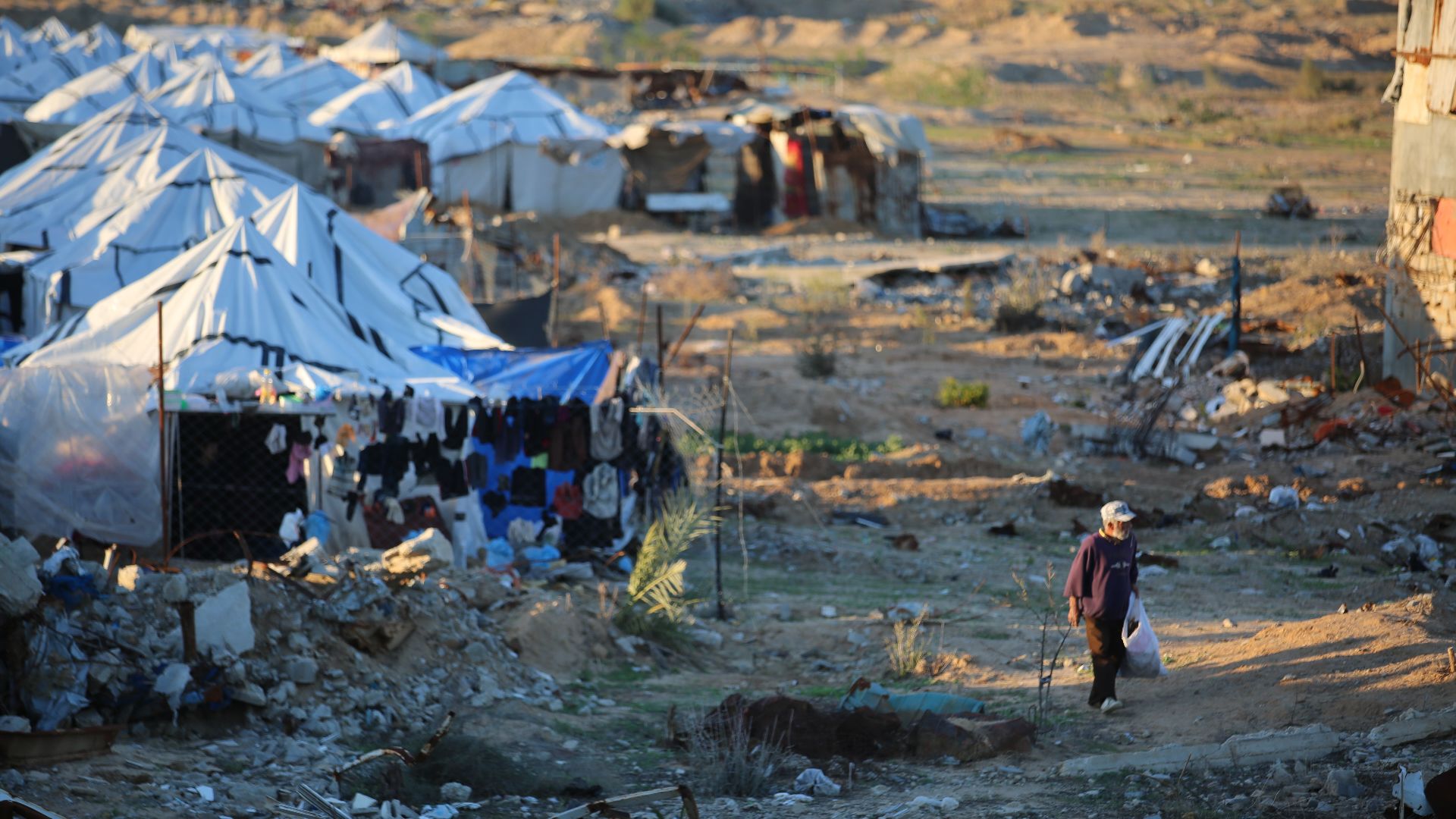
Israel says it will start allowing Palestinians to leave the Gaza Strip “in the next few days,” but this is far from a full reopening of the Rafah border crossing. According to Israeli officials, only a small group of people—mainly the wounded, urgent medical cases, and others on restricted humanitarian lists—will be allowed out. The announcement caused confusion among residents hoping for broader assistance, while Israel and Egypt made it clear that normal cross-border movements remained excluded for the time being. Instead of a return to pre-war operations, the opening will function more as a tightly controlled humanitarian corridor, leaving the vast majority of Gazans unable to leave despite the title of “reopening”
Israel said Wednesday that it would reopen the Rafah border crossing in the coming days, allowing Palestinians to leave Gaza. That could be a major development for residents of the devastated strip, for whom leaving has been extremely difficult – if… https://t.co/VbXZnVeJBM
— The Washington Times (@WashTimes) December 3, 2025
Israeli officials presented the measure as part of ceasefire agreements around Gaza, claiming that the Rafah crossing will be used to facilitate humanitarian cases in coordination with Egypt and international partners. Cairo, for its part, has indicated that it will cooperate in the evacuation of the wounded and seriously ill, but continues to reject any arrangement that would make Sinai a long-term destination for displaced Gazans. Humanitarian organizations and UN agencies point out that tens of thousands of people in Gaza are in need of urgent medical treatment or evacuation, far beyond the limited number who could be approved under the current mechanism. For them, Israel's promise to let some Palestinians leave Gaza “in the next few days” underlines the extent to which such exits will remain tightly controlled and exceptional, rather than marking a real restoration of freedom of movement.
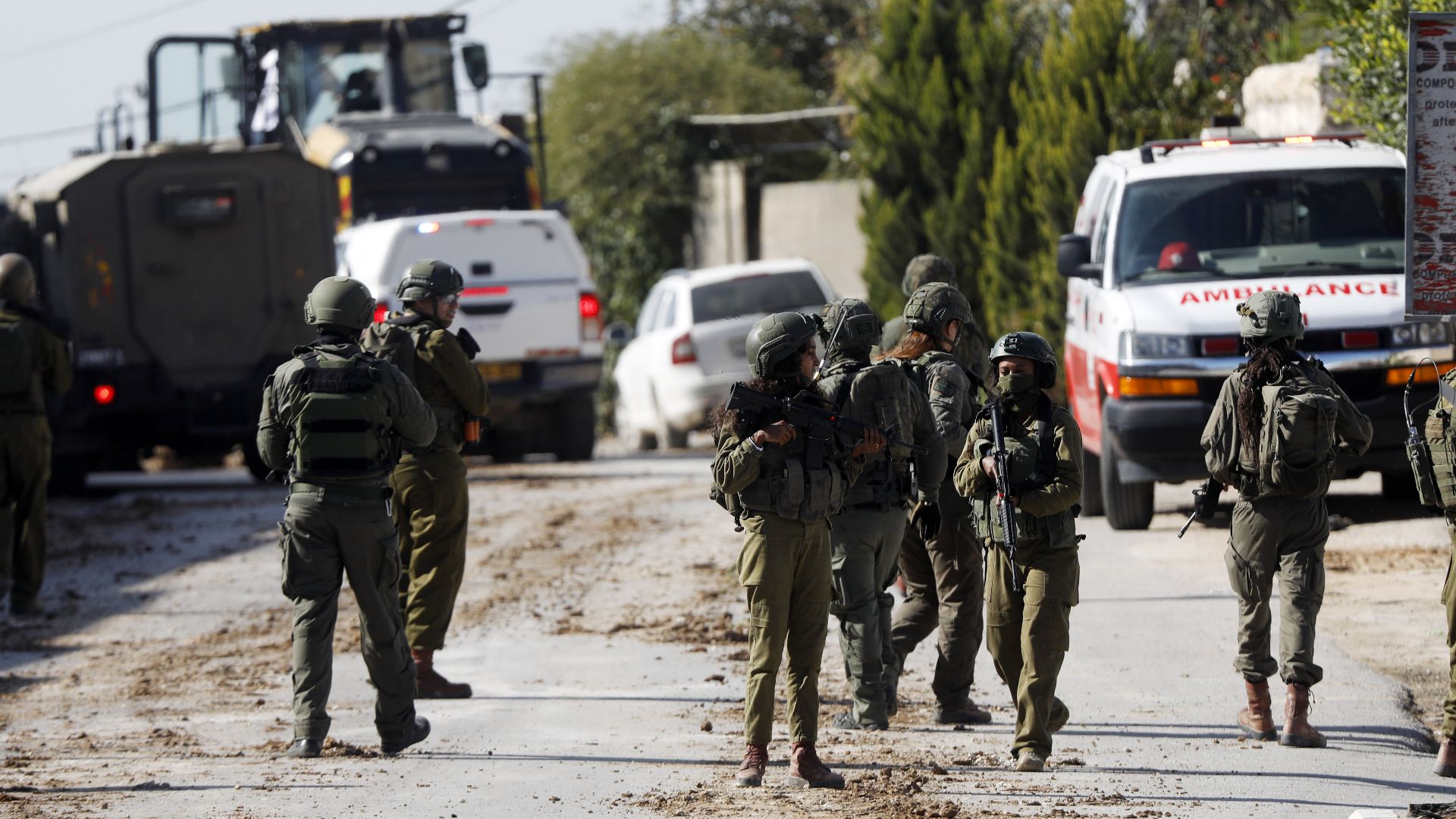
response undermined Israel's argument almost immediately. While COGAT publicly stated that Rafah would reopen “in the next few days” to allow Palestinians to exit Gaza into Egypt under the joint supervision of Cairo and the European Union, the Egyptian government categorically denied that any such coordination was underway. In a statement issued on Wednesday, the Egyptian State Information Service said it was not currently working with Israel to reopen the crossing and reminded all parties that, under the terms of the October ceasefire, Rafah is supposed to operate in both directions, not just as a one-way exit point for people leaving Gaza. This public rejection highlighted a significant gap between Israeli announcements and Egyptian policy, and cast further doubt on how, when, and under what conditions the crossing could actually operate again.
No long-term solution
In recent months, the situation between Israel and Gaza has been defined by cycles of intense fighting, shifting ceasefires, and growing humanitarian collapse inside the enclave. Following Israel's expanded military operations earlier this year, large areas of Gaza were severely damaged and the population faced shortages of food, water, medical supplies, and electricity. Ceasefire negotiations, supported at various times by the US, Egypt, Qatar, and later the Trump administration, produced temporary pauses but no long-term resolution, as disputes over hostages, border control, and post-war governance repeatedly blocked progress. Israeli forces maintained strict restrictions on movement in and out of Gaza, while humanitarian agencies warned that the enclave's health system was close to collapse and that tens of thousands of civilians needed urgent evacuation or medical attention. In this context, the question of reopening the main crossings—particularly Rafah—has become a central bone of contention, reflecting both the fragile nature of the current ceasefire and the unresolved political struggle over Gaza's future.
This content was created with the help of AI.
