Lincoln Memorial Reflecting Pool: Timeline, Costs, Responsibilities — How Algae and Paint Threw the Renovation into Chaos


/https%3A%2F%2Fcdn-tor.buminteractif.com%2F2026%2F06%2F19153728%2Ftrump-reflecting-pool-getty34-53tgdfgdfg3452345fdgdg.jpg)
Introduction
The renovation of the Lincoln Memorial's reflecting pool, which was publicly celebrated at its reopening, quickly turned into a public controversy, involving technical issues, significant costs, and questions about the contract award process. Within a few days, green algae had discolored the water, and fragments of the new blue lining had peeled off and were floating on the surface. This incident raises concrete questions about the quality of the work, the selection of contractors, and the governance of publicly funded heritage projects.
Timeline and Key Players
- Announcement and launch: a project presented as a comprehensive restoration, intended to protect and enhance the site.
- Contract awards: two federal contracts—one to Greenwater Services (approximately $1.7 million) for water treatment, and the other to Atlantic Industrial Coatings (approximately $14.7 million) for structural repairs and painting.
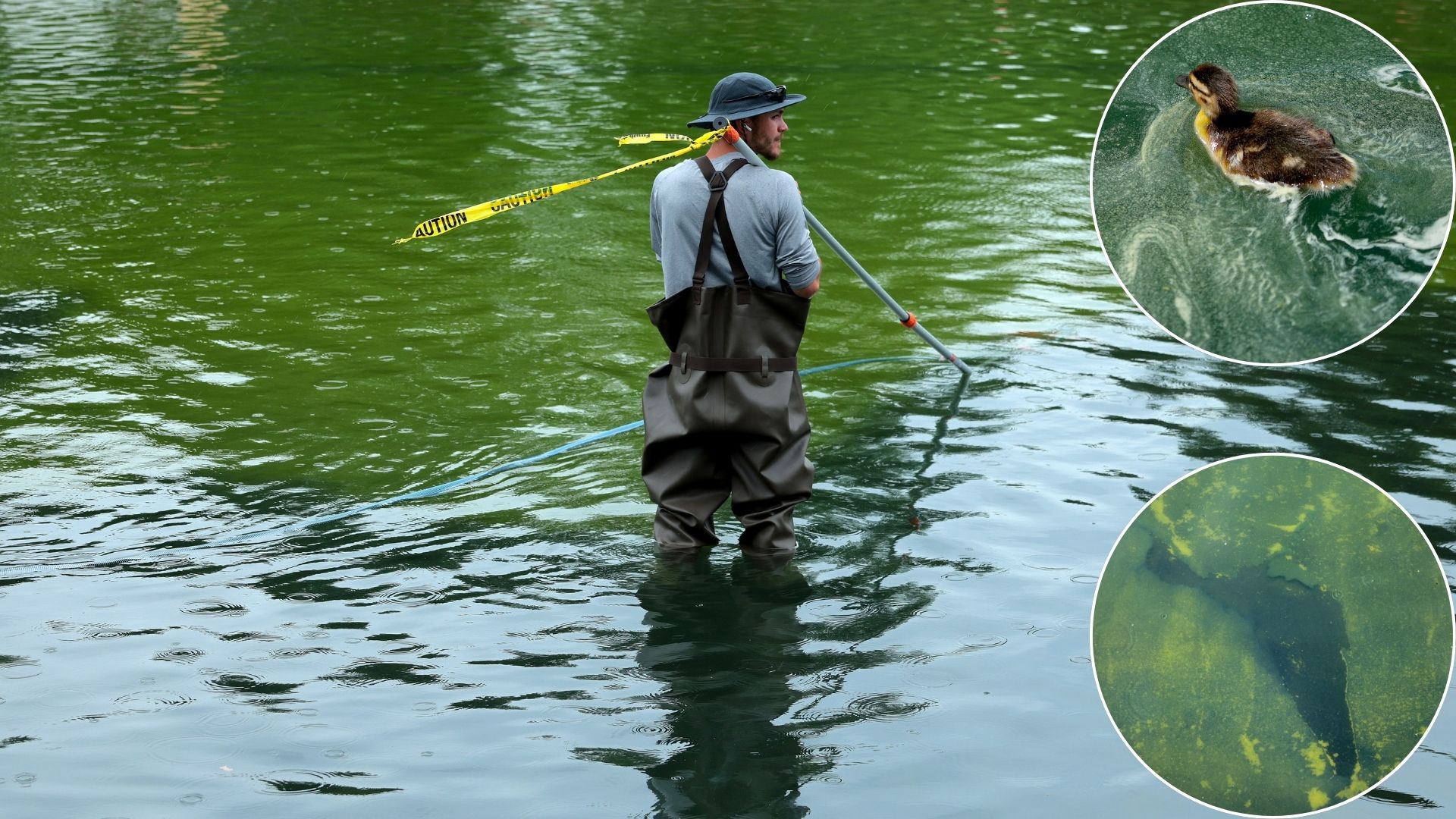
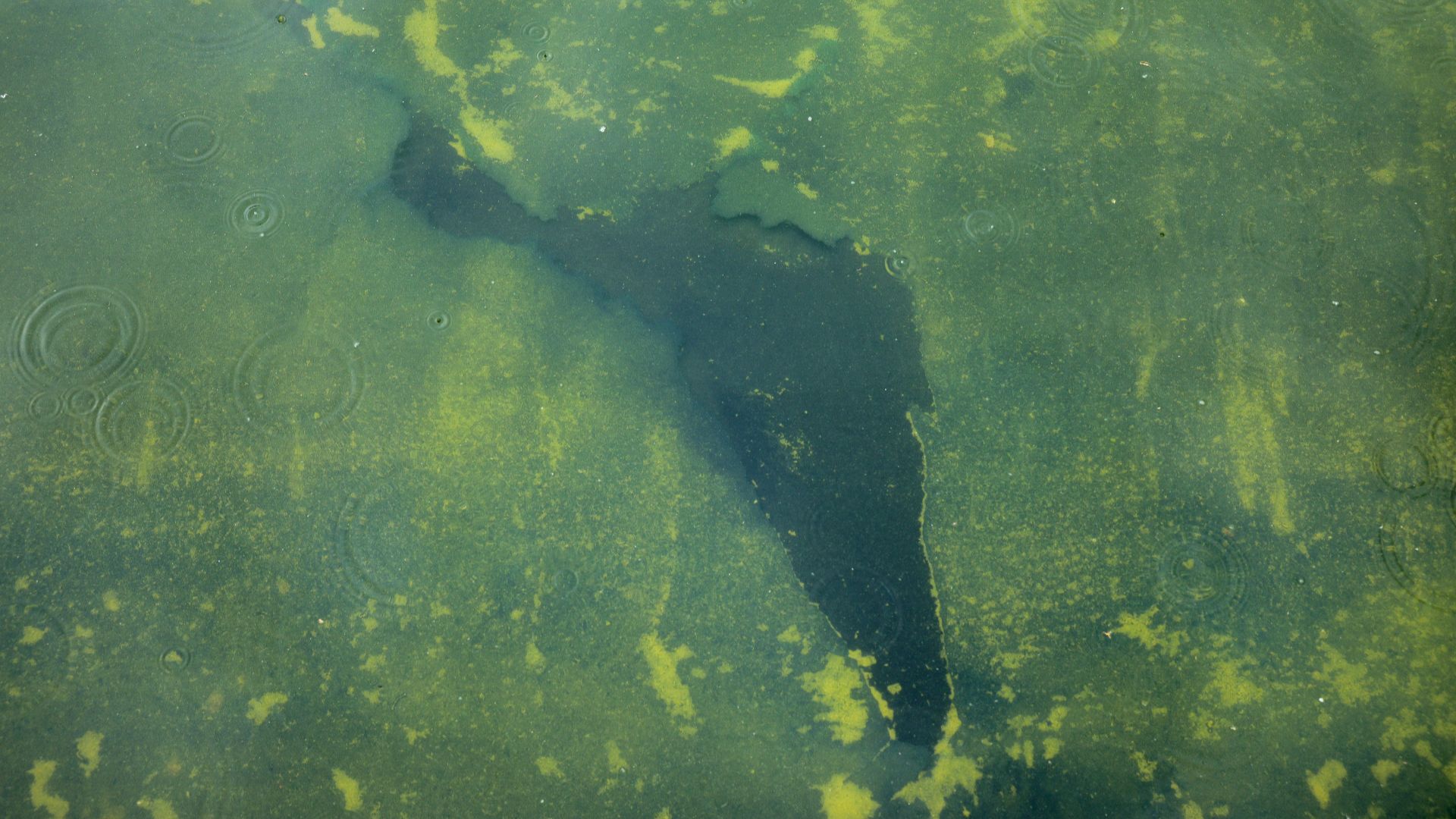
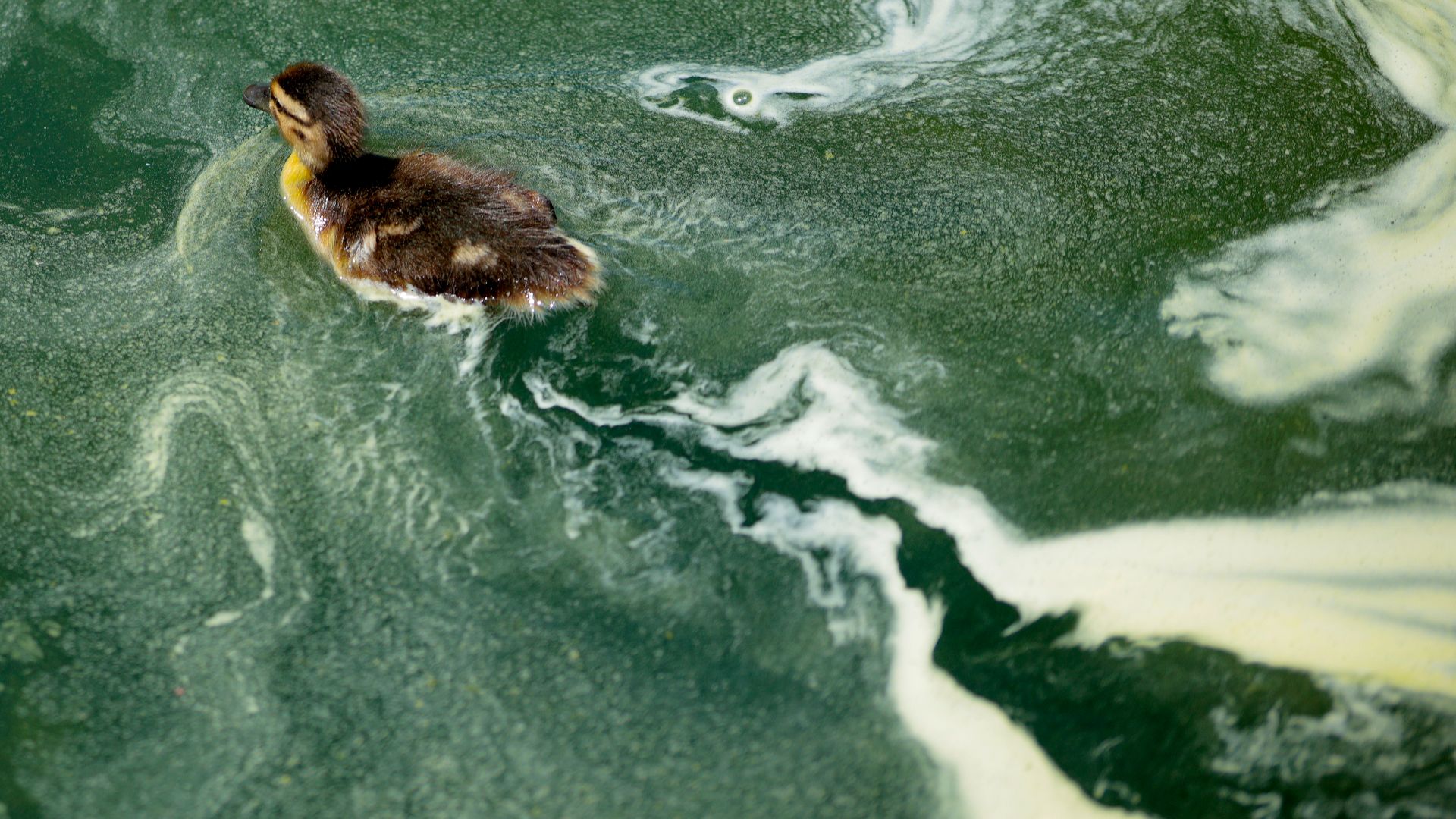
- Reopening and initial incidents: Green algae on the surface and fragments of blue coating were observed a few days after the reservoir was filled.
The Contracts and the Issue of Procedure
One of the triggers of the controversy is the method used to award the contracts. The lack of a public bidding process for all services has fueled a debate over transparency. When significant sums are committed to a national site, the award procedure and the technical justification for the choices made must be documented and accessible. In this case, alleged ties between certain selected companies and political figures have reinforced public mistrust, making a thorough review of the case all the more necessary.
Technical Issues: Algae and Paint
From a technical standpoint, two main problems have emerged. The first is the proliferation of algae despite the installation of an ozone nanobubbler system by Greenwater Services. While this technology can be effective in certain contexts, its performance depends heavily on local conditions: temperature, water cycle, available nutrients, and sun exposure. In the case of the Reflecting Pool, the rapid reappearance of algae indicates either that these parameters were underestimated or that a more comprehensive maintenance plan is needed.
The second issue concerns the blue coating applied by Atlantic Industrial Coatings. The flaking observed suggests possible shortcomings in surface preparation, product selection, or application conditions. For a structure exposed to water, technical tolerances are strict: the coating's waterproofing, adhesion, and durability are essential to prevent premature degradation.
Practical and Environmental Consequences
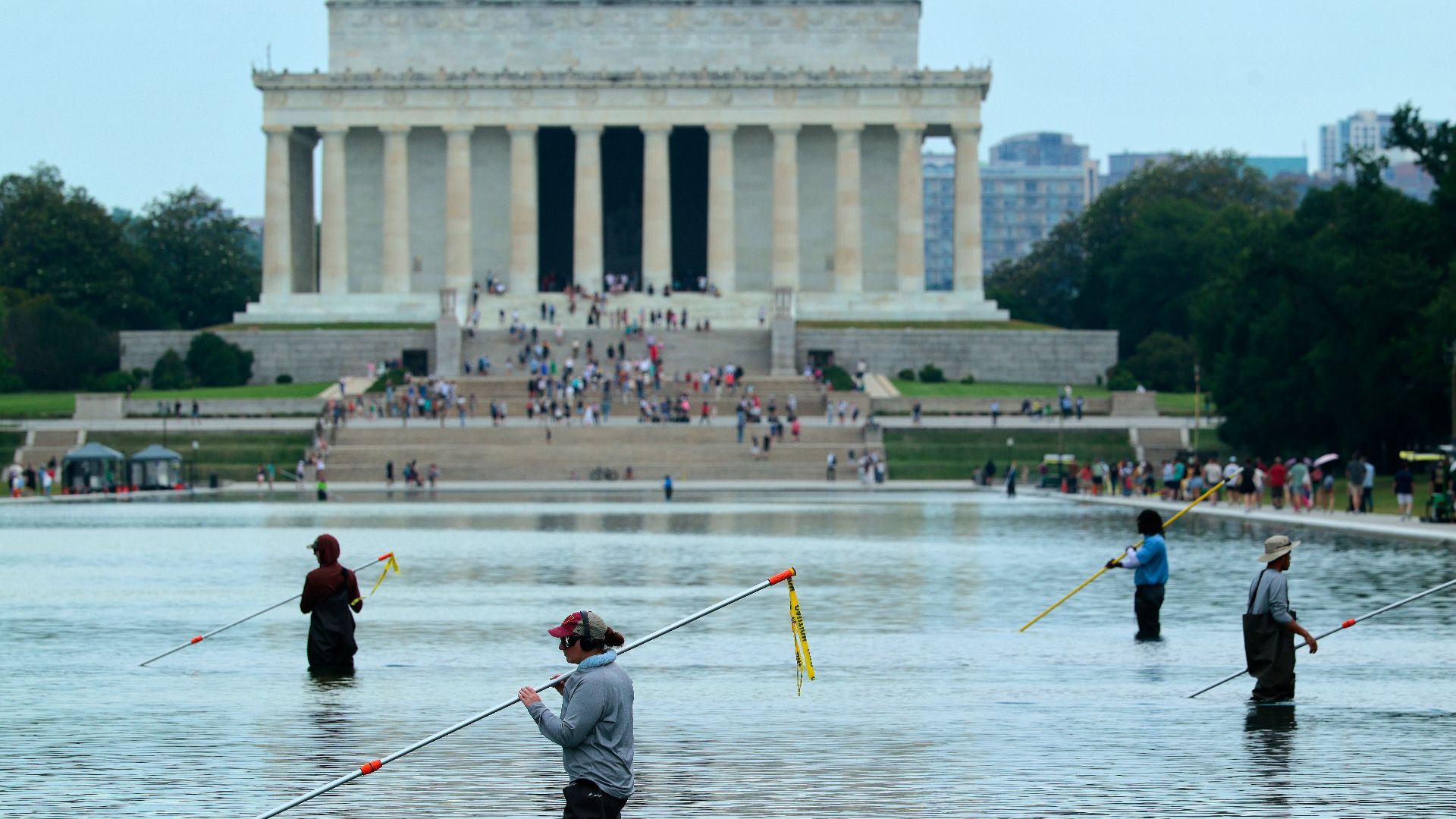
Beyond the impact on the structure's appearance, the incidents have led to additional interventions: manual cleaning, localized treatments (e.g., hydrogen peroxide), and supplementary technical assessments. These measures entail additional costs and underscore the importance of post-construction monitoring. Furthermore, the presence of paint debris in the water raises short-term environmental and waste management concerns, even as authorities take steps to limit the impacts.
Communication, Symbolism, and Politics
This project is not disconnected from a political narrative: public announcements, social media posts, and bold aesthetic choices have made the renovation a visible act of the current administration. This symbolic dimension intensifies media pressure when the result falls short of the promises made. For officials, it has become essential to explain—factually and transparently—the technical and administrative decisions that guided the project's execution.
What to Watch for Now
- Detailed technical inspection reports and contract audits.
- Follow-up measurements of water quality and the condition of the lining in the coming months.
- Public communication regarding any potential additional costs and identified responsibilities.
Conclusion
The Reflecting Pool case illustrates how the management of public heritage projects requires a combination of technical rigor, administrative transparency, and effective communication. Green algae and peeling paint are symptoms that call for well-documented and prompt responses to restore public confidence and ensure that the money spent is truly used for heritage preservation.