Melania Trump Hosts Weird AI Robot Event with Spouses of World Leaders, Promotes Robots for U.S. Schoolchildren


/https%3A%2F%2Fcdn-tor.buminteractif.com%2F2026%2F03%2F26164937%2Fmelania-robot-getty3456345344er.jpg)
Melania Trump made a striking and unusual entrance at a high-profile artificial intelligence event she hosted alongside the spouses of several world leaders, notably including France's First Lady Brigitte Macron, immediately drawing attention both in the room and online. Arriving accompanied by a humanoid robot, the First Lady's appearance quickly went viral across social media platforms, where clips of the moment circulated widely. The event, centered on the future of education and emerging technologies, shifted from a diplomatic gathering to a viral spectacle within hours. While the setting gathered influential figures from across the world, it was the unexpected staging and visual symbolism that first captured public attention.
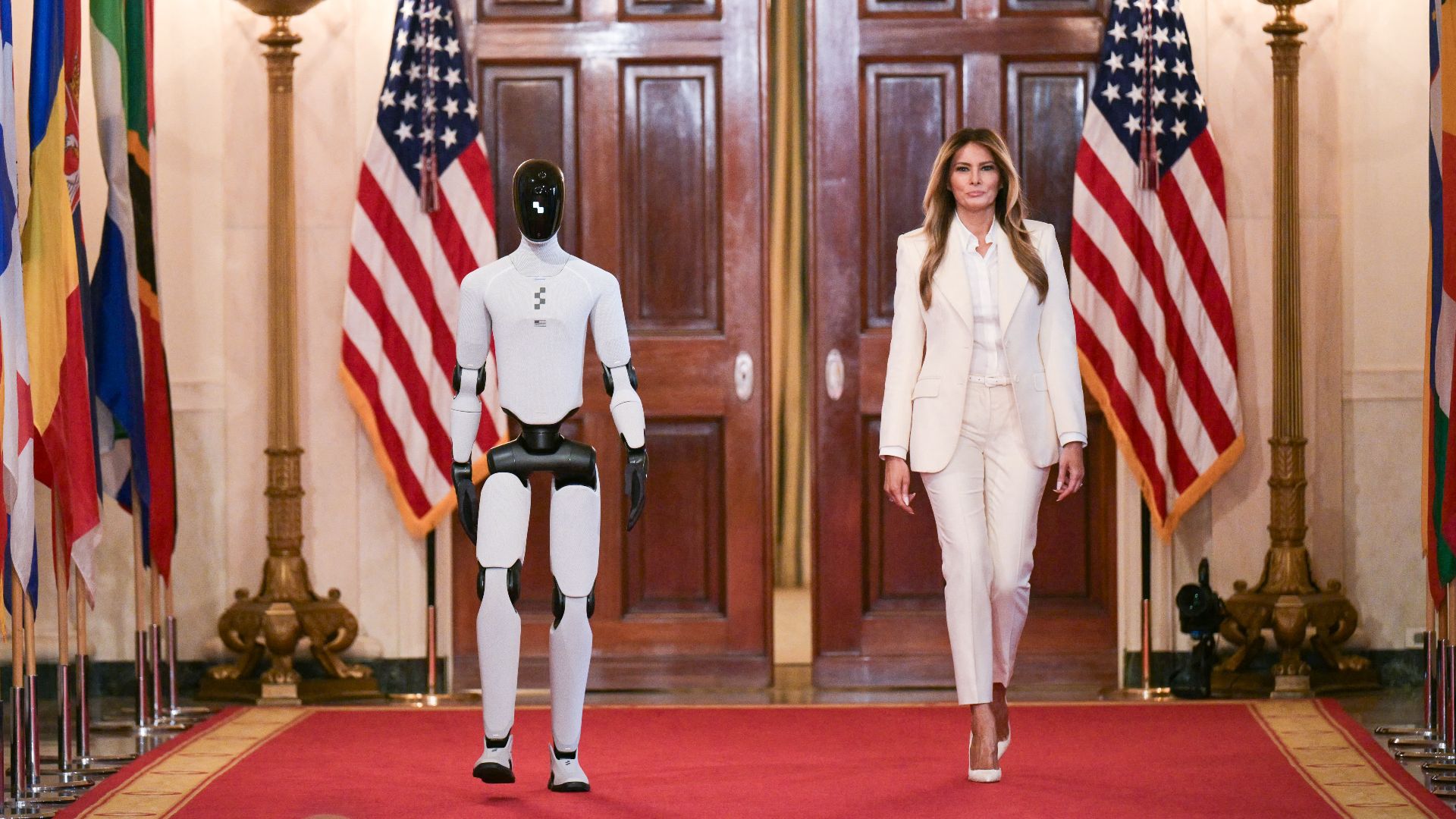
As the event progressed, Melania Trump laid out her vision for integrating artificial intelligence into American classrooms, introducing a concept that she framed as transformative for education. In one of the most widely shared moments of her speech, she stated:
«Imagine a humanoid educator named Plato.»
The proposal, presented as both innovative and inevitable, immediately sparked discussion among observers, with many focusing on the implications of replacing or supplementing traditional teaching roles with AI-driven systems. The reference to a named robotic educator underscored the administration's interest in positioning technology as a central component of future learning environments.
«America, we are obligated to ensure that our children become the most technologically fluent and highly educated generation in the world.»
-First Lady, Melania Trump
Expanding on the concept, Melania Trump described the capabilities such a system would bring to students, emphasizing personalization and adaptability. She said «Plato will provide a personalized experience, adaptive to the needs of each student. Plato is always patient, and always available. Predictably, our children will develop deep critical thinking and independent reasoning abilities. The AI-powered Plato will boost analytic skills and problem solving and adopt in real time to a student's pace, prior knowledge and even emotional state. The byproduct — a more well-rounded lifestyle for our children, freeing up time for being with friends, playing sports and developing interests beyond school. A more complete person.»
The remarks outlined a vision where technology plays a central, continuous role in children's intellectual development.
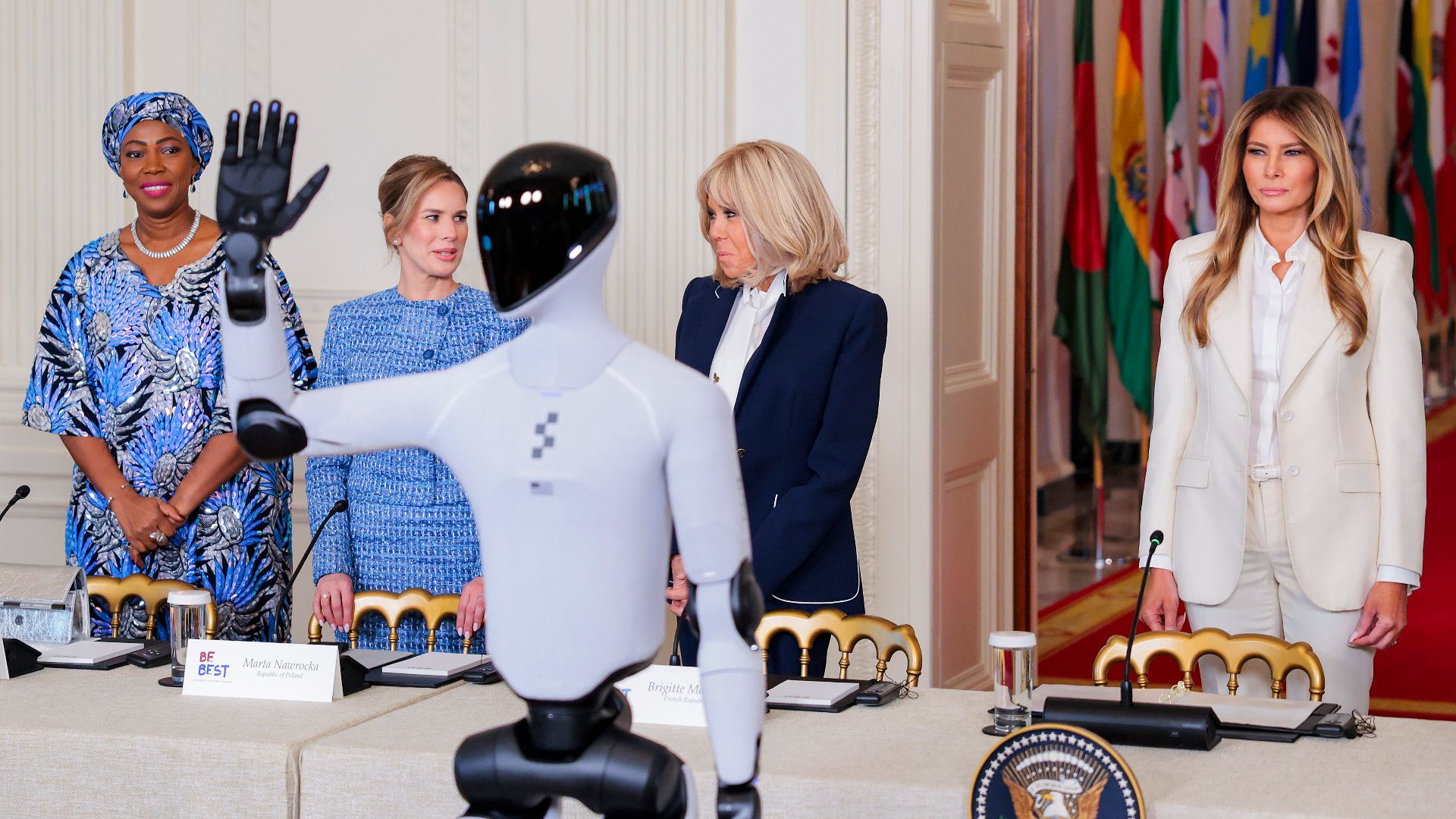
Melania Trump also framed the initiative within a broader national objective, linking the adoption of AI tools in education to global competitiveness.
She stated:
«America, we are obligated to ensure that our children become the most technologically fluent and highly educated generation in the world.»
The comment reflected a strategic emphasis on technological leadership, positioning education reform as a key component of that ambition. Several attendees, including international representatives, acknowledged the importance of innovation in education, though reactions to the specifics of the proposal varied in tone and emphasis.
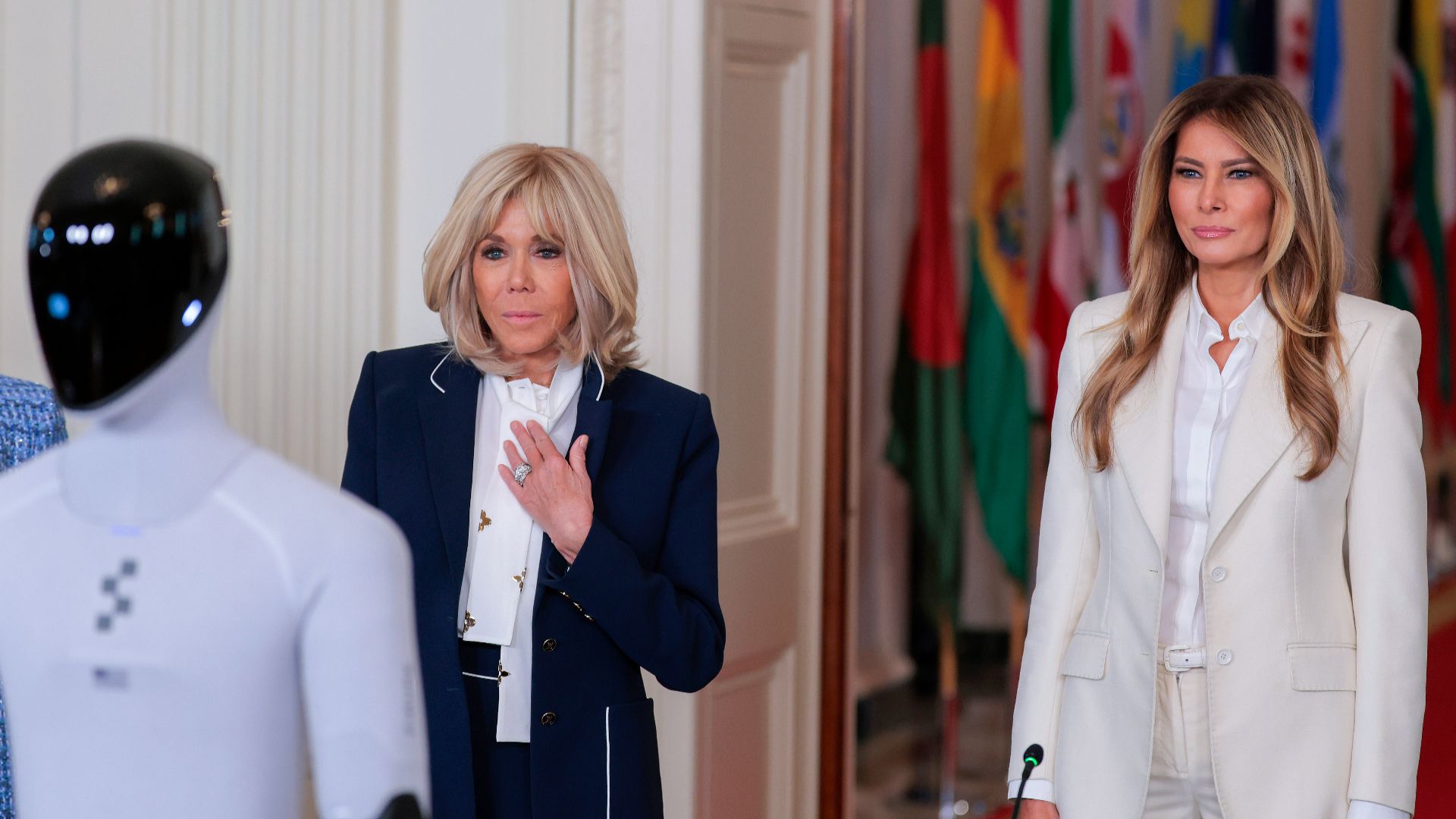
The event, however, has raised a number of questions among educators, researchers, and policy observers regarding the ethical and social implications of such a shift. Critics have pointed to concerns about the absence of human interaction in learning environments increasingly shaped by artificial intelligence. Experts in child development have long emphasized the importance of emotional connection, mentorship, and interpersonal communication in education, elements that may be difficult to replicate through even the most advanced systems. The idea of an «always available» and «always patient» AI educator has been described as both appealing and potentially problematic, depending on how it is implemented.
«Plato will provide a personalized experience, adaptive to the needs of each student. Plato is always patient, and always available. Predictably, our children will develop deep critical thinking and independent reasoning abilities. The AI-powered Plato will boost analytic skills and problem solving and adopt in real time to a student's pace, prior knowledge and even emotional state. The byproduct — a more well-rounded lifestyle for our children, freeing up time for being with friends, playing sports and developing interests beyond school. A more complete person.»
-First Lady, Melania Trump
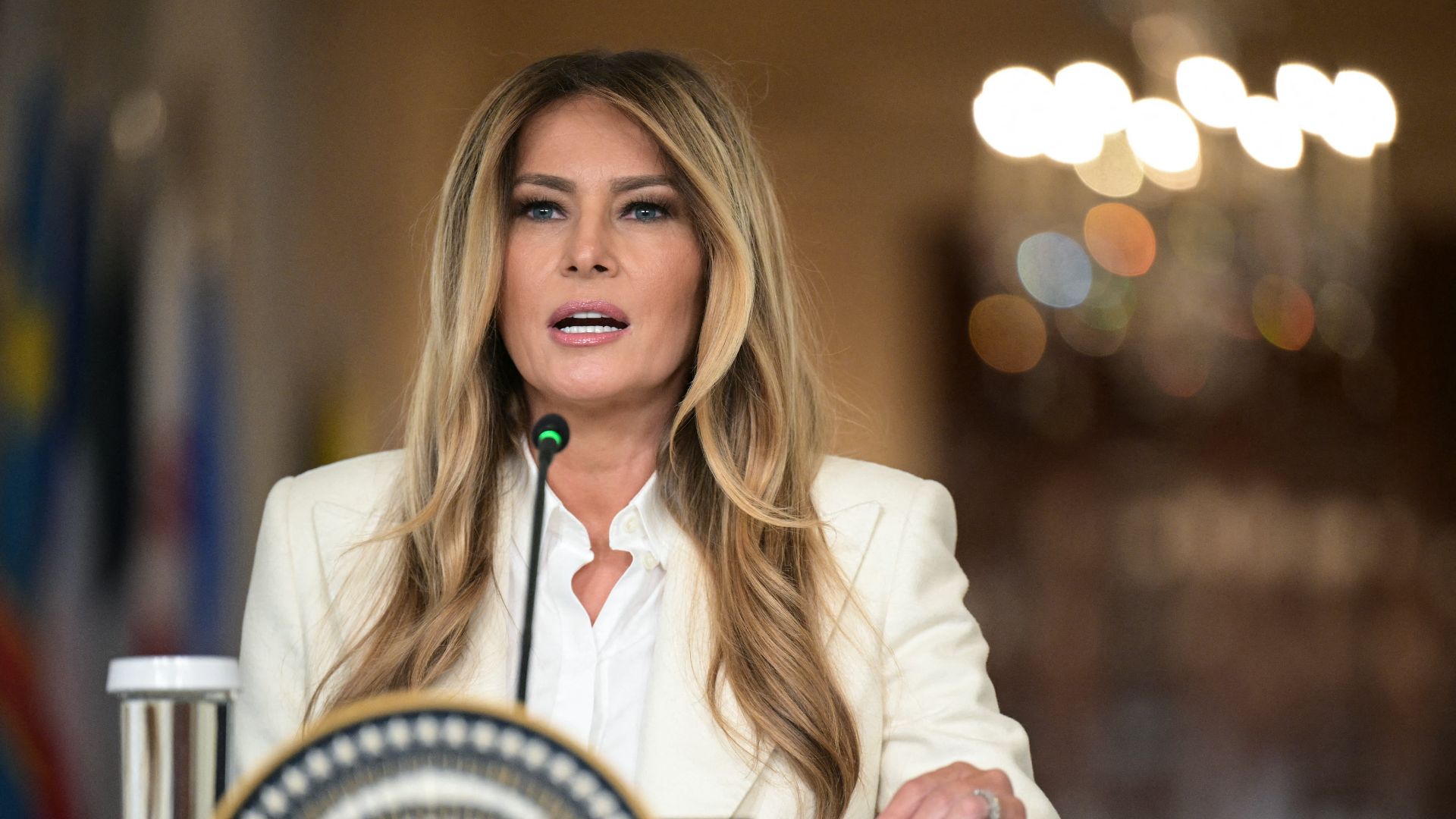
As reactions continue to unfold, the event highlights the growing intersection between technology, politics, and education policy. While Melania Trump's presentation positioned AI as a tool to enhance and modernize learning, it has also reignited debate over the role of human educators and the boundaries of automation in formative environments. The viral nature of the event, combined with the ambitious scope of the proposal, ensures that the discussion will extend beyond the initial gathering. The introduction of AI-driven education models now appears poised to become a significant topic in ongoing conversations about the future of schooling in the United States.
Created by humans, assisted by AI.
