

/https%3A%2F%2Fcdn-tor.buminteractif.com%2F2026%2F02%2F12191547%2Fcuba-mexique-us-getty34534dfg.jpg)
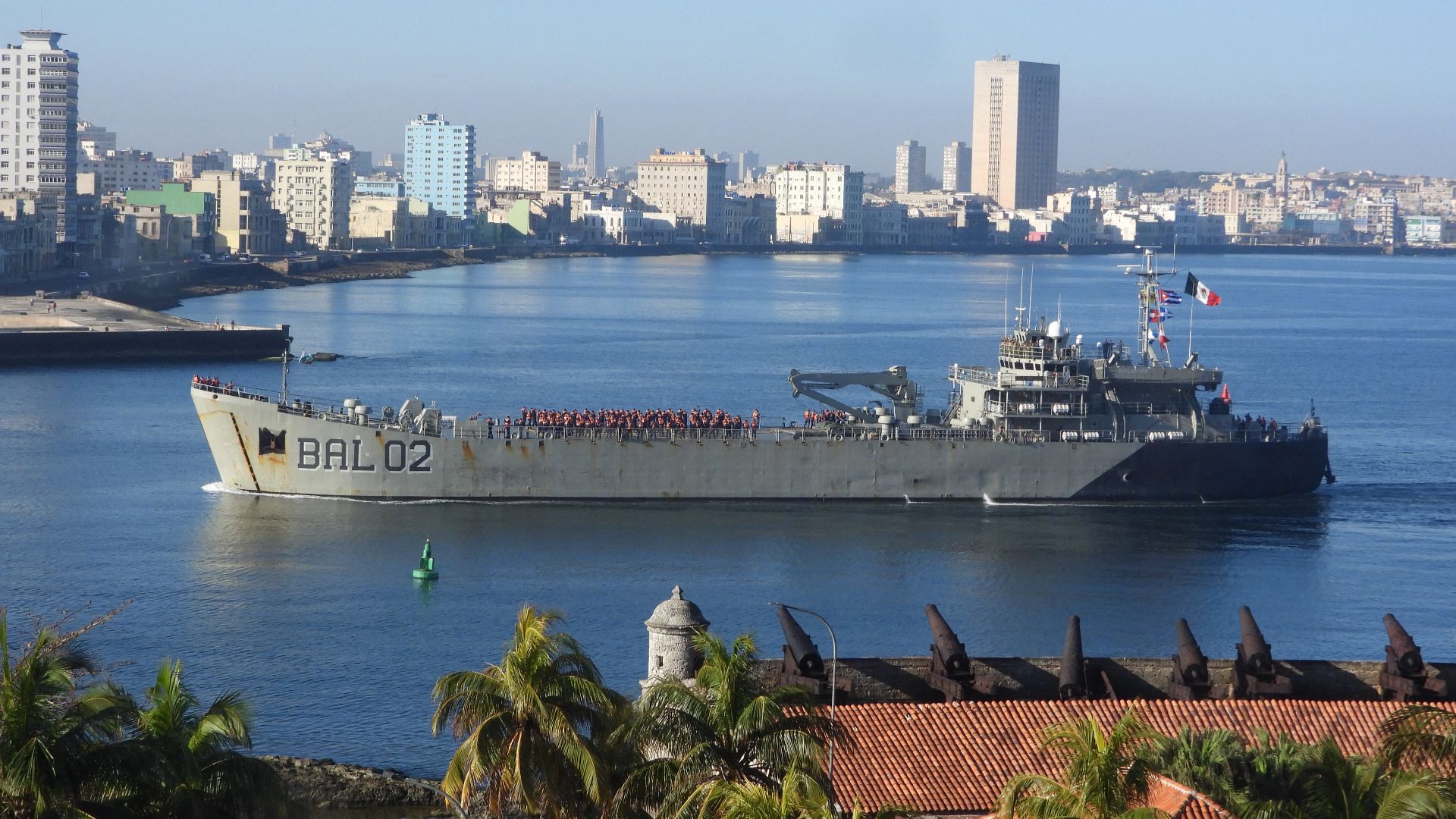
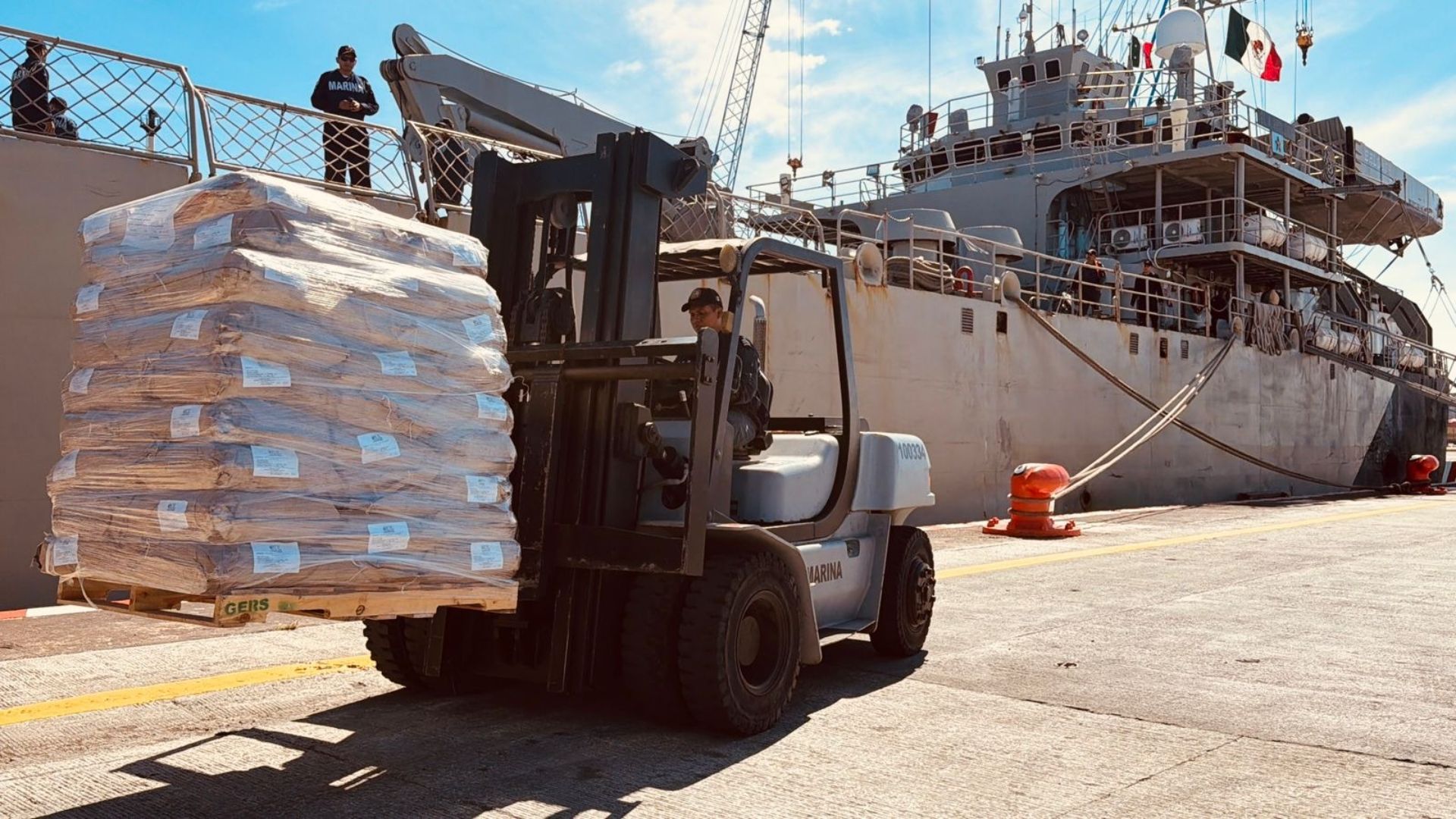
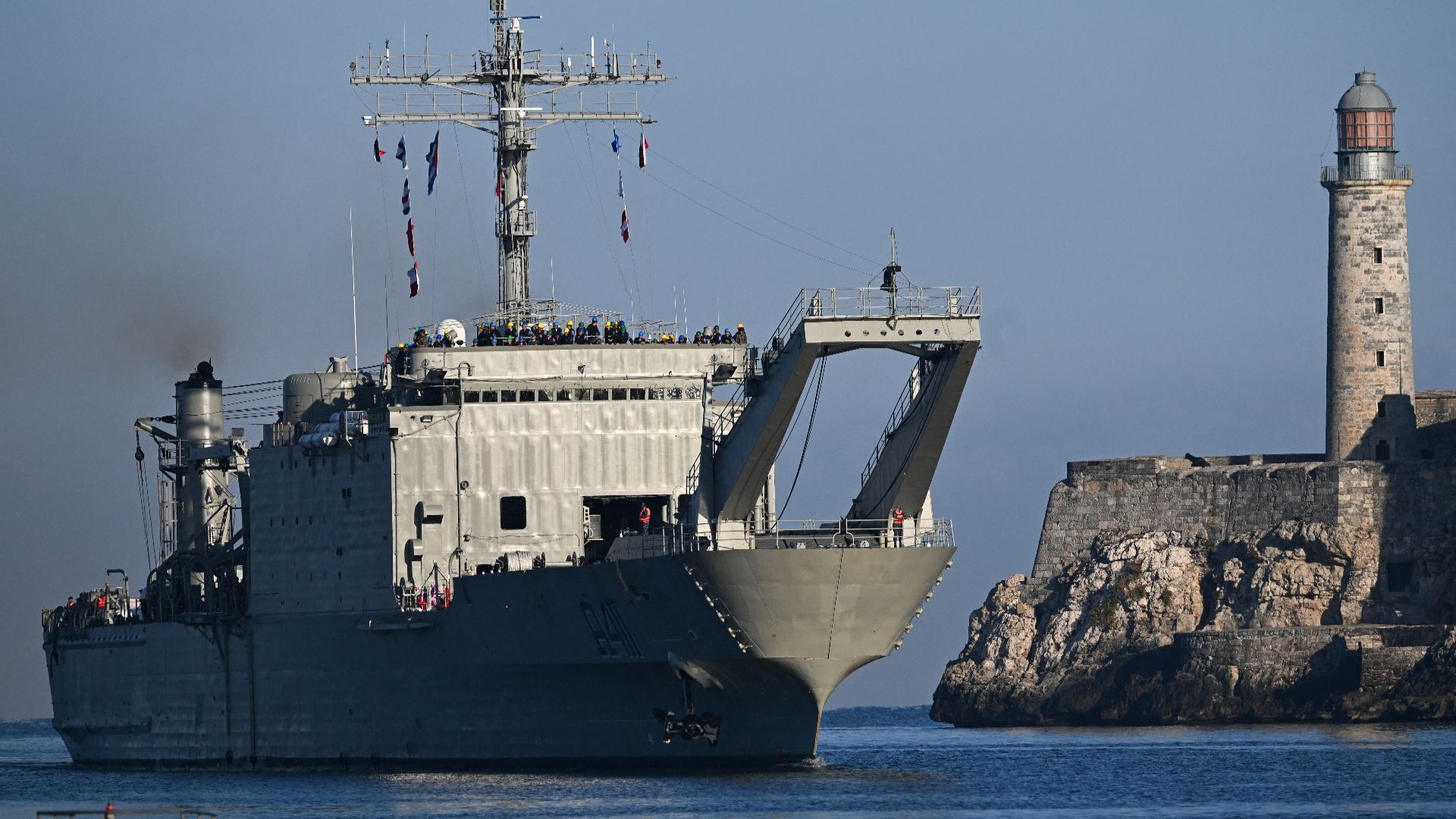
Mexico delivered a critical lifeline to Cuba on Thursday as two Mexican Navy ships docked in Havana carrying more than 800 tons of humanitarian supplies. According to Mexican authorities, one vessel transported 536 tons of food, including milk, rice, beans, sardines, meat products, cookies, canned tuna and vegetable oil, along with hygiene items, while the second ship carried more than 277 tons of powdered milk. Mexican President Claudia Sheinbaum signaled the aid would not be a one-time effort, stating: «we will send more support of different kinds.»
The shipment arrives as Cuba faces mounting economic strain, with shortages spreading across sectors and fuel scarcity disrupting essential services. For Havana, the Mexican delivery represents both emergency relief and a political signal of regional support amid intensifying external pressure.
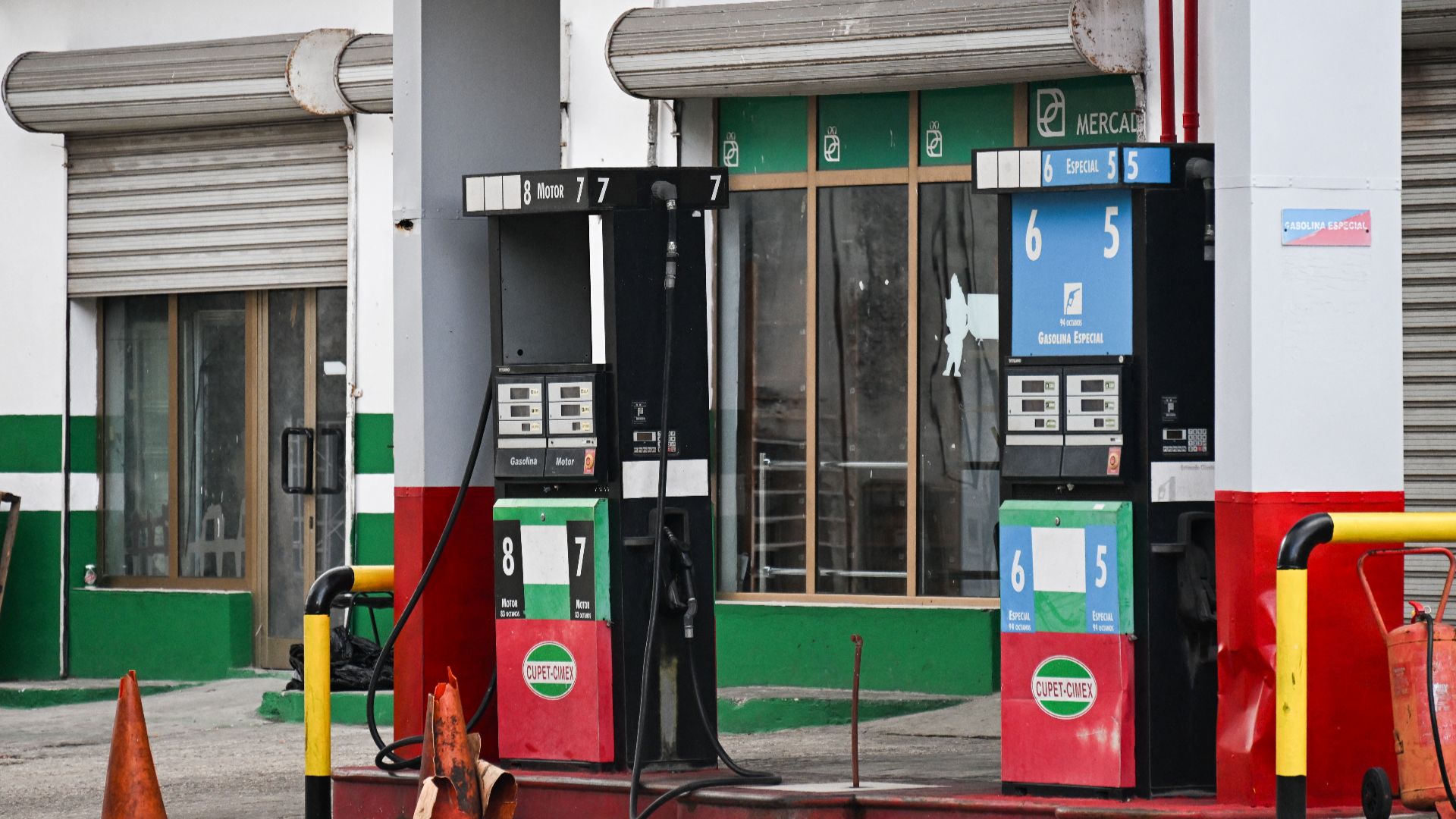
Cuba's energy crisis has escalated in recent weeks, leading to widespread blackouts, fuel rationing and transportation disruptions across the island. Cuban aviation officials warned airlines that there is insufficient fuel available for aircraft to refuel locally, prompting Air Canada to suspend flights and other carriers to introduce technical stops outside the country before continuing to Havana. Authorities have reduced bank hours, suspended cultural events and limited gasoline sales to 20 liters per customer, payable only in U.S. dollars. Cuban President Miguel Díaz-Canel has described the situation as an «energy blockade,» warning that it affects «transportation, hospitals, schools, tourism and the production of food.» Tourism, once a vital revenue source, has suffered further setbacks as the fuel shortage compounds ongoing economic difficulties.
The crisis intensified after President Donald Trump threatened tariffs on countries that continue supplying oil to Cuba, a move that dramatically increased uncertainty for Havana's remaining energy partners. The White House formalized that approach through an executive order signed January 29. A fact sheet accompanying the order states:
«The Order imposes a new tariff system that allows the United States to impose additional tariffs on imports from any country that directly or indirectly provides oil to Cuba.» The order declared a national emergency and authorized the imposition of additional tariffs targeting imports from countries maintaining oil supply routes to the island, broadening U.S. pressure beyond direct bilateral sanctions.
«We will send more support of different kinds.»
-Mexican President, Claudia Sheinbaum
The tariff mechanism represents a significant escalation because it targets third-party trade rather than limiting penalties to Cuban entities alone. By threatening additional duties on imports from countries that export oil to Cuba, Washington has effectively introduced a form of secondary economic pressure. The policy raises risks for energy exporters, refiners and transport companies that may consider continuing shipments. U.S. officials argue the measure is intended to counter what the administration describes as destabilizing alliances and governance practices in Havana. Cuban authorities, however, maintain that the consequences fall primarily on civilians already struggling with inflation, shortages and reduced access to essential goods.
Regional energy dynamics have further complicated Cuba's position. The island has historically relied on oil shipments from Venezuela, but those flows were disrupted earlier this year after U.S. action targeting Venezuela's leadership. Mexico's state-owned oil company, Pemex, had already suspended crude shipments to Cuba in January, before Trump's tariff announcement, though officials have not publicly detailed the reasons for the halt. Mexico has framed its humanitarian deliveries as separate from oil exports while pursuing diplomatic dialogue. Sheinbaum has said Mexico seeks to ensure Cuba «can receive oil and its derivatives for its daily operations,» even as it navigates growing tension with Washington.
«The Order imposes a new tariff system that allows the United States to impose additional tariffs on imports from any country that directly or indirectly provides oil to Cuba.»
-White House executive order
Cuban officials estimate that sanctions intensified during Trump's second term cost the country more than $7.5 billion between March 2024 and February 2025, worsening shortages already fueled by structural economic weakness and declining tourism revenue. While Mexico's emergency shipment provides immediate relief, the delivery does not resolve the island's underlying fuel crisis, which continues to disrupt transportation, aviation and daily commerce. The U.S. tariff threat remains a major pressure point, as it discourages foreign suppliers from maintaining oil shipments to Havana. Cuban authorities argue the policy amounts to collective punishment, while Washington presents it as a tool to force political and economic change. With energy rationing expanding and airlines scaling back operations, Cuba faces prolonged uncertainty over how it will stabilize fuel supplies in the coming weeks.
Created by humans, assisted by AI.
