Musk Faces European Warning «We Are Watching You» Over Reported Ukraine Starlink Restrictions as Trump Denies Involvement


Elon Musk reportedly ordered restrictions on a military-grade version of his Starlink satellite network used by Ukrainian forces, disrupting critical drone operations and air defenses as European governments and telecommunications companies increasingly seek alternatives to American-controlled satellite infrastructure. According to an investigation published by The Wall Street Journal on October 20, Musk personally authorized a slowdown of Starshield connectivity, limiting the speeds at which Ukrainian military equipment could remain connected to the satellite network. The restrictions, which began affecting operations on October 14, reportedly rendered some Ukrainian offensive drones and aerial interceptors virtually unusable, creating confusion in Kyiv and catching parts of the Trump administration by surprise. The revelations have raised questions about the extent of Musk's authority over essential wartime communications, particularly after reports emerged that he had discussed the restrictions with Donald Trump. While Trump denies ordering the slowdown, the incident has highlighted Ukraine's vulnerability to decisions made outside its military command, at a time when European companies are accelerating efforts to strengthen the continent's technological independence.
The controversy intensified as Musk and Trump offered explanations that appeared difficult to reconcile with subsequent reporting about who authorized the restrictions. On October 14, Musk publicly asserted that Starshield systems were controlled by the American government, arguing that limitations on their military use were ultimately determined by the Pentagon and the president. He also distinguished Starshield from the commercial Starlink service, which SpaceX controls and restricts to civilian or defensive activities. Two days later, Trump denied that his administration had ordered the disruptions, telling reporters: «I just checked this morning — it wasn't us.» He added: «I don't know if it was anybody, because it wasn't me and I don't think it was Elon.» However, the Wall Street Journal subsequently reported that Musk had personally made the decision after discussions with administration officials. According to sources familiar with the matter, Musk and Trump discussed the restrictions before they were imposed and again after they became public. The reported conversations do not establish that Trump authorized the decision, but they leave unresolved questions about the White House's prior knowledge and Musk's independent authority over the military communications service.
Hey, big man, are you playing politics with your products again? As your European customers, we are watching you.
The restrictions also followed a sharp deterioration in relations between Washington and Kyiv over Ukrainian attacks on Russian oil infrastructure, which Trump blamed for worsening global fuel prices. On October 10, Trump publicly criticized Ukraine's strikes against Russian refineries, arguing that they threatened international energy supplies at a time when his administration was attempting to ease economic pressure through changes to sanctions on Russian diesel. His criticism was unusually direct, including a warning that Zelensky should stop targeting the facilities. Musk subsequently amplified the confrontation by responding to a White House video of Trump's remarks with the declaration: «Zelensky has gone too far.» Four days later, Ukrainian drone operators began reporting unexplained restrictions on satellite connectivity, affecting both offensive operations against Russian targets and defensive systems used to intercept incoming attacks. Ukrainian officials reportedly suspected that the limitations were connected to Washington's political pressure over the refinery strikes. However, neither the timing nor Musk's public criticism establishes that the slowdown was deliberately imposed as retaliation. The incident nonetheless deepened uncertainty over American support for Ukraine, particularly as Russian attacks continued and Kyiv struggled to maintain dependable access to technology essential to its defense.

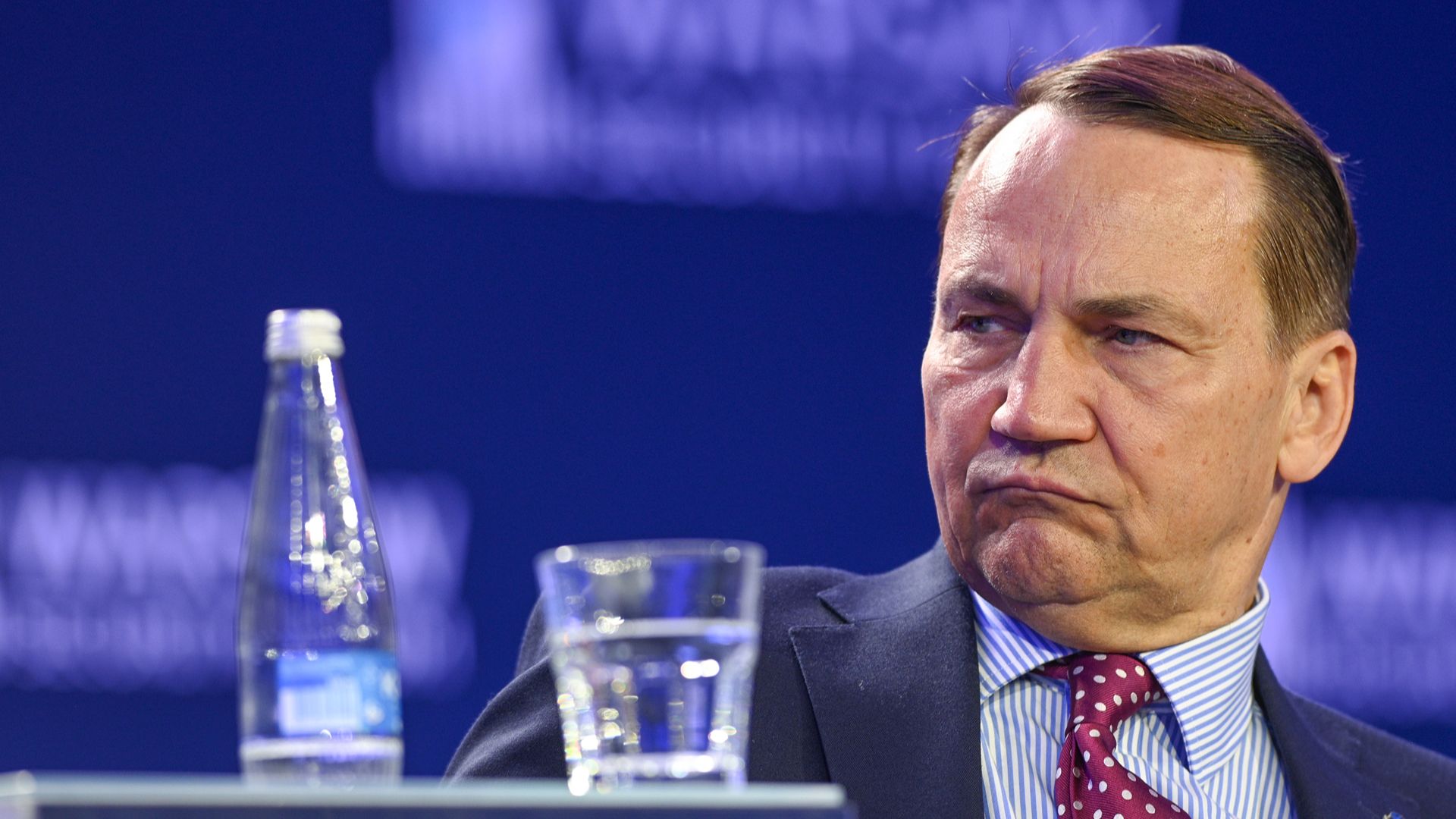
The restrictions triggered alarm among Ukrainian officials, who warned that disrupting satellite connectivity during an ongoing Russian offensive could have devastating consequences for the country's defenses. Zelensky described the decision as «a big mistake» that «will bring a lot of human losses», emphasizing that Ukraine depended on satellite communications not only for offensive operations but also for intercepting Russian drones and protecting civilians. Ukrainian military personnel reported that the restrictions prevented certain drones from maintaining stable connections at higher speeds, reducing their effectiveness against incoming attacks. The controversy also prompted a sharp response from Polish Foreign Minister Radosław Sikorski, who directly challenged Musk on X: «Hey, big man, are you playing politics with your products again? As your European customers, we are watching you.» His remarks reflected wider concerns about the influence of a private American technology company over military capabilities considered essential to European security, particularly when decisions about access could have immediate consequences on the battlefield.
Meanwhile, the Trump administration continued distancing itself from responsibility for the disruptions, even as questions mounted about Musk's discussions with senior American officials. Speaking to reporters in India on October 21, Secretary of State Marco Rubio insisted that Washington had not authorized the restrictions, stating: «I'm not aware that we knew about this decision beforehand. But that's irrelevant.» Rubio explained that access conditions and operating speeds were governed by SpaceX's commercial arrangements rather than direct White House orders. Defense Secretary Pete Hegseth similarly denied that the Pentagon had instructed SpaceX to reduce Ukraine's connectivity, pointing instead to the company's authority over service conditions. However, the conflicting explanations prompted lawmakers from both parties to demand further scrutiny. Republican Representative Brian Fitzpatrick and Democratic lawmakers, including Senators Adam Schiff and Chris Coons, raised concerns about the possibility of a private individual making decisions with significant consequences for American foreign policy and Ukrainian military operations. Calls for an investigation have intensified pressure to establish who authorized the restrictions, what Washington knew beforehand and whether appropriate oversight was exercised.
I just checked this morning — it wasn't us.
The controversy comes as Europe accelerates efforts to develop alternatives to satellite communications dominated by American companies, particularly Musk's SpaceX. According to the Financial Times, four major European telecommunications operators — Deutsche Telekom, Orange, Telefónica and Vodafone — announced on October 19 that they had signed a letter of intent to explore a joint bid for satellite spectrum rights, potentially creating a European-controlled competitor to Starlink's direct-to-device services. The initiative supports the European Commission's ambition to strengthen technological sovereignty and protect critical communications infrastructure, while reducing dependence on foreign providers. Although the companies do not currently intend to build their own satellite constellation, they plan to develop terrestrial infrastructure and partner with an existing satellite operator. The discussions began before the latest disruptions in Ukraine, but the episode has underscored the strategic risks associated with relying on satellite networks controlled outside Europe. With Starlink playing a crucial role in Ukrainian military operations and SpaceX exercising substantial influence over access to its technology, European governments and businesses face growing questions about how to guarantee dependable communications when commercial decisions and geopolitical interests collide.
Created by humans, assisted by AI.
