

/https%3A%2F%2Fcdn-tor.buminteractif.com%2F2026%2F06%2F17191403%2FGettyImages-2273910049.jpg)
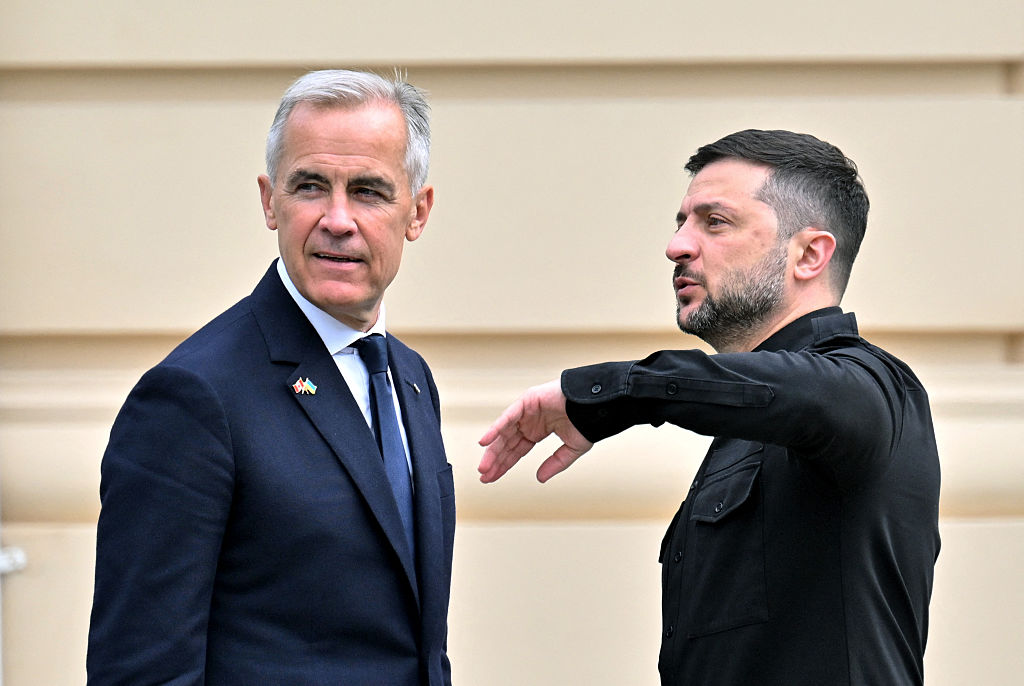
On June 16, Prime Minister Mark Carney announced a new package of sanctions against Russia following a bilateral meeting with Ukrainian President Volodymyr Zelensky at the G7 summit in Évian-les-Bains, France. The sanctions are targeting Russia's shadow fleet, energy revenues, defence-industrial sector and individuals accused of supporting Russian disinformation efforts. The package will apply to 162 individuals, entities and vessels connected to what the Canadian government describes as Russia's war machine. The announcement comes as Ukraine enters the fifth year of its war against Russia and continues pressing Western allies for additional military and economic support.
Carney unveiled the measures during a meeting with Zelensky on the sidelines of the summit. According to the Prime Minister's Office, the two leaders discussed Ukraine's battlefield situation, reconstruction efforts and continued international support for Kyiv. The are the latest step in Canada's broader strategy to try and use economic pressure to weaken Russia's ability to finance and sustain military operations. Since Russia launched its full-scale invasion in 2022, Canada has imposed sanctions on thousands of Russian individuals and organizations while providing billions of dollars in military and humanitarian assistance to Ukraine.
We're working more closely on production of drones together and we'll discuss the next stage of that,
-Mark Carney
The announcement comes after Canada has increased its aid to Ukraine in the last three months. Earlier this year, Ottawa committed billions of dollars in military assistance and announced an additional $270 million package designed to help Ukraine acquire critical military capabilities. Canada has also continued training Ukrainian troops and supporting reconstruction initiatives in areas damaged by the war. Government officials have argued that long-term support for Ukraine remains necessary to preserve European security and deter future acts of aggression by Russia.
Zelenskyy thanks Canada
Ukrainian Prime Minister Volodymyr Zelensky thanked Canada for its continued support and described discussions among G7 leaders as productive. Throughout the summit, the Ukrainian president is urging his allies to increase air-defence support and strengthen sanctions aimed at Russia's economy and military industries. Ukrainian officials have repeatedly warned that Russia continues launching missile and drone attacks against civilian infrastructure, including energy facilities and residential areas throughout the country.
Russia is not winning and we have to push Vladimir Putin to end this war.
-Volodymyr Zelenskyy
Carney meets with Zelenskyy
During the meeting with Zelensky, Carney also condemned Russia's latest attacks on Kyiv, including a strike that damaged the historic Kyiv Pechersk Lavra monastery. The Prime Minister's Office said Canada remains committed to supporting Ukraine's reconstruction and helping the country strengthen its long-term economic resilience. Canadian officials have pointed to opportunities for cooperation in infrastructure, energy development and clean technology as Ukraine prepares for eventual post-war rebuilding efforts.
The discussions in France reflected a broader consensus among G7 leaders that continued pressure on Moscow remains necessary. Several leaders signalled support for additional sanctions targeting Russia's energy exports, banking sector and military production capabilities. According to Zelensky, G7 leaders agreed that Russia has failed to achieve many of its strategic objectives and continues to suffer significant battlefield losses despite maintaining offensive operations in eastern Ukraine.
Will Russia back down to pressure?
Whether the latest sanctions will significantly alter the course of the war remains uncertain. Russia has spent years developing alternative trade networks and mechanisms designed to reduce the impact of Western sanctions. However, Canadian and European officials argue that sustained economic pressure continues to increase costs for the Russian government and complicate its ability to fund military operations over the long term. Analysts note that sanctions are often designed to gradually weaken economic capacity rather than produce immediate political results.
For Carney, the announcement also signals that Canada intends to remain an active participant in international efforts supporting Ukraine. As fighting continues and diplomatic negotiations remain stalled, Western governments appear increasingly focused on combining military assistance with economic pressure. Allies of Ukraine aim to force Russia toward a negotiated settlement. While there is little indication that the conflict will end in the near future, Canada's latest sanctions demonstrate that Ottawa remains committed to backing Ukraine as the war enters it's fifth year.
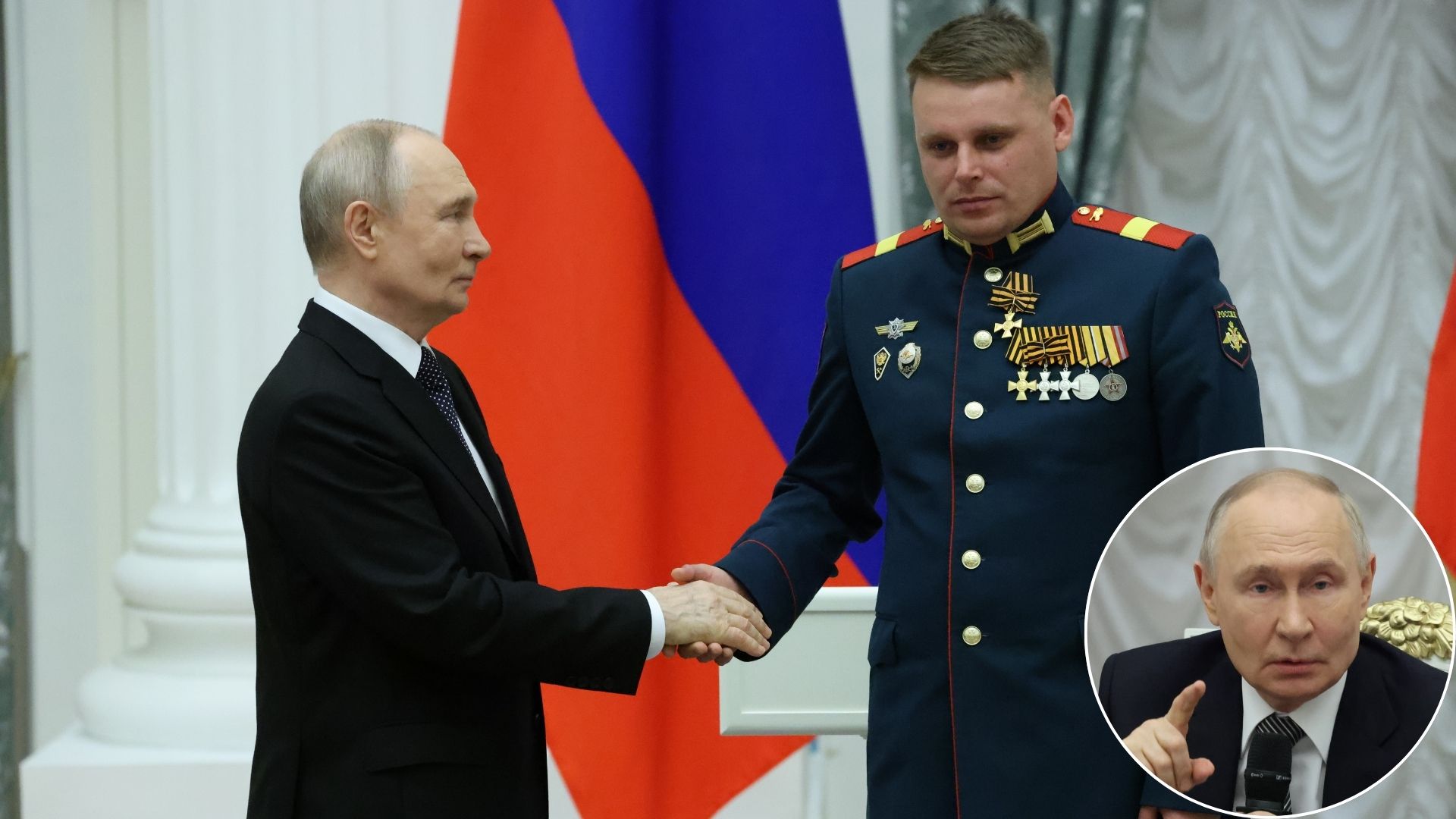 Putin warned Ukraine war is on an ‘unaffordable' path after $28 billion budget overrun
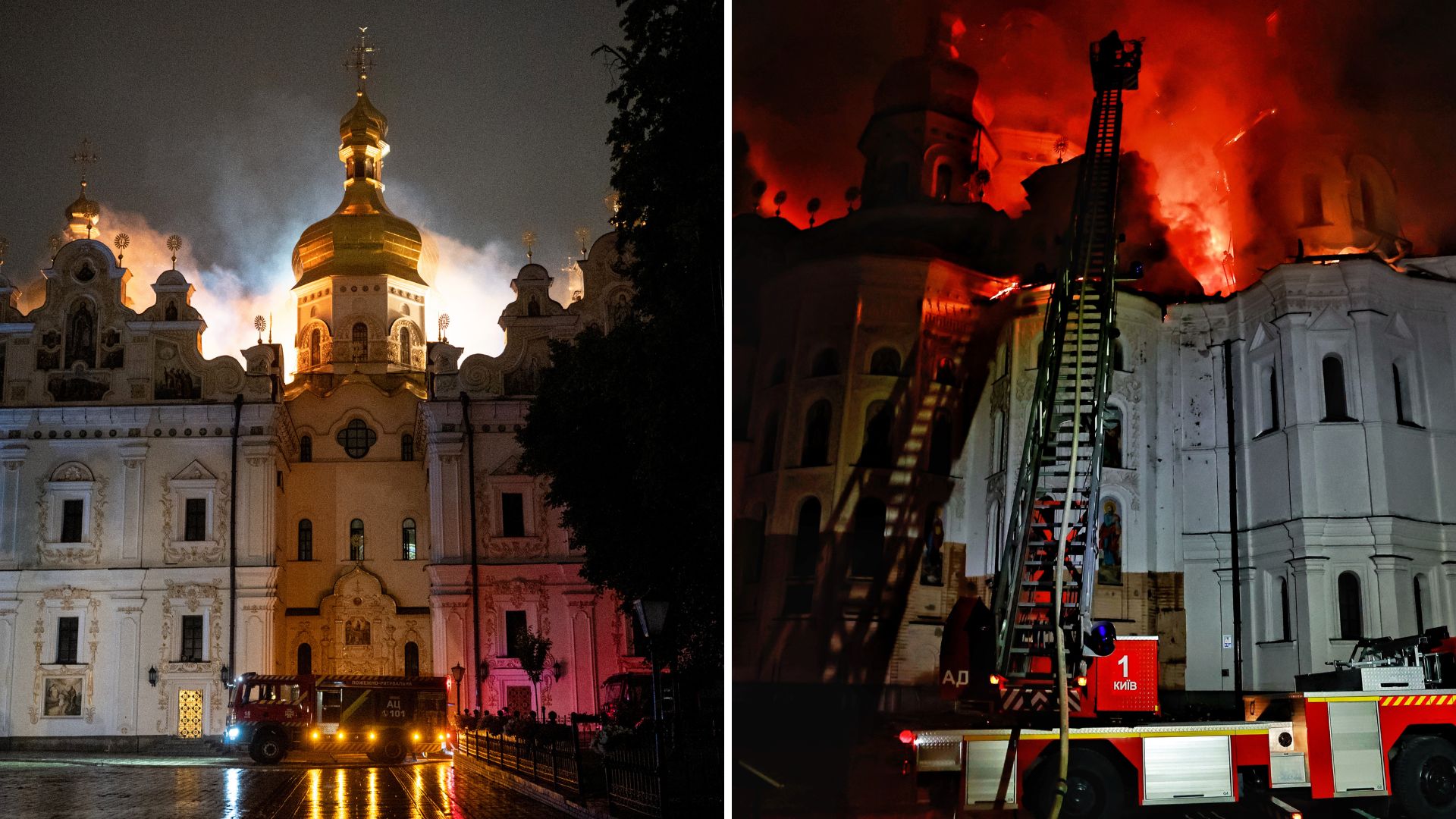 Russia strikes one of Ukraine's most sacred religious landmarks