

/https%3A%2F%2Fcdn-tor.buminteractif.com%2F2026%2F02%2F04183909%2Fcanada-getty345344234.jpg)
Canada has moved quickly to shut down renewed speculation about whether the country should consider acquiring nuclear weapons, after comments by retired general Wayne Eyre reignited debate over Ottawa's long-standing non-nuclear posture.
The discussion emerged against a backdrop of rising global instability, renewed nuclear threats from Russia, and mounting uncertainty within NATO following U.S. President Donald Trump's rhetoric toward allies and Greenland. While Eyre suggested Canada should not entirely rule out the option in the long term, the federal government responded by firmly reaffirming its commitment to non-proliferation and to strengthening the country's conventional military capabilities instead.
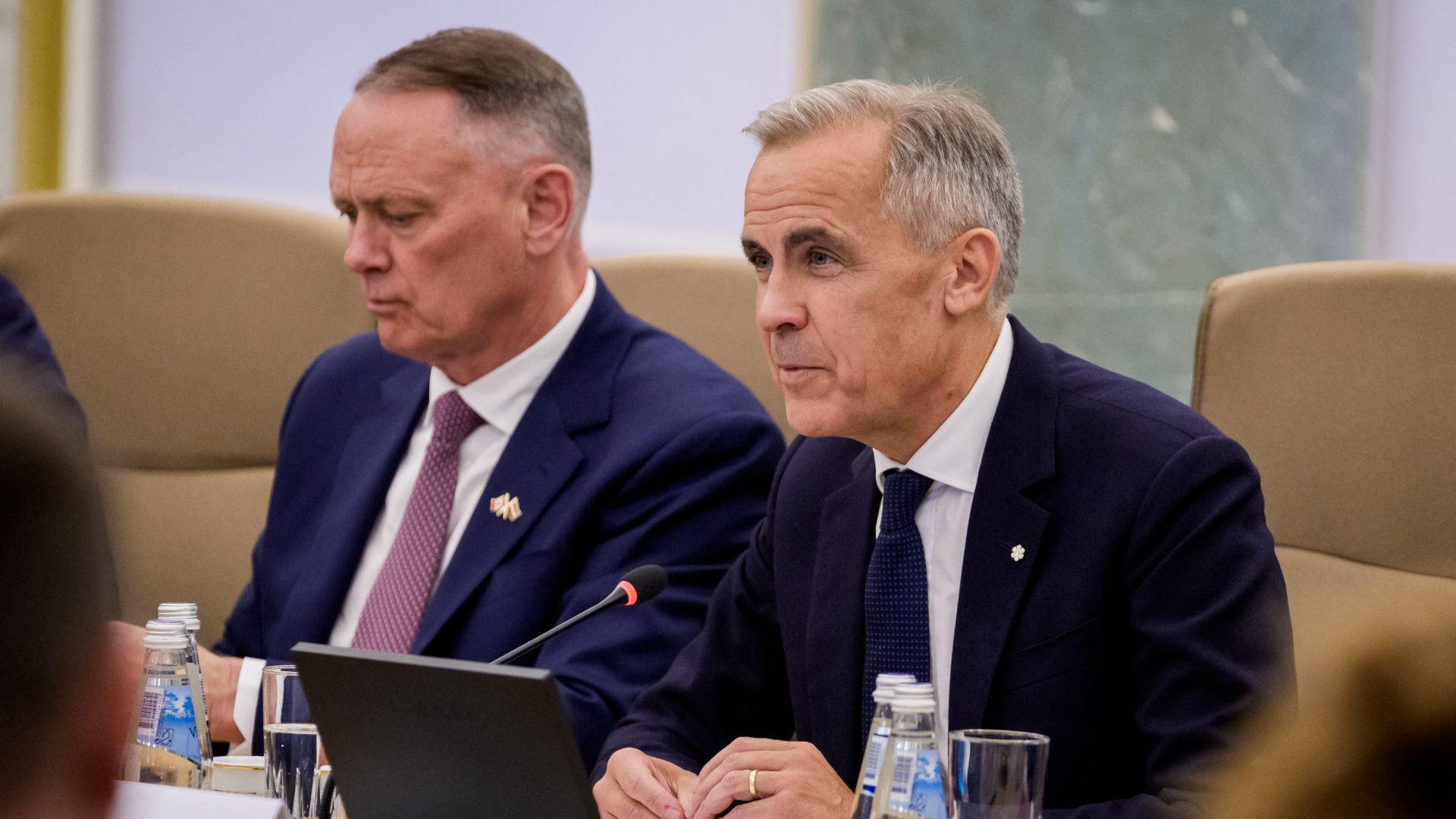
Defence Minister David McGuinty rejected the idea outright, stressing that Canada has no intention of pursuing nuclear weapons and remains bound by international treaties. Speaking to reporters ahead of a cabinet meeting, McGuinty said:
«Canada is a signatory to international treaties which preclude us, number one, and Canada has been a non-nuclear-proliferation state for a long time.»
He added that Ottawa's focus lies elsewhere:
«We are going to continue to build conventional weapons. We're going to continue to re-arm. We're going to continue to reinvest. We're going to continue to rebuild our Canadian Armed Forces and we're doing that.»
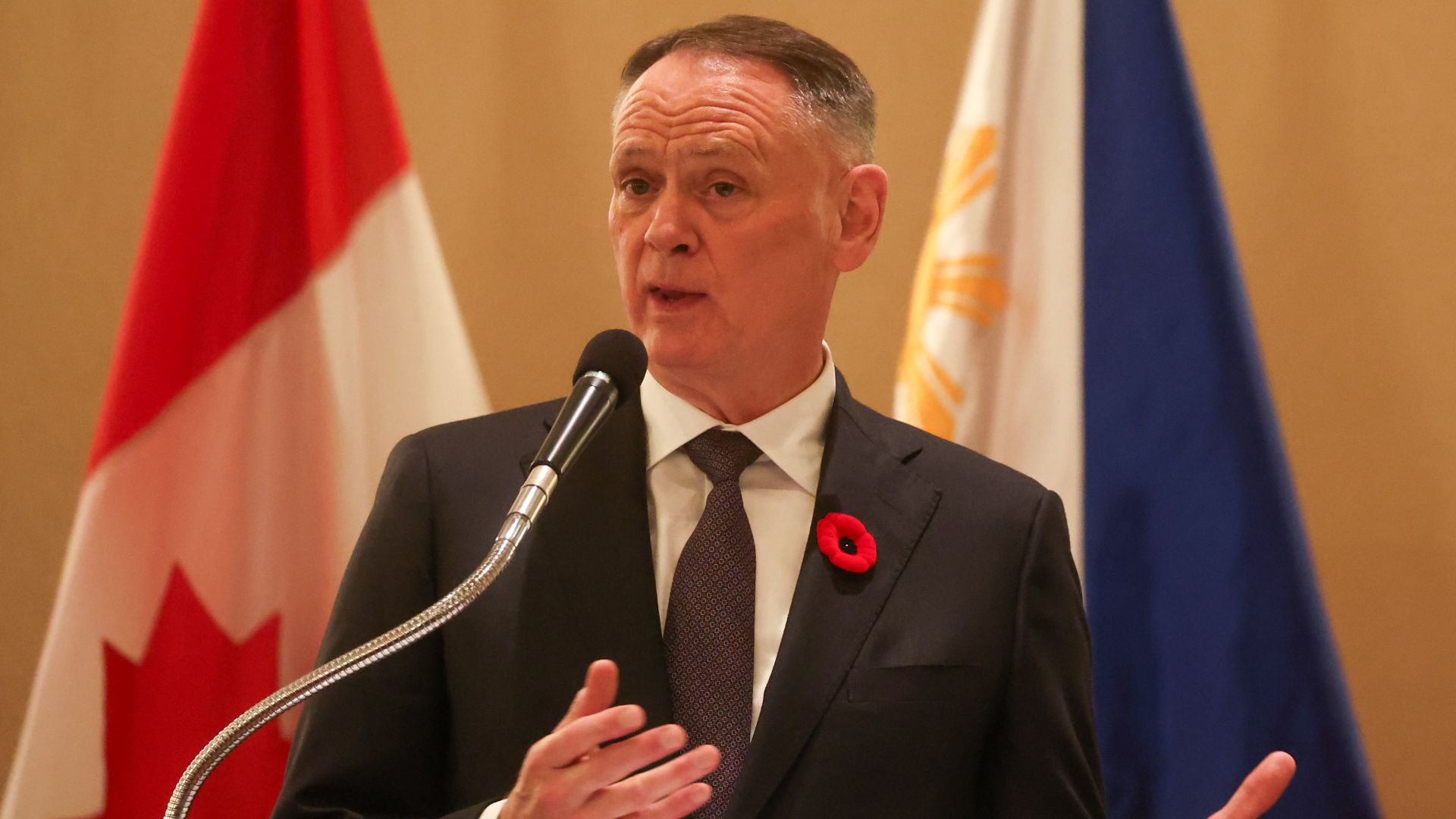
Eyre's remarks, delivered during a closed-door discussion in Ottawa on Canadian sovereignty and military autonomy, reflected growing unease among defence experts about reliance on U.S. security guarantees.
According to reports, the former chief of the defence staff argued that Canada may never achieve full strategic independence without a nuclear deterrent, while also acknowledging such a step should not be pursued now. Political leaders were quick to distance themselves from that view. Bloc Québécois Leader Yves-François Blanchet publicly supported the government's swift rejection of the idea, signalling broad political consensus against any nuclear path.
«Canada is a signatory to international treaties which preclude us, number one, and Canada has been a non-nuclear-proliferation state for a long time.»
-Defence Minister David McGuinty
Experts on nuclear policy and international security have also cautioned strongly against reopening the question. John Erath, senior policy director at the Center for Arms Control and Non-Proliferation, warned that nuclear weapons would only exacerbate global risk.
«Nuclear weapons are not the way to deal with growing uncertainty and danger around the world,» he said. Alexander Lanoszka of the University of Waterloo argued the issue is not technical feasibility, but strategic logic and cost, noting that Canada has «very, very little reason» to pursue such an expensive and diplomatically damaging course.
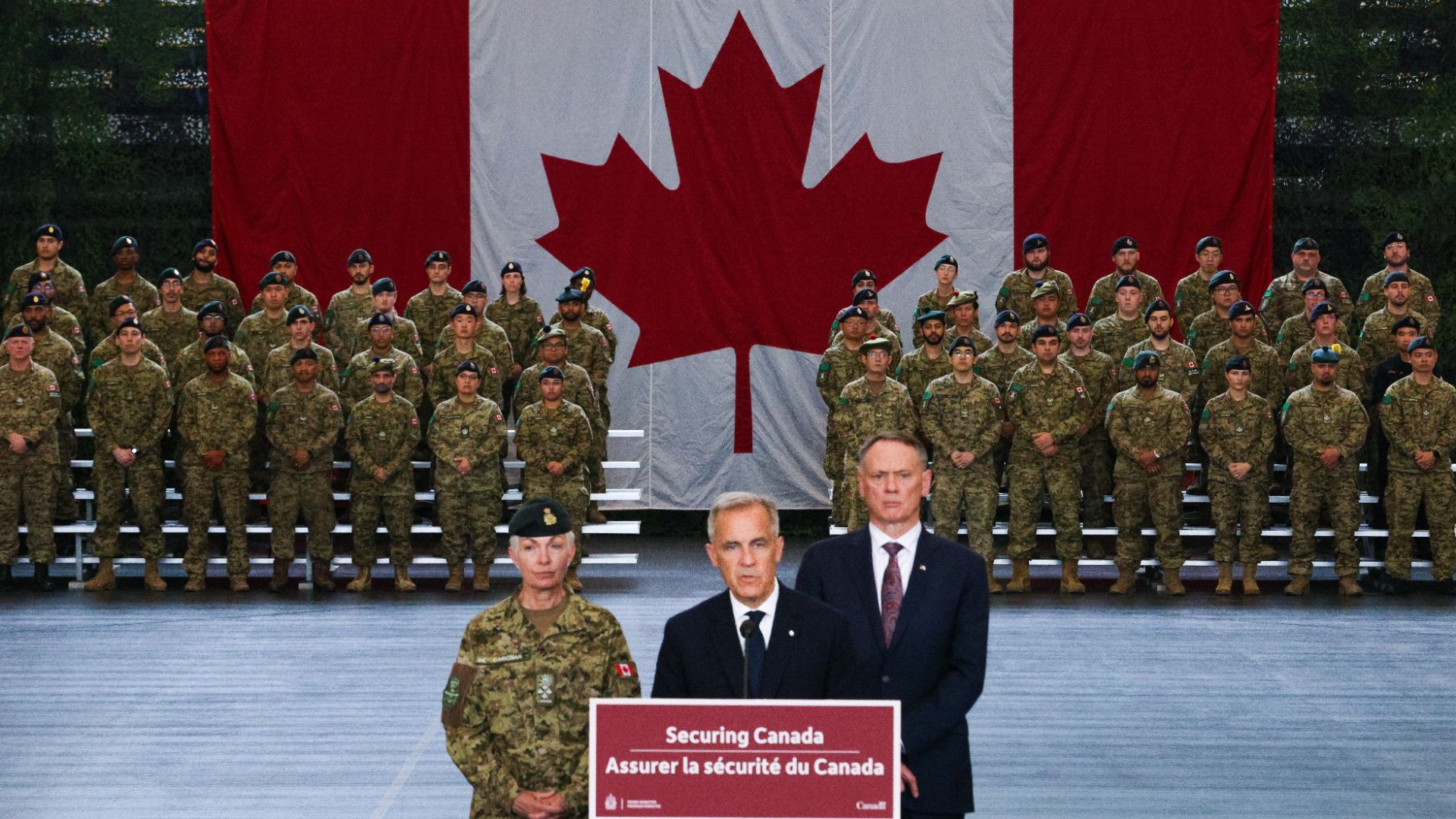
Canada's position is closely tied to its role as a signatory to the Nuclear Non-Proliferation Treaty, which bars non-nuclear states from acquiring such weapons. Ottawa has supported the treaty since it entered into force in 1970 and continues to frame it as a cornerstone of global stability, even as major powers modernize their arsenals and key arms control agreements like New START near expiration. While nuclear fears are rising globally, Canadian officials argue abandoning non-proliferation would undermine alliances and isolate the country diplomatically.
«We are going to continue to build conventional weapons. We're going to continue to re-arm. We're going to continue to reinvest. We're going to continue to rebuild our Canadian Armed Forces and we're doing that.»
-Defence Minister David McGuinty
Instead, the government is placing renewed emphasis on rebuilding the Canadian Armed Forces through conventional means, with particular attention to Arctic security, sovereignty patrols, and independent operational capacity. McGuinty has argued that these investments will ensure Canada can act independently when necessary without a nuclear deterrent. As geopolitical tensions intensify and alliances evolve, Ottawa appears determined to respond by strengthening traditional military capabilities, reinforcing treaty commitments, and avoiding a shift that could fundamentally alter Canada's defence identity on the world stage.
Created by humans, assisted by AI.
