

/https%3A%2F%2Fcdn-tor.buminteractif.com%2F2026%2F02%2F17192454%2Fobama-alien-getty-34534.jpg)
Former President Barack Obama moved quickly to clarify remarks about extraterrestrials after a lighthearted exchange on a podcast spiraled into viral speculation online. During an appearance on the No Lie podcast with Brian Tyler Cohen, Obama was asked directly whether aliens are real.
He responded with a grin: «They're real, but I haven't seen them.»
The quip, delivered in a playful tone, was rapidly clipped and shared across social media platforms, where it circulated without full context. Within hours, headlines and trending posts suggested Obama had confirmed the existence of alien life, prompting widespread online debate and renewed fascination with UFO lore.
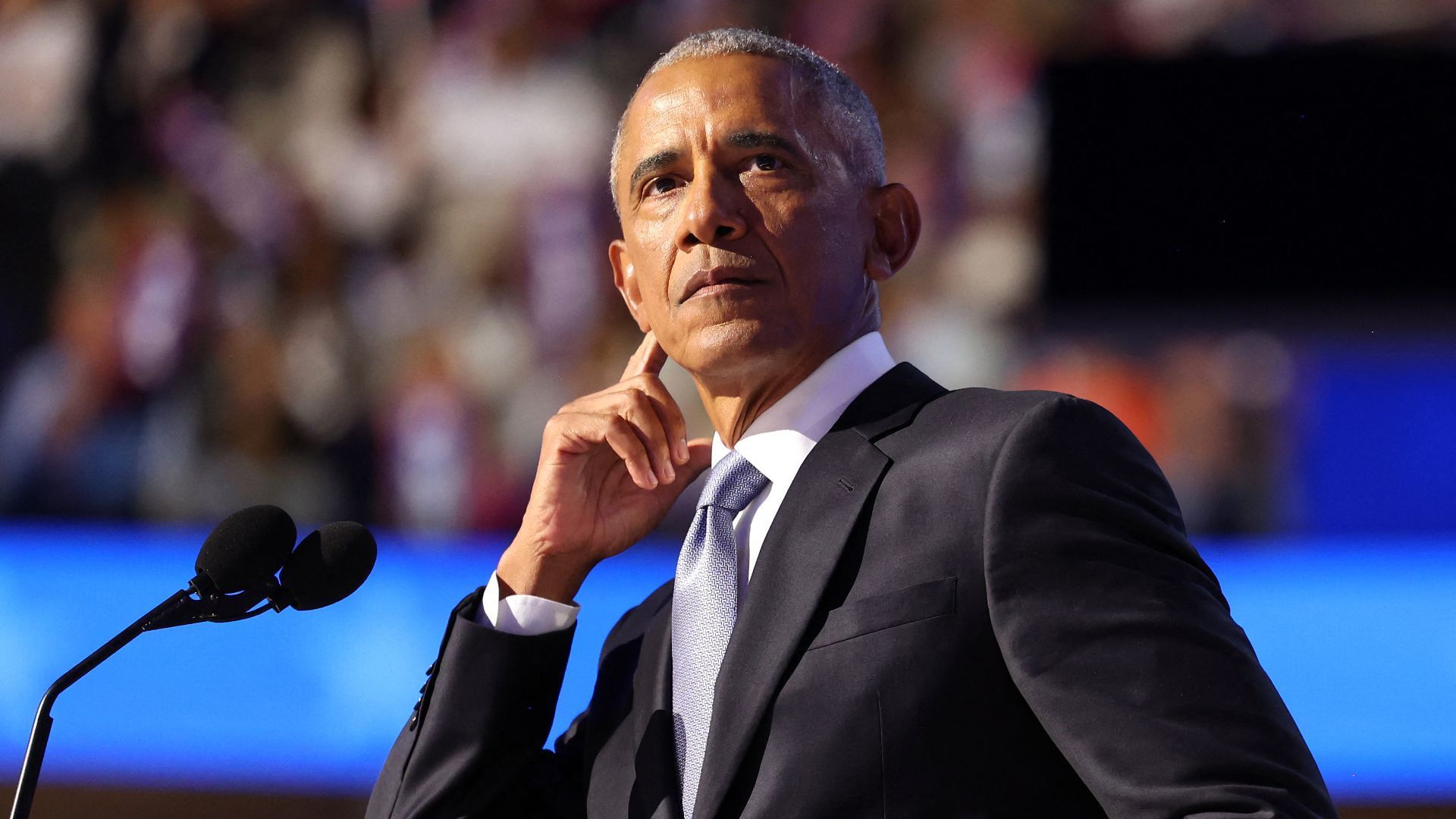
The moment gained traction precisely because of Obama's status as a former president with access to classified intelligence. Social media users amplified the short clip, often omitting the broader exchange that followed. In the same conversation, Obama dismissed conspiracy theories surrounding secret government facilities and hidden extraterrestrial evidence.
«They're not being kept in Area 51. There's no underground facility unless there's this enormous conspiracy and they hid it from the president of the United States,» he said, undercutting interpretations that he was revealing new information. Nonetheless, the brevity of the viral clip fueled speculation, memes, and commentary across political and pop-culture circles.
«They're real, but I haven't seen them.»
-Former President, Barack Obama
As the online buzz intensified, Obama addressed the uproar directly in a follow-up clarification shared on social media. He emphasized that his comment reflected a scientific probability rather than insider knowledge of alien contact. He noted that the universe is vast and that many scientists consider it statistically plausible that life could exist elsewhere, but he stressed that during his time in office he saw no evidence confirming extraterrestrial visitation. The clarification sought to reframe the viral remark as a philosophical observation about cosmic possibility rather than a disclosure about classified findings.

The episode unfolded against a backdrop of sustained public interest in unidentified aerial phenomena, or UAPs, which have been the subject of congressional hearings and declassified Pentagon reports in recent years. Government disclosures acknowledging unexplained sightings have heightened public curiosity, making any statement from a former commander in chief particularly resonant. Obama has previously spoken about UAPs in measured terms, noting that there are objects observed by military personnel that cannot be readily explained, but stopping short of suggesting alien origin. In this instance, the viral reaction illustrated how quickly nuanced comments can be reframed in the digital age.
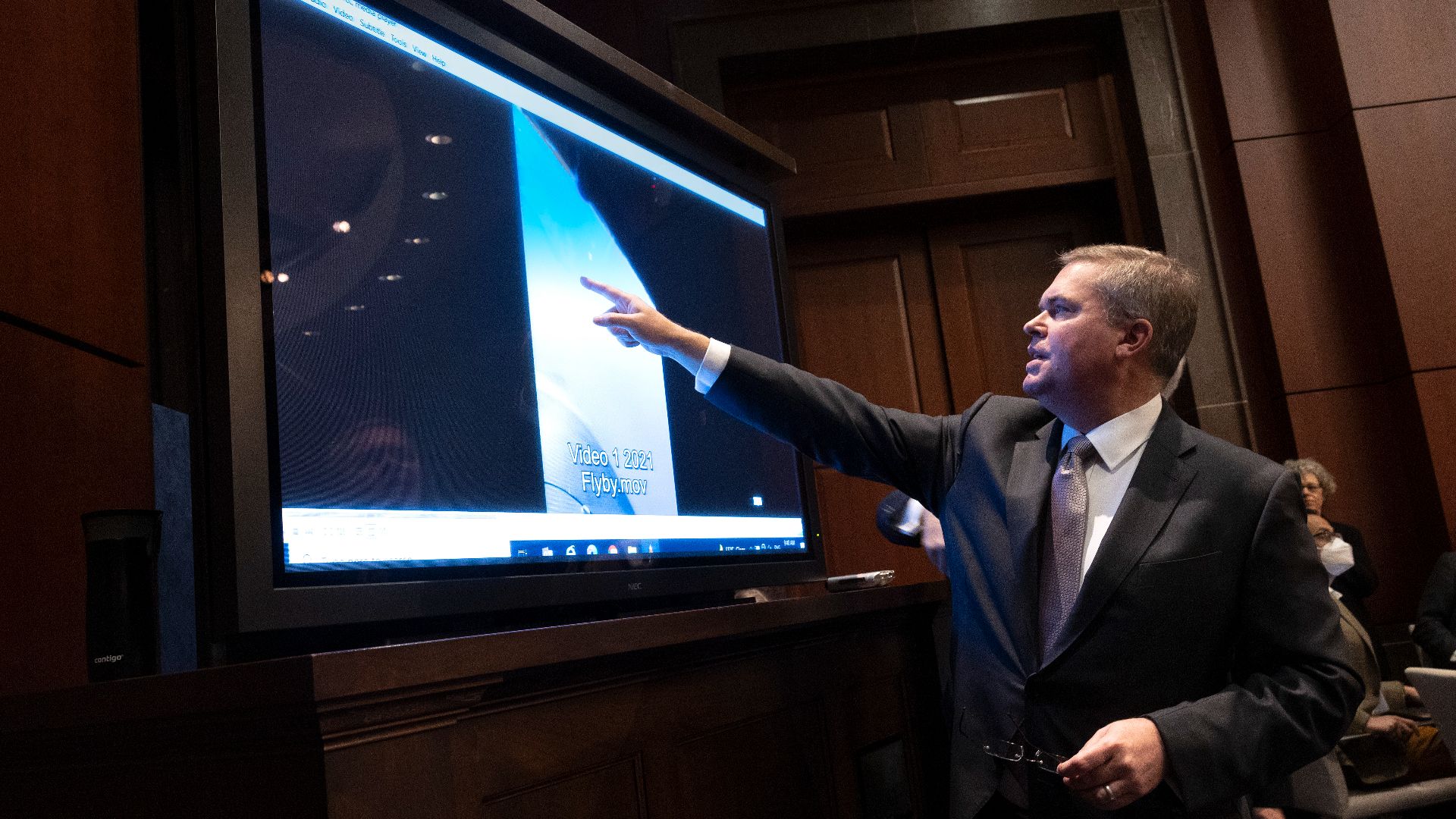
Political commentators noted that the incident reflects the broader media environment in which soundbites travel faster than full interviews. Clips divorced from context often take on a life of their own, particularly when they involve topics that blur science, mystery, and government secrecy. Obama's clarification did not dampen the viral momentum immediately, but it redirected the conversation toward the nature of probability and the limits of presidential knowledge. By reiterating that he had seen no evidence of alien life interacting with Earth, he effectively walked back interpretations that suggested a revelation.
«They're not being kept in Area 51. There's no underground facility unless there's this enormous conspiracy and they hid it from the president of the United States.»
-Former President Barack Obama
Ultimately, the episode became less about extraterrestrials and more about the mechanics of modern virality. A single line — «They're real, but I haven't seen them» — traveled globally within hours, detached from its humorous delivery and subsequent explanation. Obama's swift clarification underscored how public figures must navigate an environment where even offhand remarks can ignite worldwide speculation. While no new evidence of alien life emerged from the exchange, the viral cycle surrounding his comment demonstrated once again how quickly curiosity, conspiracy, and celebrity can collide in the digital era.
Created by humans, assisted by AI.
