/https%3A%2F%2Fcdn-tor.buminteractif.com%2F2026%2F04%2F14150442%2Feconomy-world-iran-trumpg-etty-3453gdfg.jpg)
The ongoing war between the United States and Iran is increasingly raising alarms among global economic institutions, with the International Monetary Fund warning that a prolonged conflict could push the world toward recession. According to its April Global Financial Stability Report, the situation in the Middle East has already begun to strain financial markets, particularly as the Strait of Hormuz faces disruption and the conflict enters its sixth week with no clear resolution. The IMF warns that the global system is now confronting «elevated financial stability risks» driven by war, inflation pressures and tightening financial conditions, creating a fragile environment for growth.
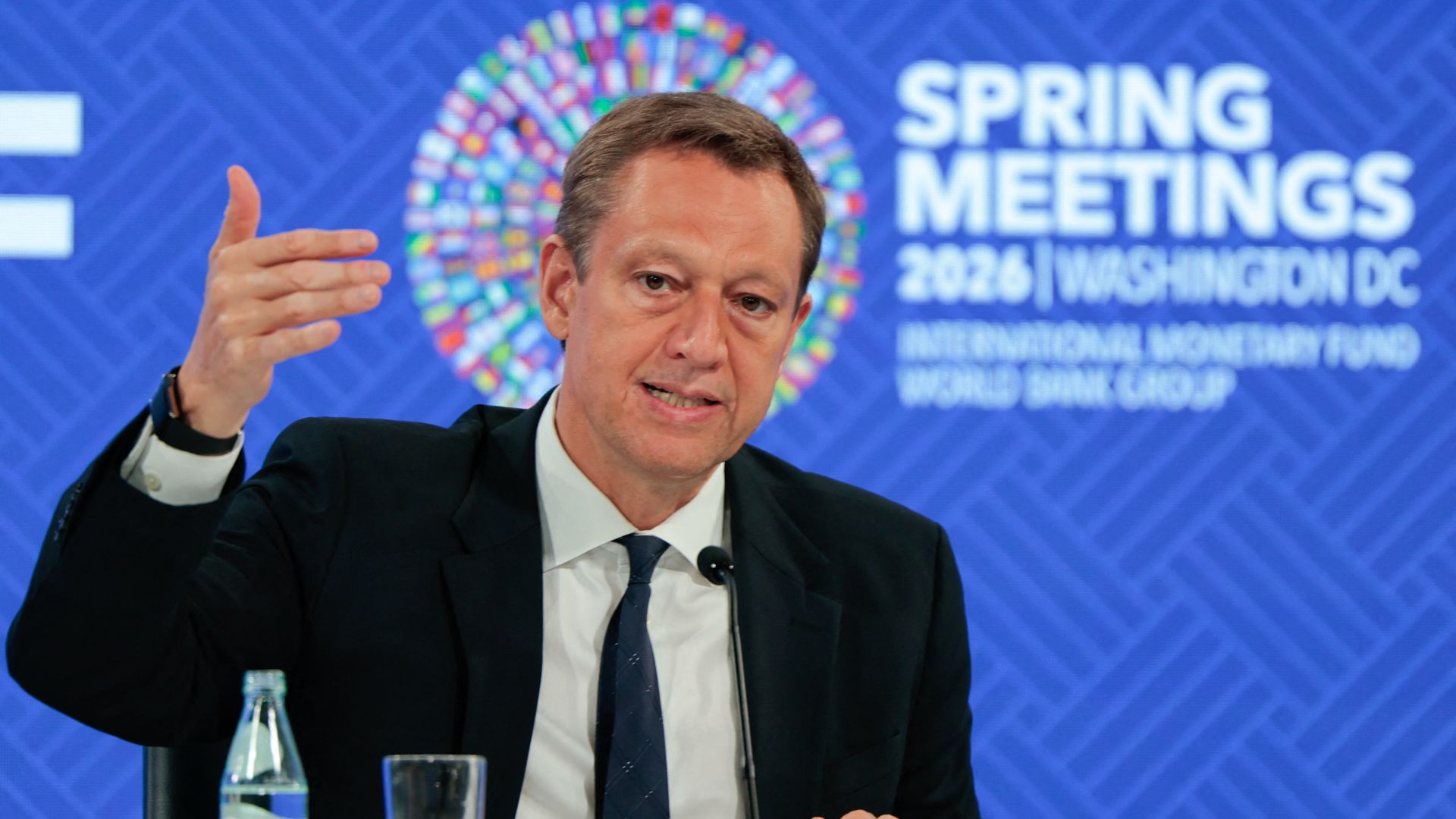
The report highlights how the conflict is already impacting global markets, noting that «financial markets are grappling with the ongoing war in the Middle East amid renewed inflationary pressures and rising risks of a sharper tightening in global financial conditions.» Since late February, energy prices have surged, contributing to falling equity prices and rising bond yields. These shifts reflect mounting uncertainty, as investors adjust expectations around inflation and interest rates. Emerging markets, particularly those dependent on imported commodities, have been disproportionately affected, signaling how localized conflict can rapidly produce global economic consequences.
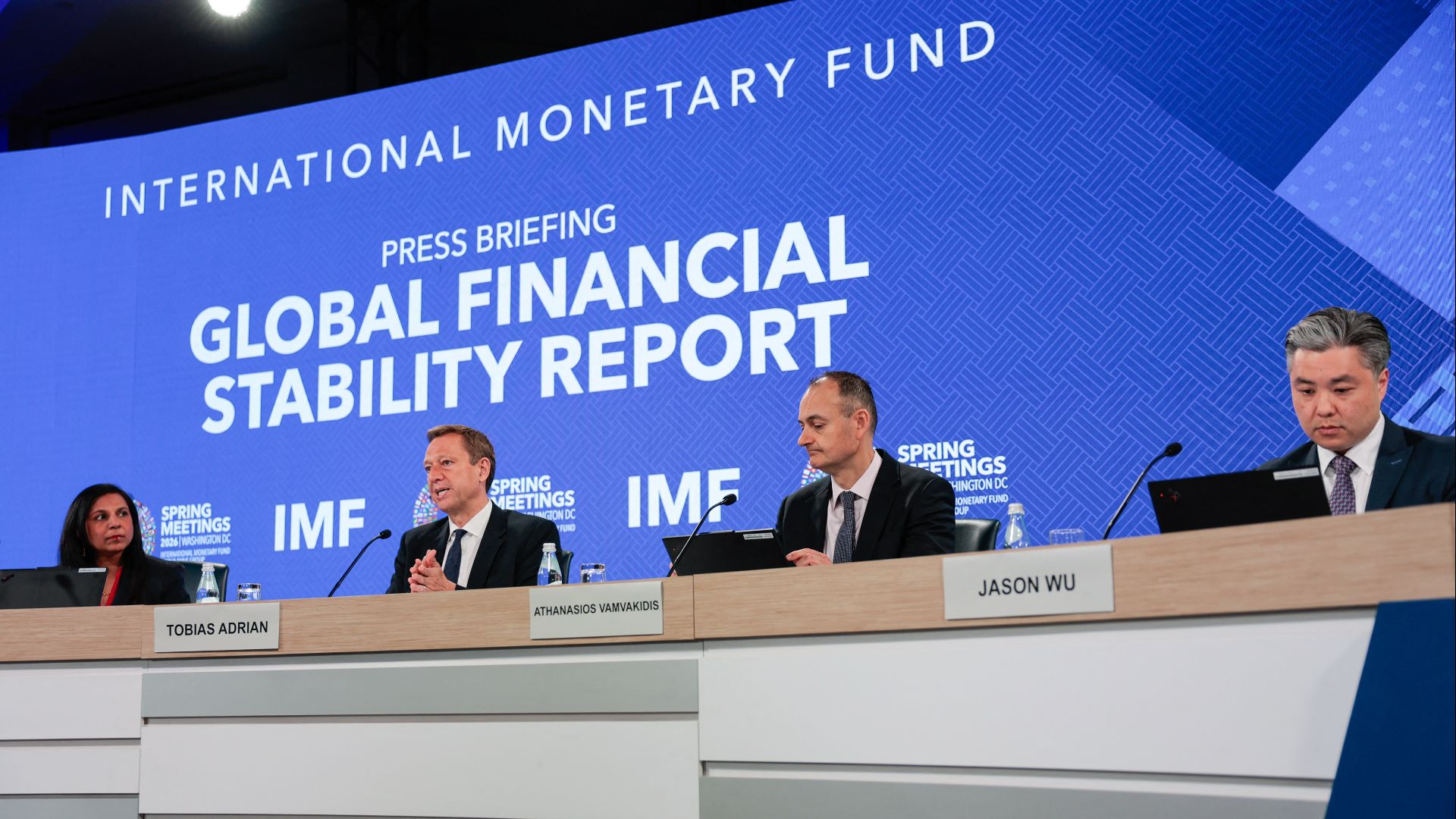
One of the central concerns identified by the IMF is the risk of amplification, where initial market stress spreads into broader financial instability. The report warns that «several amplification channels could transmit market stress into broader financial instability», including capital outflows, currency volatility and leveraged financial positions. In emerging markets, the unwinding of investment flows could intensify pressure on already fragile economies. At the same time, high levels of debt and reliance on short-term financing in advanced economies raise the risk of rollover crises, creating a scenario in which instability spreads across multiple financial systems simultaneously.
«Financial markets are grappling with the ongoing war in the Middle East amid renewed inflationary pressures and rising risks of a sharper tightening in global financial conditions.»
-April Global Financial Stability Report, International Monetary Fund
The IMF also points to structural vulnerabilities that could worsen the impact of a prolonged conflict, including high leverage among nonbank financial institutions and increased sensitivity to global risk sentiment. It notes that «high leverage among nonbank financial intermediaries… could exacerbate volatility through forced deleveraging and liquidity strains», increasing the likelihood of sudden market corrections. The report further highlights that repeated supply shocks have weakened traditional market stabilizers, raising the risk of simultaneous declines in both equity and bond markets. Such conditions, combined with sustained energy disruptions, could significantly slow global growth while fueling inflation.
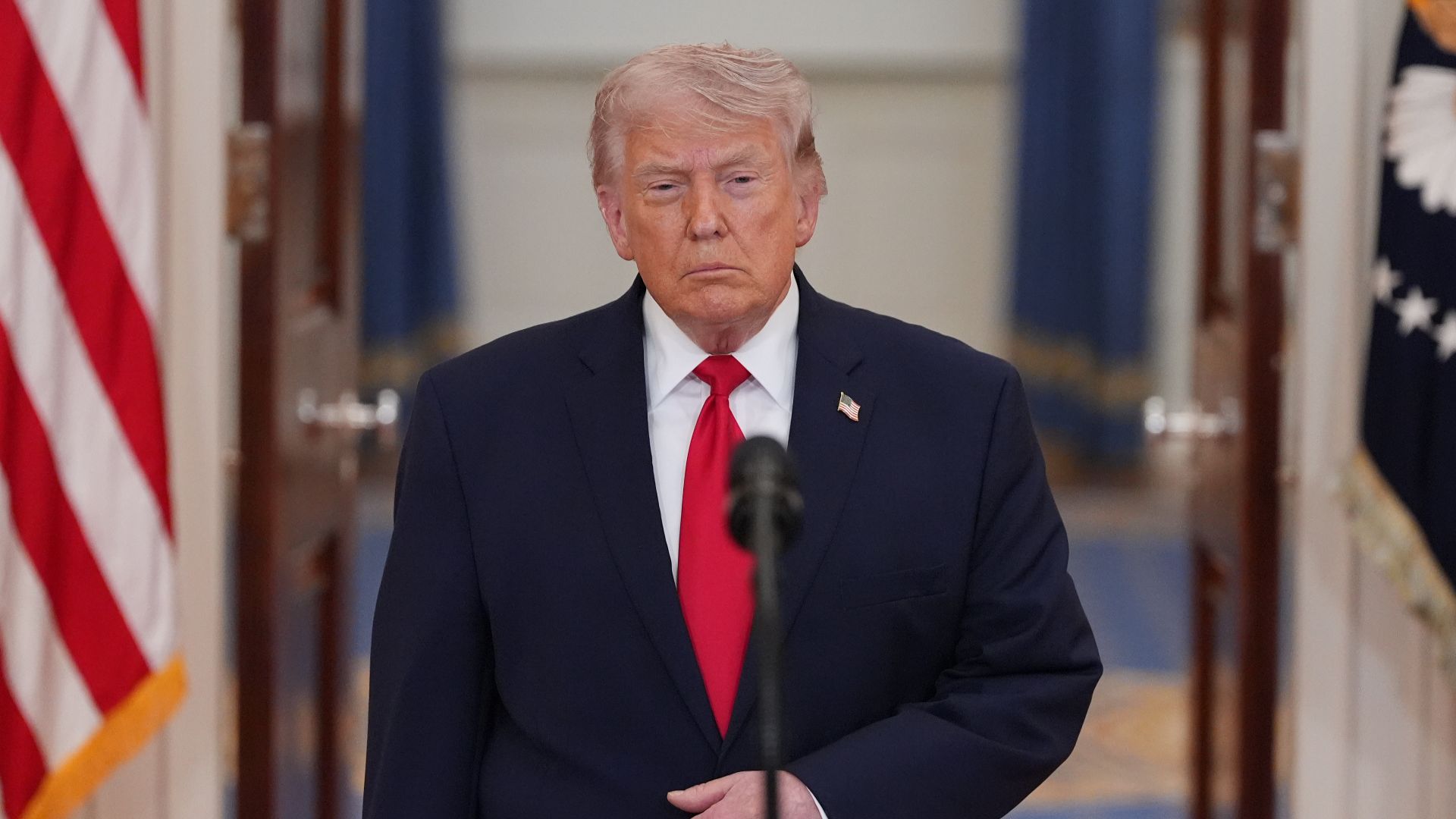
The escalation in tensions has been closely tied to U.S. actions in the Strait of Hormuz, a vital corridor for global oil shipments. Donald Trump has defended the decision to impose a blockade, framing it as a necessary measure following the collapse of diplomatic efforts with Iran. In a Truth Social post, he announced: «The United States to Blockade Ships Entering or Exiting Iranian Ports on April 13 at 10:00 A.M. ET. Thank you for your attention to this matter! President DJT». He later reinforced the warning with a more aggressive message, stating that any Iranian vessels approaching the blockade would be «immediately ELIMINATED», signaling a readiness to enforce the measure through military means.
«The United States to Blockade Ships Entering or Exiting Iranian Ports on April 13 at 10:00 A.M. ET. Thank you for your attention to this matter! President DJT.»
-U.S. President, Donald Trump on Truth Social
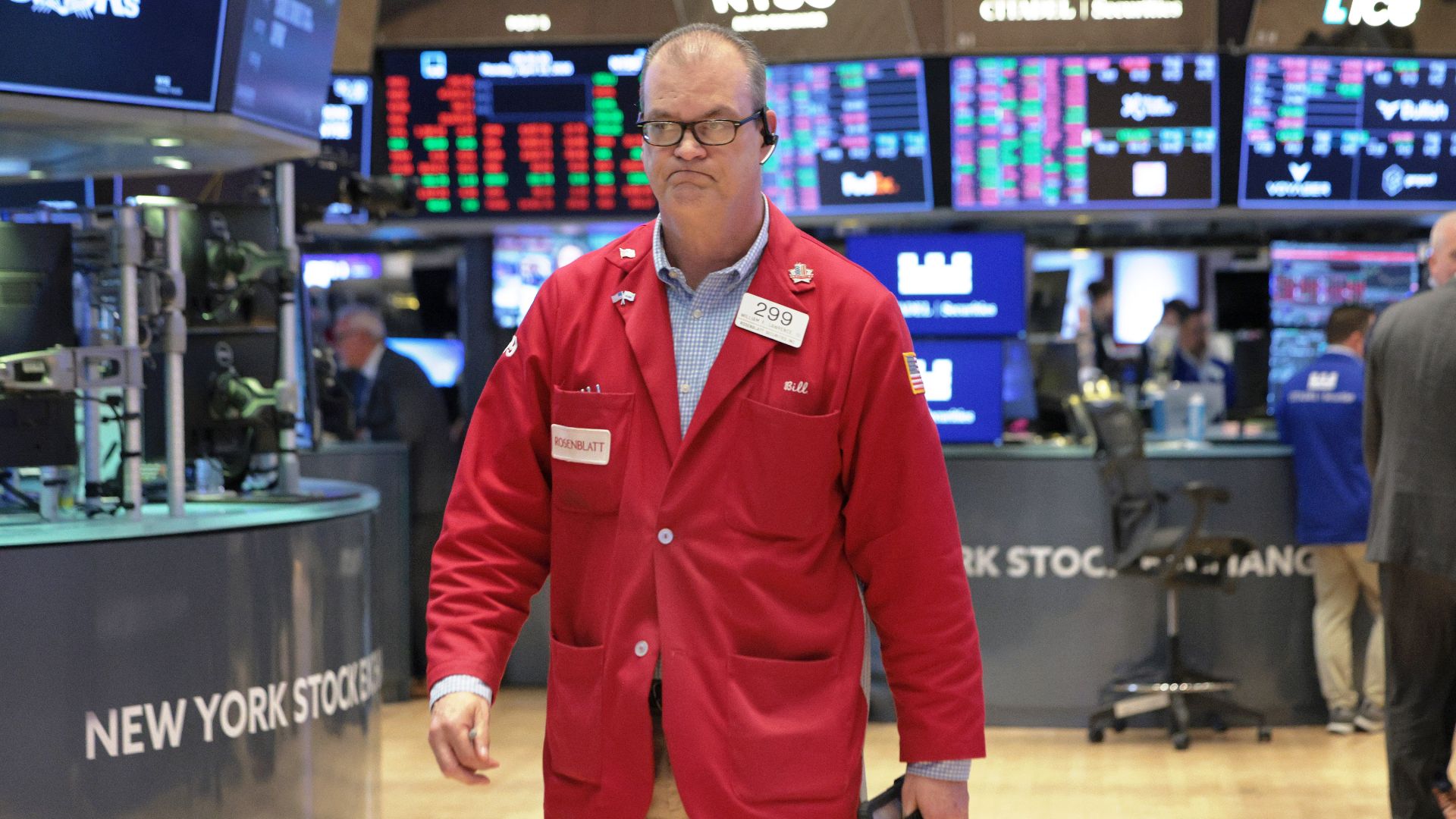
As the conflict continues with no immediate path to resolution, economists warn that sustained disruption to energy markets could have far-reaching consequences. The Strait of Hormuz handles a significant share of global oil supply, and any prolonged restriction could drive prices higher, feeding inflation and slowing economic activity worldwide. The IMF stresses that decisive policy action is needed to maintain stability, warning that failure to contain financial stress could lead to broader systemic risks. With geopolitical tensions and economic fragility converging, the outlook remains uncertain, and the risk of a global recession is becoming increasingly difficult to ignore.