Protected Wild Horses Linked to Slaughter Pipeline as Trump Administration Faces “Mystery Beef” Rumor Fallout


/https%3A%2F%2Fcdn-tor.buminteractif.com%2F2026%2F08%2F31190649%2Ftrump-getty-3453dgdfgws.jpg)
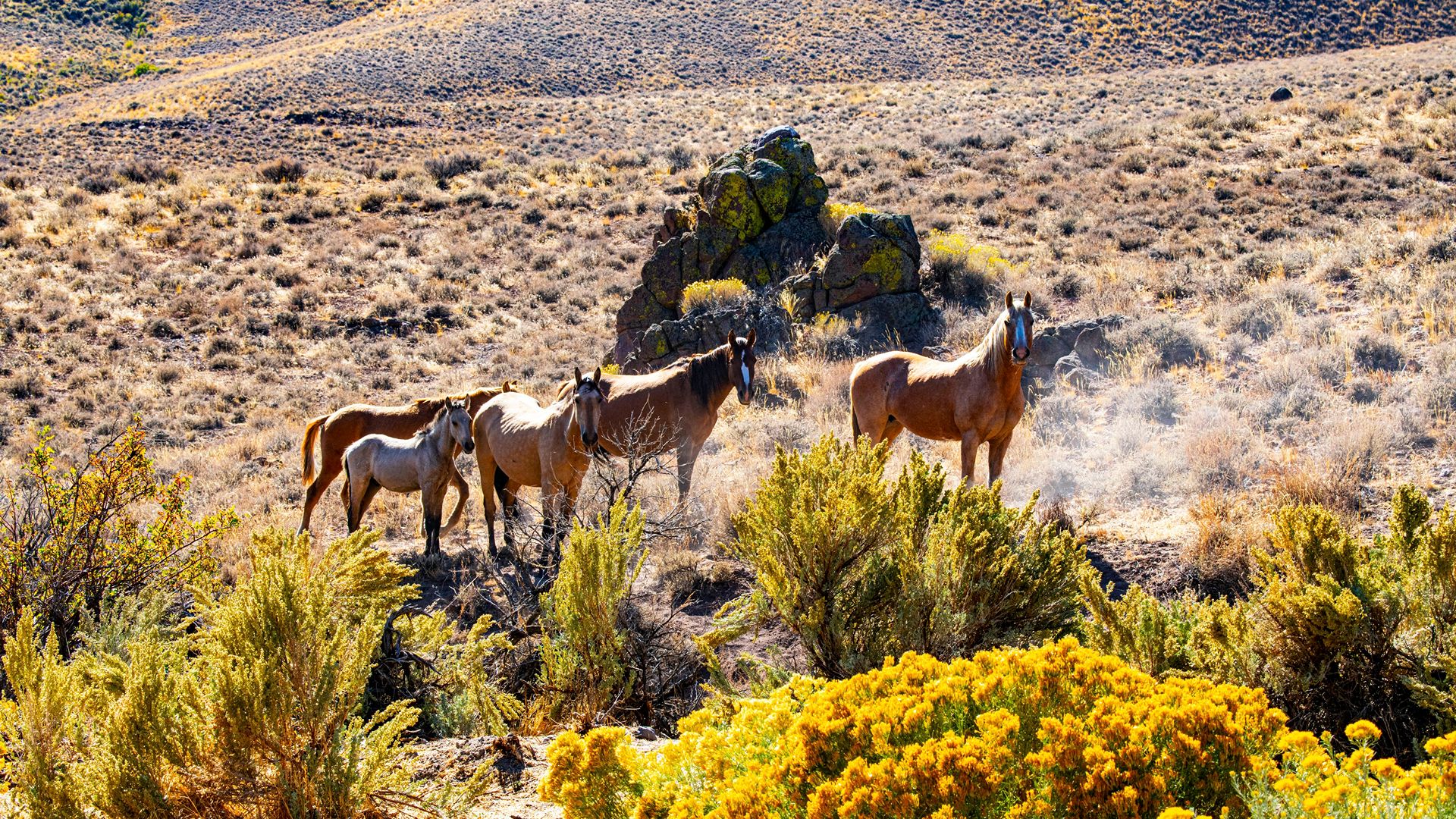
The Trump administration is facing renewed scrutiny after a New York Times investigation revealed how federally protected wild horses removed from public lands allegedly entered a commercial slaughter pipeline through legal loopholes and private transactions. The investigation examined how thousands of wild mustangs managed by the Bureau of Land Management (BLM) were captured through large-scale roundups, including helicopter operations, before some animals were transferred through a chain of buyers and intermediaries that eventually connected them to slaughter facilities in Canada and Mexico. The findings have reignited a long-running debate over whether the current federal system truly protects America's iconic wild horses or allows them to lose those protections through administrative processes.
The controversy centers on the BLM's management of wild horse populations across Western states, where the agency argues that roundups are necessary to prevent overpopulation and protect fragile public rangelands. The government has defended the removals by saying excessive horse populations can damage ecosystems and create long-term challenges for land management. However, animal welfare organizations and critics argue that the program has been influenced by competing interests, including demands for greater access to public lands used for livestock grazing and other industries. The use of helicopters to chase and capture wild horses has become one of the most controversial aspects of the program, with critics describing the process as stressful and dangerous for the animals.
A legal loophole
According to the investigation, the most disputed part of the system involves what happens after horses are removed from federal oversight. Under the Wild Free-Roaming Horses and Burros Act of 1971, wild mustangs are protected from being intentionally slaughtered, but critics argue that a legal loophole allows some animals to eventually enter a commercial pipeline after being classified differently through federal sale programs. The BLM uses sale authority programs to reduce the number of horses held in government facilities, where long-term care costs have become a major financial burden. Once horses are transferred through approved sales, critics argue that tracking their final destinations becomes increasingly difficult as private buyers, traders, and intermediaries become involved.
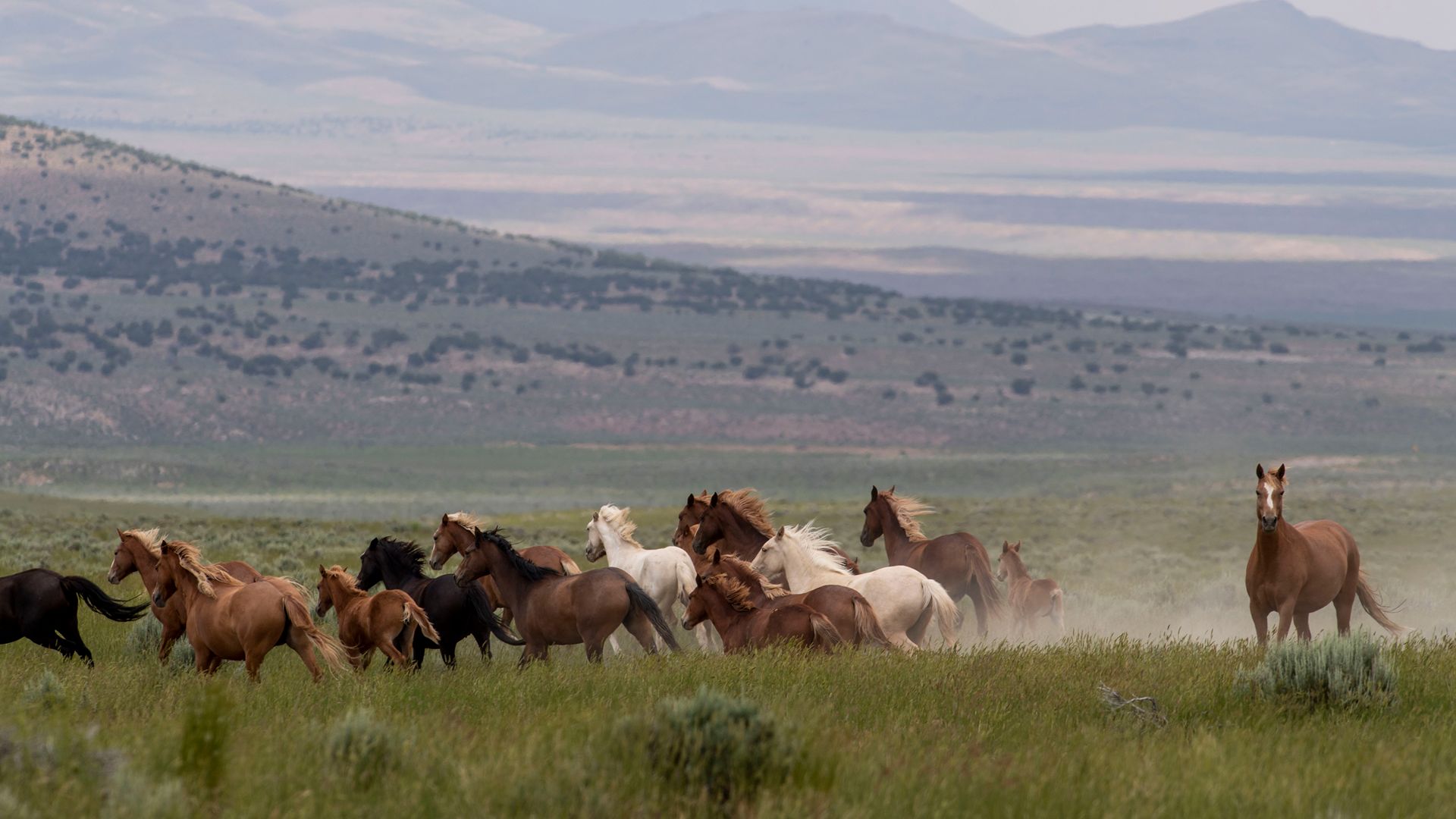
The investigation also examined how some horses removed from federal management allegedly moved through a complicated network of private buyers, livestock traders, and intermediaries before reaching their final destinations. According to the report, some mustangs were sold in bulk transactions for relatively low prices after leaving BLM facilities, creating concerns among critics that the animals could become difficult to track once they entered private ownership. In one documented case highlighted by the investigation, a group of wild horses was transported from a federal holding facility to a private livestock trader, where the trail became increasingly difficult to follow. The lack of transparency surrounding these transactions has fueled accusations that the current system creates opportunities for protected animals to end up in slaughter channels.
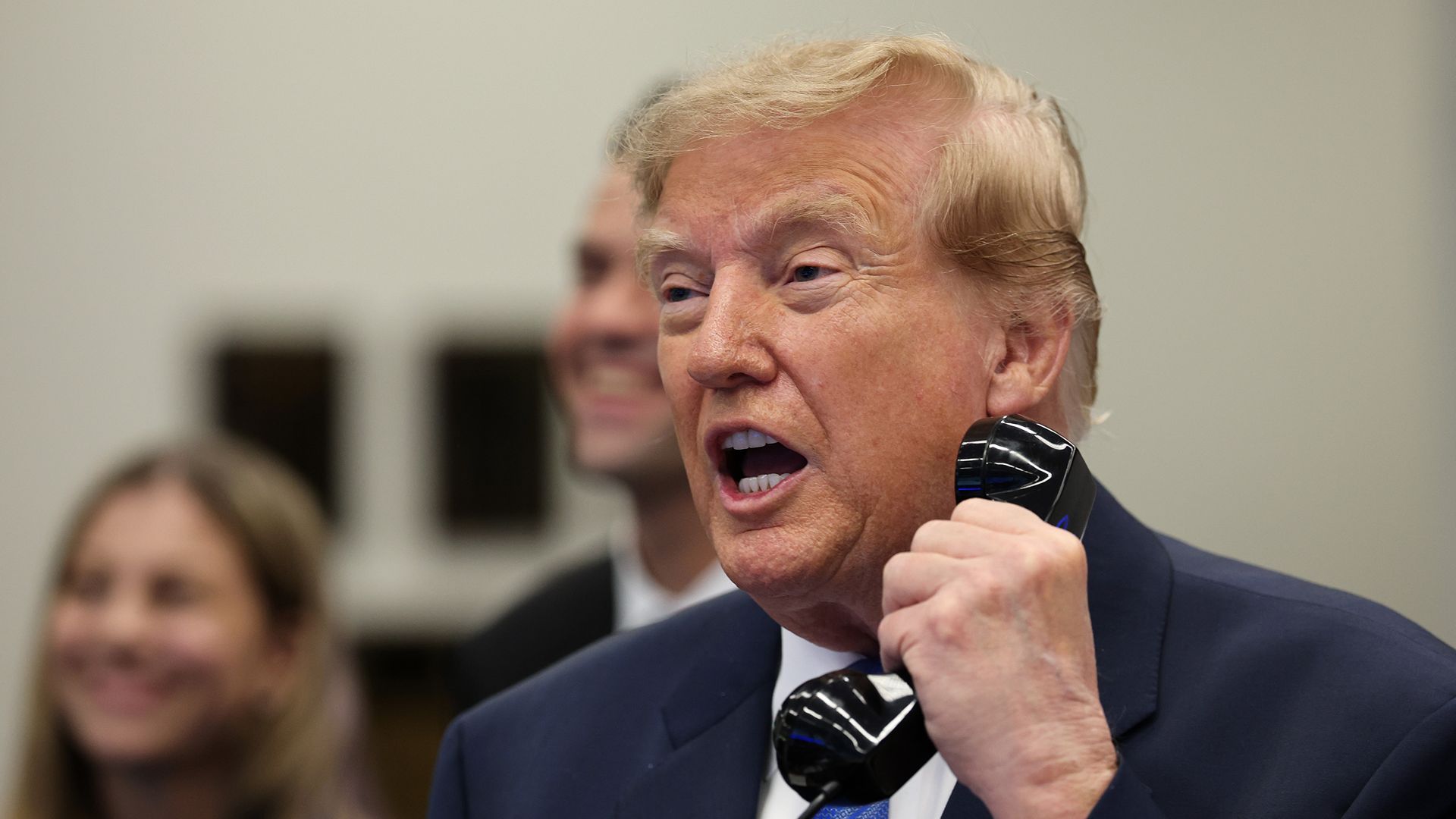
The controversy intensified after investigators traced parts of the pipeline toward Canadian slaughter facilities, where horse meat remains a legal industry. Because commercial horse slaughter operations no longer operate in the United States, American horses that enter this market are transported across international borders before being processed. The report described how critics believe legal classifications and private transactions create a gap between the original federal protections and what happens after ownership changes hands. Meanwhile, the BLM has pushed back against claims that it knowingly sends protected wild horses to slaughter, arguing that buyers must sign agreements prohibiting slaughter or selling animals to individuals intending to violate those rules.
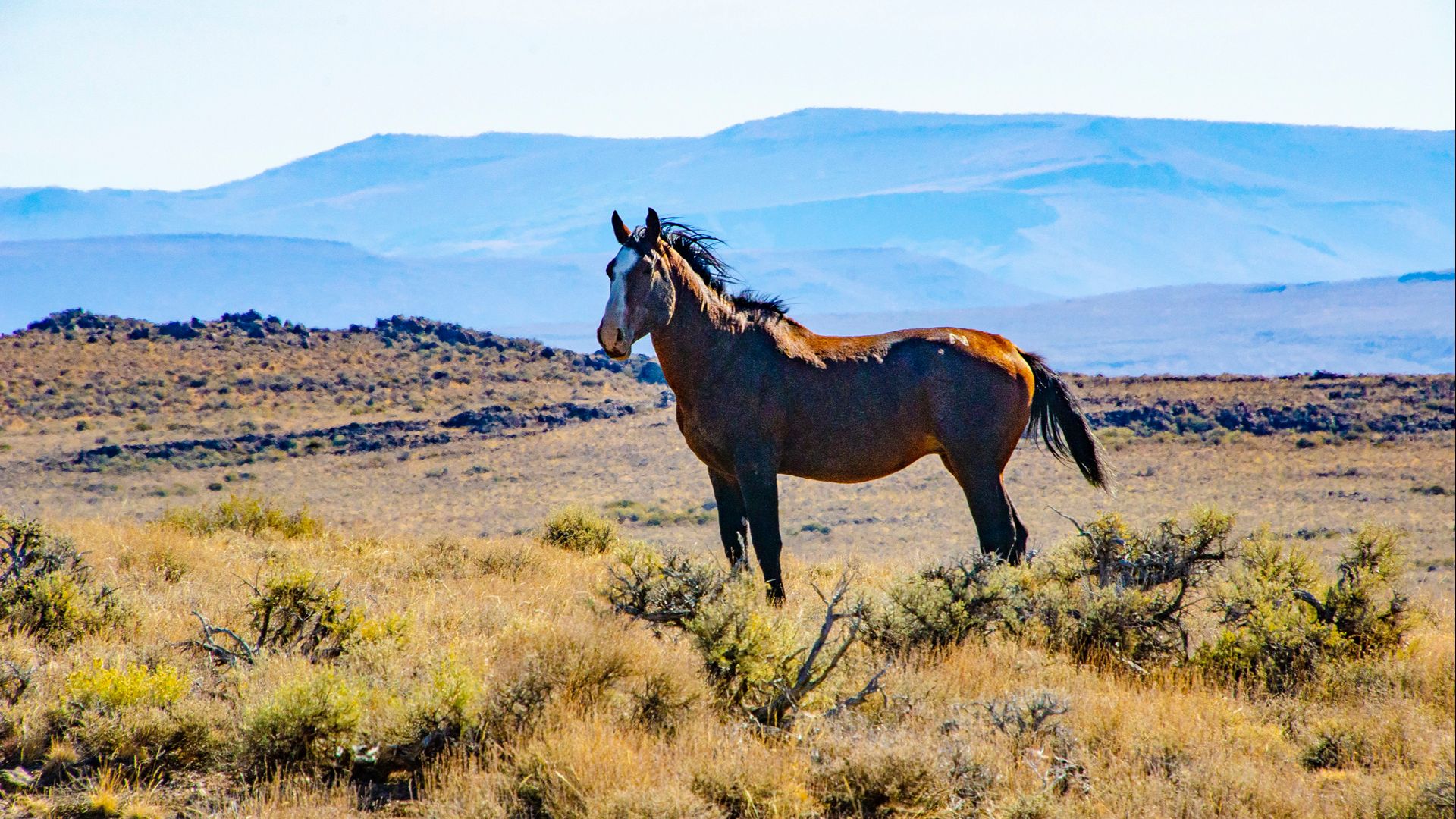
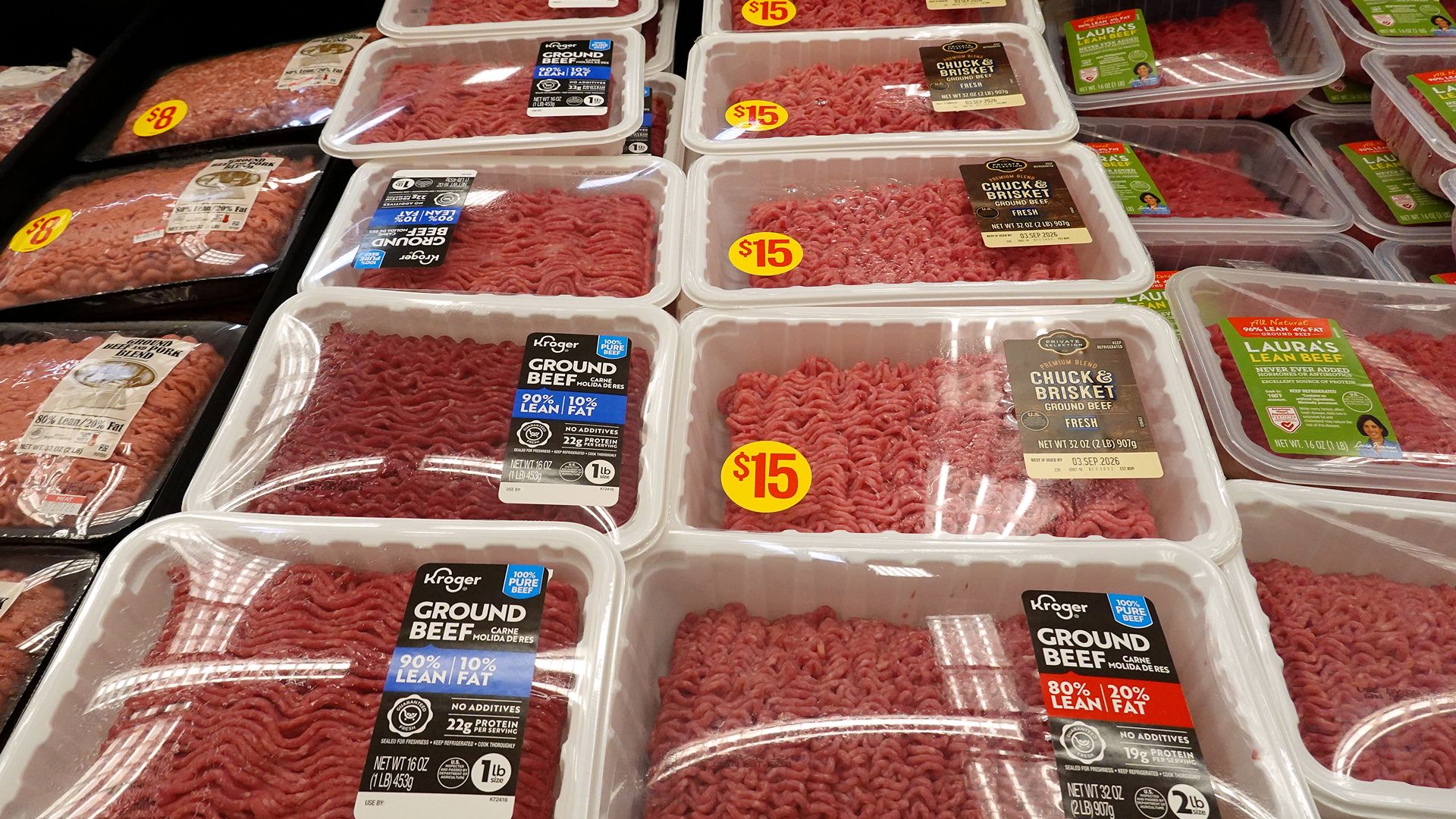
The controversy also sparked a wave of online speculation, including a false viral rumor claiming that horses from the slaughter pipeline were being secretly processed and sold back to Americans as unidentified beef products. The rumor spread after two separate stories became connected online: the New York Times investigation into wild horses and a separate Trump administration announcement involving imported ground beef intended to reduce consumer prices. Social media users incorrectly linked the two events and suggested that horse meat was being disguised as beef, but officials and fact-checkers rejected the claim. The actual debate surrounding the beef policy involves trade, labeling concerns, and criticism from some ranchers, not a hidden horse meat supply chain.
The real controversy
Despite the false rumor, the real controversy surrounding America's wild horses continues to generate political pressure. Animal welfare groups and lawmakers are calling for changes to prevent protected mustangs from entering any pathway that could lead to slaughter, while supporters of the current BLM approach argue that population management is necessary to protect public lands and maintain sustainable herd sizes. The BLM and the Interior Department maintain that they do not knowingly sell horses for slaughter and say they investigate suspected violations. However, critics argue that the existing system requires stronger safeguards and greater transparency to ensure federally protected animals remain protected after leaving government custody.
Created by humans, assisted by AI.
 Walmart strikes undisclosed DOJ settlement over alleged 'hundreds of thousands' of opioid violations, avoiding potential billions in damages
 Trump shares drawing of himself beside Dolly Parton after claiming she “really liked him” despite her twice turning down his Medal of Freedom