Russia Denies Second Infection in Plague-Lab Mystery as Trump Says «Russia’s Not Saying Much»


/https%3A%2F%2Fcdn-tor.buminteractif.com%2F2026%2F10%2F08152923%2Ftrump-putin-getty-45345gdfgd3453453.jpg)
Russia has officially denied reports of a second suspected infection linked to the mysterious death of a laboratory worker at a Siberian plague research facility, even as Donald Trump publicly questions Moscow's transparency over the incident. On Thursday, October 8, Russia's public health watchdog, Rospotrebnadzor, rejected what it described as «fake information circulating on social media regarding a second case of illness», insisting that extensive testing had uncovered no evidence of another infection. The denial followed mounting international concern over the unexplained death of 28-year-old Darya Shipilova, who worked at the Irkutsk Anti-Plague Research Institute. However, Russian authorities have still not established what caused her fatal pneumonia. Speaking to reporters at the White House on Wednesday, Trump compared Moscow's limited disclosures to China's response during the early stages of the COVID-19 pandemic, declaring, «Well, China didn't say much and Russia's not saying much either, but they do say they have it very much under control.» His remarks highlighted the growing questions surrounding Russia's handling of an incident that has attracted the attention of international health authorities.
The Russian government has repeatedly dismissed suggestions that the laboratory death represents an emerging public health emergency. In its latest statement, Rospotrebnadzor said precautionary measures had been completed for everyone identified as having contact with Shipilova, reporting that «No health issues related to an infectious disease were detected, and the results of nearly 5,000 laboratory tests showed no dangerous pathogenic microorganisms.» The agency maintained that no plague infections had been identified in the Irkutsk region and that there was no evidence of an epidemic threat. Kremlin spokesperson Dmitry Peskov also challenged the growing international coverage, telling reporters on Wednesday that «the vast majority of what the media is reporting regarding this situation is false information». He urged journalists to rely on information provided by Russia's public health authorities rather than unverified accounts circulating online. Yet the government's assurances have not resolved the central question surrounding the incident: what actually killed Shipilova? Russian officials have described her illness as pneumonia of undetermined origin, without publicly identifying the microorganism responsible. That unresolved finding has continued to attract scrutiny despite the government's insistence that the situation is under control.
«And if you listen to them, it's under control, you know, people have said that before about other things, so we hope it is. They're very sophisticated, very smart. And they're saying it's very much under control.»
-U.S. President, Donald Trump
Trump, meanwhile, has adopted a more cautious position than the Russian authorities, acknowledging Moscow's assurances while questioning whether enough information has been released. Asked Wednesday whether the suspected incident could involve a biological weapon, he responded, «Well, we don't think so. We're going to find out soon enough, but we don't think so.» He then addressed Russia's claims that the situation had been contained, stating, «And if you listen to them, it's under control, you know, people have said that before about other things, so we hope it is. They're very sophisticated, very smart. And they're saying it's very much under control.» His comments came as the World Health Organization sought additional details from Moscow, including clarification about reports of another laboratory employee suffering from pneumonia of undetermined cause. Those reports remain unverified, and Russian authorities insist that testing has revealed no secondary infections. The disagreement has created a situation in which Moscow maintains that there is no wider health threat, while American and international officials continue seeking information about the original death and the circumstances that prompted such extensive precautionary measures.
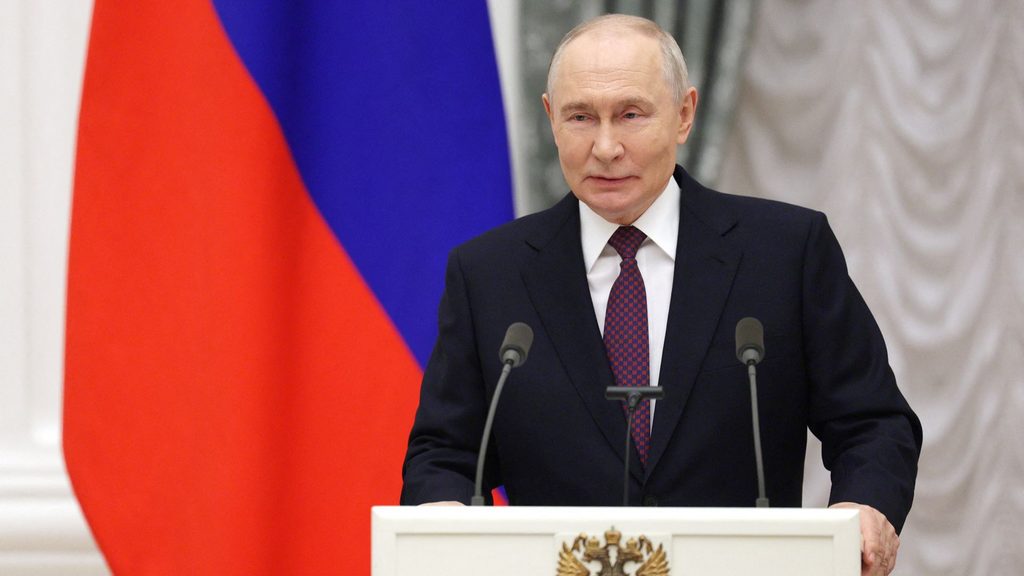
The mystery began on October 2, when 28-year-old laboratory technician Darya Shipilova died after developing severe pneumonia in the Irkutsk region of Siberia. She worked at the Irkutsk Anti-Plague Research Institute, a specialized facility that studies dangerous infectious diseases, including plague, which occurs naturally among certain wild animals in the region. Initial reports circulating through Russian media suggested two possible explanations for her illness: exposure to a dangerous pathogen following an alleged laboratory accident or an infection contracted during recent travel abroad. Neither account has been substantiated, and Russian authorities have denied that any accident involving pathogenic microorganisms occurred at the institute. Nevertheless, the response to her death was extensive. Nearly 200 people identified as having contact with Shipilova were placed under medical observation, while sections of the hospital where she died were temporarily isolated. The head of Russia's public health watchdog traveled to the region as authorities implemented emergency precautions. Some local advisories and media reports concerning a possible plague infection were subsequently withdrawn or altered, adding to public uncertainty about the circumstances surrounding her death.
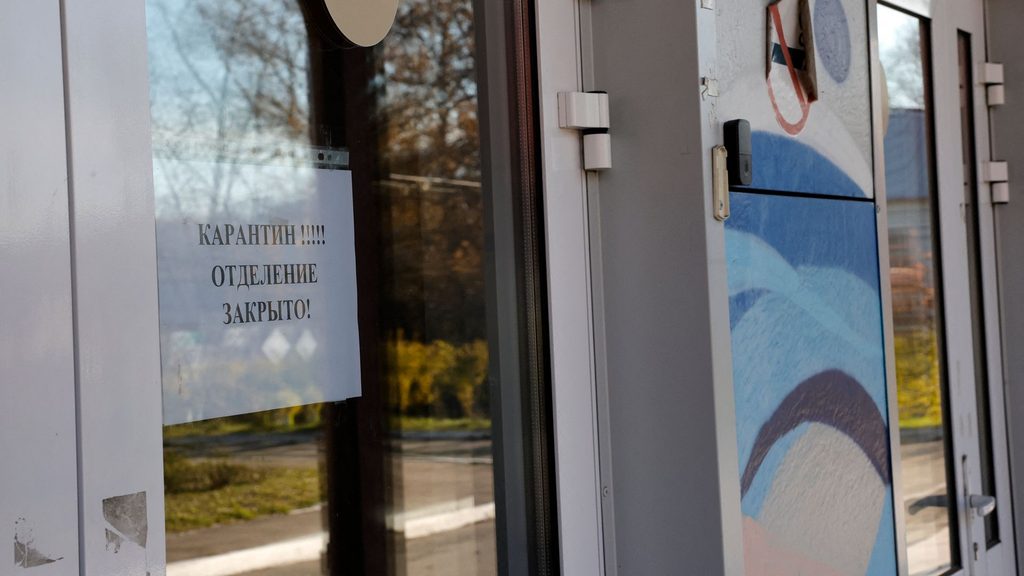
The possibility of another unexplained pneumonia case subsequently attracted the attention of the World Health Organization, which requested clarification from Moscow after encountering media reports suggesting that a second laboratory employee had fallen ill. WHO Director-General Tedros Adhanom Ghebreyesus explained that the organization was seeking verification rather than treating the reports as established facts. «We have received information from two media outlets, one of them is Russian», he said during a Wednesday briefing, adding, «We asked Russia to respond to that.» He also emphasized the importance of examining potentially significant reports, stating, «We cannot ignore any reporting that comes.» The WHO's director of Epidemic and Pandemic Management, Maria Van Kerkhove, separately acknowledged that international investigators still lacked a definitive explanation for Shipilova's death. «We don't understand how she was infected», she said, before emphasizing the need for timely responses to outstanding questions. The agency's concerns centered not only on the possibility of another illness but also on the original infection, the laboratory testing performed and the reasons Russian authorities had introduced such extensive precautions. Although pneumonic plague can spread between people through infectious respiratory droplets, there is currently no confirmed evidence that Shipilova contracted the disease or transmitted it to anyone else.
«We don't understand how she was infected.»
-WHO's director of Epidemic and Pandemic Management, Maria Van Kerkhove
The international uncertainty has also produced conflicting accounts of a possible conversation between Trump and Russian President Vladimir Putin. Speaking to reporters on Tuesday, Trump announced, «I have a call scheduled. Yup.» Asked when the conversation would take place, he replied, «Very soon.» He subsequently indicated that American officials were engaged in discussions surrounding the incident and suggested additional information could become available shortly. However, Kremlin spokesperson Dmitry Peskov contradicted the impression that a presidential conversation had already been arranged, explaining Wednesday that no call was scheduled, although Moscow remained open to organizing one promptly. The disagreement emerged as Washington pressed Russia for greater transparency. Trump acknowledged that some information was being exchanged but suggested it was insufficient, declaring, «They're sharing it a little bit with our people. We expect them to share a lot with our people.» Earlier in the week, he had also offered American assistance, saying, «But we'll help. Anybody that has that kind of a problem we're always willing to help. We'll help.» Russia maintains that its health authorities have fulfilled their reporting obligations and that the available testing results show no evidence of a wider outbreak. Yet with the original cause of death still unidentified, the WHO awaiting further clarification and no confirmed Trump-Putin conversation, significant questions surrounding the Siberian laboratory incident remain unresolved.
Created by humans, assisted by AI.
 Sam Altman pivots on AI slowdown, says world should accept 'some bad things' for technology's benefits
 Days after Trump welcomes Xi, months-long China-linked campaign targeting US AI and military tech exposed