Trump Administration Hits Brazil With 25% Tariffs, Says It Refused to Negotiate «In Good Faith»


/https%3A%2F%2Fcdn-tor.buminteractif.com%2F2026%2F07%2F16170751%2Ftrump-brazil-getty-345345dfgd453gfdgdfg.jpg)
The Trump administration has finalized a new 25% tariff on a wide range of Brazilian imports, with the duties scheduled to take effect on July 22. The decision follows a months-long Section 301 investigation conducted by the Office of the U.S. Trade Representative, which concluded that Brazil maintains several trade practices deemed harmful to American commerce. Announcing the measure, U.S. Trade Representative Jamieson Greer argued that the Brazilian government had repeatedly failed to engage constructively with Washington during negotiations. Greer stated that Brazil pursued «unreasonable» trade practices and refused to negotiate structural reforms «in good faith», prompting the administration to move forward with punitive tariffs after determining that diplomatic efforts had failed to produce meaningful concessions.
According to the findings released by the USTR, the administration's complaints extend well beyond traditional tariff disputes. One of the principal issues involves Brazil's restrictions on American ethanol exports, which U.S. officials argue have significantly limited market access for American producers. The report also accuses Brazil of maintaining domestic policies that unfairly shield local industries while making it substantially more difficult for foreign companies to compete in one of the world's largest consumer markets. In addition, the investigation unusually incorporates environmental concerns into trade policy, arguing that illegal deforestation has created commercial distortions that burden U.S. businesses and producers. Administration officials contend that these combined practices justify action under Section 301, which allows the United States to impose retaliatory tariffs against countries determined to be engaging in unfair trade behavior.
«Let there be no confusion about why: President Lula and his government have not negotiated with the US in good faith.»
-U.S. Secretary of State, Marco Rubio
Although the new duties represent one of the administration's toughest trade actions against Brazil in years, Washington deliberately excluded several strategically important sectors from the 25% tariff in an effort to minimize the impact on American consumers and manufacturers. Brazilian beef and other major agricultural products were exempted to avoid adding further pressure to grocery prices in the United States, while coffee—one of Brazil's largest exports to the American market—was also spared from the penalties. Aircraft parts received an exemption to protect U.S. aerospace supply chains that depend on Brazilian manufacturing, and additional carve-outs were granted for products that are not produced domestically or cannot easily be sourced from alternative suppliers. Officials said those exemptions were designed to maximize pressure on Brazil while limiting inflationary consequences for American businesses and households.
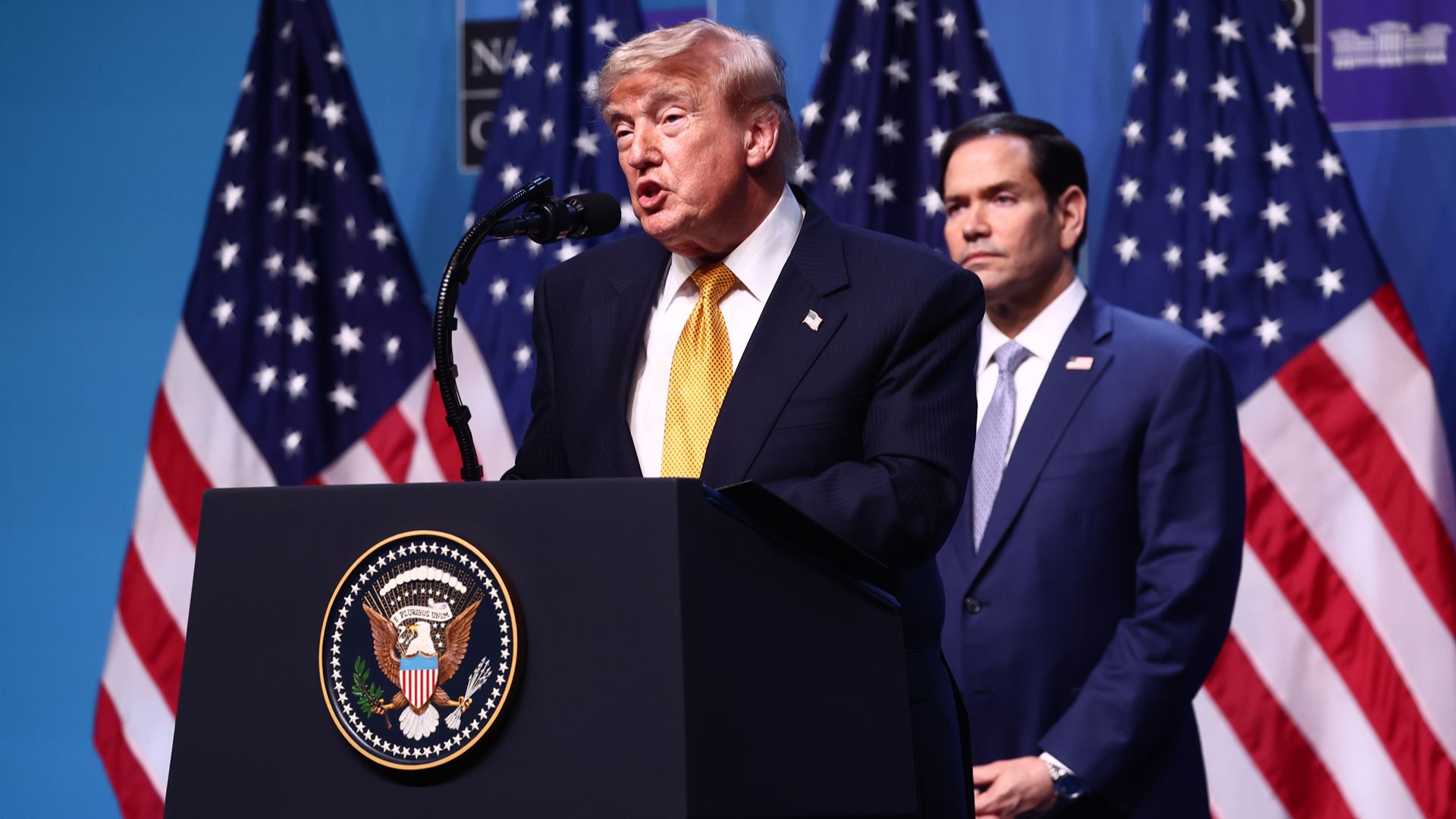
Brazil's government responded with immediate and forceful criticism, with President Luiz Inácio Lula da Silva describing the new tariffs as both «unfounded» and «absurd.» Brazilian officials argued that the administration's justification ignored the broader trade relationship between the two countries, noting that the United States currently enjoys an estimated $14 billion trade surplus with Brazil. Lula maintained that imposing punitive duties under those circumstances was economically contradictory and politically motivated. His administration also announced that it intends to pursue reciprocal tariffs on American goods entering Brazil if the measures remain in place. Signaling that Brasília is prepared to diversify its export markets, Lula declared: «If they don't want to buy from us, we will sell to someone else,» referencing Brazil's long-standing commercial partnership with China and other major international trading partners.
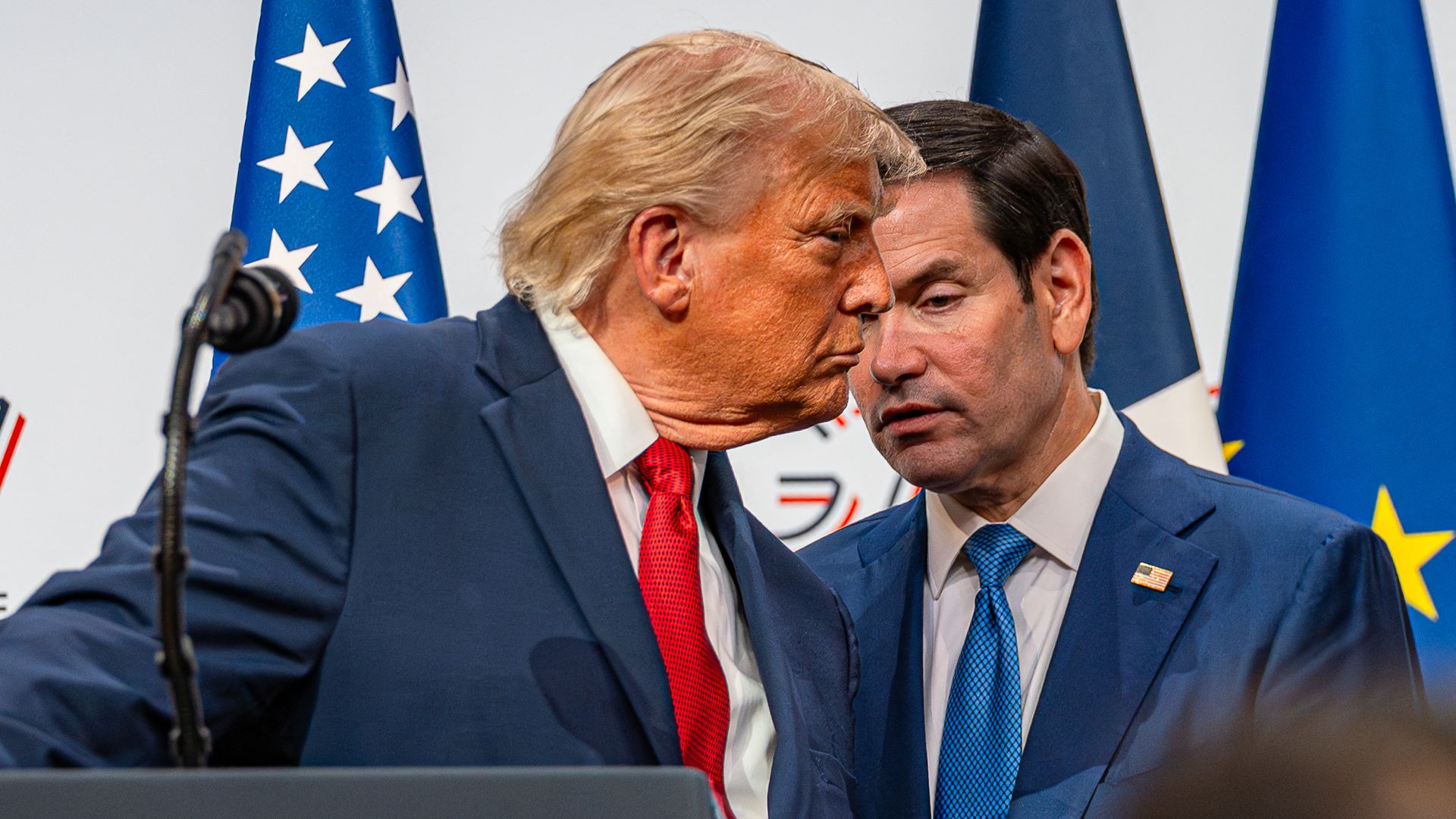
Secretary of State Marco Rubio defended the administration's decision in unusually direct terms, placing personal responsibility on the Brazilian president for the collapse of negotiations. Rubio stated: «Let there be no confusion about why: President Lula and his government have not negotiated with the US in good faith.» He continued: «For the past year, Lula has put his own ego ahead of making a deal for the welfare of the Brazilian people, and these tariffs are the price for that.» Those remarks reflected a broader strategy by the administration to portray the dispute as the result of Brasília's unwillingness to compromise rather than a unilateral escalation by Washington. Officials have maintained that the tariffs are intended to encourage structural reforms while protecting American industries from what they describe as persistent unfair trade practices.
«If they don't want to buy from us, we will sell to someone else.»
-Brazil President, Luiz Inácio Lula da Silva
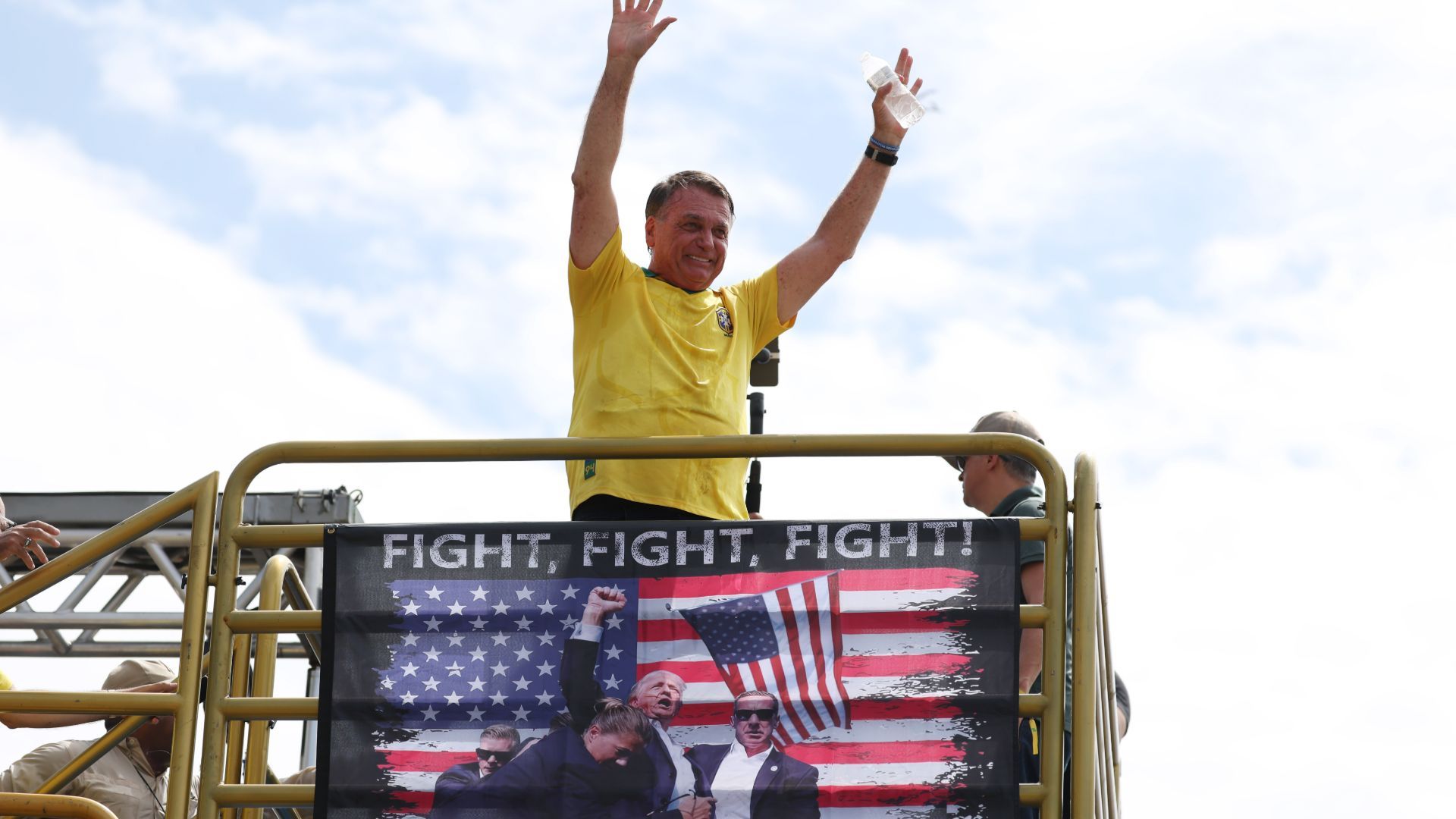
The dispute also unfolds against the backdrop of Brazil's increasingly polarized political climate ahead of the country's general election scheduled for Oct. 4. Lula, now 80, is seeking an unprecedented fourth term representing the Workers' Party, while Senator Flávio Bolsonaro—the eldest son of former president Jair Bolsonaro—has emerged as the Liberal Party's presidential candidate after his father was barred from holding office and sentenced to 27 years in prison for his role in an attempted coup. Donald Trump has repeatedly defended the former Brazilian leader, telling reporters: «I thought he was a good president of Brazil, and it's very surprising that could happen—very much like they tried to do with me.» He later intensified his criticism on Truth Social, writing that Jair Bolsonaro was guilty of nothing except «having fought for THE PEOPLE» and calling on Brazilian authorities to «LEAVE BOLSONARO ALONE!» The timing of the tariff announcement has therefore added another geopolitical dimension to an already tense election campaign, intertwining trade policy with one of Latin America's most consequential political contests.
Created by humans, assisted by AI.
 Trump's second Hormuz crisis worries experts with 1 billion barrels already lost to Iran war
 Trump sparks outrage with AI image showing Canada, Greenland, Cuba and Venezuela as US territory