

/https%3A%2F%2Fcdn-tor.buminteractif.com%2F2026%2F03%2F23150306%2Ftrump-iran-gettuy-3453gdfg34fsdf.jpg)
Donald Trump announced a sudden diplomatic shift after a weekend of escalating threats between Washington and Tehran, claiming that recent discussions had opened a potential path toward de-escalation. In a message posted on Truth Social, Trump stated «I AM PLEASED TO REPORT THAT THE UNITED STATES OF AMERICA, AND THE COUNTRY OF IRAN, HAVE HAD, OVER THE LAST TWO DAYS, VERY GOOD AND PRODUCTIVE CONVERSATIONS REGARDING A COMPLETE AND TOTAL RESOLUTION OF OUR HOSTILITIES IN THE MIDDLE EAST.» The statement marked a sharp contrast with the aggressive tone adopted by both sides in the preceding days, suggesting a possible pause in further military escalation.
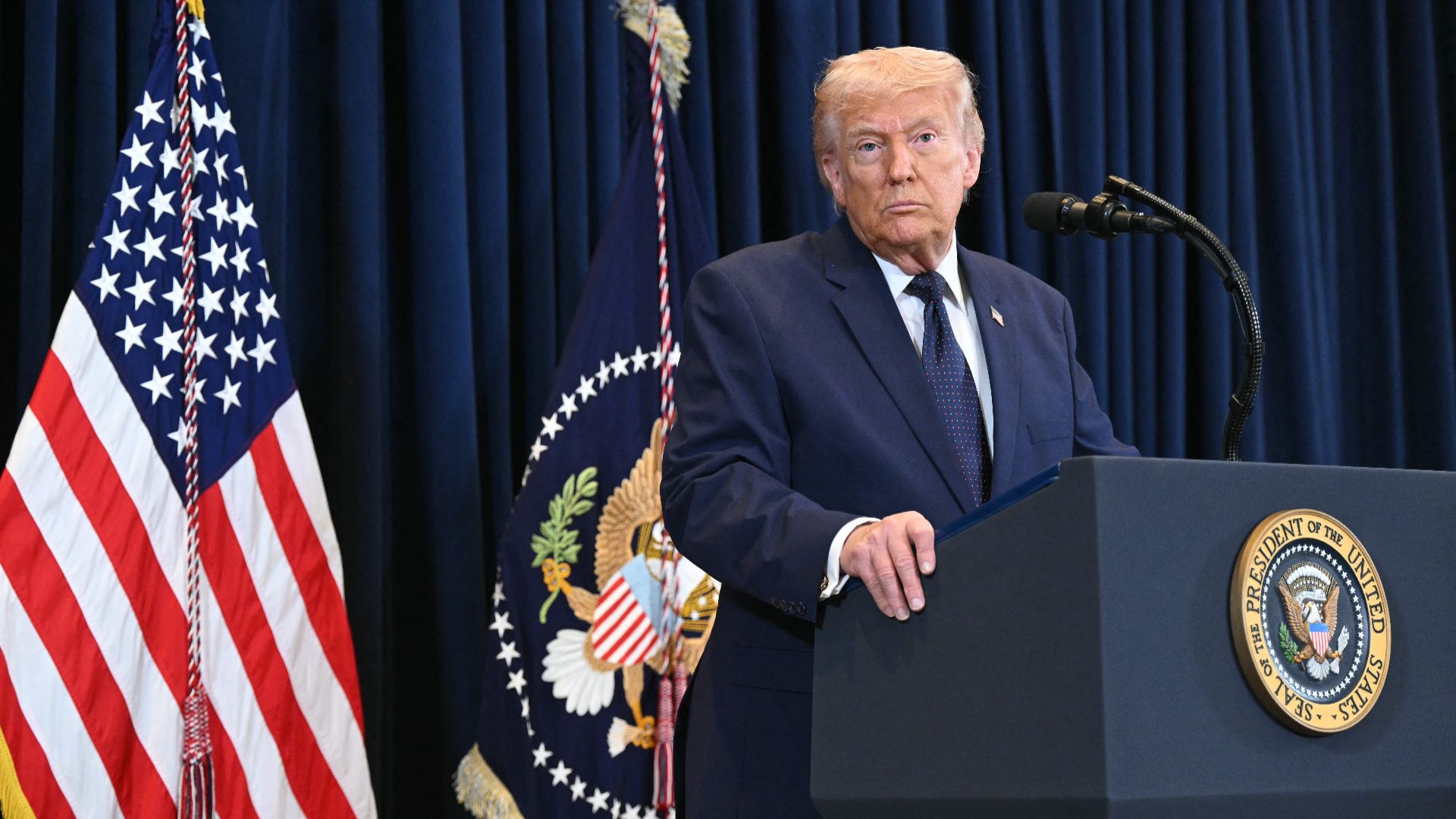
Trump went on to describe the nature of the discussions, emphasizing their depth and ongoing nature. He wrote «BASED ON THE TENOR AND TONE OF THESE IN DEPTH, DETAILED, AND CONSTRUCTIVE CONVERSATIONS, WHICH WILL CONTINUE THROUGHOUT THE WEEK,» presenting the talks as structured and continuing rather than informal or limited exchanges. The characterization appears aimed at reinforcing the credibility of the diplomatic effort, even as questions remain about the format of the discussions and whether they are direct or mediated through intermediaries.
«If Iran doesn't FULLY OPEN, WITHOUT THREAT, the Strait of Hormuz, within 48 HOURS from this exact point in time, the United States of America will hit and obliterate their various POWER PLANTS, STARTING WITH THE BIGGEST ONE FIRST.»
-U.S. president, Donald Trump
The president also confirmed a temporary shift in military posture, linking it directly to the progress of these conversations. He stated «I HAVE INSTRUCTED THE DEPARTMENT OF WAR TO POSTPONE ANY AND ALL MILITARY STRIKES AGAINST IRANIAN POWER PLANTS AND ENERGY INFRASTRUCTURE FOR A FIVE DAY PERIOD,» indicating that planned operations had been suspended. He added that the pause remains conditional, writing «SUBJECT TO THE SUCCESS OF THE ONGOING MEETINGS AND DISCUSSIONS,» leaving open the possibility of renewed strikes if diplomatic efforts fail to produce concrete outcomes.
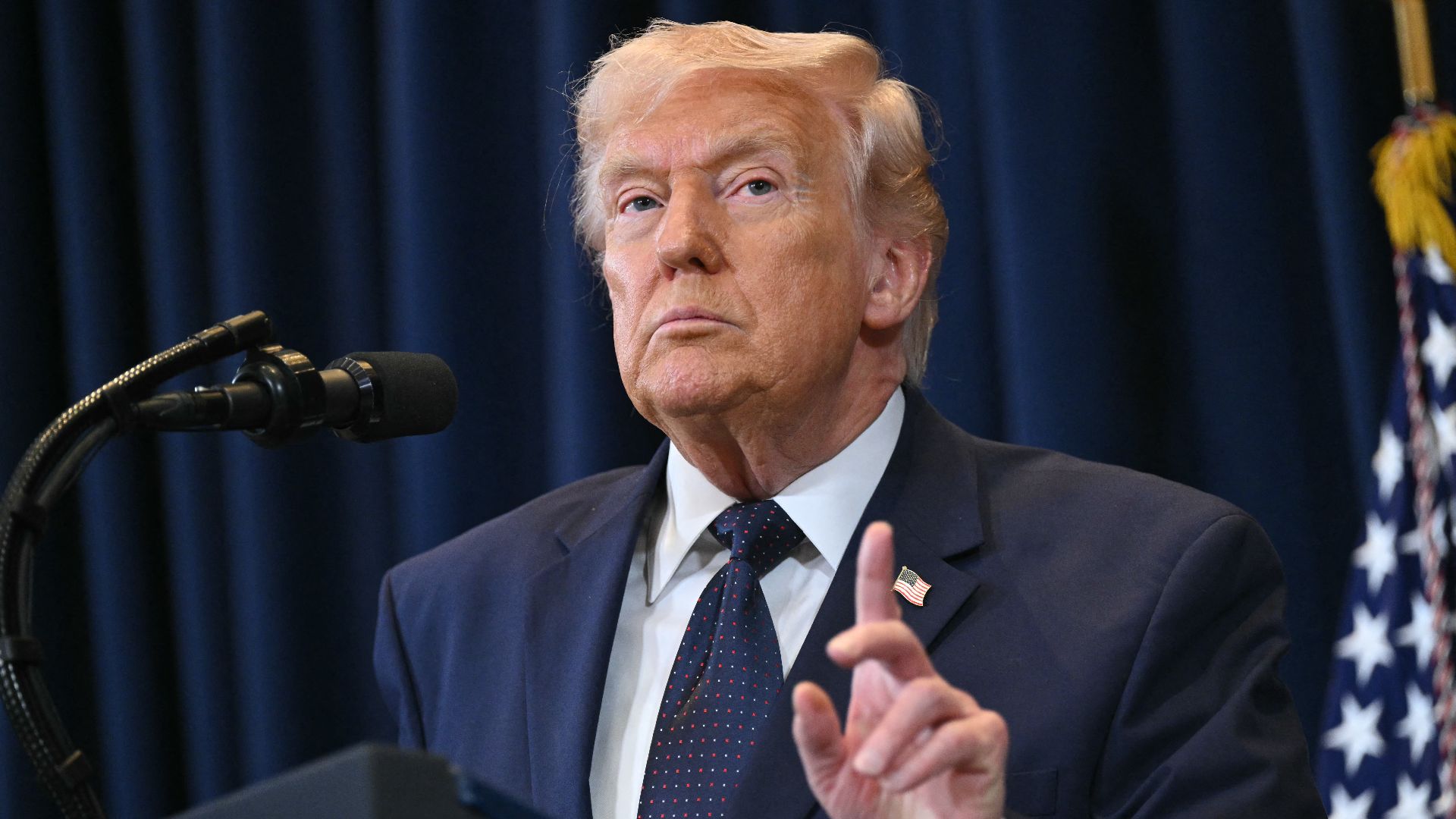
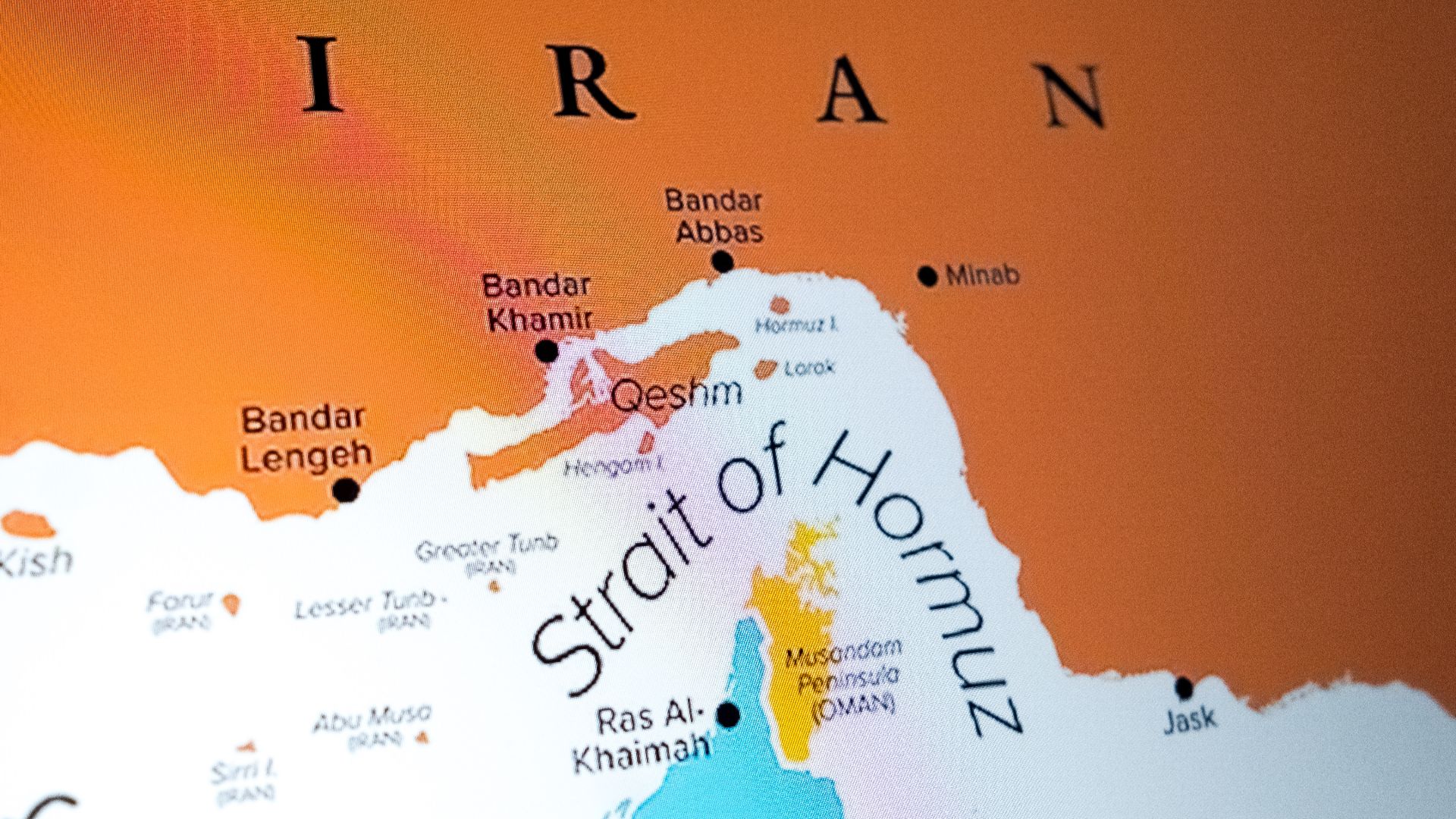
The announcement followed a weekend marked by sharp escalation and a direct ultimatum from Donald Trump regarding the Strait of Hormuz, a critical chokepoint through which roughly 20% of global oil supply transits. Trump warned that «If Iran doesn't FULLY OPEN, WITHOUT THREAT, the Strait of Hormuz, within 48 HOURS from this exact point in time, the United States of America will hit and obliterate their various POWER PLANTS, STARTING WITH THE BIGGEST ONE FIRST.» The threat came as Iran had vowed to keep the strait closed to «enemy ships,» a move that contributed to soaring oil prices and sharp declines in global stock markets. The exchange underscored the immediate economic stakes of the confrontation, with global markets reacting to the risk of prolonged disruption.
«I HAVE INSTRUCTED THE DEPARTMENT OF WAR TO POSTPONE ANY AND ALL MILITARY STRIKES AGAINST IRANIAN POWER PLANTS AND ENERGY INFRASTRUCTURE FOR A FIVE DAY PERIOD.»
-U.S. President Donald trump on Truth Social
Iran responded with equally forceful rhetoric, rejecting the ultimatum and warning of broad retaliation if its infrastructure were targeted. Iranian officials signaled that any strike on the country's power plants would trigger attacks on U.S. and allied energy assets across the region, stating that they would act with «zero restraint» in response to American action. Tehran also reaffirmed its control over the Strait of Hormuz, maintaining that it could restrict access as part of its response to what it described as ongoing aggression. The stance reinforced the risk of further escalation, as both sides outlined scenarios that could expand the conflict beyond its current scope and deepen its impact on global energy supply.
As of now, Iran has not publicly echoed Trump's description of «very good and productive conversations,» leaving uncertainty about the extent and substance of the reported talks. The absence of a matching statement from Tehran has raised questions about whether the discussions are direct or conducted through intermediaries. The situation remains fluid, with the coming days expected to determine whether the pause leads to de-escalation or a renewed phase of confrontation.
Created by humans, assisted by AI.
