

/https%3A%2F%2Fcdn-tor.buminteractif.com%2F2026%2F03%2F13145641%2Ftrump-putin-iran-oil-getty345345.jpg)
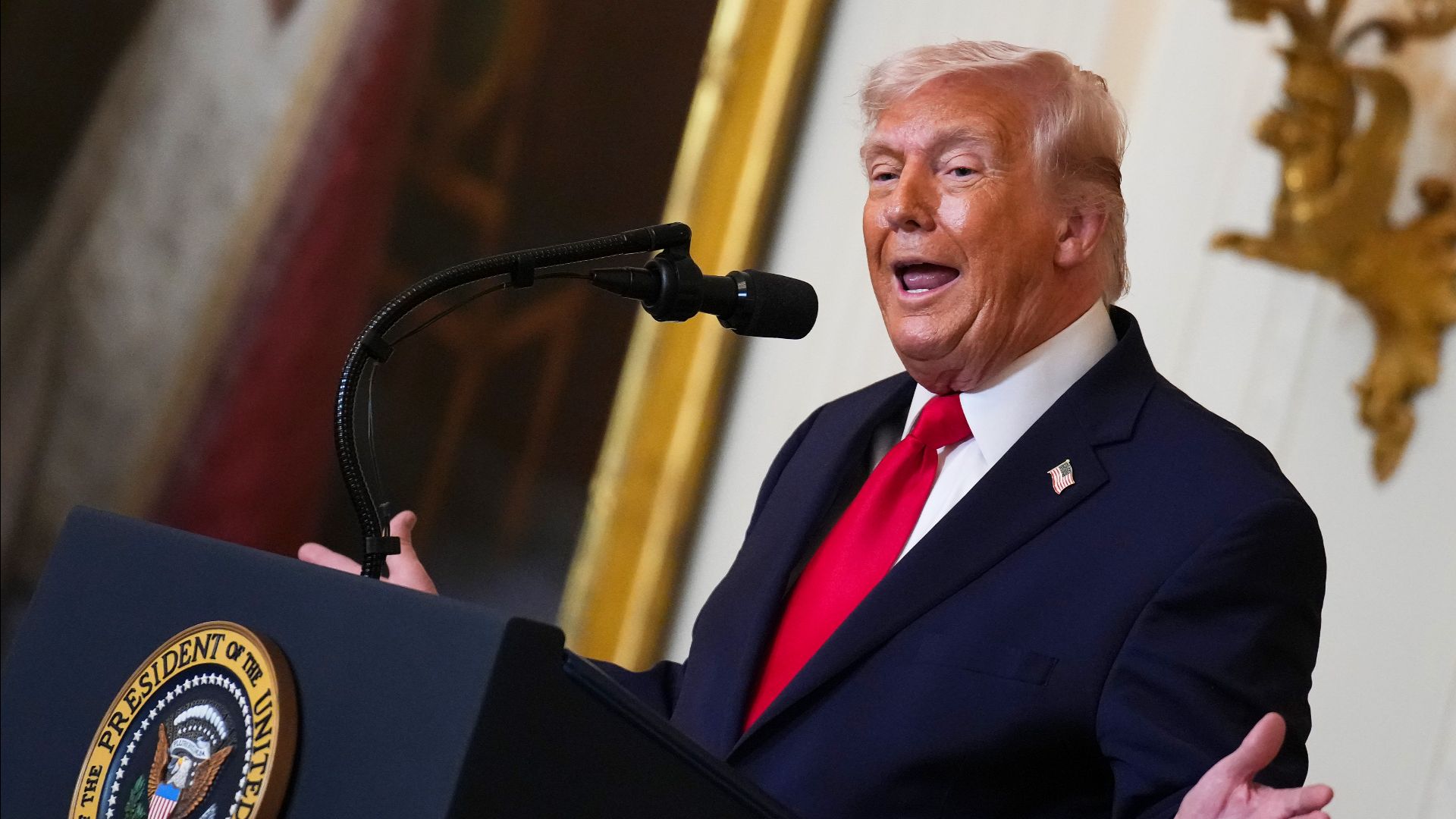
Donald Trump announced that the United States will temporarily lift certain sanctions on Russian oil exports in an effort to stabilize global energy markets shaken by the escalating war involving Iran, Israel and the United States. Speaking to reporters after a call with Russian President Vladimir Putin, Trump said the move was necessary as oil prices surged following disruptions in the Strait of Hormuz.
«We're also waiving certain oil-related sanctions to reduce prices,» Trump said when discussing the decision. He added that the measures would remain temporary, explaining to journalists:
«So we have sanctions on some countries. We're going to take those sanctions off until the strait is up.»
The decision comes as global energy markets remain under intense pressure following U.S. and Israeli strikes on Iranian targets and Tehran's retaliation across the Gulf region. The conflict has disrupted shipping routes through the Strait of Hormuz, the narrow maritime corridor between Iran and Oman through which roughly a fifth of the world's oil supply normally flows. Iranian threats against tanker traffic and reported mining activity in the area have forced many shipping companies to halt or divert shipments. As a result, oil prices surged above $100 per barrel, raising fears of a broader energy crisis and prompting governments to search for alternative supplies.
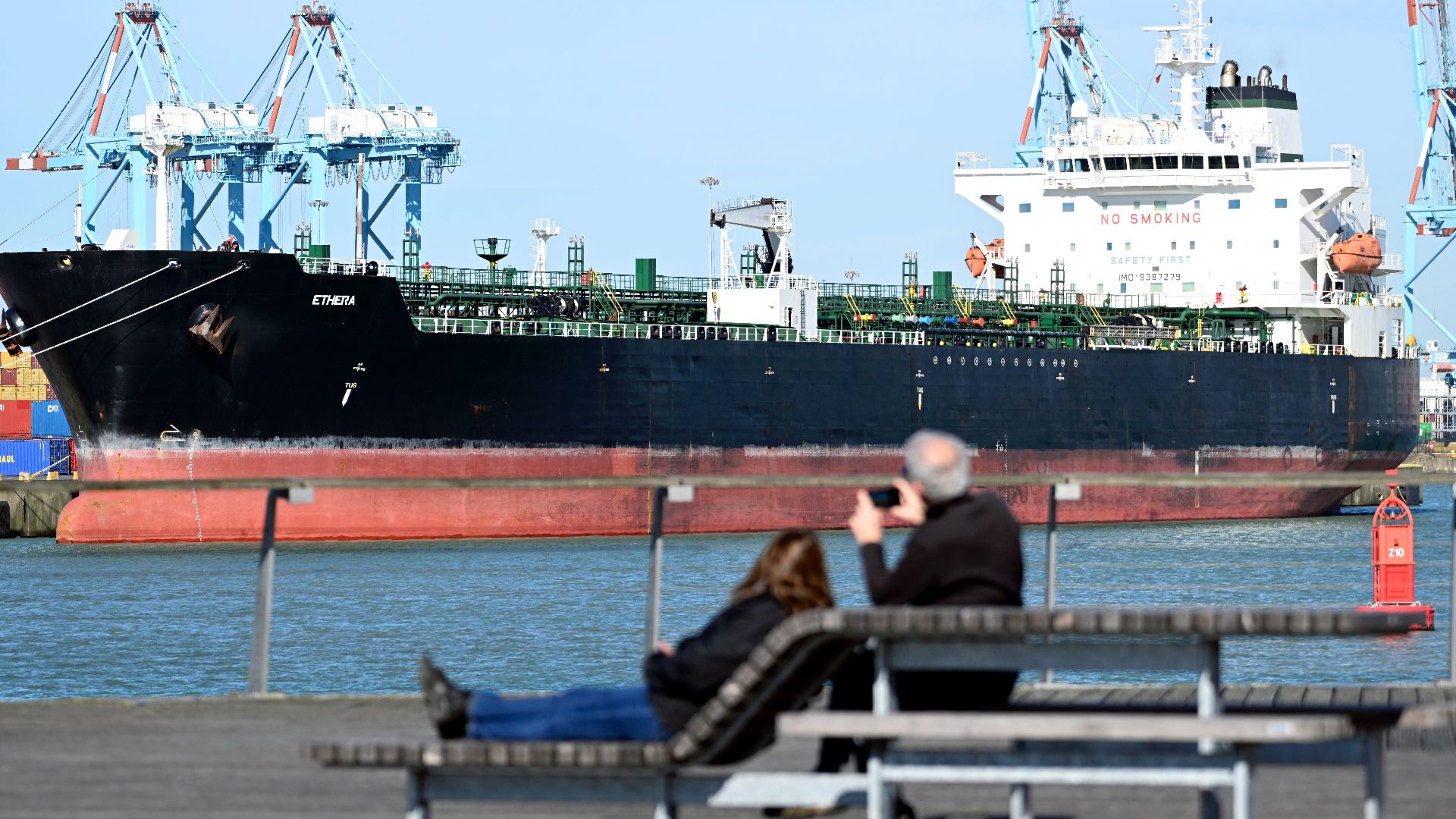
Sanctions on Russia's energy sector were first imposed by the United States and its allies following Moscow's invasion of Ukraine in 2022. The restrictions were designed to reduce the Kremlin's oil revenue and limit the funds available for Russia's war effort. Measures included bans on certain Russian crude imports, price caps on oil shipments and restrictions targeting companies involved in Russia's energy industry. For years, Western governments argued that reducing Moscow's oil income was essential to weakening the Russian economy and limiting its military capabilities. The sudden decision to ease some of those sanctions highlights the pressure created by the Iran war and the risk that global supply shortages could destabilize energy markets.
«We're also waiving certain oil-related sanctions to reduce prices.»
The war has created an unexpected opportunity for Moscow, which remains one of the world's largest oil exporters. With Middle Eastern supplies disrupted and several Gulf producers reducing output, Russia's energy sector has suddenly become a key alternative source of oil for global markets. Analysts say the easing of sanctions could allow millions of barrels of Russian crude already in transit to be sold more easily to international buyers. The Kremlin has signaled that it is prepared to play a larger role in stabilizing energy supplies if global markets remain volatile during the conflict.
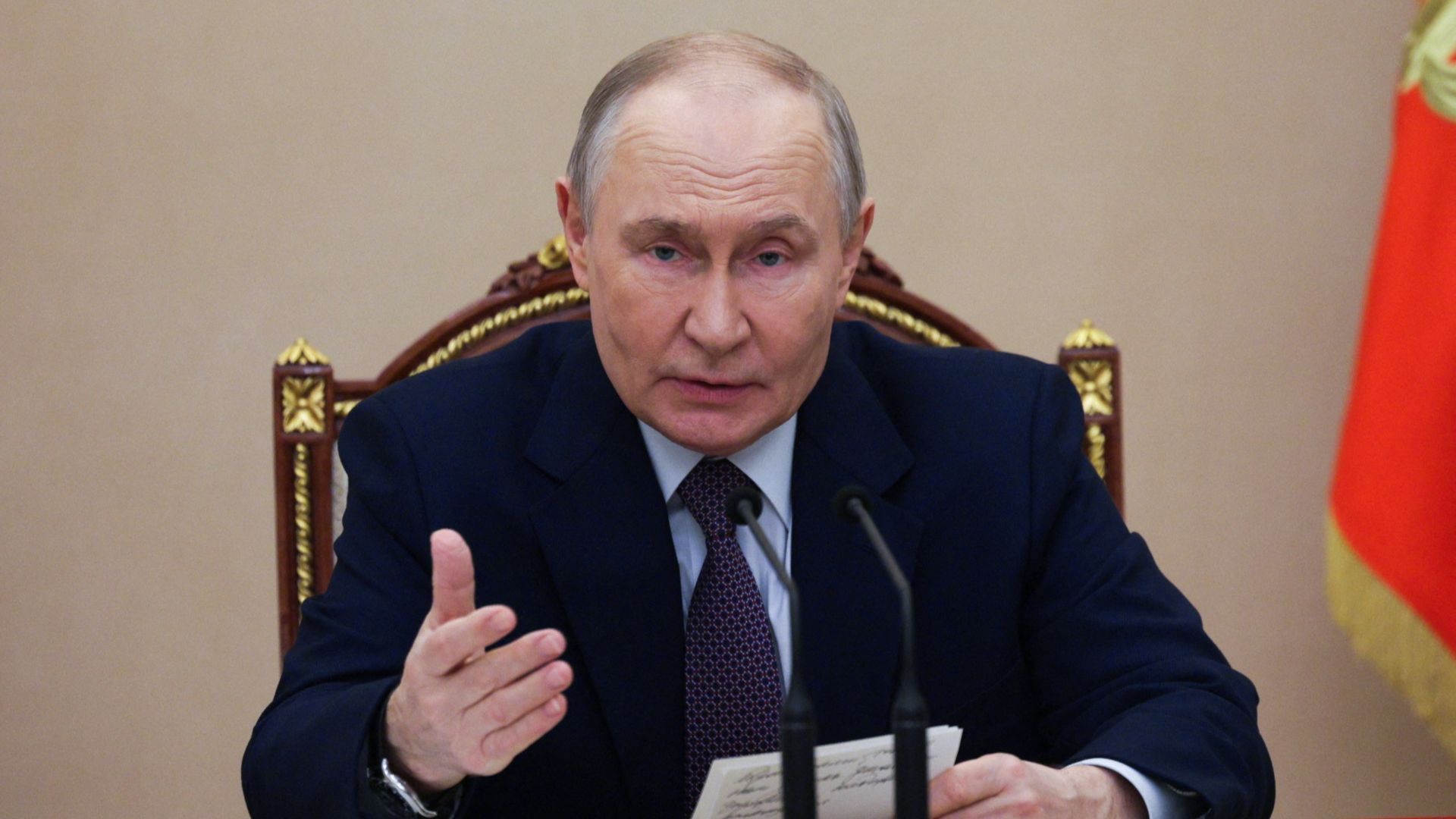
Russian President Vladimir Putin has also commented on the growing energy crisis linked to the war. Speaking about the potential impact on global markets, he warned that disruptions in the Strait of Hormuz could quickly escalate into a wider economic shock. According to remarks reported by Russian officials, Putin cautioned that the situation could severely disrupt global oil supplies if the conflict continues to intensify. The Russian leader has also suggested that Moscow remains ready to expand energy cooperation with other countries seeking stable supplies as markets react to the turmoil in the Middle East.
«So we have sanctions on some countries. We're going to take those sanctions off until the strait is up.»
-President, Donald Trump
The decision by Washington to ease sanctions on Russian oil is already drawing criticism from some Western officials and lawmakers who argue that the move could benefit the Kremlin while its war in Ukraine continues. Critics warn that allowing Russian oil back into global markets risks undermining years of sanctions designed to pressure Moscow. At the same time, the Trump administration has defended the measure as a necessary step to prevent a deeper economic shock if energy supplies from the Persian Gulf remain disrupted. With the Strait of Hormuz still under threat and military tensions rising across the region, the global oil market remains closely tied to the outcome of the widening Iran conflict.
Created by humans, assisted by AI.
