Trump Refuses to Take Responsibility for Midterms Sweep, Claims He Would Have Won «IN A LANDSLIDE»


Donald Trump has refused to accept responsibility for the sweeping Republican defeat in the November 3 midterm elections, insisting that his personal presence on the ballot would have delivered an overwhelming victory despite Democrats capturing control of both chambers of Congress. As the scale of the Democratic blue wave became clear Tuesday night, Trump sought to distance himself from the results, even after spending weeks campaigning for Republican candidates and urging Americans to treat the elections as a referendum on his presidency. «I wasn't on the Ballot and if I was, we would have won IN A LANDSLIDE! Thank you for your attention to this matter», he declared on Truth Social. His statement followed major Democratic victories across traditionally Republican territory, including Senate races in Texas, Kansas, Iowa, and South Carolina, alongside more than two dozen Republican-held House districts. The results represented a significant political setback for an administration that had entered the elections controlling both chambers of Congress, raising questions about Trump's influence over Republican voters and his role in shaping the party's electoral strategy. Yet rather than acknowledging that his policies might have contributed to the losses, Trump suggested that Republican candidates had simply failed to reproduce the turnout he personally generated in previous elections.
Trump also rejected suggestions that the results should prompt changes within his administration, defending his Cabinet during a late-night Fox News interview with anchors Bret Baier and Martha MacCallum. When Baier asked whether he intended to replace any Cabinet members following the Republican defeats, Trump responded, «No, I don't think so. Had nothing to do with my cabinet.» He then characterized the election as a temporary political setback, insisting that his administration had accomplished important things and attributing the outcome partly to the prevailing national mood. The president also invoked the historical tendency of the party controlling the White House to lose congressional seats during midterm elections, arguing that the pattern often occurs regardless of presidential performance. «I shouldn't feel guilty», he maintained, before defending his record on immigration and the economy. His explanation contrasted sharply with his campaign rhetoric just days earlier. During a November 1 rally in Dubuque, Iowa, Trump had urged supporters to treat the election as though he were personally running, declaring, «And pretend I'm on the ballot because, essentially, I am on the ballot.» He repeated that appeal the following day, linking Republican candidates directly to his administration's tax policies and legislative priorities. After voters delivered major defeats to his party, however, he emphasized precisely the opposite distinction: that his name had not appeared on their ballots.
I wasn't on the Ballot and if I was, we would have won IN A LANDSLIDE! Thank you for your attention to this matter.
National exit polling provided substantial evidence that dissatisfaction with Trump and his administration influenced the Democratic victories, challenging his insistence that neither he nor his Cabinet bore responsibility for the outcome. According to exit polls reported by Reuters, 62% of voters disapproved of Trump's job performance, while approximately two-thirds blamed his policies for persistently high consumer prices. Nearly nine in ten identified the cost of living as a major or crucial consideration, reflecting widespread frustration over inflation, tariffs, gasoline prices, and the economic consequences of the war with Iran. Another 70% wanted Congress to impose stronger checks and balances on presidential power, suggesting that concerns extended beyond household finances to the administration's governing approach. CBS News exit polling also found that roughly six in ten House voters considered Trump a factor in their voting decision, with opposition to the president particularly influential among Democratic voters. Additional polling found that approximately three-quarters of Americans casting ballots were dissatisfied or angry about the country's direction. Although those findings do not establish that Trump was solely responsible for every Republican loss, they demonstrate that his presidency was a central consideration for millions of voters, directly contradicting the suggestion that the election had little to do with his administration's performance.
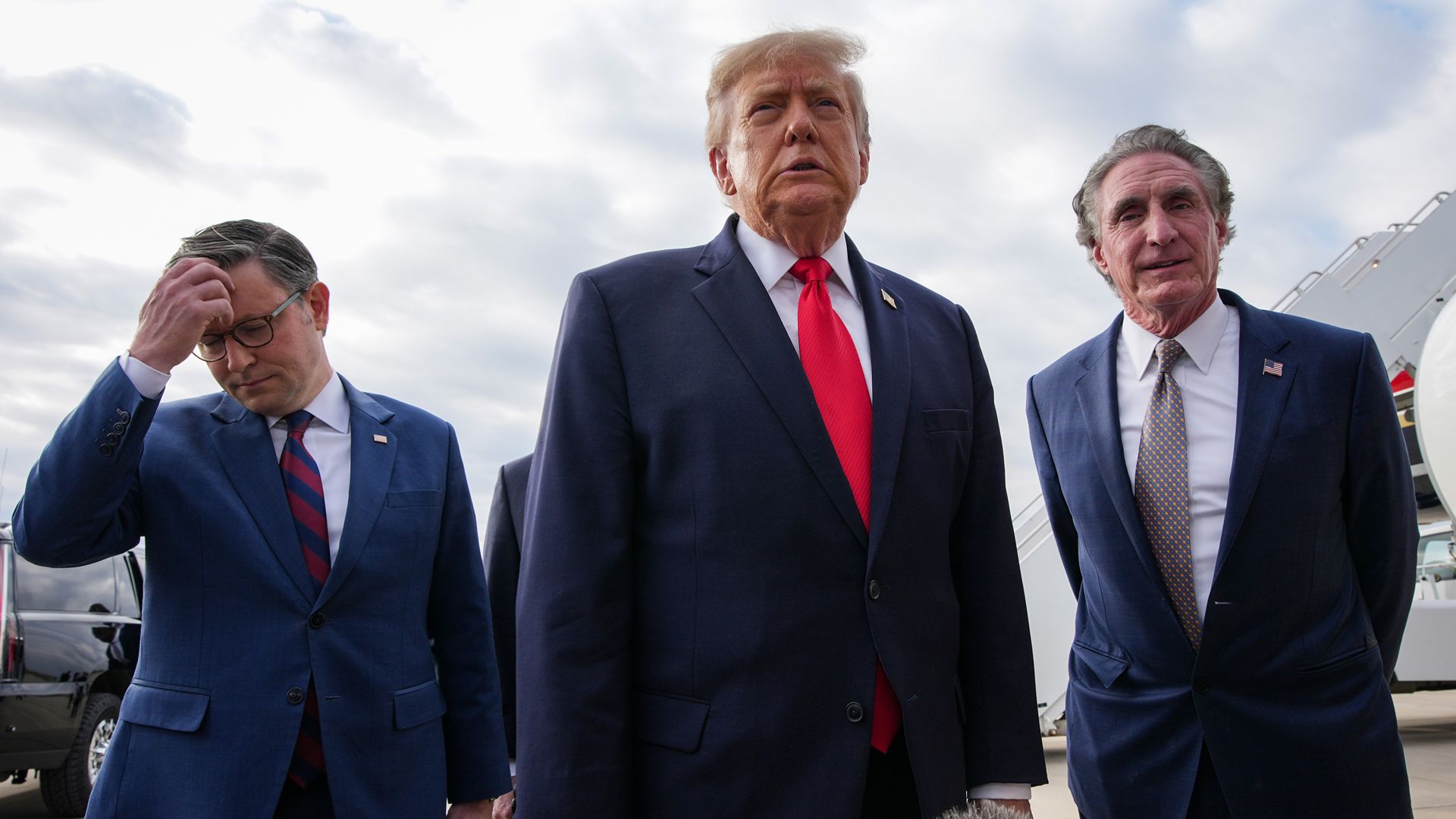
The economic dissatisfaction reflected in the exit polls was accompanied by broader criticism of the administration's priorities, including concerns about government corruption, presidential power, and Trump's handling of foreign policy. According to the November 4 AP Voter Poll, approximately two-thirds of voters believed Trump was focused on the wrong priorities, while more than half considered government corruption a crucial factor in their congressional vote. The survey also found that roughly two-thirds believed his policies had worsened the economy, with approximately eight in ten voters in that group supporting Democratic House candidates. These findings underscored the political consequences of decisions made by the administration itself, particularly the imposition of sweeping tariffs and the continuing military campaign against Iran. Rising fuel prices had become especially difficult for Republicans to defend, with even some of Trump's allies acknowledging their electoral impact. Although Trump portrayed the election as a reflection of temporary political conditions, the results indicated that a substantial share of voters connected their economic frustrations directly to his government's decisions.
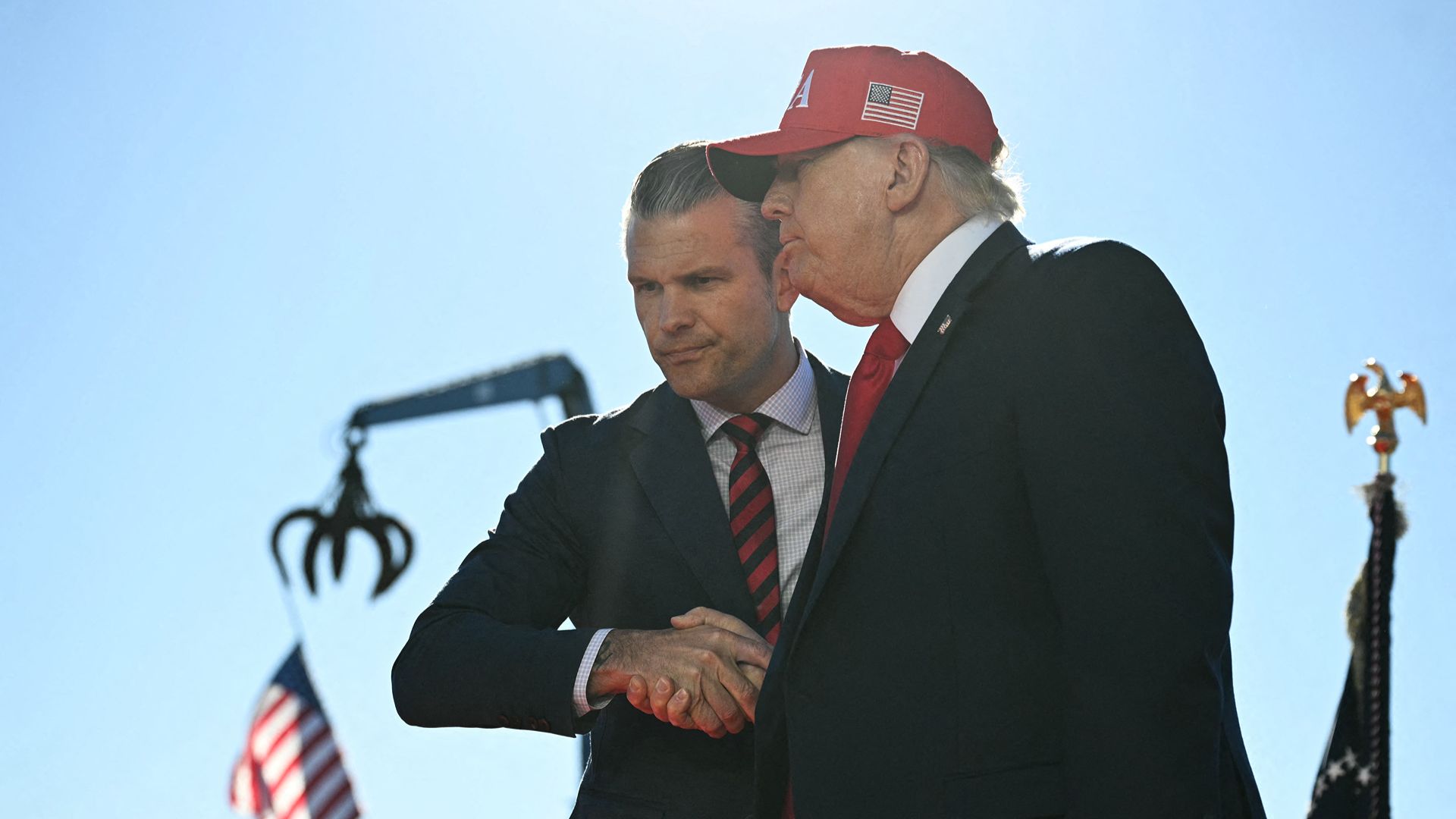
Trump also attempted to shift responsibility toward Republican candidates, arguing that several had failed to inspire the voters who supported him during the presidential election. However, his own role in selecting and promoting some of those candidates complicated that explanation. In Texas, Trump supported Attorney General Ken Paxton against incumbent Republican Senator John Cornyn during the primary, despite concerns among party officials about Paxton's electoral vulnerabilities. Paxton subsequently lost to Democrat James Talarico, while approximately two-thirds of Texas Senate voters questioned whether the Republican nominee possessed the character required for the office, according to the AP Voter Poll. In North Carolina, Republican Senate candidate Michael Whatley faced another problem closely connected to the president: approximately six in ten voters considered him excessively supportive of Trump, and Democrat Roy Cooper won the contest. Similar concerns surrounded other Republican nominees, including Darline Graham in South Carolina, whom Trump had appointed to replace her late brother, Senator Lindsey Graham. The defeats demonstrated that Trump's influence over candidate selection and his demands for political loyalty were important parts of the electoral landscape, even if local circumstances also contributed to individual results.
No, I don't think so. Had nothing to do with my cabinet.
The Democratic takeover of Congress now threatens to significantly constrain Trump's presidency, giving the opposition greater authority to investigate administration decisions, examine government spending, and challenge policies that previously faced limited resistance from Republican lawmakers. Democratic leaders are expected to pursue stronger oversight of immigration enforcement, the Iran war, federal contracts, and the administration's handling of potential conflicts of interest. The president, meanwhile, has indicated that he intends to defend his agenda through executive authority and his constitutional veto powers rather than make substantial changes to his governing team. His insistence that he should not feel guilty about the results rests partly on the historical tendency of sitting presidents to lose congressional seats during midterm elections, a pattern that has affected both political parties. Yet the November 3 vote also revealed substantial public dissatisfaction with policies directly associated with his administration. Importantly, the AP Voter Poll found that approximately four in ten Republican voters believed Congress was not providing sufficient checks on presidential power, suggesting that demands for greater accountability extended beyond Democratic supporters. While the results do not establish that Trump alone caused every Republican defeat, they leave a significant contradiction between his refusal to accept responsibility and the explanations offered by millions of voters.
Created by humans, assisted by AI.
