Trump vs. Meloni: From the G7 Photo to a Diplomatic Crisis on the Eve of the NATO Summit


/https%3A%2F%2Fcdn-tor.buminteractif.com%2F2026%2F07%2F06172149%2FGettyImages-2240620320-1.jpg)
The controversy sparked by a photo taken at the G7 summit of Donald Trump and Italian Prime Minister Giorgia Meloni quickly went beyond a mere protocol-related anecdote. What could have remained a trivial moment turned into a diplomatic incident with real consequences—just days before a NATO summit where the unity of the allies was crucial. In this article, I break down the key elements of the clash, the public reactions, and the implications for transatlantic relations.
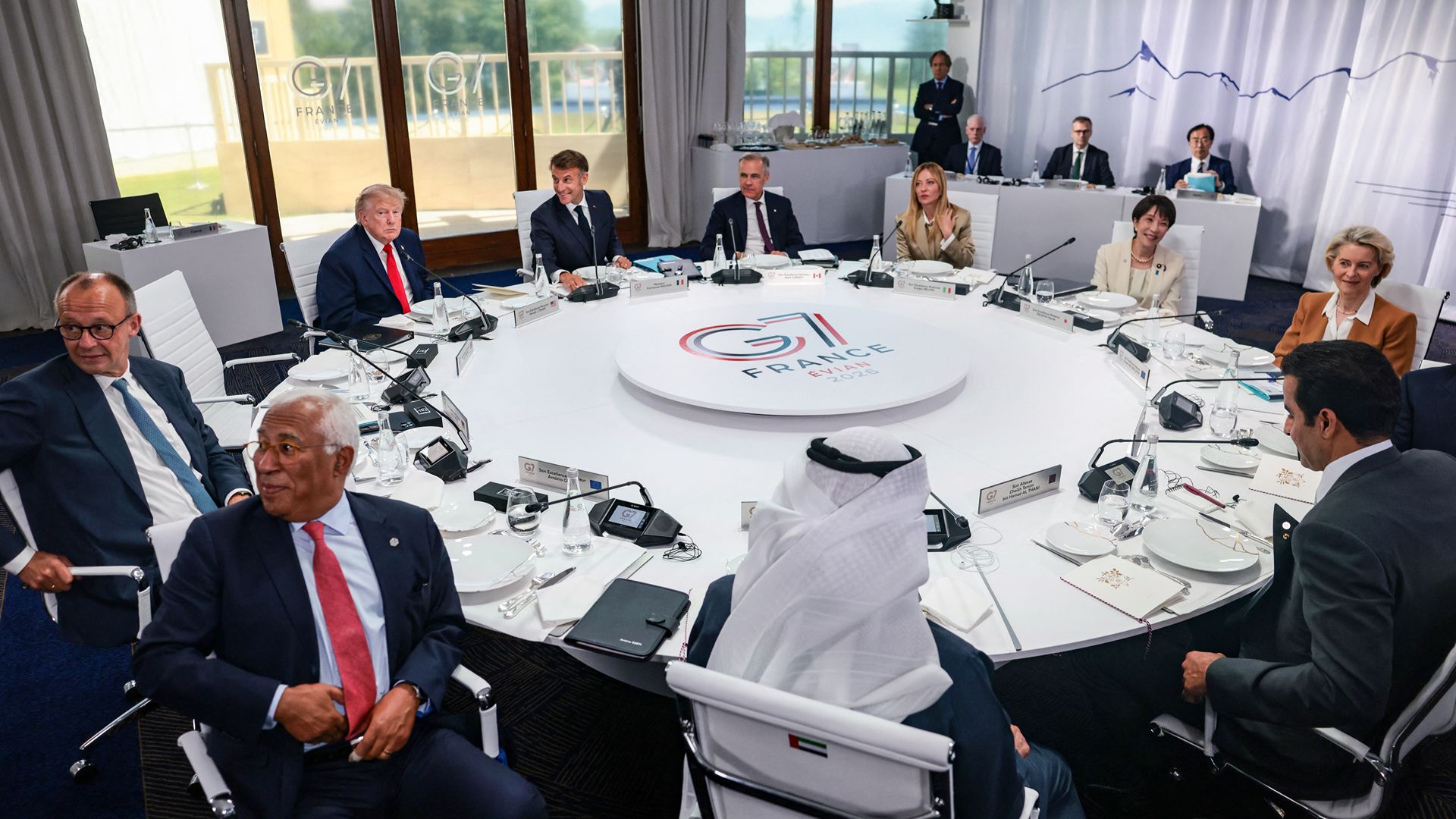
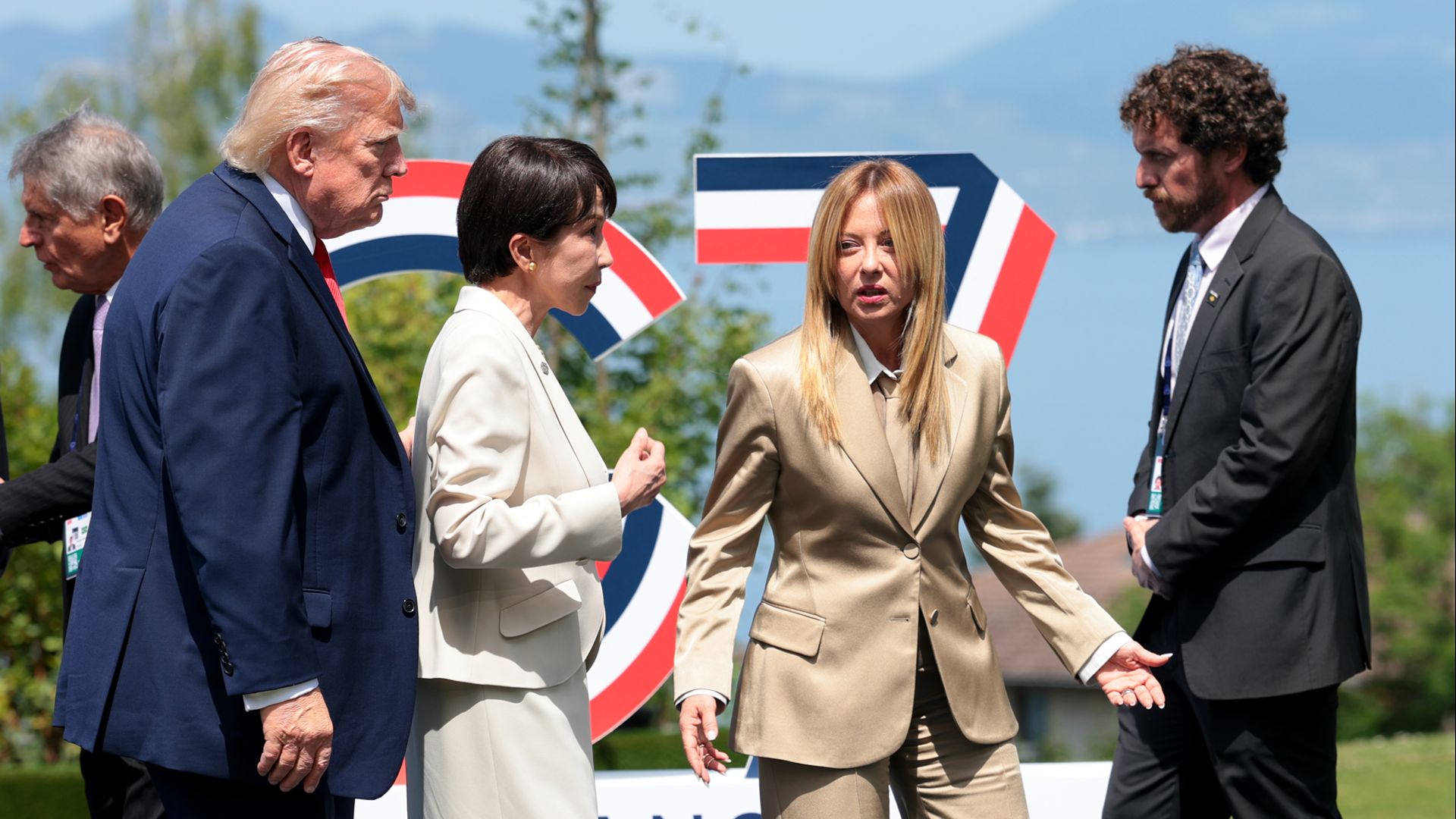
The origin of the controversy: during the G7 summit, a group photo became the center of a dispute. According to Donald Trump, Giorgia Meloni had strongly pressed him to pose with her; the subsequent publication of the image, accompanied by mocking comments, set the public stage ablaze. For Trump, sharing the photo was a way to illustrate the Italian leader's persistent behavior. Meloni's version of events is very different: she denied any insistence and called Trump's account “fiction.”
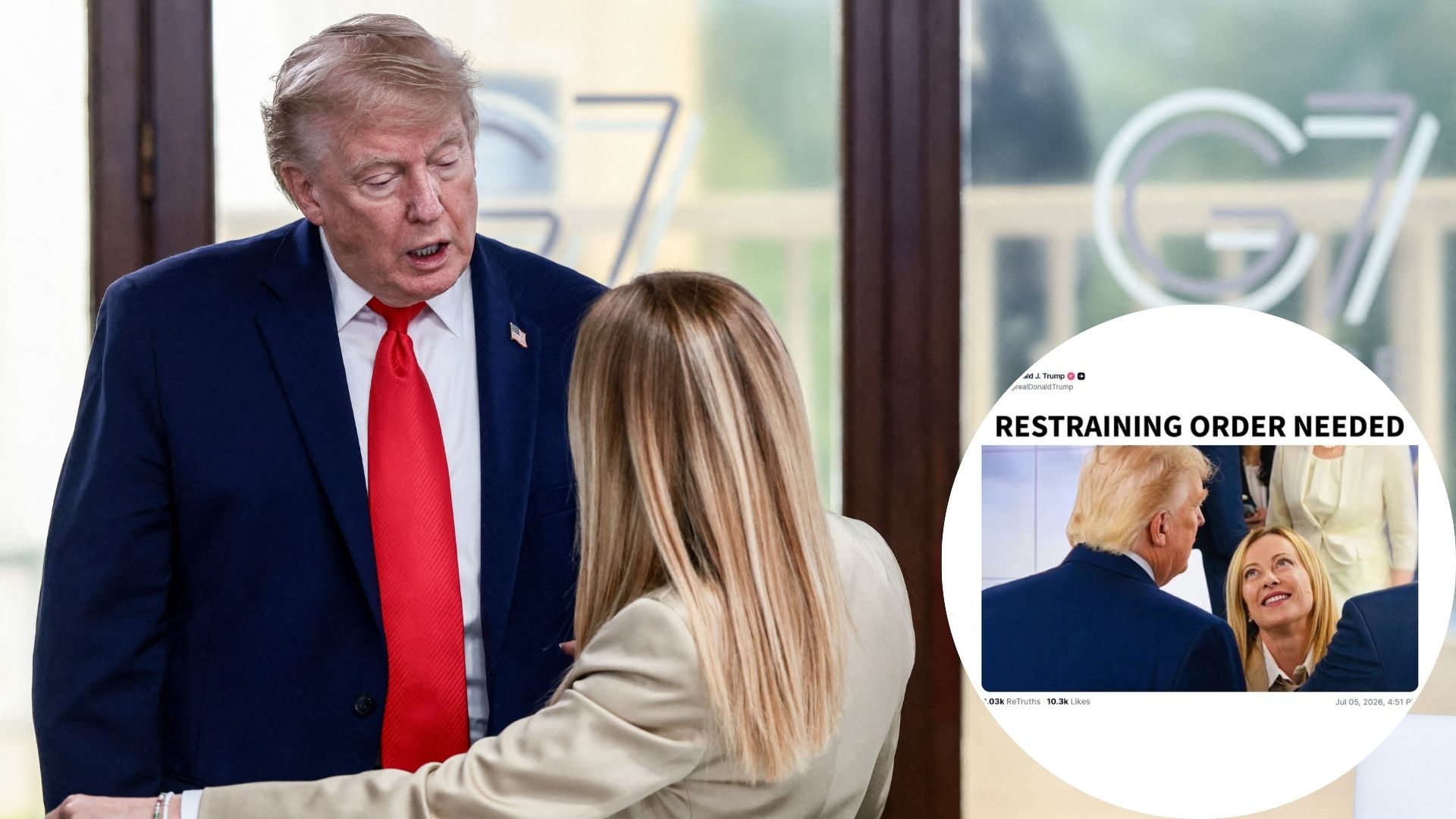
Reactions and rhetoric: The phrase “a restraining order is needed,” posted by Trump on his platform, amplified the controversy. Presented by some as a joke, it was perceived by others as a personal attack in front of the international community. Meloni responded with a firm video, denouncing the fabrication and reiterating that Italy does not “beg” for approval from other capitals. This exchange illustrates just how much contemporary political communication can polarize public opinion and complicate diplomacy.
From personal tensions to strategic differences: while the dispute took shape around a single photo, it highlights fundamental differences between Rome and Washington. Italy has taken independent stances, notably by refusing to allow the use of certain air bases for strikes against Iran without parliamentary approval. On the issue of the Strait of Hormuz and the security of maritime routes, several European governments, including Italy, have favored cautious approaches, while Washington sought more assertive support. These differences reveal distinct national priorities and differing perceptions of risks and military commitments.
Immediate diplomatic consequences: The dispute has had tangible effects. The Italian foreign minister canceled a visit to Washington, describing certain remarks as “serious and offensive.” Symbolic gestures of this kind reflect the unease created by public attacks between allied leaders. More broadly, a breakdown in communication can complicate coordination on sensitive issues, particularly in the areas of defense and intelligence.
Furthermore, the controversy comes at a time when NATO must address sensitive issues: the distribution of defense spending, sustained support for Ukraine, and responses to geopolitical tensions in the Middle East. A climate of weakened trust among member states makes these discussions more difficult and fuels strategic uncertainty.
What this says about leaders and alliances: Beyond political positions, this episode illustrates the importance of the personal stances taken by heads of state and government. Modern diplomacy still combines institutions and personalities: a media exchange between leaders can have substantial institutional repercussions. When public communication becomes a battleground, the room for maneuver in terms of cooperation shrinks.
Outlook: Finding common ground will require more than public statements. Calm bilateral dialogues, a return to traditional diplomatic protocol, and confidential communication channels will be necessary to limit the impact of these personal disputes on the common defense policy. NATO, for its part, will have to navigate the human dimension of these debates and ensure strategic coherence despite political upheavals.
Ultimately, the story behind a single photo reminds us that, in an interconnected world, symbols, images, and words carry strategic weight. Knowing how to gauge their significance has become essential to preserving the stability of alliances.
