

/https%3A%2F%2Fcdn-tor.buminteractif.com%2F2025%2F12%2F16175823%2Fukraine8249dsfsbjkdf.jpg)
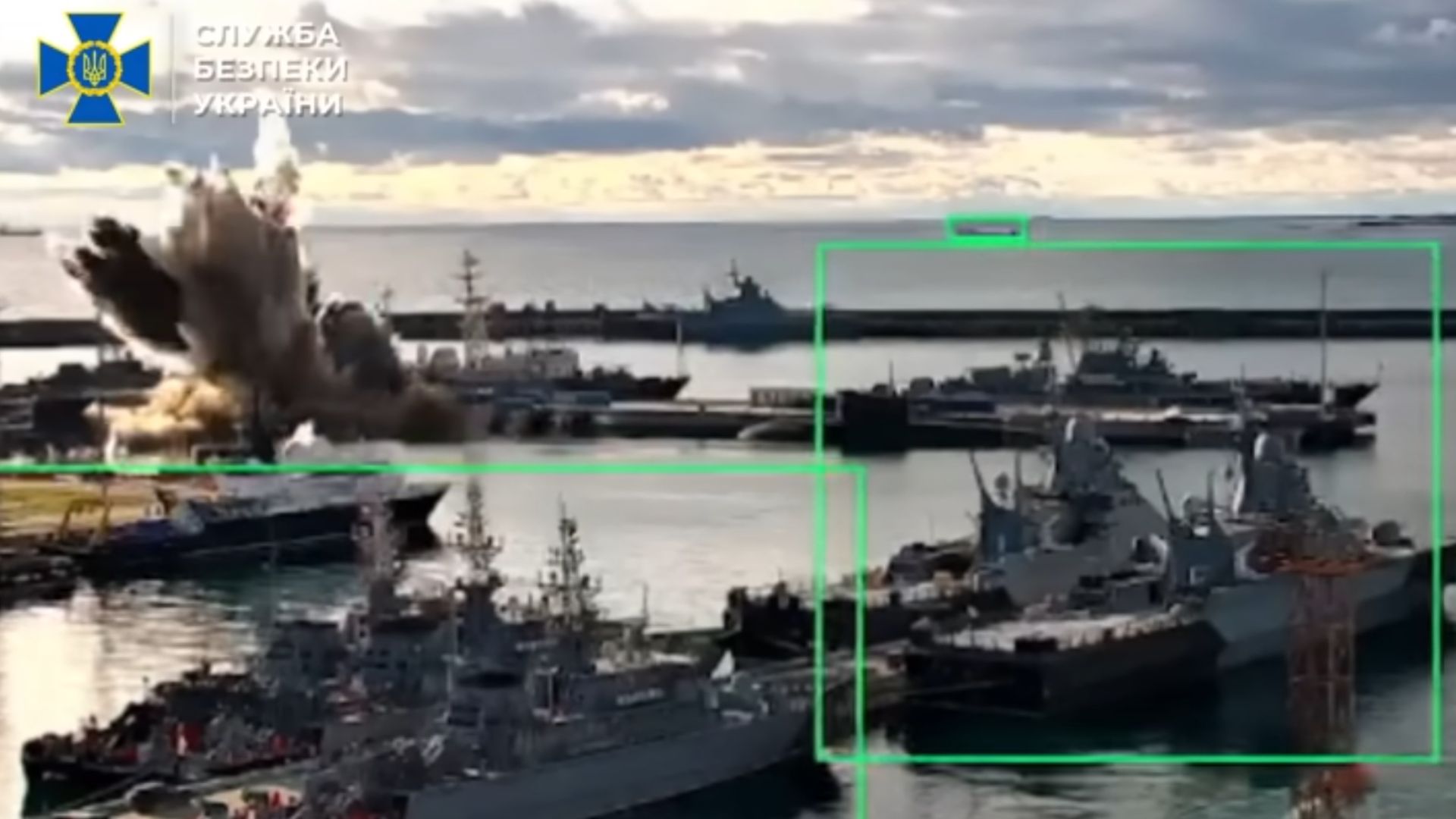
Ukraine said it deployed underwater drones to strike a Russian submarine as it sat at the Black Sea port of Novorossiysk, releasing footage that showed a large blast flaring up near a dock and sending smoke across the waterfront. The claim came from the SBU, which said the explosion left the submarine badly damaged and no longer operational, writing: «As a result of the explosion, the submarine suffered critical damage and was effectively put out of action». Reuters said it independently verified the video showing an explosion near the docked submarine, while Russia's Black Sea Fleet denied any damage and said vessels at the base remained in working order.
The attack unfolded at the Russian Black Sea port with Ukraine describing a covert operation carried out below the surface, using underwater drones to reach a submarine while it was moored. According to Ukrainian statements, the drones moved toward the vessel inside the harbor before detonating alongside it, producing an explosion that was later visible in video released by the SBU. The footage showed a flash and blast at the port, followed by smoke rising near the waterfront, suggesting the strike occurred close to critical infrastructure rather than at sea. Ukrainian officials said the submarine was struck while stationary, a moment that left it vulnerable and unable to maneuver or evade the blast. The SBU said the damage was severe enough to put the vessel out of action, framing the strike as a targeted hit aimed at neutralizing a key naval asset rather than sending a warning.
Ceasefire Still Out of Reach
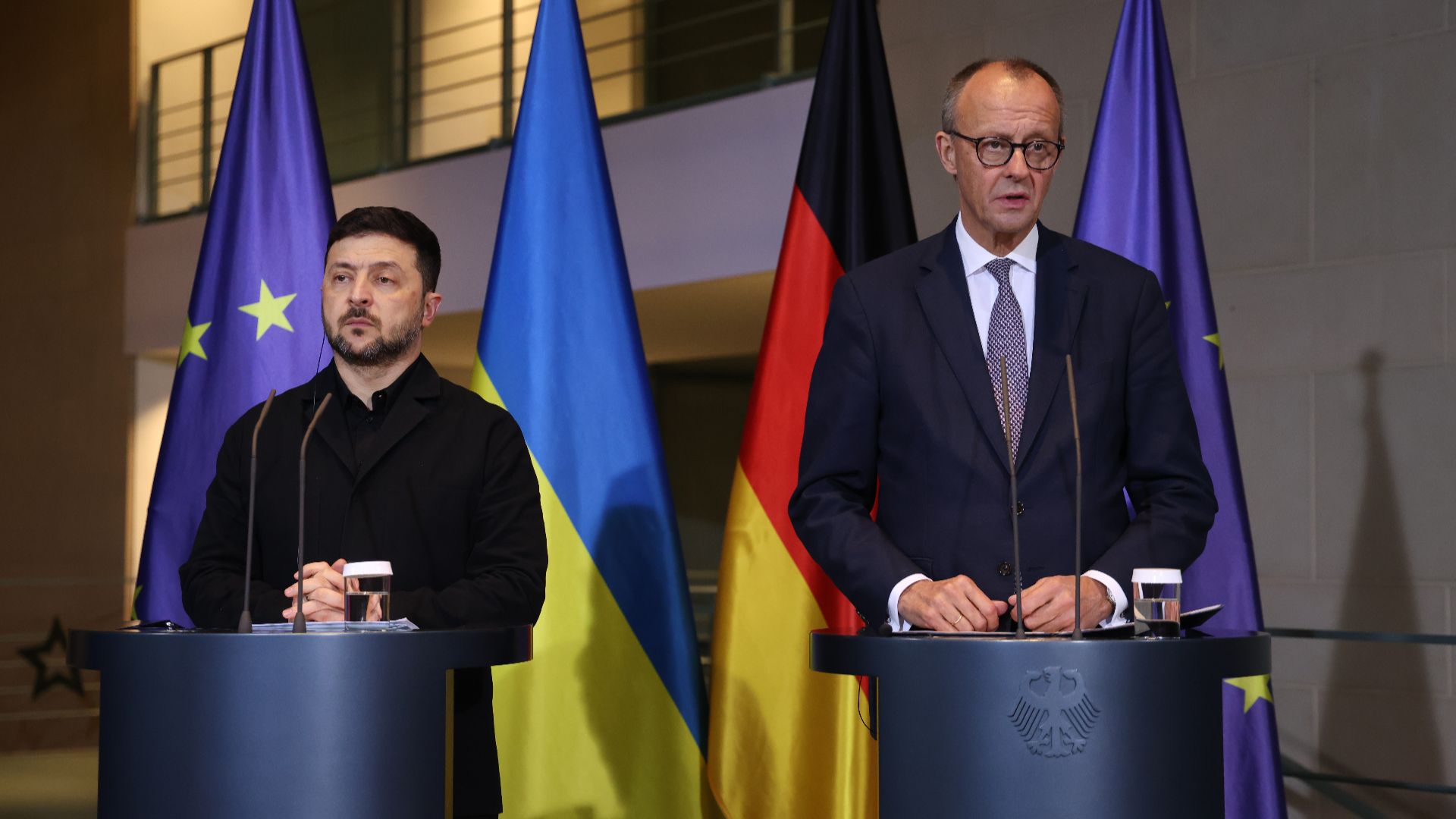
In the past two days, Kyiv and its partners have put new peace proposals on a faster track, with President Volodymyr Zelenskyy saying on Dec. 16 that the documents being negotiated with US officials could be finalized within days and then presented to Russia. The Kremlin, asked the same day about a holiday pause, tied any “Christmas ceasefire” to a wider settlement, with spokesman Dmitry Peskov indicating a temporary truce would only follow a broader deal. The latest push follows a European statement issued on Dec. 15, in which a group of leaders backed security guarantees that include a European-led multinational force and a US-led mechanism to monitor a ceasefire, framing those measures as a prerequisite before any territorial decisions. The renewed activity comes after earlier direct contacts in Istanbul this year that were brief and produced limited outcomes, including prisoner-exchange discussions, without a ceasefire breakthrough.
Over the past months, the peace track has repeatedly restarted in different formats, then stalled, with the most visible direct channel being the Istanbul meetings in early June 2025 that ended after about an hour and produced no major progress toward a ceasefire. Since then, the diplomacy has shifted toward US-led drafting with Ukraine and European allies, with Zelenskyy saying the resulting proposals could be finalized within days and presented to Russia. Moscow has responded by stressing it wants a comprehensive settlement rather than temporary pauses, a stance it repeated when asked about a Christmas ceasefire.
This content was created with the help of AI.
