Understanding the brief closure of El Paso airspace: timeline, possible causes, and local impacts


/https%3A%2F%2Fcdn-tor.buminteractif.com%2Fhttps%3A%2F%2Fcdn-tor.buminteractif.com%2F2026%2F02%2F12143907%2FEl-paso-texas-34234fgs.jpg)
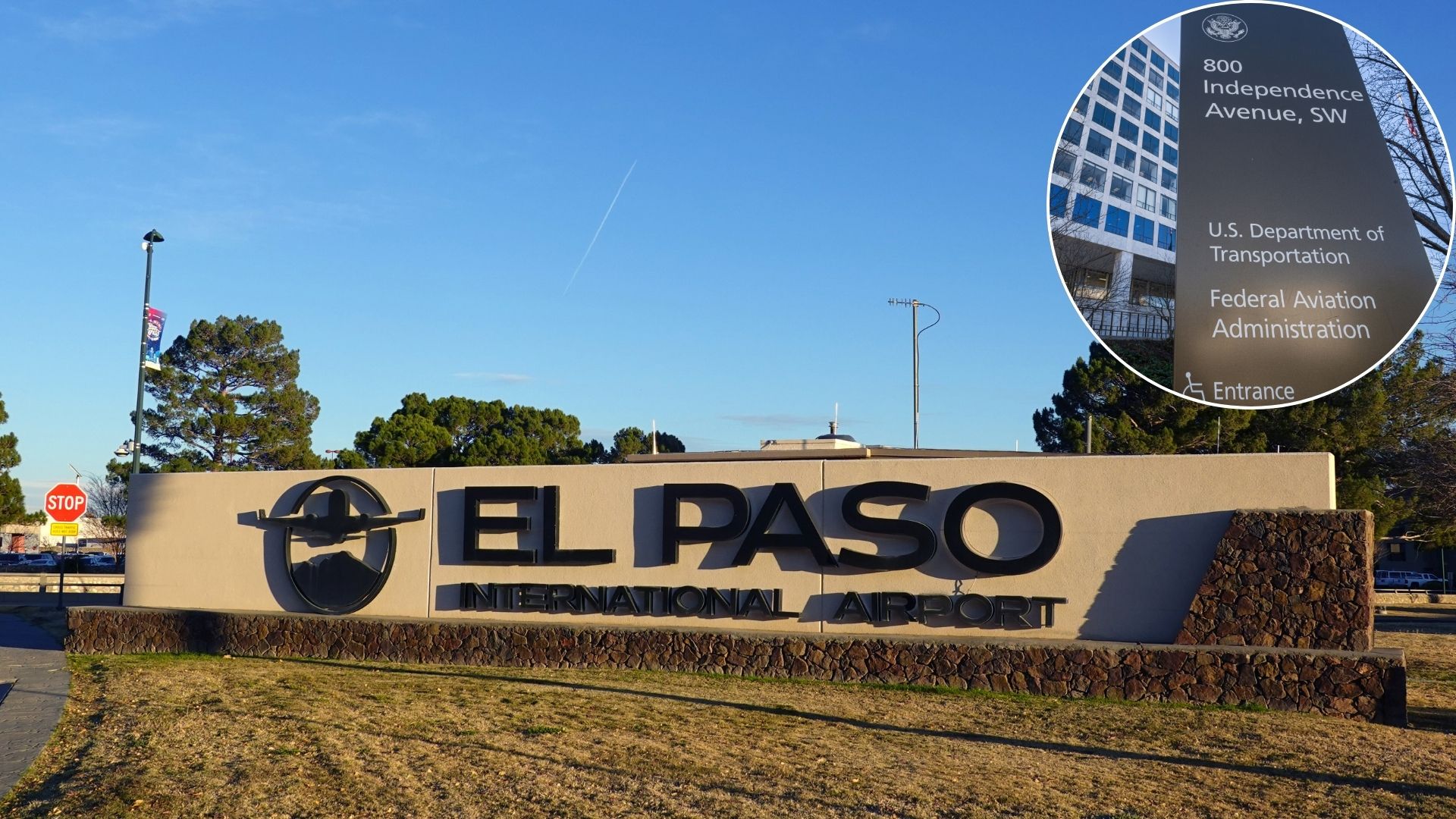
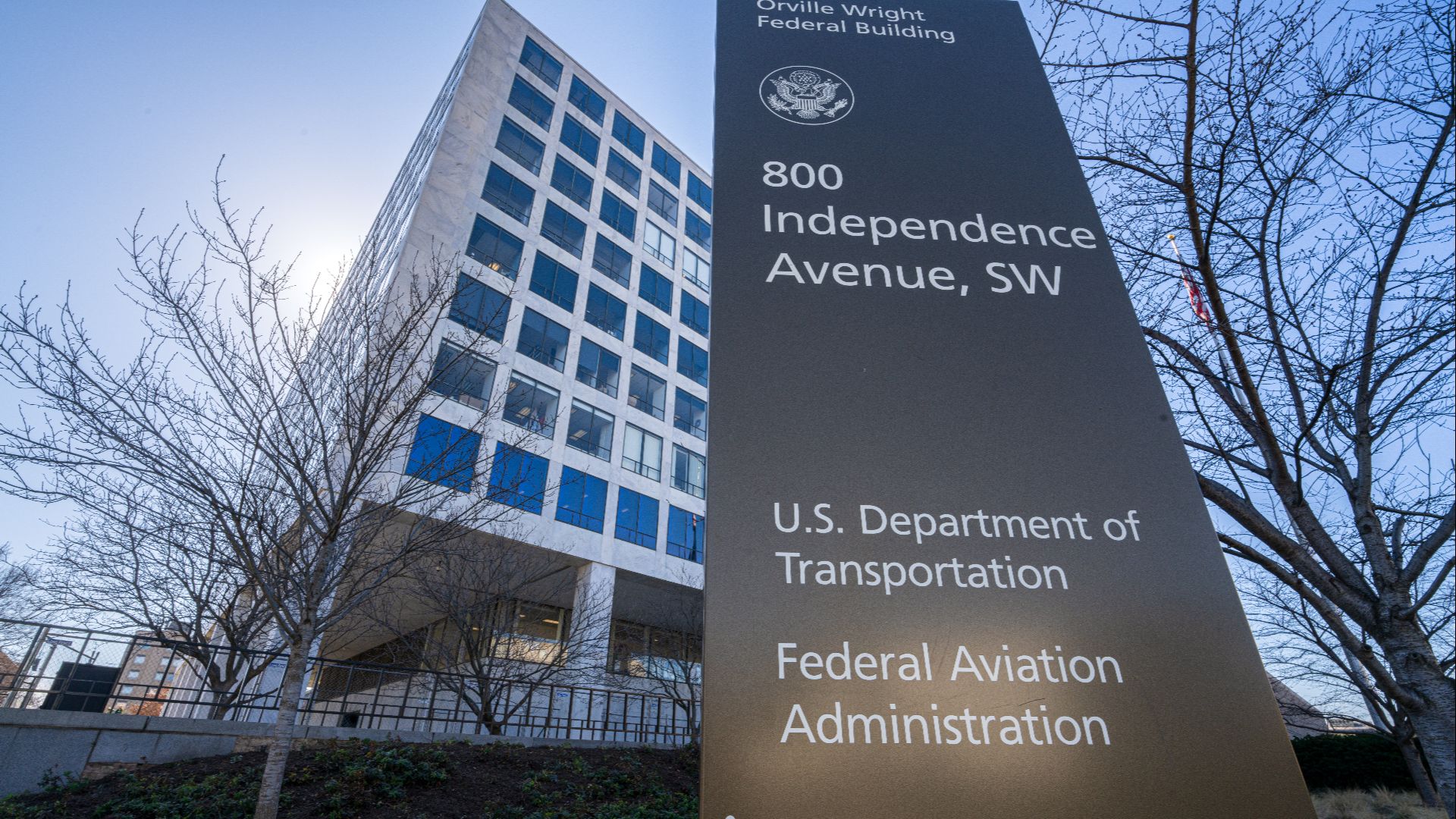
The sudden closure of the airspace above El Paso took travelers, airlines, and local authorities by surprise. During the night, the Federal Aviation Administration (FAA) announced a temporary restriction—initially planned to last ten days—before lifting it a few hours later, stating that “there is no threat to commercial aviation.” But what really happened, and what lessons can be learned from this exceptional interruption?
What happened, in summary: The FAA issued an airspace restriction described as “for special safety reasons,” prohibiting flights above 18,000 feet and indicating that the area was classified as “(national) defense airspace.” Controllers informed aircraft that they were “grounded” for a period of ten days. A few hours later, the restriction was lifted and flights resumed as normal.
Why was this decision made? Initial public explanations were very limited. According to several sources, the maneuver was linked to an uncoordinated deployment of a high-energy anti-drone system planned by the Pentagon near the airport. The stated goal was to neutralize potential drone incursions, particularly those linked to illicit drug trafficking or cartel activities in the border region.
The reported evidence suggests that military officials wanted to move forward with the use of an anti-drone laser, which triggered an immediate precautionary response from the FAA—hence the decision to temporarily ban traffic to avoid any risk of conflict between military use and civil aviation.

Key events and timeline:
- Nighttime announcement of a 10-day airspace restriction.
- Immediate reactions from pilots and controllers recorded by LiveATC.net: surprise and incomprehension.
- Communications limited to local authorities and elected officials—some, such as Congresswoman Veronica Escobar, said they received no prior notice.
- Restriction lifted a few hours later with assurance that there was no threat to commercial aviation.
The concrete impacts were immediate: diverted or canceled flights, disruption of cross-border traffic, and stress for passengers and airport staff. El Paso International Airport is a major gateway to West Texas and Northern Mexico; so its closure, even for a short time, has significant economic and social consequences. From an operational standpoint, a restriction of this magnitude—with threats of interception or penalties for noncompliance—is reminiscent of measures taken after major crises and illustrates the potential tension between military priorities and civilian needs.

What do we know about anti-drone devices? High-energy systems, such as anti-drone lasers, are designed to neutralize or destroy small, uncooperative aircraft. However, they pose challenges: possible interference with civilian flight paths, risks of unintended damage, and regulatory issues regarding their use near civilian infrastructure. Close coordination with the FAA is essential, and this incident shows what can happen when such coordination is lacking.
Practical advice for travelers and local stakeholders:
- If you have a flight scheduled, check communications from your airline or airport before traveling.
- Local elected officials and infrastructure managers should demand clear coordination procedures between civil and military agencies.
- Regular travelers should activate flight alerts and allow extra time in sensitive border areas.
In conclusion, this sudden closure of El Paso's airspace highlights the importance of transparent communication and operational coordination between civil and military authorities. Although the FAA assured the public that there was no threat to commercial aviation, the incident raises legitimate questions about the management of anti-drone technologies near civilian airports and how to balance national security with the continuity of public services. Stay informed and cautious when traveling: the best defense against disruptions is up-to-date information.
Created by humans, assisted by AI.
