

/https%3A%2F%2Fcdn-tor.buminteractif.com%2F2026%2F03%2F19161356%2Fwho-irran-war-getty-43634dhfg34234sf.jpg)
The World Health Organization is preparing for the possibility of a nuclear emergency as the war involving Iran continues to intensify, raising fears of a broader and more dangerous escalation. The situation has worsened following repeated U.S. and Israeli strikes on Iranian territory, with Tehran accusing both countries of targeting key nuclear infrastructure, including the Natanz enrichment facility. The International Atomic Energy Agency has confirmed that the site sustained damage following recent attacks, raising concerns about potential radiological risks. In this context, global health authorities are now openly considering scenarios that, until recently, remained largely theoretical.
«Preparedness for all hazards, including radiological events, is a core part of our mandate.»
-World Health Organization
According to officials within the World Health Organization, preparations are underway for what is described as a potential nuclear or radiological crisis, reflecting growing concern that military operations could trigger far-reaching health consequences. WHO Regional Director for the Eastern Mediterranean Hanan Balkhy stated «We are concerned about the impact of any escalation on health systems in the region,» underscoring the pressure that continued conflict could place on already strained medical infrastructure.
She also warned that «Any attack on health infrastructure or critical facilities can have severe consequences for civilian populations,» highlighting the broader risks linked to strikes near sensitive sites.

The fears are rooted in well-documented risks associated with attacks on nuclear facilities. Damage to enrichment sites or storage areas could lead to the release of radioactive material, affecting populations far beyond national borders.
While WHO officials remain cautious in their wording, their preparedness framework explicitly includes such scenarios. The organization has stated that «Preparedness for all hazards, including radiological events, is a core part of our mandate,» reflecting the need to anticipate even low-probability but high-impact events. These concerns align with broader expert warnings about the potential for regional consequences if nuclear-related infrastructure is compromised.
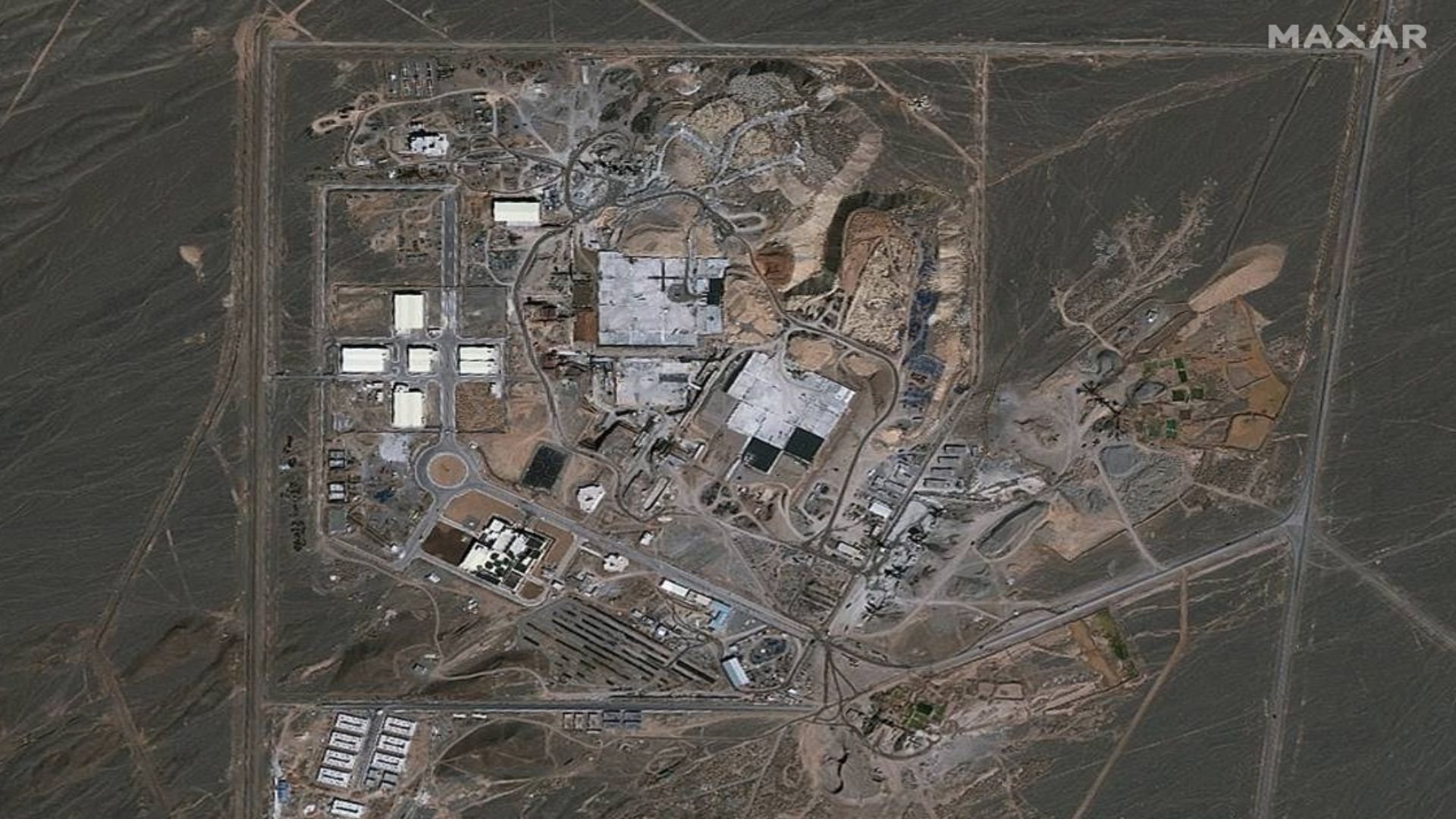
The situation surrounding Iran's nuclear infrastructure adds further complexity. Natanz, one of the country's primary uranium enrichment sites, has long been a central element of its nuclear program and a frequent target in military operations. As the current conflict unfolds, repeated strikes increase the likelihood that critical systems could be compromised in ways that extend beyond conventional military damage. The World Health Organization has consistently emphasized the long-term implications of such risks, noting that «The health consequences of radiation exposure can be immediate and long term, affecting populations for generations,» a reminder of the enduring impact of nuclear-related incidents.
«We are concerned about the impact of any escalation on health systems in the region.»
-WHO Regional Director for the Eastern Mediterranean, Hanan Balkhy
WHO preparations are therefore focused on both immediate response and long-term mitigation. This includes reinforcing medical supply chains, ensuring the availability of treatments for radiation exposure, and coordinating with international partners to monitor potential contamination.
The organization has indicated that «WHO is working with partners to ensure readiness to respond to any public health emergency,» a statement that reflects ongoing coordination efforts across multiple agencies. These measures are designed to ensure that, in the event of a radiological incident, health systems can respond quickly while minimizing broader public health consequences.
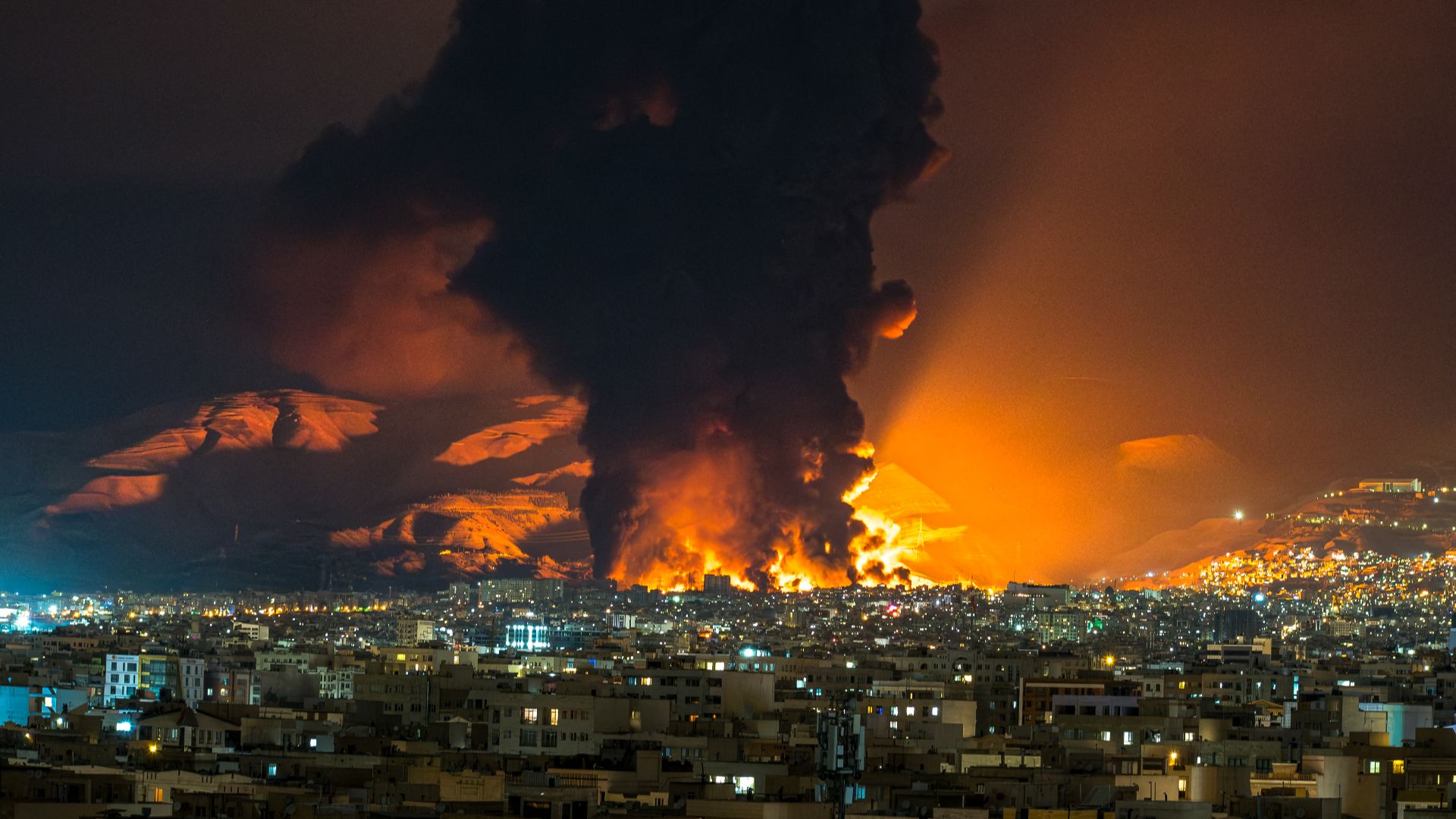
As the conflict continues, the prospect of escalation remains a central concern for both policymakers and international organizations. While there is no confirmation that a nuclear incident is imminent, the combination of ongoing military strikes, damaged nuclear infrastructure, and heightened geopolitical tensions has created a situation where contingency planning is increasingly necessary.
The WHO's approach reflects a broader recognition that even a limited radiological event could have consequences far beyond the battlefield, affecting millions of civilians and placing sustained pressure on regional and global health systems.
Created by humans, assisted by AI.
