Why Qatar’s Air Force One Is Returning to the Shop: Technical Challenges, Costs, and Timeline


/https%3A%2F%2Fcdn-tor.buminteractif.com%2F2026%2F07%2F20180050%2Ftrump-air-force-one-getty345-345dfgdfg3423sdfgsdfs.jpg)
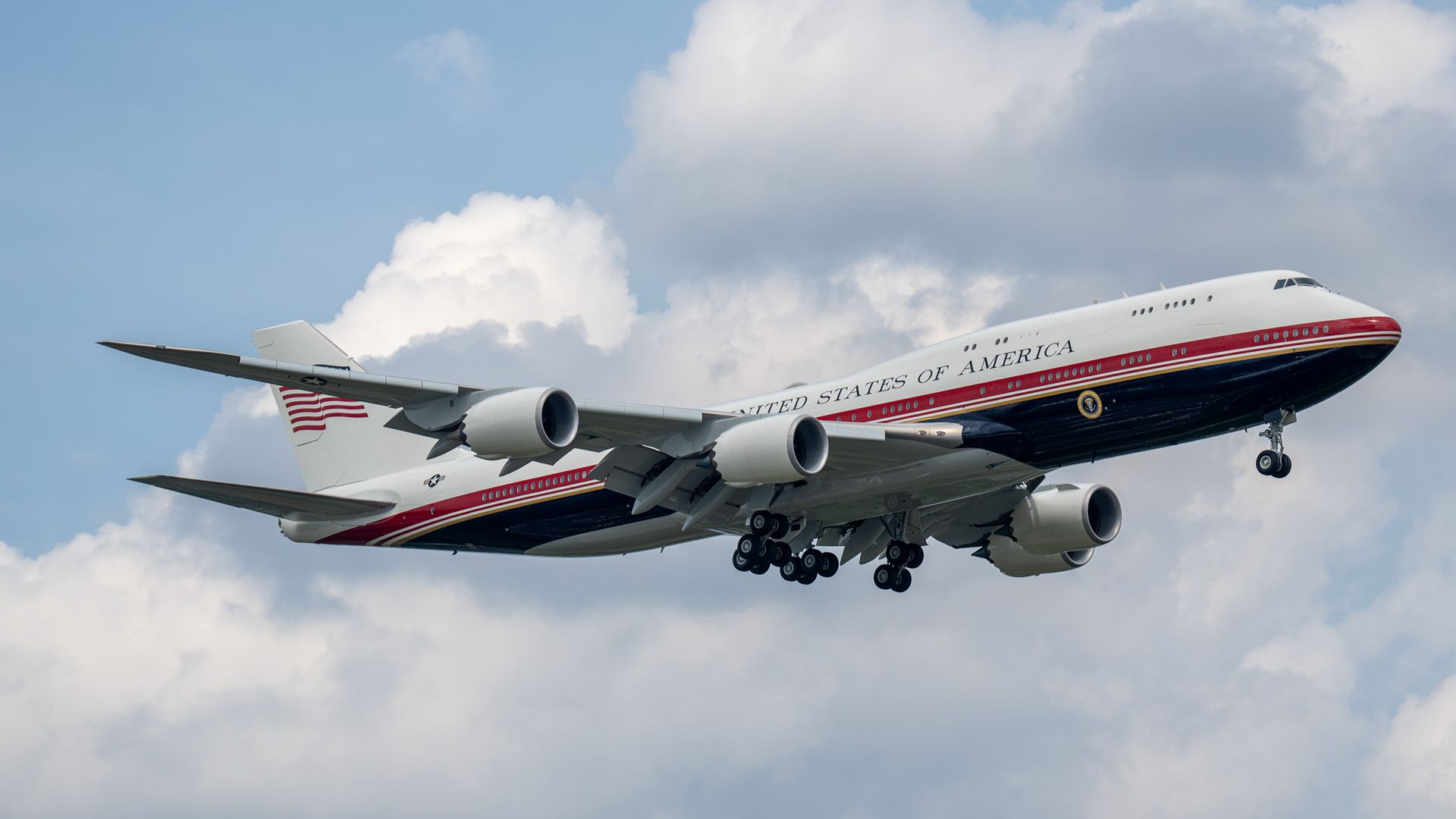
The Boeing 747-8 donated by Qatar and converted to temporarily serve as Air Force One is returning to the hangar for a series of safety-focused upgrades. While this diplomatic gesture has attracted media attention, the reasons for the overhaul go far beyond a simple cosmetic touch-up: the goal is to adapt an aircraft designed for luxury to the extremely high operational requirements specific to an aircraft carrying the U.S. head of state.
Origin and Temporary Use
The aircraft was not originally designed as a presidential plane. Built for the Qatari royal family and later gifted to the United States, it was converted to serve as a temporary solution pending the delivery of the new VC-25B aircraft produced by Boeing, which have been delayed until at least 2028. This conversion has already cost taxpayers hundreds of millions of dollars, and recent events show that additional work is needed to achieve a level of security deemed satisfactory.
What Was Observed During the NATO Trip
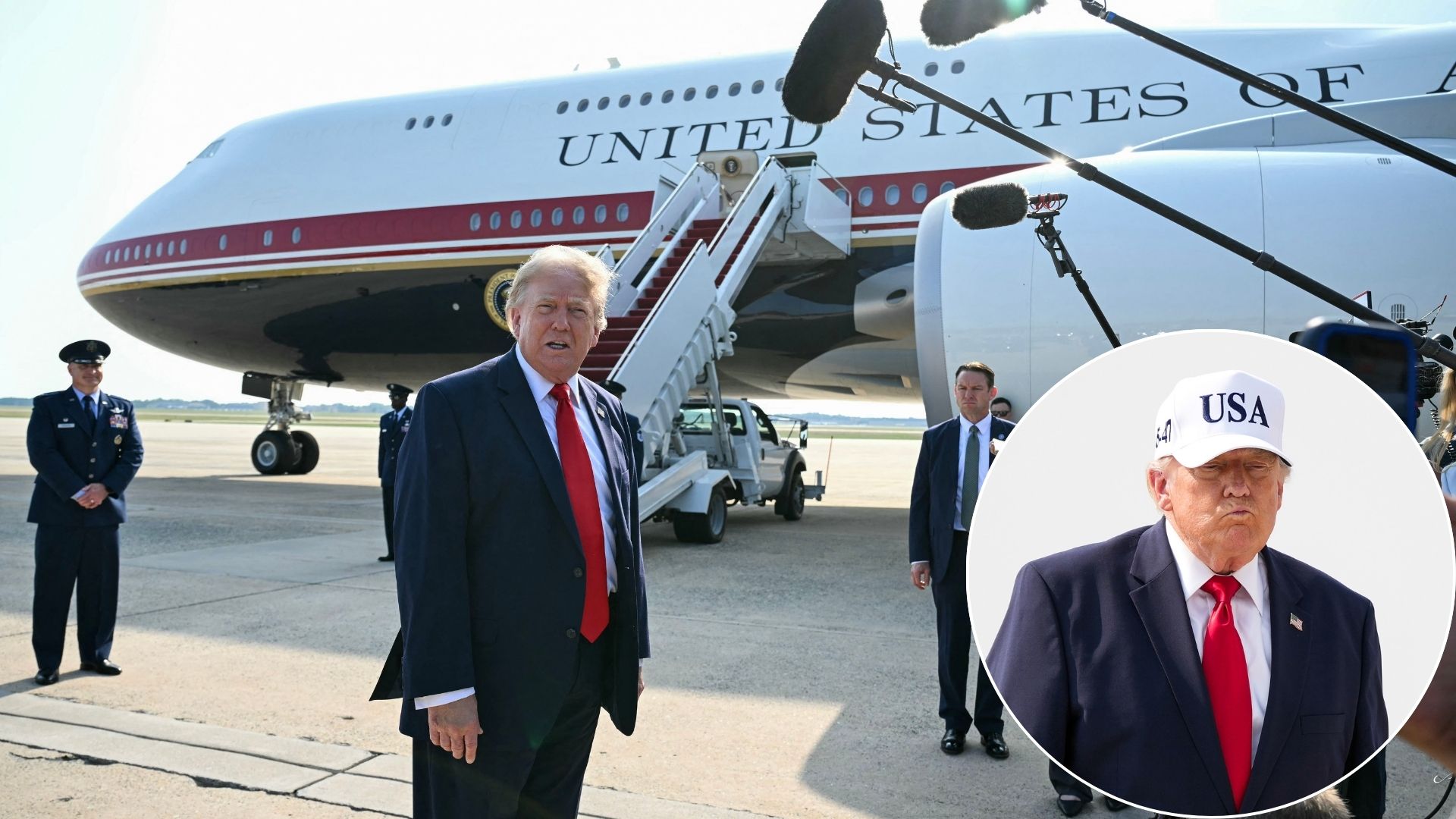
During the NATO summit in Ankara, the aircraft made its first international flight. While the trip proceeded largely without incident, issues identified on the return flight highlighted shortcomings in both active and passive security measures. As a precaution, the White House opted to temporarily use the older VC-25 for the riskiest portion of the journey, as the older aircraft retains classified and proven systems to counter threats such as anti-aircraft missiles or electronic attacks.
Key Shortcomings Identified
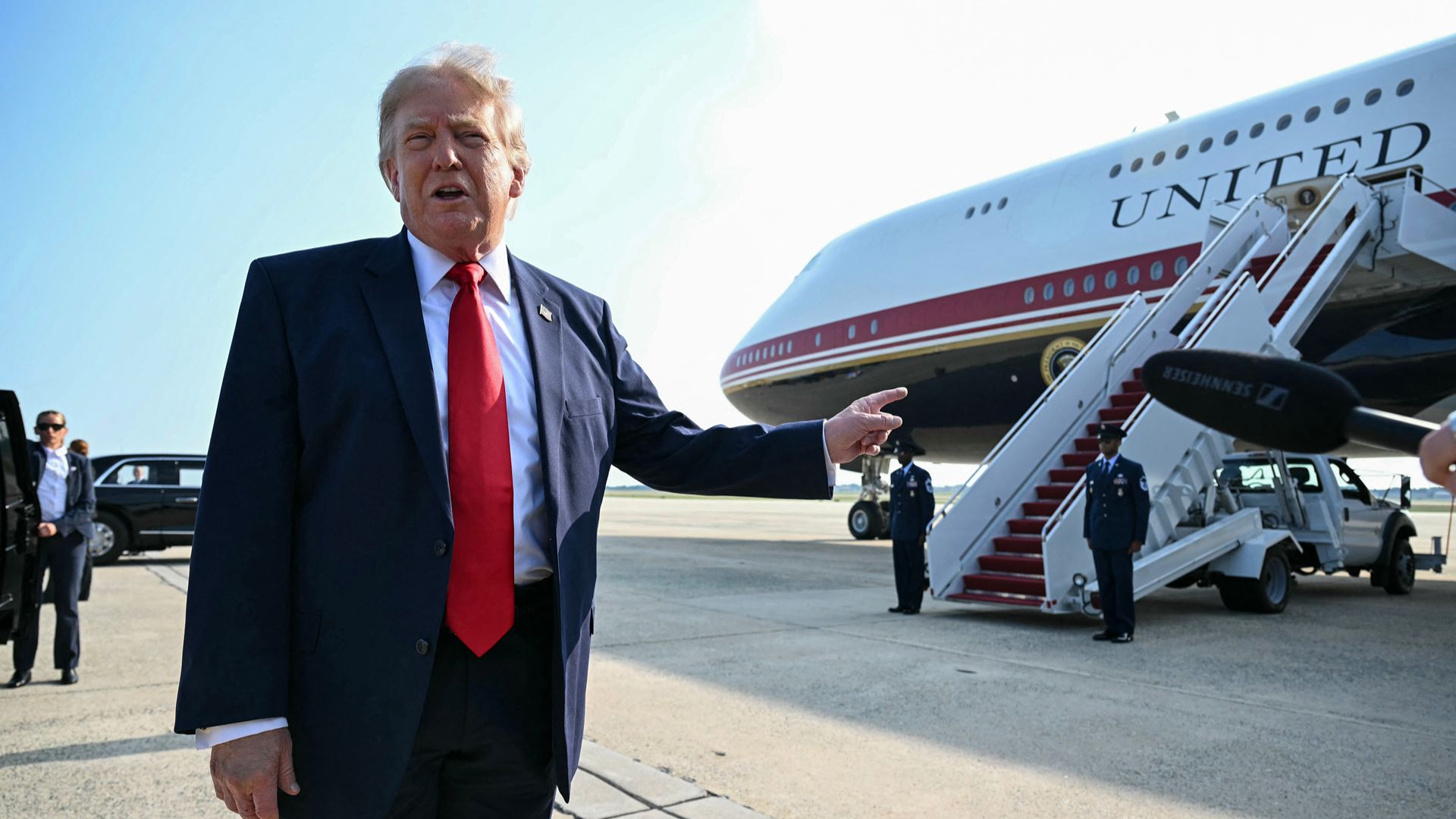
- Next-generation missile warning systems;
- Advanced electronic warfare and countermeasure capabilities;
- Protection against electromagnetic pulses (EMP);
- Very high-level encrypted communications and critical redundancies;
- In-flight refueling capability used by traditional VC-25s.
Each of these functions requires specific installations, intensive testing, and, in some cases, major modifications to the airframe and avionics. It is not simply a matter of adding equipment, but of integrating it in compliance with the safety and resilience standards required for presidential transport.
Why the workshop is necessary and what its objective is
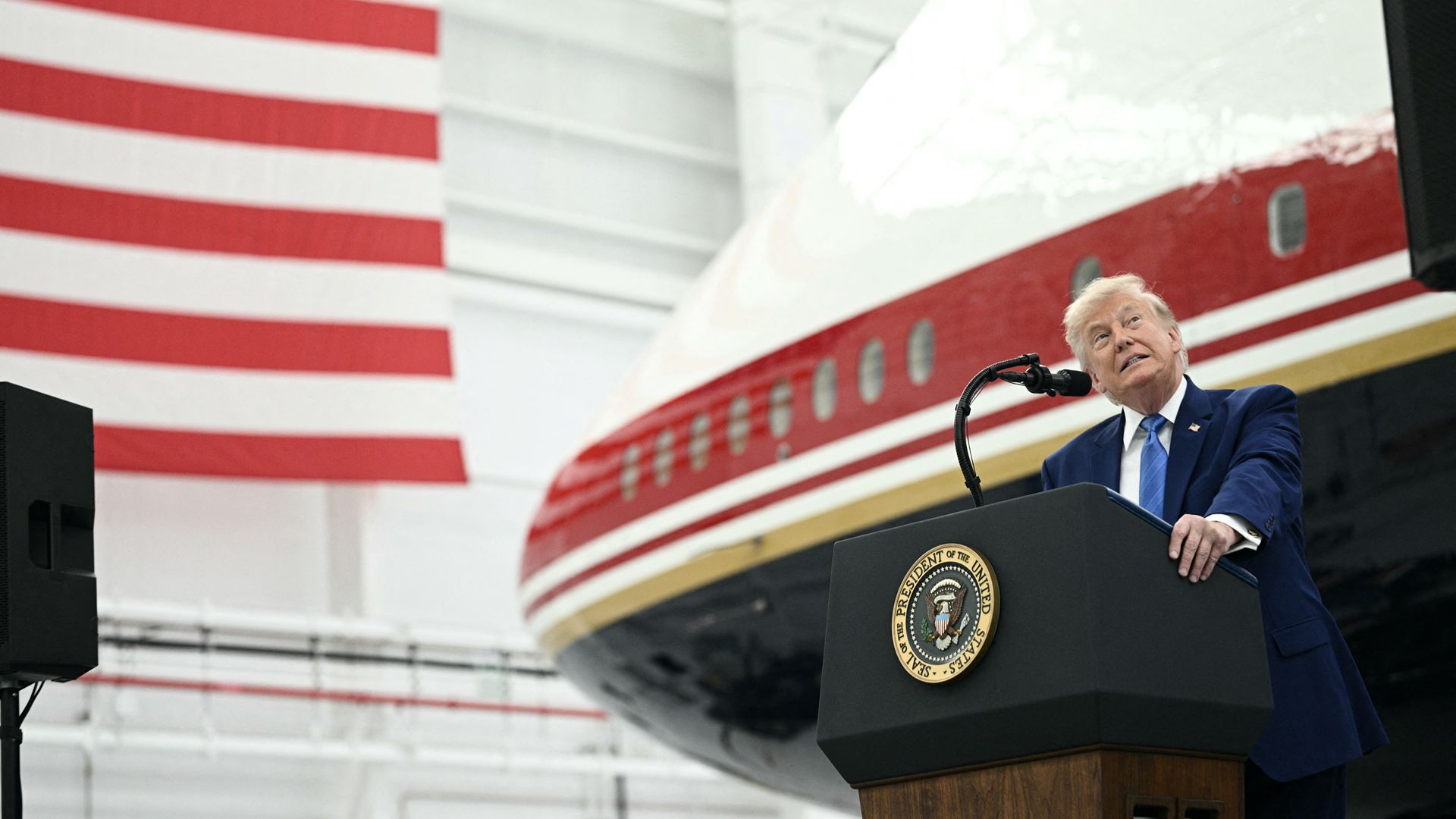
The stated objective is twofold: to address the identified shortcomings and to validate the new systems under real-world conditions before undertaking further international missions. Planned operations include the installation of sensors, anti-missile warning systems, localized armor, and electronic warfare suites, as well as testing of secure communications. Upon completion of the work, the aircraft should be capable of flying in higher-risk areas, although an exact comparison with the capabilities of the standard VC-25 will depend on final testing and certification.
Costs and Public Debate
The conversion has already cost more than $300 million, with an authorized budget of up to $400 million. The new modifications will likely drive up the cost even further. This issue has reignited public debate: some believe that accepting a foreign gift followed by massive investments from taxpayers raises ethical and constitutional questions, while others view this solution as pragmatic while awaiting aircraft designed specifically for this purpose.
What are the implications for the future?
In the short term, the aircraft will undergo the necessary upgrades and remain in service once tests have confirmed its reliability. In the medium term, the presidential fleet is expected to evolve with the arrival of the VC-25Bs, which will be designed from the outset to meet the required military and diplomatic standards. The 747-8 gifted by Qatar could then become an alternative or be transferred, depending on future political decisions.
In summary: The overhaul of the Qatari aircraft illustrates the complexity of transforming a luxury civilian aircraft into a presidential platform. The challenges are technical, budgetary, and political. The coming weeks will be crucial for assessing the scope of the modifications and their technical success, which will determine the future use of this aircraft on the international stage.
