Why the CSIS Report Suggests Russia Is Weakening: A Comprehensive Analysis and Implications


/https%3A%2F%2Fcdn-tor.buminteractif.com%2F2026%2F07%2F02163808%2Fputin-zelensky-getty34534fvgdfgd.jpg)
A recent report by the Center for Strategic and International Studies (CSIS) paints a troubling picture for Russia: approximately 1.4 million combat casualties since the start of the full-scale invasion of Ukraine, a slowdown in offensives, and an increase in deep-penetration attacks by Ukraine using cutting-edge technology. In this article, we explain the report's key findings, their military, economic, and social implications, and what this may mean for the future of the conflict.
The Figures and Their Implications
The CSIS estimates combine deaths, injuries, and missing personnel, putting the total Russian casualties at approximately 1.4 million. This number is shocking in its magnitude and reflects a painful reality: devastated families, fragmented units, and an enormous human cost. While Ukraine has also paid a heavy price, the report highlights that Russian losses are disproportionately high relative to its initial goal of maintaining strategic depth in the theater.
A Confirmed Operational Slowdown
On the ground, Russian advances have been reduced to progress measured in meters per day in sectors where movements were once more extensive. Several factors explain this phenomenon: logistical problems, a shortage of trained forces, corruption affecting supply chains and equipment, as well as eroding morale among certain units. This slowdown prolongs the fighting, increases the cost in resources and human lives, and reduces the likelihood of a decisive breakthrough in the short term.
The Role of Drones and Deep-Strike Operations
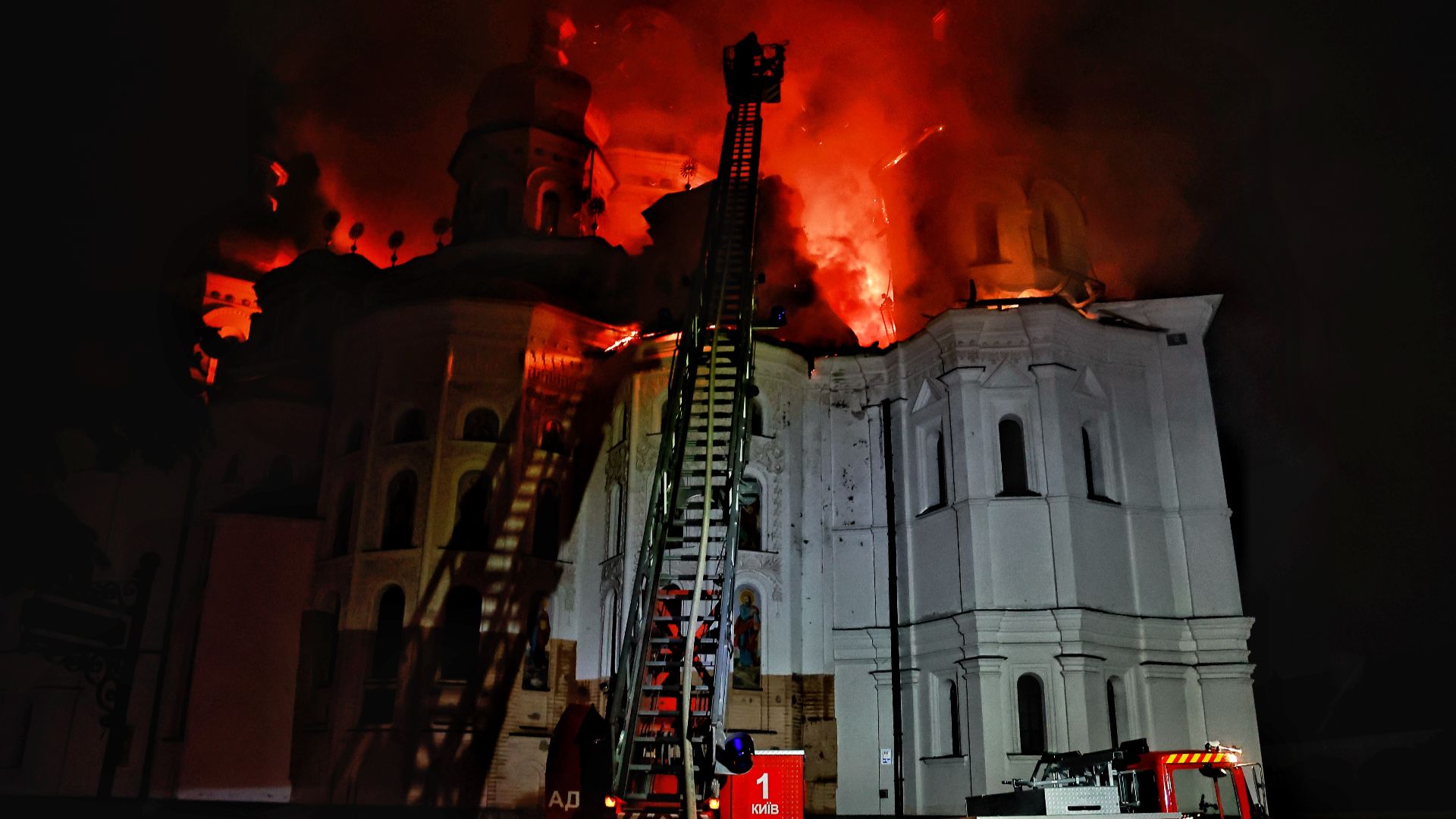
The increased use of drones and long-range vehicles—some equipped with enhanced autonomy—has shifted the tactical balance. Strikes targeting Russian depots, logistics centers, and energy infrastructure are forcing Moscow to divide its resources between defending its national territory and conducting offensive operations in Ukraine. These attacks have also exposed gaps in the air defense network and increased the economic cost of the war for Russia.
Recruitment vs. Casualties: An Imbalance
The report highlights a crucial point: the monthly number of casualties now exceeds Russia's estimated recruitment rate. This imbalance is dangerous. In the short term, it forces the authorities to draw more heavily on poorly trained reserves, accelerate training, or resort to coercive measures. In the long term, this weakens the military by reducing the proportion of experienced soldiers and increasing dependence on a constant influx of ill-prepared personnel.
Territorial and Strategic Consequences
- Territory: The report notes Ukrainian gains, with approximately 400 km² recaptured in the spring of 2026, demonstrating a capacity for localized counteroffensives.
- Strategy: The slowed pace of Russian advances limits the possibility of a quick military victory and increases the likelihood of a protracted conflict.
- War Economy: The need to secure the rear and compensate for losses is driving rising expenditures, putting further strain on Russia's public finances.
Political and Social Impact
Beyond the battlefield, mounting losses have political implications. Prolonged attrition, the visibility of human and economic costs, and the difficulty of achieving decisive gains can fuel internal tensions, public debates, and pressure on decision-makers in Moscow. This may also make moderate factions within the government more inclined to consider political compromises if continuing the conflict becomes too costly.
An Uncertain Future, but Possible Scenarios
Several scenarios remain possible: a continuation of the conflict without a clear winner, an intensification of efforts to secure a local advantage, or, potentially, a move toward negotiations if the combined pressure of casualties, the economy, and diplomacy makes the war unsustainable for one of the parties. The CSIS report leans toward the view that the situation is becoming less favorable for Russia, making a negotiated settlement more likely than a total victory.
In summary, the document highlights a war of attrition in which Russia appears increasingly weakened, both militarily and socially and economically. For observers, this calls for close monitoring of developments in recruitment capabilities, the effectiveness of deep strikes, and diplomatic discussions that could, ultimately, chart a path toward a resolution of the crisis.