Why Was the Former Air Force One Chosen: What Are the Implications for Presidential Security?


/https%3A%2F%2Fcdn-tor.buminteractif.com%2F2026%2F07%2F09154058%2Ftrump-air-force-one-getty-3453453df5345dfg.jpg)
Background and Decisions: When a president switches aircraft at the last minute, it is never a trivial matter. Donald Trump's recent return from Turkey led to a major operational decision: to forgo the modern presidential Boeing and board the former Air Force One instead. This type of decision involves a combination of technical requirements, risk assessments, and symbolic considerations. In this article, we explain why this aircraft change took place, what specific measures were implemented on board, and what lessons can be drawn for managing presidential travel during periods of regional tension.
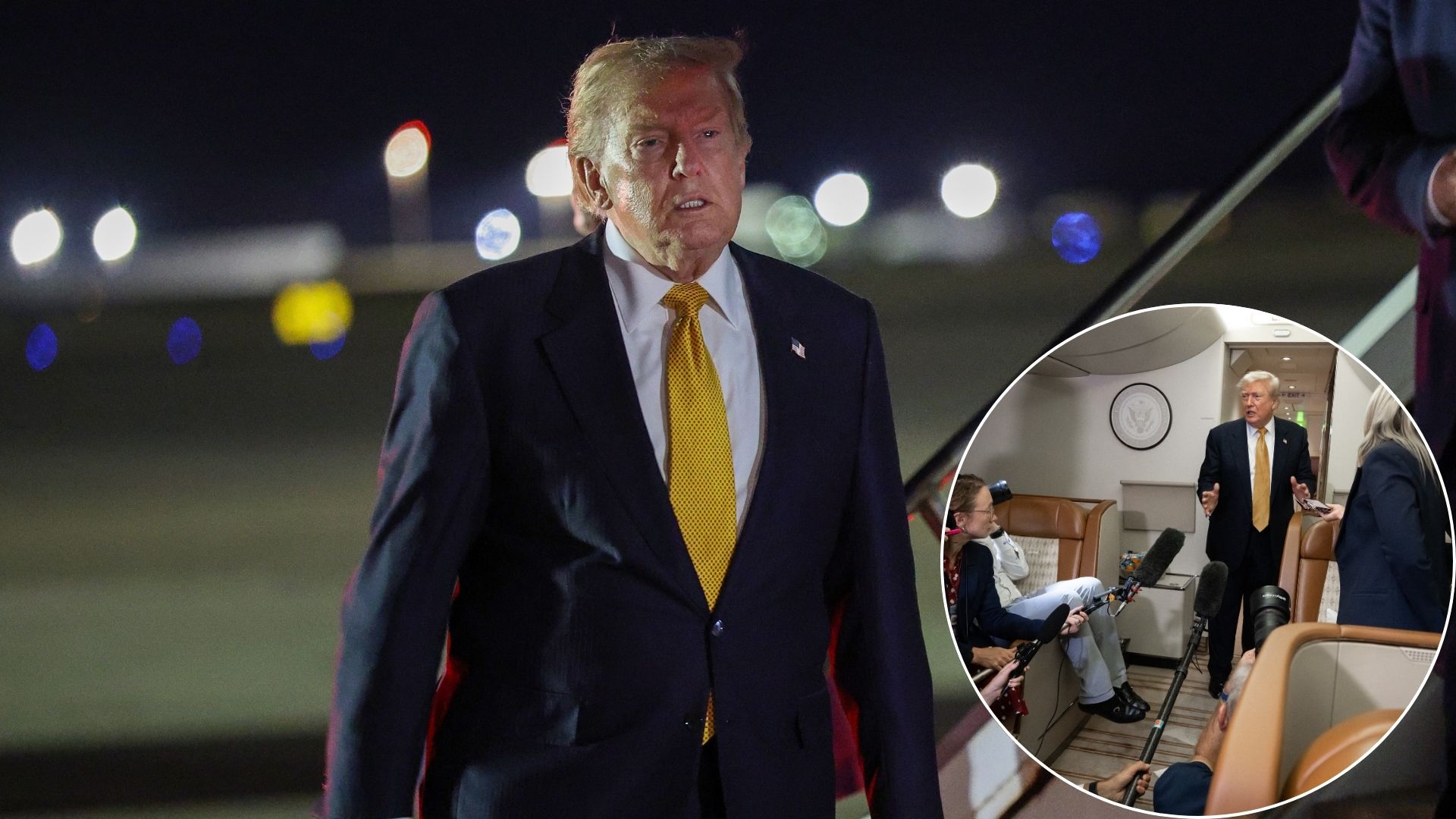
Security officials recommended using the older aircraft because of its proven defense systems. Although the refurbished Boeing 747-8 offers improvements in comfort and modern capabilities, several features deemed essential for flights in potentially hostile areas are not yet fully operational or validated on the new aircraft. These include specific electronic countermeasures, decoys against guided missiles, and the operational capability to refuel in flight with the same efficiency as on the older model. These elements are by no means trivial. When a geopolitical situation escalates—as has been the case in recent weeks with strikes and retaliatory actions involving regional actors—priority is given to systems whose effectiveness has been tested under real-world conditions.
Measures taken on board: in addition to the change of aircraft, several precautions were observed during the flight. Unusual instructions were given to journalists: blinds closed during certain phases of the flight, movement restricted, and information shared sparingly. At one point, the crew also deactivated the transponder, a measure intended to reduce the flight's public visibility and one that is generally reserved for flights crossing or flying over conflict zones. These actions require very precise coordination between the military, air traffic controllers, and presidential security teams to avoid any incidents in civilian airspace.
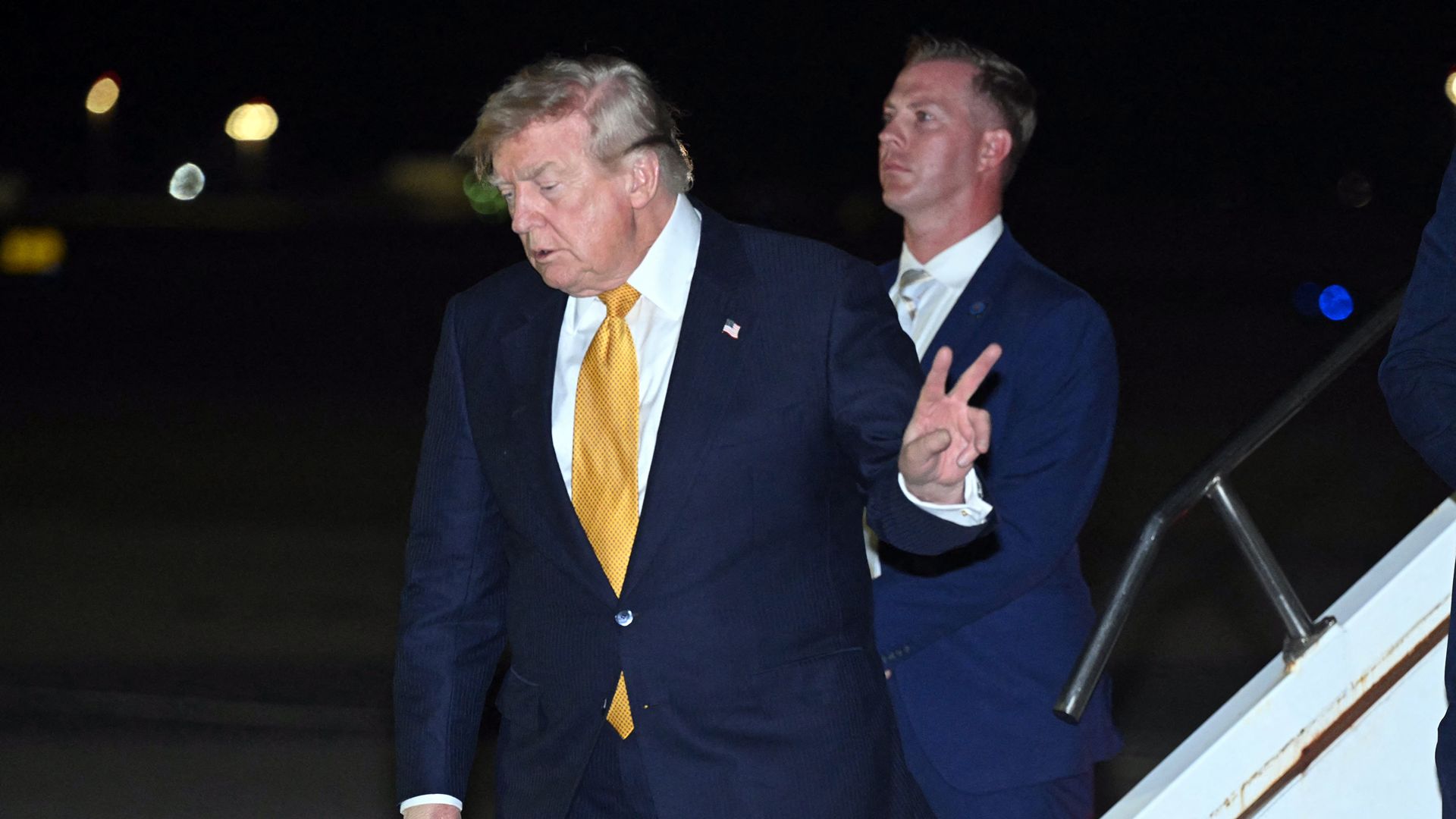
The selection of the former Air Force One is also driven by a philosophy of caution: opting for an aircraft whose defense configuration and responses to known threats have already been calibrated. In military or quasi-military contexts, system redundancy (encrypted communications, protective measures, proven maintenance) is a decisive factor. The preference for a “tried-and-true” aircraft shows that decision-makers are assessing not only the immediate risk but also the robustness of the response chain in the event of an incident—from detection to countermeasures and potential evacuation.
Why geographic proximity matters: Turkey, the host country of the summit in question, shares a regional border that means flight paths may come close to sensitive areas. Geography directly influences risk assessment; a flight path that passes over areas near a theater of operations requires additional safety margins. That is why, under these circumstances, the line between technical and political decisions can be very fine: authorities are required to protect the head of state while upholding diplomatic and protocol obligations.
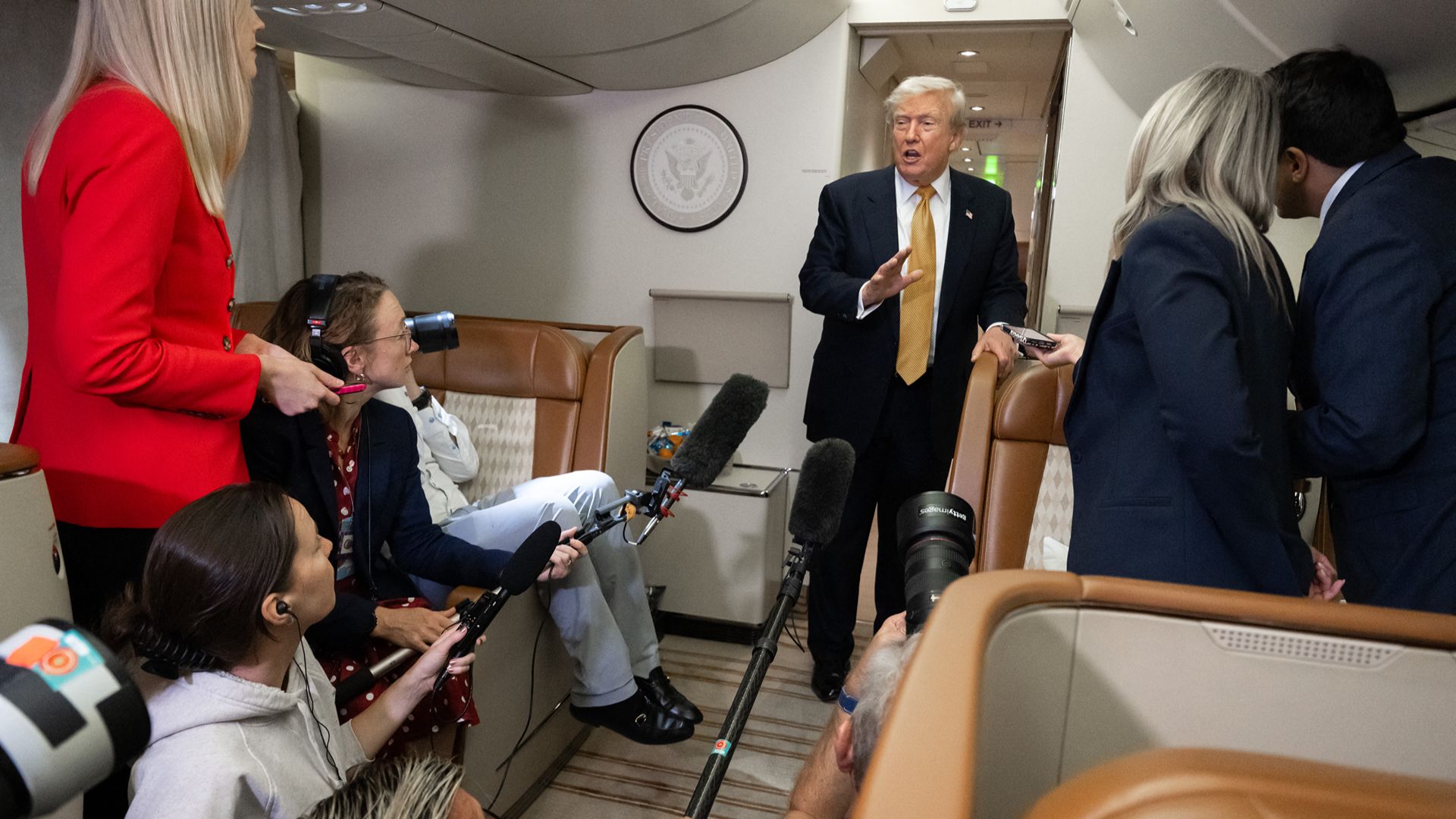
The scene was also marked by a brief yet notable exchange: a remark by the president addressed to the journalists present, which was interpreted both as a joke and as a reminder of the gravity of the threat. This type of public statement, even an informal one, sheds light on the reality of media coverage in sensitive situations: embedded journalists are not mere witnesses; they are part of a human team that is exposed and subject to security constraints.
From an operational standpoint, this incident offers several lessons: first, the modernization of presidential fleets must be accompanied by a comprehensive operational validation of defense systems; second, communication on board the aircraft—both with staff and the media—must balance clarity and restraint; and finally, interagency coordination remains key to managing unforeseen contingencies without compromising national security.
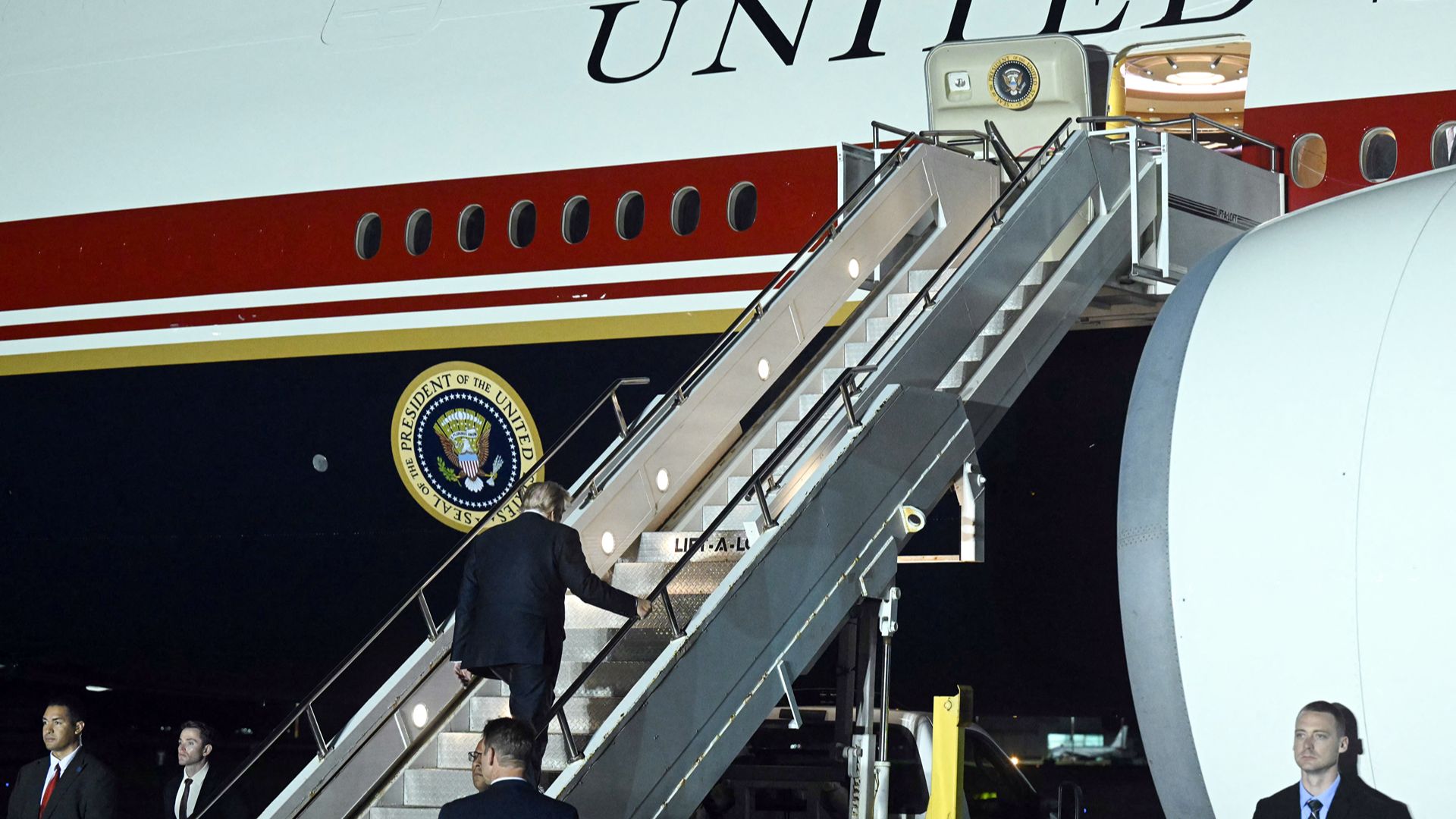
In conclusion, the use of the older Air Force One for the return trip from Turkey illustrates the primacy of operational security over considerations of technological innovation. In a world where risks are often asymmetric and rapidly evolving, resilience and experience remain valuable assets. For the public and observers, this means that certain protocol decisions—even those that may seem surprising at first glance—are rooted in thorough technical assessments and security imperatives that sometimes take precedence over the need for immediate communication.
