

/https%3A%2F%2Fcdn-tor.buminteractif.com%2F2025%2F12%2F19135104%2Fdictionnaire.jpg)
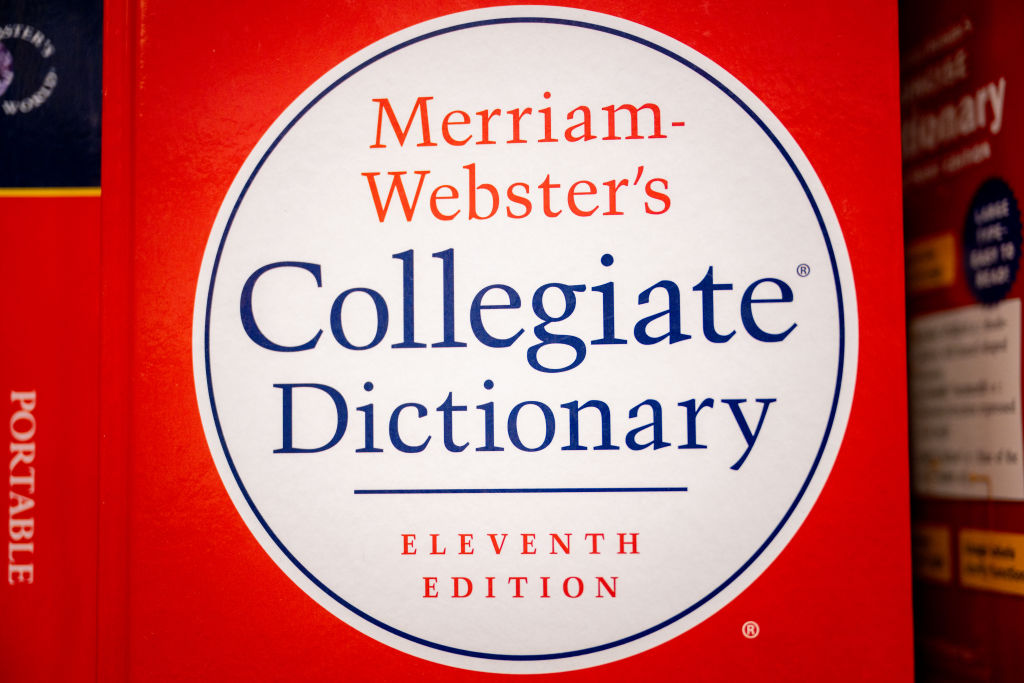
The Merriam-Webster dictionary has chosen“slop” as the word of the year 2025.
Translated as “degenerative content,” the term refers to mediocre, absurd, or misleading digital content generated in large quantities by artificial intelligence (AI) tools. It can be unrealistic videos, bizarre advertising images, convincing fake news, sloppy digital books, or repetitive posts with no real informative value.
Despite their low quality, such content is invading social networks and online platforms.

This choice is indicative of an increasingly visible phenomenon on the Internet: the proliferation of low-quality digital content, often produced in large quantities with the help of AI.
Originally, the word slop meant “soft mud” in the 18th century, before coming to designate food waste or, more generally, something worthless in the 19th century. Its modern meaning is therefore a continuation of this idea of “disposable” content.
The rise of generative artificial intelligence has largely contributed to the slop explosion. Tools capable of producing text, images, or video from simple instructions are now available to everyone. While they can be used creatively and positively, they are also used to rapidly produce sensationalist, misleading, or useless content, with the aim of generating engagement or spreading ideological messages. This raises a number of concerns, including misinformation, deepfakes, and copyright. Some AI-generated content imitates real people, including public figures or the deceased, blurring the line between real and fake.
Despite its negative connotations, the word slop also reflects a collective awareness.
According to Merriam-Webster, the increase in searches for the term shows that Internet users are becoming more critical of the content they consume. Putting a word to the problem is a first step towards understanding it.
In this sense, slop sends an ironic message to AI: while it may impress with its speed and technical capabilities, it is no substitute for human creativity and critical thinking.
The success of the word slop in 2025 therefore reflects a pivotal moment. Faced with an abundance of automatically-generated content, users seem to be expressing a growing desire for reliable information, original creations, and quality human productions. In the future, the real challenge may not be to produce more content, but to produce better content.
