

/https%3A%2F%2Fcdn-tor.buminteractif.com%2F2026%2F01%2F09133604%2FObox-Penurie-RAM-couverture.jpg)
The price of RAM modules, an essential component of every computer and smartphone, has risen exponentially in recent months. Why? Not because of a sudden shortage of raw materials, but because of the arrival of new customers in the RAM market: the giants of artificial intelligence. Manufacturers of RAM modules are now turning to the more lucrative HBM memory for data centers practicing large-scale AI models.

Behind this shortage of RAM lie various components demanded by the tech industry. First of all, the piece of RAM used by the majority of our PCs, smartphones, and consoles is a very specific type of RAM called DDR4/DDR5 DRAM. This component represents the computer's temporary memory, which stores what it's currently using and empties when it's switched off. DRAM production is mainly controlled by three companies – Samsung, SK Hynix and Micron – which together hold 93% of the world market. These manufacturers are diverting their production interests towards another type of RAM: HBM(High Bandwidth Memory). This is essential for the production of data centers practicing large-scale AI models.
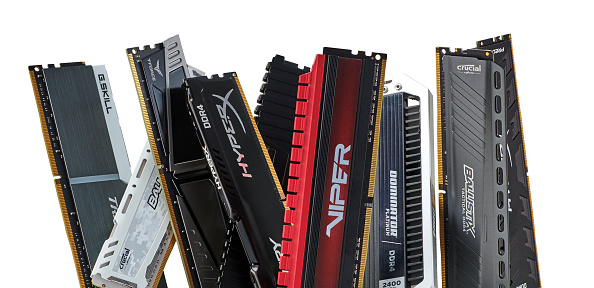
More complex to manufacture and considerably more expensive than the RAM used for PCs, HBMs are now the manufacturing priorities of RAM production companies, putting consumer RAM manufacturing on the back burner. This bottleneck, caused by limited RAM production capacity, is leading to an increase in the price of RAM modules. According to PCPartPicker, a set of 2 x 32 GB DRAM strips has risen from US$229.99 in October to US$629.99 on Amazon's website for the same retailer. This price increase per unit will also affect new products such as PCs, smartphones, and tablets, with RAM representing 10-20% of the overall price of a PC.
Electronics manufacturers will therefore be faced with two choices: absorb the RAM price increase, or pass it on to the consumer. This decision will depend on how much margin the manufacturer wants to keep. A final option could be to reduce the number of bytes—the unit defining a computer system's storage capacity—within RAM. On the other hand, this option would be a retrograde step towards lower-performance devices, but one that would ensure the same price as today's higher-performance devices.
